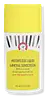
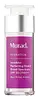
First Aid Beauty Weightless Liquid Mineral Sunscreen With Zinc Oxide SPF 30 Versus Murad Invisiblur Perfecting Shield Broad Spectrum SPF 30 PA+++
This mineral sunscreen covers the full UV range and blocks ~97% of UVB at SPF 30.
This chemical sunscreen covers most of the UV range, lighter on the deep UVA that drives aging.

What's inside
What's inside
 Key Ingredients
Benefits
Concerns
Ingredients Side-by-side
Zinc Oxide 22%
Cosmetic Colorant


Ethylhexyl Olivate
Skin Conditioning

Isododecane
EmollientCoconut Alkanes
Emollient


Water
Skin ConditioningAluminum Starch Octenylsuccinate
Absorbent
Caprylic/Capric Triglyceride
Masking

Butylene Glycol
Humectant
Mica
Cosmetic ColorantPolyglyceryl-6 Polyricinoleate
Emulsifying
Jojoba Esters
Emollient
Cellulose
Absorbent
Stearalkonium Hectorite
Gel FormingSodium Chloride
MaskingSqualane
Emollient
Polyglyceryl-3 Diisostearate
Emulsifying
Polyglyceryl-3 Polyricinoleate
Emulsifying
Iron Oxides
Phenoxyethanol
Preservative
Tocopheryl Acetate
Antioxidant


Coco-Caprylate/Caprate
Emollient
Trihydroxystearin
Skin Conditioning
Caprylyl Glycol
Emollient
Polyhydroxystearic Acid
Emulsifying
Glycerin
Humectant
Trisodium Ethylenediamine Disuccinate
Propanediol
Solvent
Sorbic Acid
Preservative
Titanium Dioxide
Cosmetic Colorant
Silica
Abrasive

Glycyrrhiza Glabra Root Extract
Bleaching


Camellia Sinensis Leaf Extract
Antimicrobial
Alumina
Abrasive
Tocopherol
Antioxidant
Chrysanthemum Parthenium Extract
Skin ConditioningZinc Oxide 22%, Ethylhexyl Olivate, Isododecane, Coconut Alkanes, Water, Aluminum Starch Octenylsuccinate, Caprylic/Capric Triglyceride, Butylene Glycol, Mica, Polyglyceryl-6 Polyricinoleate, Jojoba Esters, Cellulose, Stearalkonium Hectorite, Sodium Chloride, Squalane, Polyglyceryl-3 Diisostearate, Polyglyceryl-3 Polyricinoleate, Iron Oxides, Phenoxyethanol, Tocopheryl Acetate, Coco-Caprylate/Caprate, Trihydroxystearin, Caprylyl Glycol, Polyhydroxystearic Acid, Glycerin, Trisodium Ethylenediamine Disuccinate, Propanediol, Sorbic Acid, Titanium Dioxide, Silica, Glycyrrhiza Glabra Root Extract, Camellia Sinensis Leaf Extract, Alumina, Tocopherol, Chrysanthemum Parthenium Extract
Homosalate 4%
Skin Conditioning
Ethylhexyl Salicylate 4%
UV Absorber
Butyl Methoxydibenzoylmethane 2%
UV Absorber
Octocrylene 2%
UV Absorber
Isododecane
EmollientDimethicone/Bis-Isobutyl PPG-20 Crosspolymer
Emollient
Caprylic/Capric Triglyceride
Masking
Caprylyl Methicone
Skin Conditioning
Phenyl Trimethicone
Skin Conditioning
Diethylhexyl 2,6-Naphthalate
EmollientHydrogenated Soybean Oil
Emollient
Propylene Glycol Dicaprate
EmollientHelianthus Annuus Seed Extract
Skin Conditioning
Ribes Nigrum Seed Oil
Emollient
Octyldodecanol
Emollient
Octyldodecyl Oleate
Emollient
Hydrogenated Soy Polyglycerides
Skin ConditioningPEG-8 Dimethicone
Emulsifying
Parfum
Masking

Limonene
Perfuming
Octyldodecyl Stearoyl Stearate
Emollient
Alcohol
Antimicrobial

Hexyl Cinnamal
Perfuming
Benzyl Benzoate
Antimicrobial
Hordeum Vulgare Extract
EmollientPaeonia Suffruticosa Root Extract
Skin ProtectingMucor Miehei Extract
AstringentTocopheryl Acetate
Antioxidant
Retinyl Palmitate
Skin Conditioning
Ascorbic Acid
Antioxidant

Silica
Abrasive
Sodium Propoxyhydroxypropyl Thiosulfate Silica
Butylene Glycol
Humectant
C15-23 Alkane
SolventCucumis Sativus Fruit Extract
Emollient
Linalool
Perfuming
Rosmarinus Officinalis Leaf Extract
AntimicrobialSolidago Virgaurea Extract
Skin ConditioningLentinus Edodes Extract
Skin ConditioningHomosalate 4%, Ethylhexyl Salicylate 4%, Butyl Methoxydibenzoylmethane 2%, Octocrylene 2%, Isododecane, Dimethicone/Bis-Isobutyl PPG-20 Crosspolymer, Caprylic/Capric Triglyceride, Caprylyl Methicone, Phenyl Trimethicone, Diethylhexyl 2,6-Naphthalate, Hydrogenated Soybean Oil, Propylene Glycol Dicaprate, Helianthus Annuus Seed Extract, Ribes Nigrum Seed Oil, Octyldodecanol, Octyldodecyl Oleate, Hydrogenated Soy Polyglycerides, PEG-8 Dimethicone, Parfum, Limonene, Octyldodecyl Stearoyl Stearate, Alcohol, Hexyl Cinnamal, Benzyl Benzoate, Hordeum Vulgare Extract, Paeonia Suffruticosa Root Extract, Mucor Miehei Extract, Tocopheryl Acetate, Retinyl Palmitate, Ascorbic Acid, Silica, Sodium Propoxyhydroxypropyl Thiosulfate Silica, Butylene Glycol, C15-23 Alkane, Cucumis Sativus Fruit Extract, Linalool, Rosmarinus Officinalis Leaf Extract, Solidago Virgaurea Extract, Lentinus Edodes Extract
Reviews
Ingredients Explained
These ingredients are found in both products.
Ingredients higher up in an ingredient list are typically present in a larger amount.
Butylene Glycol (or BG) is used within cosmetic products for a few different reasons:
Overall, Butylene Glycol is a safe and well-rounded ingredient that works well with other ingredients.
Though this ingredient works well with most skin types, some people with sensitive skin may experience a reaction such as allergic rashes, closed comedones, or itchiness.
Learn more about Butylene GlycolCaprylic/Capric Triglyceride (aka MCT Oil) is a lightweight emollient, solvent, and texture enhancer. It is considered a skin-softener by helping to prevent moisture loss.
Though it behaves like an oil, it is not technically one due to its chemical composition. One perk of this ingredient is that it is very stable, resistant to oxidation, and unlikely to go rancid.
In practice, that translates to a long shelf life and a consistently elegant skin feel.
While there is an assumption Caprylic Triglyceride can clog pores due to it being derived from coconut oil, there is no research supporting this. Just patch test if you have concerns.
Fractionated coconut oil and MCT Oil are both listed as Caprylic/Capric Triglyceride according to INCI. This is because INCI names are based on the ingredient’s final chemical composition and not its marketing name or source.
This ingredient is treated as the gold standard fungal acne safe oil. Even though it is coconut derived, the problematic lauric acid is stripped out.
This leaves just caprylic (C8) and capric (C10) acid. These chain lengths actually trend antifungal; a 2020 study found caprylic acid was enough to disrupt Malassezia furfur cell membrane, with a caprylic acid derivative damaging membrane structures at concentrations as low as 0.2%.
Learn more about Caprylic/Capric TriglycerideIsododecane is a fragrance, emollient, and solvent.
As an emollient, it helps your skin stay soft and hydrated. Emollients help trap moisture into your skin.
Isododecane's role as a solvent makes it a great texture enhancer. It spreads smoothly on skin and does not leave a sticky feeling behind. Isododecane also helps prevent color transfer in makeup products.
Isododecane is not absorbed into skin.
The chemical name for this ingredient is 2,2,4,6,6-PENTAMETHYLHEPTANE.
Learn more about IsododecaneSilica, also known as silicon dioxide, is a naturally occurring mineral. It is used as a fine, spherical, and porous powder in cosmetics.
Though it has exfoliant properties, the function of silica varies depending on the product.
The unique structure of silica enhances the spreadability and adds smoothness, making it a great texture enhancer.
It is also used as an active carrier, emulsifier, and mattifier due to its ability to absorb excess oil.
In some products, tiny microneedles called spicules are made from silica or hydrolyzed sponge. When you rub them in, they lightly polish away dead skin layers and enhance the penetration of active ingredients.
Learn more about SilicaTocopheryl Acetate is a stable, shelf-friendly form of vitamin E.
Formulators love it because plain vitamin E oxidizes quickly once it hits air. This acetate version stays stable and resists going off, helping to extend a product's shelf life.
It's actually inactive on its own and works like a slow-release "storage" form; the enzymes in your skin called esterases gradually convert it into active vitamin E over time.
One in vivo study showed 5% of the acetate in the living layer of the epidermis converted to vitamin E after 5 days of application. This study also found the skin gained protection against UV damage even though the conversion was slow and small.
Once converted, vitamin E acts as a skin's main fat-soluble antioxidant that fights free radicals to protect skin from damage.
Topical vitamin E generally boosts the skin's photoprotection, and it reduced UV-damage in animal models.
This ingredient has some brightening potential but it's more of a prevention ingredient than spot-fader. Cell studies show it can slow down melanin production but it's worth noting that it's not the most powerful brightener out there.
Overall, it has a pretty solid safety profile and has been found to be non-irritating and non-comedogenic. Allergic reactions may happen but stay rare due to how widely the ingredient gets used.
The concentration will vary depending on the formula; industry data shows 0.1% in baby lotions, 3% in lipsticks, and 5% in foot powders. You can also find this ingredient at 100% in a pure vitamin E oil.
Most leave-on skincare keeps it at the lower end, often between 0.5-1%.
Learn more about Tocopheryl Acetate

