This calming moisturizer is formulated around Rosa Damascena Flower Water and Oenothera Biennis Oil to calm redness and hydrate skin.
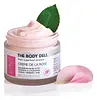
This anti-aging moisturizer is formulated around Rosa Damascena Flower Water and Thioctic Acid to soften the look of wrinkles and calm redness.


What's inside
What's inside
 Key Ingredients
Benefits
Concerns
Ingredients Side-by-side
Lavandula Angustifolia Flower Water
Skin Conditioning
Rosa Damascena Flower Water
Masking

Water
Skin ConditioningGlycerin
Humectant


Caprylyl Caprylate/Caprate
Emollient
Cetearyl Olivate


Dimethyl Sulfone
SolventCetearyl Alcohol
Emollient




Oenothera Biennis Oil
Emollient
Sorbitan Olivate
Emulsifying
Butyrospermum Parkii Butter
Skin Conditioning
Leuconostoc/Radish Root Ferment Filtrate
Antimicrobial
Helianthus Annuus Seed Oil
Emollient
Cocos Nucifera Oil
Masking
Panthenol
Skin Conditioning
Myristyl Myristate
Emollient
Avena Sativa Kernel Extract
Abrasive

Chondrus Crispus Extract
Skin Conditioning
Allantoin
Skin Conditioning
Sodium Hyaluronate
Humectant

Betaine
Humectant
Sodium PCA
Humectant
PCA
Humectant
Serine
Masking
Alanine
Masking
Glycine
Buffering
Glutamic Acid
Humectant
Lysine Hcl
Skin Conditioning
Threonine
Arginine
Masking
Proline
Skin Conditioning
Trehalose
Humectant
Bisabolol
Antioxidant
Cetyl Palmitate
Emollient
Sorbitan Palmitate
Emulsifying
Calendula Officinalis Flower Extract
Masking
Lactobacillus Ferment
Skin Conditioning
Aesculus Hippocastanum Seed Extract
Skin ConditioningSpirulina Platensis Extract
Skin ProtectingTocopherol
Antioxidant


Sodium Lactate
Buffering
Maltodextrin
Absorbent
Caprylyl Glycol
Emollient
Ethylhexylglycerin
Skin ConditioningXanthan Gum
EmulsifyingSodium Citrate
BufferingPhenethyl Alcohol
MaskingCitric Acid
Buffering
Sodium Benzoate
Masking
Potassium Sorbate
Preservative
Hydroxyacetophenone
Antioxidant
Octyldodecanol
Emollient
Sodium Hydroxide
Buffering1,2-Hexanediol
Skin Conditioning
Lavandula Angustifolia Flower Water, Rosa Damascena Flower Water, Water, Glycerin, Caprylyl Caprylate/Caprate, Cetearyl Olivate, Dimethyl Sulfone, Cetearyl Alcohol, Oenothera Biennis Oil, Sorbitan Olivate, Butyrospermum Parkii Butter, Leuconostoc/Radish Root Ferment Filtrate, Helianthus Annuus Seed Oil, Cocos Nucifera Oil, Panthenol, Myristyl Myristate, Avena Sativa Kernel Extract, Chondrus Crispus Extract, Allantoin, Sodium Hyaluronate, Betaine, Sodium PCA, PCA, Serine, Alanine, Glycine, Glutamic Acid, Lysine Hcl, Threonine, Arginine, Proline, Trehalose, Bisabolol, Cetyl Palmitate, Sorbitan Palmitate, Calendula Officinalis Flower Extract, Lactobacillus Ferment, Aesculus Hippocastanum Seed Extract, Spirulina Platensis Extract, Tocopherol, Sodium Lactate, Maltodextrin, Caprylyl Glycol, Ethylhexylglycerin, Xanthan Gum, Sodium Citrate, Phenethyl Alcohol, Citric Acid, Sodium Benzoate, Potassium Sorbate, Hydroxyacetophenone, Octyldodecanol, Sodium Hydroxide, 1,2-Hexanediol
Water
Skin ConditioningRosa Damascena Flower Water
Masking
Rosmarinus Officinalis Water
MaskingLavandula Angustifolia Flower Water
Skin Conditioning
Urtica Dioica
Macadamia Ternifolia Seed Oil
Emollient
Limnanthes Alba Seed Oil
Skin Conditioning
Cocos Nucifera Oil
Masking
Sorbitan Olivate
Emulsifying
Butyrospermum Parkii Butter
Skin Conditioning
Butter
Skin Conditioning
Thioctic Acid
Antioxidant
Ubiquinone
Antioxidant
Dimethyl Sulfone
SolventPalmitoyl Olive Leaf Extract
Antioxidant
Lycium Barbarum Seed Oil
Skin Conditioning
Daucus Carota Sativa Seed Oil
Emollient
Rice Amino Acids
Skin Conditioning
Calendula Officinalis Flower Extract
Masking
Symphytum Officinale Leaf Extract
Skin ConditioningXanthan Gum
EmulsifyingCyamopsis Tetragonoloba Gum
Emulsion StabilisingTocopherol
Antioxidant
Tocotrienols
Skin Conditioning
Allantoin
Skin Conditioning
Squalane
Emollient
Bear Oil
Emollient
Oenothera Biennis Oil
Emollient
Tamarindus Indica Seed Extract
EmollientLactobacillus/Kelp Ferment Filtrate
Skin ConditioningColloidal Oatmeal
Absorbent
Glucosamine
Citric Acid
Buffering
Rosa Damascena Callus
Antimicrobial
Santalum Album Oil
Masking
Pelargonium Graveolens Flower Oil
Masking
Zeaxanthin
Antioxidant
Leuconostoc/Radish Root Ferment Filtrate
Antimicrobial
Water, Rosa Damascena Flower Water, Rosmarinus Officinalis Water, Lavandula Angustifolia Flower Water, Urtica Dioica, Macadamia Ternifolia Seed Oil, Limnanthes Alba Seed Oil, Cocos Nucifera Oil, Sorbitan Olivate, Butyrospermum Parkii Butter, Butter, Thioctic Acid, Ubiquinone, Dimethyl Sulfone, Palmitoyl Olive Leaf Extract, Lycium Barbarum Seed Oil, Daucus Carota Sativa Seed Oil, Rice Amino Acids, Calendula Officinalis Flower Extract, Symphytum Officinale Leaf Extract, Xanthan Gum, Cyamopsis Tetragonoloba Gum, Tocopherol, Tocotrienols, Allantoin, Squalane, Bear Oil, Oenothera Biennis Oil, Tamarindus Indica Seed Extract, Lactobacillus/Kelp Ferment Filtrate, Colloidal Oatmeal, Glucosamine, Citric Acid, Rosa Damascena Callus, Santalum Album Oil, Pelargonium Graveolens Flower Oil, Zeaxanthin, Leuconostoc/Radish Root Ferment Filtrate
Reviews
Ingredients Explained
These ingredients are found in both products.
Ingredients higher up in an ingredient list are typically present in a larger amount.
Allantoin is a soothing ingredient known for its protective and moisturizing properties; it's basically a quiet workhorse ingredient you can find in a huge range of cosmetics.
Though it can be derived from the comfrey plant, allantoin is produced synthetically for cosmetic products to ensure purity.
Research shows it can encourage your skin cells to turn over and renew by stimulating keratinocyte and fibroblast proliferation.
It also has mild keratolytic properties to help loosen and shed dead skin cells without being harsh.
Studies also suggest allantoin can help calm inflammation by dialing down some of the chemical signals your skin sends out when it is irritated.
This ingredient is typically used in the 0.1-0.5% range, and the FDA recognizes it as a skin protectant in OTC products up to 2%.
Overall, allantoin is a wonderful addition to most routines; it is stable across a wide pH range (~4-8), works well with other ingredients, and is considered non-sensitizing/non-irritating.
Fun fact: Allantoin is naturally occurring in comfrey root, beets, chamomile, and wheat sprouts. Our bodies even produce it as a byproduct of uric acid metabolism.
Learn more about AllantoinThis ingredient is also known as shea butter. It is a plant-derived extract from the nuts of the Africa shea tree and one of the most well-studied emollients.
Because it has a high concentration of fatty acids (primarily oleic, stearic, and linoleic) it is able to form a protective barrier on the skin's surface. This helps seal in moisture and prevents transepidermal water loss (TEWL).
In vitro research found an increase in skin hydration by 58% and a decrease in TEWL by 37.8% after 24 hours of applying this ingredient (pretty impressive for a single ingredient!).
Besides hydration, shea butter also contains triterpenes that have anti-inflammatory potential. In particule, lupeol cinnamate has shown the highest anti-inflammatory activity in vivo.
Shea butter also contains vitamins A and E which may contribute to antioxidant activity.
While Shea Butter has an SPF rating of about 3-4, it is not a sunscreen replacement.
This ingredient may not be fungal acne safe because its fatty acids fall within the C11-C24 range that the Malassezia yeast can metabolize.
This ingredient shows up on a lot of "pore-clogging" lists but there's no real evidence behind that. It doesn't even have a comedogenic rating from an actual study; the numbers you'll find online come from blogs citing other blogs.
Ratings for other ingredients mostly come from a 1980s rabbit ear test. This test doesn't translate well to human skin or to real products because the ingredient sits at a much lower percentage.
Some people still find it breaks them out. So if that's you, definitely trust your skin. Just know this one's based on experience and not evidence.
Learn more about Butyrospermum Parkii ButterCalendula Officinalis Flower Extract comes from the marigold flower and has been used on skin for centuries for its calming effect.
In the lab, its active compounds appear to calm inflammation and support the early "healing" phase of minor wounds.
This is why Europe's medicines regulator has approved calendula extracts as a traditional remedy for minor skin inflammation and healing small wounds.
The stronger human evidence is around would/ulcer care rather than everyday cosmetic claims; a review that pulled together 14 studies found that calendula helped calm the early, inflamed stage of a wound and helped new skin tissue form faster.
Two studies also showed it shrank leg ulcers (the kind caused by poor circulation). Results were mixed for burns and for the skin irritation people get from radiation treatment, so it's not a sure thing there.
In cosmetics, it's mostly a skin conditioning and soothing agent.
The Cosmetic Ingredient Review panel concluded that calendula-derived ingredients are safe as used and that the ingredients are not irritating, sensitizing, or photosensitizing in clinical tests (though they may be mild eye irritants).
Typical use levels are quite low; industry data reported it used at under 0.5% (one supplier noted a 10-25% extract blend used at 1-10% in the finished product). Historical use goes up to 10%.
The only thing to keep in mind is if you have daisy/ragweed allergies. Calendula is in the same family and one patch-test study found 2% of dermatitis patients reacted to marigold. Be sure to patch test if you have sensitive or allergy-prone skin.
Learn more about Calendula Officinalis Flower ExtractCitric Acid is an alpha hydroxy acid (AHA) naturally found in citrus fruits like oranges, lemons, and limes.
Like other AHAs, citric acid can exfoliate skin by breaking down the bonds that hold dead skin cells together. This helps reveal smoother and brighter skin underneath.
However, this exfoliating effect only happens at high concentrations (20%) which can be hard to find in cosmetic products.
Due to this, citric acid is usually included in small amounts as a pH adjuster. This helps keep products slightly more acidic and compatible with skin's natural pH.
In skincare formulas, citric acid can:
While it can provide some skin benefits, research shows lactic acid and glycolic acid are generally more effective and less irritating exfoliants.
Most citric acid used in skincare today is made by fermenting sugars (usually from molasses). This synthetic version is identical to the natural citrus form but easier to stabilize and use in formulations.
Rosacea skin has a lower threshold for acids generally, with 62.5% of rosacea subjects in one study reacting to lactic acid in a sting test. This is why we mark citric acid as a potential rosacea trigger.
However, this ingredient shows up as a pH adjuster or chelator at roughly 0.1-1% in many products. These low levels are unlikely to be an issue for rosacea skin and becomes a potential trigger at exfoliating concentrations (20%). Because everybody's skin is unique, we recommend a patch test if you are unsure.
Learn more about Citric AcidThis ingredient is also known as coconut oil. It is a plant-derived ingredient with skin conditioning properties.
The fatty acid profile of coconut oil is mostly lauric acid (~54%), followed by capric, caprylic, palmitic, and myristic acids. This profile allows it to penetrate easily into skin, moisturize, and improve dry skin.
A double-blind study confirmed that extra virgin coconut oil is as effective as mineral oil for treating very dry skin. Another study found it outperformed mineral oil for mild to moderate atopic dermatitis in children.
Another study from 2018 found that virgin coconut oil can soothe inflammation and boost key skin barrier proteins. Just know this evidence is still only from lab settings and not human trials.
It has also been shown to reduce Staphylococcus aureus, a bacteria that commonly overgrows in people with eczema.
Clinical testing shows very minimal skin irritation and no evidence of sensitization or phototoxicity.
Coconut oil gets flagged as a "fragrance" because it has a natural mild scent (not because it's a synthetic perfume). The European Cosmetic ingredient database also lists "perfuming" as a function of this ingredient.
Just so you know, the term "fragrance" is completely unregulated. Some brands still use botanical extracts or essential oils in their "fragrance-free" formulas, but regulatory databases technically classify these under "fragrance".
Coconut oil has a tiny and useless bit of natural SPF. Early lab studies clocked it around SPF 7-8 but a more recent study found the real number closer to SPF 1.2. It also offers no meaningful UVA protection (SPF only overs UVB rays).
The comedogenic rating of 4/5 means it has a high potential to clog pores; but it's worth noting that comedogenicity is highly individual and ratings cannot predict how an overall formula will behave on skin.
Since lauric acid is the dominant fatty acid, this ingredient may not be fungal acne safe. The Malassezia yeast feeds on fatty acids with carbon chain lengths between 11-24, and lauric acid falls within these lengths (C12).
Learn more about Cocos Nucifera OilDimethyl Sulfone is an organic compound that naturally contains sulfur. It is used as a solvent due to its stability. Solvents help mix and stabilize other ingredients.
Studies show taking Dimethyl Sulfone (also known as methylsulfonylmethane or MSM) orally may help reduce the depth of wrinkles. We recommend speaking with a professional if you have any questions or concerns about this ingredient.
Lavandula Angustifolia Flower Water is created by distilling parts of the lavender plant. Lavender flower water is a diluted version of lavender essential oil. It contains linalool and linalyl acetate.
When exposed to air, these two compounds become strong allergens. This ingredient exhibits cytotoxicity at low concentrations; amounts of 0.25% have been shown to damage skin cells.
Leuconostoc/Radish Root Ferment Filtrate is a natural preservative. It comes from fermenting radish roots with a bacteria called leuconostoc. The trade name for this ingredient is Leucidal.
Leuconostoc comes from lactic acid.
This ingredient has antimicrobial properties and helps prevent the growth of bacteria in a product.
Leuconostoc is used to make the traditional Korean side-dish, kimchi. It is also used to make sourdough bread (both incredibly yummy foods).
Learn more about Leuconostoc/Radish Root Ferment FiltrateOenothera Biennis Oil (aka Evening Primrose Oil) is a non-fragrant oil from the evening primrose. Like other botanical oils, it is an emollient that helps hydrate and nourish skin.
It has an interesting fatty acid profile: linoleic (70-74%) and γ-linolenic (8-10%), with some amounts ofoleic palmitic, and stearic acids.
The gamma-linoleic acid (GLA) is the headliner here; it's relatively rare in plant oils and acts as a precursor for anti-inflammatory signaling molecules in the skin.
There's a mixed body of clinical research with this ingredient as well, mostly on eczema/atopic dermatitis skin.
Some controlled trials showed improvement in inflammation, dryness, scaling, and overall severity. Other studies and large meta-analysis failed to show a significant effect; the honest takeaway here is "promising but inconsistent" rather than "miracle oil".
On the safety front, this ingredient is found to be safe as used in cosmetics and even has a history of safe food use.
This ingredient does have a comedogenic rating of 3, but this doesn't mean a formula with this ingredient will clog pores. Human testing has proved that any finished product with this ingredient won't automatically make you break out; it really comes down to concentration, formula, and your skin.
Since this oil is contains oleic acid and palmitic acid, it may not be fungal acne safe. The Malassezia yeast feeds on fatty acids with carbon chain lengths between C11-C24. Oleic Acid sits at C18 and Palmitic acid sits at C16.
In vitro studies have shown that oleic acid and palmitic acid are some of the fatty acids that induce rapid Malassezia growth in lab settings.
Learn more about Oenothera Biennis OilRosa Damascena Flower Water is the water-based byproduct of steam-distilling damask rose petals. It has skin conditioning, masking, and skin protecting properties.
Research shows that Rosa damascena is rich in flavonoids and phenolic compounds like gallic acid that contribute to its antioxidant activity.
In vitro studies have shown that Rosa damascena can scavenge free radicals and reduce melanin overproduction. Research has also found this extract offers some degree of UV absorption but this should not replace your sunscreen.
Learn more about Rosa Damascena Flower WaterSorbitan Olivate is created from the fatty acids in olive oil and sorbitol.
This ingredient is an oil in water emulsifier. It helps stabilize a product by preventing oils and waters from separating. Sorbitan Olivate also helps hydrate the skin.
This ingredient is also known as part of Olivem 1000, with Cetearyl Olivate being the other part.
According to a manufacturer, this ingredient helps preserve the natural microbiome of skin. Having a healthy microbiome helps keep our skin healthy and protects against harmful bacteria.
Please note, having a healthy microbiome is different from fungal acne; a healthy microbiome includes small amounts of yeast that normally live on your skin without causing problems.
Fungal acne happens when one type of yeast (Malassezia) grows out of control. This is usually because it's feeding on certain oils or fatty acids. Due to the olive oil base, this ingredient may not be fungal acne safe.
Learn more about Sorbitan OlivateTocopherol is a fat-soluble antioxidant known as Vitamin E.
You'll find this ingredient in the vast majority of skincare (for good reason). It works to neutralize free radicals, or unstable molecules generated by UV exposure, pollution, and other environmental stressors, before they can cause oxidative damage to your skin cells.
Topically applied tocopherol has been shown to protect against UV damage by ramping up the skin's own natural defense enzymes.
It also acts as a skin conditioning agent; some studies show that regular topical use can improve the skin's water-binding capacity over 2-4 weeks.
This ingredient is especially loved for being a team player. When combined with Vitamin C, the photoprotective effect of both ingredients roughly doubles and the combo also helps reduce UV-induced DNA damage.
This ingredient has some brightening potential but it's more of a prevention ingredient than spot-fader. Cell studies show it can slow down melanin production but it's worth noting that it's not the most powerful brightener out there.
In formulations, it also serves as a stabilizer that helps protect other oxidation-prone ingredients from degrading.
Concentrations usually range from 0.1-1% in most leave-on products.
Learn more about TocopherolWater. It's the most common cosmetic ingredient of all. You'll usually see it at the top of ingredient lists, meaning that it makes up the largest part of the product.
So why is it so popular? Water most often acts as a solvent - this means that it helps dissolve other ingredients into the formulation.
You'll also recognize water as that liquid we all need to stay alive. If you see this, drink a glass of water. Remember to stay hydrated!
Learn more about WaterXanthan gum is used as a stabilizer and thickener within cosmetic products. It helps give products a sticky, thick feeling - preventing them from being too runny.
On the technical side of things, xanthan gum is a polysaccharide - a combination consisting of multiple sugar molecules bonded together.
Xanthan gum is a pretty common and great ingredient. It is a natural, non-toxic, non-irritating ingredient that is also commonly used in food products.
Learn more about Xanthan Gum

