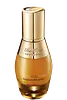
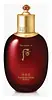
O Hui The First Geniture Ampoule Advanced Versus The History of Whoo Jinyulhyang Essential Revitalizing Balancer
This anti-aging ampoule is formulated around Niacinamide and Panthenol to soften the look of wrinkles and strengthen the skin barrier.
This hydrating toner is formulated around Biosaccharide Gum-1 and Panthenol to hydrate skin and calm redness.

What's inside
What's inside
 Key Ingredients
Benefits
Concerns
Ingredients Side-by-side
Water
Skin ConditioningGlyceryl Polymethacrylate
Glycerin
Humectant


Dipropylene Glycol
HumectantAlcohol Denat.
Antimicrobial




Butylene Glycol
Humectant
1,2-Hexanediol
Skin Conditioning
Propylene Glycol
Humectant
Niacinamide
Smoothing









Isopentyldiol
Humectant
Panthenol
Skin Conditioning
Dimethicone
Emollient
Polymethylsilsesquioxane
Alanyl Glutamine
HumectantPropanediol
Solvent
Dunaliella Salina Extract
Skin ConditioningSodium Polyacryloyldimethyl Taurate
Emulsion StabilisingMacrocystis Pyrifera Extract
Skin Conditioning
PEG-60 Hydrogenated Castor Oil
Emulsifying

Lauryl Dimethicone/Polyglycerin-3 Crosspolymer
Cleansing
Alcohol
Antimicrobial
Myristica Fragrans Extract
MaskingPEG-8 Caprylic/Capric Glycerides
EmulsifyingCarbomer
Emulsion StabilisingDipotassium Glycyrrhizate
Humectant
Polyacrylate Crosspolymer-6
Emulsion StabilisingTromethamine
BufferingHydroxyethylcellulose
Emulsion StabilisingParfum
Masking

Sodium Polyacrylate
Absorbent
Trisodium EDTA
ChelatingMica
Cosmetic ColorantRhus Semialata Extract
Skin ConditioningCI 77891
Cosmetic ColorantHydrogenated Lecithin
Emulsifying
Dimethicone/Vinyl Dimethicone Crosspolymer
Skin Conditioning
Pentylene Glycol
Skin Conditioning
Sodium Hyaluronate
Humectant
Eclipta Prostrata Extract
Skin Conditioning
Amodimethicone
Disodium EDTA
ChelatingSodium Hydroxide
BufferingTrehalose
Humectant
CI 77491
Cosmetic ColorantPolysorbate 20
Emulsifying
Ethylhexylglycerin
Skin ConditioningSodium Chloride
MaskingSodium Bicarbonate
Abrasive
Disodium Adenosine Triphosphate
Skin ConditioningMyrtus Communis Extract
AstringentCI 77480
Cosmetic ColorantSodium Lactate
Buffering
Glucose
Humectant
Sodium Phosphate
BufferingDisodium Phosphate
BufferingGlycoproteins
Skin Conditioning
Potassium Chloride
Glycine
Buffering
Cyanocobalamin
Skin ConditioningThioctic Acid
Antioxidant
Glycyrrhetinic Acid
Skin Conditioning
Lysine Hcl
Skin Conditioning
Sodium Pyruvate
Skin ConditioningIsoleucine
Skin ConditioningLeucine
Skin ConditioningTyrosine
MaskingThreonine
Valine
MaskingArginine Hcl
Skin ConditioningPhenylalanine
Masking
Cystine
MaskingCalcium Chloride
AstringentHistidine Hcl
Skin ConditioningSerine
Masking
Methionine
Skin ConditioningPaeonia Suffruticosa Branch/Flower/Leaf Extract
Skin ConditioningPalmitoyl Tripeptide-1
Skin Conditioning
Tryptophan
MaskingPalmitoyl Tetrapeptide-7
Skin Conditioning
Inositol
Humectant
Folic Acid
Skin ConditioningPyridoxine Hcl
Skin ConditioningThiamine Hcl
MaskingCopper Tripeptide-1
Skin Conditioning
Riboflavin
Cosmetic ColorantLimonene
Perfuming
Citronellol
Perfuming
Linalool
Perfuming
Benzyl Salicylate
Perfuming
Geraniol
Perfuming
Water, Glyceryl Polymethacrylate, Glycerin, Dipropylene Glycol, Alcohol Denat., Butylene Glycol, 1,2-Hexanediol, Propylene Glycol, Niacinamide, Isopentyldiol, Panthenol, Dimethicone, Polymethylsilsesquioxane, Alanyl Glutamine, Propanediol, Dunaliella Salina Extract, Sodium Polyacryloyldimethyl Taurate, Macrocystis Pyrifera Extract, PEG-60 Hydrogenated Castor Oil, Lauryl Dimethicone/Polyglycerin-3 Crosspolymer, Alcohol, Myristica Fragrans Extract, PEG-8 Caprylic/Capric Glycerides, Carbomer, Dipotassium Glycyrrhizate, Polyacrylate Crosspolymer-6, Tromethamine, Hydroxyethylcellulose, Parfum, Sodium Polyacrylate, Trisodium EDTA, Mica, Rhus Semialata Extract, CI 77891, Hydrogenated Lecithin, Dimethicone/Vinyl Dimethicone Crosspolymer, Pentylene Glycol, Sodium Hyaluronate, Eclipta Prostrata Extract, Amodimethicone, Disodium EDTA, Sodium Hydroxide, Trehalose, CI 77491, Polysorbate 20, Ethylhexylglycerin, Sodium Chloride, Sodium Bicarbonate, Disodium Adenosine Triphosphate, Myrtus Communis Extract, CI 77480, Sodium Lactate, Glucose, Sodium Phosphate, Disodium Phosphate, Glycoproteins, Potassium Chloride, Glycine, Cyanocobalamin, Thioctic Acid, Glycyrrhetinic Acid, Lysine Hcl, Sodium Pyruvate, Isoleucine, Leucine, Tyrosine, Threonine, Valine, Arginine Hcl, Phenylalanine, Cystine, Calcium Chloride, Histidine Hcl, Serine, Methionine, Paeonia Suffruticosa Branch/Flower/Leaf Extract, Palmitoyl Tripeptide-1, Tryptophan, Palmitoyl Tetrapeptide-7, Inositol, Folic Acid, Pyridoxine Hcl, Thiamine Hcl, Copper Tripeptide-1, Riboflavin, Limonene, Citronellol, Linalool, Benzyl Salicylate, Geraniol
Water
Skin ConditioningGlycerin
Humectant
Dipropylene Glycol
HumectantBiosaccharide Gum-1
Humectant
Glycereth-26
Humectant
1,2-Hexanediol
Skin Conditioning
PEG-60 Hydrogenated Castor Oil
Emulsifying
PEG-8
HumectantPanthenol
Skin Conditioning
Octyldodeceth-16
EmulsifyingAcrylates/C10-30 Alkyl Acrylate Crosspolymer
Emulsion StabilisingCaprylyl Glycol
Emollient
Triethylhexanoin
MaskingPolyquaternium-51
Skin Conditioning
Xanthan Gum
EmulsifyingParfum
Masking
Polygonatum Officinale Rhizome/Root Extract
Skin ConditioningAsparagus Cochinchinensis Root Extract
Skin ConditioningPolygonum Multiflorum Root Extract
Skin ConditioningAcanthopanax Senticosus Root Extract
Skin ConditioningTrisodium EDTA
ChelatingTheobroma Cacao Extract
Skin ConditioningPunica Granatum Fruit Extract
Antioxidant
Phenyl Trimethicone
Skin Conditioning
Algin
MaskingSodium Polyacrylate
Absorbent
Ziziphus Jujuba Fruit Extract
Skin ConditioningTrifolium Pratense Leaf Extract
Antioxidant
Lithospermum Erythrorhizon Root Extract
Skin ConditioningDioscorea Japonica Root Extract
Skin Conditioning
Cimicifuga Racemosa Root Extract
Antimicrobial
Panax Ginseng Root Extract
Emollient
Angelica Acutiloba Root Extract
Skin ConditioningScutellaria Baicalensis Root Extract
Astringent
Prunus Persica Kernel Extract
MoisturisingPlantago Asiatica Extract
Skin ConditioningPaeonia Suffruticosa Root Extract
Skin ProtectingPaeonia Albiflora Root Extract
Skin ConditioningGlycyrrhiza Glabra Root Extract
Bleaching
Atractylodes Japonica Rhizome Extract
Skin ConditioningSaccharomyces/Xylinum/Black Tea Ferment
Skin Conditioning
Portulaca Oleracea Extract
Skin Conditioning
Poncirus Trifoliata Fruit Extract
Skin ConditioningGinsenosides
Skin ConditioningVelvet Extract
HumectantThymus Vulgaris Extract
Perfuming
Cornus Officinalis Fruit Extract
Skin ConditioningWater, Glycerin, Dipropylene Glycol, Biosaccharide Gum-1, Glycereth-26, 1,2-Hexanediol, PEG-60 Hydrogenated Castor Oil, PEG-8, Panthenol, Octyldodeceth-16, Acrylates/C10-30 Alkyl Acrylate Crosspolymer, Caprylyl Glycol, Triethylhexanoin, Polyquaternium-51, Xanthan Gum, Parfum, Polygonatum Officinale Rhizome/Root Extract, Asparagus Cochinchinensis Root Extract, Polygonum Multiflorum Root Extract, Acanthopanax Senticosus Root Extract, Trisodium EDTA, Theobroma Cacao Extract, Punica Granatum Fruit Extract, Phenyl Trimethicone, Algin, Sodium Polyacrylate, Ziziphus Jujuba Fruit Extract, Trifolium Pratense Leaf Extract, Lithospermum Erythrorhizon Root Extract, Dioscorea Japonica Root Extract, Cimicifuga Racemosa Root Extract, Panax Ginseng Root Extract, Angelica Acutiloba Root Extract, Scutellaria Baicalensis Root Extract, Prunus Persica Kernel Extract, Plantago Asiatica Extract, Paeonia Suffruticosa Root Extract, Paeonia Albiflora Root Extract, Glycyrrhiza Glabra Root Extract, Atractylodes Japonica Rhizome Extract, Saccharomyces/Xylinum/Black Tea Ferment, Portulaca Oleracea Extract, Poncirus Trifoliata Fruit Extract, Ginsenosides, Velvet Extract, Thymus Vulgaris Extract, Cornus Officinalis Fruit Extract
Ingredients Explained
These ingredients are found in both products.
Ingredients higher up in an ingredient list are typically present in a larger amount.
1,2-Hexanediol is a synthetic liquid and another multi-functional powerhouse.
It is a:
- Humectant, drawing moisture into the skin
- Emollient, helping to soften skin
- Solvent, dispersing and stabilizing formulas
- Preservative booster, enhancing the antimicrobial activity of other preservatives
Dipropylene Glycol is a synthetically created humectant, stabilizer, and solvent.
This ingredient helps:
Dipropylene glycol is technically an alcohol, but it belongs to the glycol family (often considered part of the ‘good’ alcohols). This means it is hydrating and gentle on skin unlike drying solvent alcohols like denatured alcohol.
As a masking agent, Dipropylene Glycol can be used to cover the smell of other ingredients. However, it does not have a scent.
Studies show Dipropylene Glycol is considered safe to use in skincare.
Learn more about Dipropylene GlycolGlycerin (or glycerol) is a compound naturally found in your skin. It's a powerhouse humectant that pulls water into the stratum corneum.
Topically, glycerin does several things at once:
Your skin makes glycerin on its own (mostly from sebaceous oil breakdown) and shuttles it to your outermost layer of skin, or your epidermis, via aquaporin-3.
Aquaporin-3 is a transporter that is essential for normal skin hydration, elasticity, and repair. Interestingly, mice lacking in AQP3 have dry and less elastic skin that can be fully corrected with glycerin.
This ingredient is non-irritating, plays well with almost every ingredient, and works across all skin types. Typical use is anywhere between 3-10% but can go up to 79% in some leave-on products.
Just know very high concentrations (>40%) can feel tacky in low humidity.
Glycerin is the name for this ingredient in American English. British English uses Glycerol/Glycerine.
Learn more about GlycerinPanthenol is a common ingredient that helps hydrate and soothe the skin. It is found naturally in our skin and hair.
There are two forms of panthenol: D and L.
D-panthenol is also known as dexpanthenol. Most cosmetics use dexpanthenol or a mixture of D and L-panthenol.
Panthenol is famous due to its ability to go deeper into the skin's layers. Using this ingredient has numerous pros (and no cons):
Like hyaluronic acid, panthenol is a humectant. Humectants are able to bind and hold large amounts of water to keep skin hydrated.
This ingredient works well for wound healing. It works by increasing tissue in the wound and helps close open wounds.
Once oxidized, panthenol converts to pantothenic acid. Panthothenic acid is found in all living cells.
This ingredient is also referred to as pro-vitamin B5.
Learn more about PanthenolParfum is a catch-all term for an ingredient or more that is used to give a scent to products.
Also called "fragrance", this ingredient can be a blend of hundreds of chemicals or plant oils. This means every product with "fragrance" or "parfum" in the ingredients list is a different mixture.
For instance, Habanolide is a proprietary trade name for a specific aroma chemical. When used as a fragrance ingredient in cosmetics, most aroma chemicals fall under the broad labeling category of “FRAGRANCE” or “PARFUM” according to EU and US regulations.
The term 'parfum' or 'fragrance' is not regulated in many countries. In many cases, it is up to the brand to define this term.
For instance, many brands choose to label themselves as "fragrance-free" because they are not using synthetic fragrances. However, their products may still contain ingredients such as essential oils that are considered a fragrance by INCI standards.
One example is Calendula flower extract. Calendula is an essential oil that still imparts a scent or 'fragrance'.
Depending on the blend, the ingredients in the mixture can cause allergies and sensitivities on the skin. Some ingredients that are known EU allergens include linalool and citronellol.
Parfum can also be used to mask or cover an unpleasant scent.
The bottom line is: not all fragrances/parfum/ingredients are created equally. If you are worried about fragrances, we recommend taking a closer look at an ingredient. And of course, we always recommend speaking with a professional.
Learn more about ParfumPeg-60 Hydrogenated Castor Oil comes from hydrogenated castor oil. It is a solubilizer and emulsifier.
As a solubilizer, it helps dissolve ingredients into a water-based version. It is also an emulsifer. Emulsifier help prevent oils and water from separating. Both these properties help create evenly-spread and uniform products.
Basically, Peg-60 Hydrogenated Castor Oil helps hold ingredients together.
Learn more about PEG-60 Hydrogenated Castor OilSodium Polyacrylate is the sodium salt of polyacrylic acid. It is used as an absorber, emollient, and stabilizer.
This ingredient is a super-absorbent polymer - meaning it can absorb 100 to 1000 times its mass in water. As an emollient, Sodium Polyacrylate helps soften and soothe skin. Emollients work by creating a barrier to trap moisture in. This helps keep your skin hydrated.
Trisodium EDTA is one of those quietly essential helper ingredients that most people have never heard of. You'll most likely spot it near the end of ingredient lists in almost every category of skincare.
So what does it actually do?
Its main job is chelation; this is a fancy word to say it grabs onto metal ions and neutralizes them. This is because even purified water in cosmetics contains trace amounts of metals that can cause big problems in a formula.
These trace metals can break down actives faster, cause discoloration, promote rancidity in oils, and make preservatives less effective. Trisodium EDTA binds to these metals and takes them out of the equation so your products can stay stable and effective for longer.
There's also an added bonus: by neutralizing the metals ions that bacteria need to thrive, this ingredient also acts as a preservative booster.
The Cosmetic Ingredient Review has concluded this ingredient to be safe as used in cosmetic formulations. It is not considered an irritant, sensitizer, and is barely absorbed through the skin.
Learn more about Trisodium EDTAWater. It's the most common cosmetic ingredient of all. You'll usually see it at the top of ingredient lists, meaning that it makes up the largest part of the product.
So why is it so popular? Water most often acts as a solvent - this means that it helps dissolve other ingredients into the formulation.
You'll also recognize water as that liquid we all need to stay alive. If you see this, drink a glass of water. Remember to stay hydrated!
Learn more about Water

