Yehwadam Plum Flower Revitalizing Toner Versus The History of Whoo Jinyulhyang Essential Revitalizing Balancer
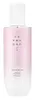
This hydrating toner is formulated around Panthenol and Adenosine to hydrate skin and soften the look of wrinkles.
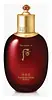
This hydrating toner is formulated around Biosaccharide Gum-1 and Panthenol to hydrate skin and calm redness.

What's inside
What's inside
 Key Ingredients
Benefits
Concerns
Ingredients Side-by-side
Water
Skin ConditioningAlcohol
Antimicrobial




1,2-Hexanediol
Skin Conditioning
Dipropylene Glycol
HumectantBetaine
Humectant

Glycerin
Humectant
Methyl Gluceth-20
Humectant
Panthenol
Skin Conditioning
Trehalose
Humectant
PEG-60 Hydrogenated Castor Oil
Emulsifying

Octyldodeceth-16
EmulsifyingAcrylates/C10-30 Alkyl Acrylate Crosspolymer
Emulsion StabilisingAdenosine
Skin Conditioning
Methylpropanediol
SolventSodium Hyaluronate
Humectant
Xanthan Gum
EmulsifyingCarthamus Tinctorius Flower Extract
Skin ConditioningCarthamus Tinctorius Seed Extract
Skin ConditioningLycium Barbarum Fruit Extract
Astringent
Panax Ginseng Root Extract
Emollient
Plumeria Alba Flower Extract
Skin ConditioningTrisodium EDTA
ChelatingTromethamine
BufferingParfum
Masking

Benzyl Salicylate
Perfuming
Limonene
Perfuming
Citronellol
Perfuming
Hydroxycitronellal
Perfuming
Water, Alcohol, 1,2-Hexanediol, Dipropylene Glycol, Betaine, Glycerin, Methyl Gluceth-20, Panthenol, Trehalose, PEG-60 Hydrogenated Castor Oil, Octyldodeceth-16, Acrylates/C10-30 Alkyl Acrylate Crosspolymer, Adenosine, Methylpropanediol, Sodium Hyaluronate, Xanthan Gum, Carthamus Tinctorius Flower Extract, Carthamus Tinctorius Seed Extract, Lycium Barbarum Fruit Extract, Panax Ginseng Root Extract, Plumeria Alba Flower Extract, Trisodium EDTA, Tromethamine, Parfum, Benzyl Salicylate, Limonene, Citronellol, Hydroxycitronellal
Water
Skin ConditioningGlycerin
Humectant
Dipropylene Glycol
HumectantBiosaccharide Gum-1
Humectant
Glycereth-26
Humectant
1,2-Hexanediol
Skin Conditioning
PEG-60 Hydrogenated Castor Oil
Emulsifying
PEG-8
HumectantPanthenol
Skin Conditioning
Octyldodeceth-16
EmulsifyingAcrylates/C10-30 Alkyl Acrylate Crosspolymer
Emulsion StabilisingCaprylyl Glycol
Emollient
Triethylhexanoin
MaskingPolyquaternium-51
Skin Conditioning
Xanthan Gum
EmulsifyingParfum
Masking
Polygonatum Officinale Rhizome/Root Extract
Skin ConditioningAsparagus Cochinchinensis Root Extract
Skin ConditioningPolygonum Multiflorum Root Extract
Skin ConditioningAcanthopanax Senticosus Root Extract
Skin ConditioningTrisodium EDTA
ChelatingTheobroma Cacao Extract
Skin ConditioningPunica Granatum Fruit Extract
Antioxidant

Phenyl Trimethicone
Skin Conditioning
Algin
MaskingSodium Polyacrylate
Absorbent
Ziziphus Jujuba Fruit Extract
Skin ConditioningTrifolium Pratense Leaf Extract
Antioxidant
Lithospermum Erythrorhizon Root Extract
Skin ConditioningDioscorea Japonica Root Extract
Skin Conditioning
Cimicifuga Racemosa Root Extract
Antimicrobial
Panax Ginseng Root Extract
Emollient
Angelica Acutiloba Root Extract
Skin ConditioningScutellaria Baicalensis Root Extract
Astringent
Prunus Persica Kernel Extract
MoisturisingPlantago Asiatica Extract
Skin ConditioningPaeonia Suffruticosa Root Extract
Skin ProtectingPaeonia Albiflora Root Extract
Skin ConditioningGlycyrrhiza Glabra Root Extract
Bleaching
Atractylodes Japonica Rhizome Extract
Skin ConditioningSaccharomyces/Xylinum/Black Tea Ferment
Skin Conditioning
Portulaca Oleracea Extract
Skin Conditioning
Poncirus Trifoliata Fruit Extract
Skin ConditioningGinsenosides
Skin ConditioningVelvet Extract
HumectantThymus Vulgaris Extract
Perfuming
Cornus Officinalis Fruit Extract
Skin ConditioningWater, Glycerin, Dipropylene Glycol, Biosaccharide Gum-1, Glycereth-26, 1,2-Hexanediol, PEG-60 Hydrogenated Castor Oil, PEG-8, Panthenol, Octyldodeceth-16, Acrylates/C10-30 Alkyl Acrylate Crosspolymer, Caprylyl Glycol, Triethylhexanoin, Polyquaternium-51, Xanthan Gum, Parfum, Polygonatum Officinale Rhizome/Root Extract, Asparagus Cochinchinensis Root Extract, Polygonum Multiflorum Root Extract, Acanthopanax Senticosus Root Extract, Trisodium EDTA, Theobroma Cacao Extract, Punica Granatum Fruit Extract, Phenyl Trimethicone, Algin, Sodium Polyacrylate, Ziziphus Jujuba Fruit Extract, Trifolium Pratense Leaf Extract, Lithospermum Erythrorhizon Root Extract, Dioscorea Japonica Root Extract, Cimicifuga Racemosa Root Extract, Panax Ginseng Root Extract, Angelica Acutiloba Root Extract, Scutellaria Baicalensis Root Extract, Prunus Persica Kernel Extract, Plantago Asiatica Extract, Paeonia Suffruticosa Root Extract, Paeonia Albiflora Root Extract, Glycyrrhiza Glabra Root Extract, Atractylodes Japonica Rhizome Extract, Saccharomyces/Xylinum/Black Tea Ferment, Portulaca Oleracea Extract, Poncirus Trifoliata Fruit Extract, Ginsenosides, Velvet Extract, Thymus Vulgaris Extract, Cornus Officinalis Fruit Extract
Ingredients Explained
These ingredients are found in both products.
Ingredients higher up in an ingredient list are typically present in a larger amount.
1,2-Hexanediol is a synthetic liquid and another multi-functional powerhouse.
It is a:
- Humectant, drawing moisture into the skin
- Emollient, helping to soften skin
- Solvent, dispersing and stabilizing formulas
- Preservative booster, enhancing the antimicrobial activity of other preservatives
Acrylates/C10-30 Alkyl Acrylate Crosspolymer is a synthetic polymer. It is used to thicken, emulsify, and improve the texture of products.
As an emulsifier, it helps stabilize oil-in-water emulsions to give products an elegant feel when applied.
It can also form a thin protective film on skin. One study found that a formula using this polymer helped slow down how quickly other ingredients (like DEET) were absorbed through skin.
A 2024 study of over 1,300 patients confirmed that sensitization to this ingredient is rare. It is also non-mutagenic and has a clean track record.
Learn more about Acrylates/C10-30 Alkyl Acrylate CrosspolymerDipropylene Glycol is a synthetically created humectant, stabilizer, and solvent.
This ingredient helps:
Dipropylene glycol is technically an alcohol, but it belongs to the glycol family (often considered part of the ‘good’ alcohols). This means it is hydrating and gentle on skin unlike drying solvent alcohols like denatured alcohol.
As a masking agent, Dipropylene Glycol can be used to cover the smell of other ingredients. However, it does not have a scent.
Studies show Dipropylene Glycol is considered safe to use in skincare.
Learn more about Dipropylene GlycolGlycerin (or glycerol) is a compound naturally found in your skin. It's a powerhouse humectant that pulls water into the stratum corneum.
Topically, glycerin does several things at once:
Your skin makes glycerin on its own (mostly from sebaceous oil breakdown) and shuttles it to your outermost layer of skin, or your epidermis, via aquaporin-3.
Aquaporin-3 is a transporter that is essential for normal skin hydration, elasticity, and repair. Interestingly, mice lacking in AQP3 have dry and less elastic skin that can be fully corrected with glycerin.
This ingredient is non-irritating, plays well with almost every ingredient, and works across all skin types. Typical use is anywhere between 3-10% but can go up to 79% in some leave-on products.
Just know very high concentrations (>40%) can feel tacky in low humidity.
Glycerin is the name for this ingredient in American English. British English uses Glycerol/Glycerine.
Learn more about GlycerinOctyldodeceth-16 is a lab-made ingredient that acts as an emulsifier that helps blend water + oil ingredients.
The Cosmetic Ingredient Review has deemed it safe for as in cosmetics and usage concentrations typically range from 0.1-2%.
Like other emulsifiers, this ingredient can cause mild skin irritation or sensitivity in a small amount of people. A patch test is reasonable if you have sensitive skin.
Learn more about Octyldodeceth-16Ginseng root is a well-loved ingredient in Asian skincare for good reason. It hydrates the skin, soothes irritation, and helps even out skin tone.
In traditional East Asian medicine, ginseng has been used for centuries both as food and as a healing remedy, and modern research continues to confirm its skin benefits.
One of the standout features of ginseng is its ability to improve blood circulation and oxygen delivery to the skin, bringing a fresh supply of nutrients to support overall skin health. It also has antioxidant and anti-inflammatory properties. This helps to protect your skin against damage from UV exposure, pollution, and daily stress.
Additionally, studies suggest that ginseng may help reduce hyperpigmentation by inhibiting tyrosinase, the enzyme involved in melanin production.
There are different types of ginseng used in skincare, and while they all share core benefits, their potency can vary.
Most products use fresh or white ginseng because it’s more affordable. However, red ginseng, produced by steaming the root, contains higher levels of ginsenosides, which are compounds with proven anti-aging effects. These ginsenosides help reduce the appearance of wrinkles and improve skin elasticity.
Note: All forms of ginseng are listed simply as “Panax ginseng” in ingredient lists. We recommend reaching out to the brand if you have questions about which type of ginseng is used in their ingredients.
For general antioxidant benefits, any ginseng extract will do, but for wrinkle care or firmer skin, red or fermented ginseng is often more effective.
In short, ginseng is a powerhouse ingredient that supports hydration, radiance, and resilience.
Learn more about Panax Ginseng Root ExtractPanthenol is a common ingredient that helps hydrate and soothe the skin. It is found naturally in our skin and hair.
There are two forms of panthenol: D and L.
D-panthenol is also known as dexpanthenol. Most cosmetics use dexpanthenol or a mixture of D and L-panthenol.
Panthenol is famous due to its ability to go deeper into the skin's layers. Using this ingredient has numerous pros (and no cons):
Like hyaluronic acid, panthenol is a humectant. Humectants are able to bind and hold large amounts of water to keep skin hydrated.
This ingredient works well for wound healing. It works by increasing tissue in the wound and helps close open wounds.
Once oxidized, panthenol converts to pantothenic acid. Panthothenic acid is found in all living cells.
This ingredient is also referred to as pro-vitamin B5.
Learn more about PanthenolParfum is a catch-all term for an ingredient or more that is used to give a scent to products.
Also called "fragrance", this ingredient can be a blend of hundreds of chemicals or plant oils. This means every product with "fragrance" or "parfum" in the ingredients list is a different mixture.
For instance, Habanolide is a proprietary trade name for a specific aroma chemical. When used as a fragrance ingredient in cosmetics, most aroma chemicals fall under the broad labeling category of “FRAGRANCE” or “PARFUM” according to EU and US regulations.
The term 'parfum' or 'fragrance' is not regulated in many countries. In many cases, it is up to the brand to define this term.
For instance, many brands choose to label themselves as "fragrance-free" because they are not using synthetic fragrances. However, their products may still contain ingredients such as essential oils that are considered a fragrance by INCI standards.
One example is Calendula flower extract. Calendula is an essential oil that still imparts a scent or 'fragrance'.
Depending on the blend, the ingredients in the mixture can cause allergies and sensitivities on the skin. Some ingredients that are known EU allergens include linalool and citronellol.
Parfum can also be used to mask or cover an unpleasant scent.
The bottom line is: not all fragrances/parfum/ingredients are created equally. If you are worried about fragrances, we recommend taking a closer look at an ingredient. And of course, we always recommend speaking with a professional.
Learn more about ParfumPeg-60 Hydrogenated Castor Oil comes from hydrogenated castor oil. It is a solubilizer and emulsifier.
As a solubilizer, it helps dissolve ingredients into a water-based version. It is also an emulsifer. Emulsifier help prevent oils and water from separating. Both these properties help create evenly-spread and uniform products.
Basically, Peg-60 Hydrogenated Castor Oil helps hold ingredients together.
Learn more about PEG-60 Hydrogenated Castor OilTrisodium EDTA is one of those quietly essential helper ingredients that most people have never heard of. You'll most likely spot it near the end of ingredient lists in almost every category of skincare.
So what does it actually do?
Its main job is chelation; this is a fancy word to say it grabs onto metal ions and neutralizes them. This is because even purified water in cosmetics contains trace amounts of metals that can cause big problems in a formula.
These trace metals can break down actives faster, cause discoloration, promote rancidity in oils, and make preservatives less effective. Trisodium EDTA binds to these metals and takes them out of the equation so your products can stay stable and effective for longer.
There's also an added bonus: by neutralizing the metals ions that bacteria need to thrive, this ingredient also acts as a preservative booster.
The Cosmetic Ingredient Review has concluded this ingredient to be safe as used in cosmetic formulations. It is not considered an irritant, sensitizer, and is barely absorbed through the skin.
Learn more about Trisodium EDTAWater. It's the most common cosmetic ingredient of all. You'll usually see it at the top of ingredient lists, meaning that it makes up the largest part of the product.
So why is it so popular? Water most often acts as a solvent - this means that it helps dissolve other ingredients into the formulation.
You'll also recognize water as that liquid we all need to stay alive. If you see this, drink a glass of water. Remember to stay hydrated!
Learn more about WaterXanthan gum is used as a stabilizer and thickener within cosmetic products. It helps give products a sticky, thick feeling - preventing them from being too runny.
On the technical side of things, xanthan gum is a polysaccharide - a combination consisting of multiple sugar molecules bonded together.
Xanthan gum is a pretty common and great ingredient. It is a natural, non-toxic, non-irritating ingredient that is also commonly used in food products.
Learn more about Xanthan Gum

