
What's inside
What's inside
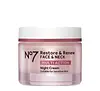 Key Ingredients
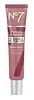
Benefits
Concerns
Ingredients Side-by-side
Water
Skin ConditioningGlycerin
Humectant


Butyrospermum Parkii Butter
Skin Conditioning


Cetearyl Alcohol
Emollient

Cyclopentasiloxane
Emollient
Steareth-21
CleansingCaprylic/Capric Triglyceride
Masking
C12-15 Alkyl Benzoate
AntimicrobialCyclohexasiloxane
Emollient
Steareth-2
EmulsifyingGlyceryl Stearate
Emollient
Polyacrylamide
Butylene Glycol
Humectant
Alcohol Denat.
Antimicrobial




C13-14 Isoparaffin
Emollient
Phenoxyethanol
Preservative
Parfum
Masking

Dipropylene Glycol
HumectantCaprylyl Glycol
Emollient
Pentylene Glycol
Skin Conditioning
Ascorbyl Glucoside
Antioxidant


Laureth-7
EmulsifyingPropylene Glycol
Humectant
Sodium Benzoate
Masking
Tocopheryl Acetate
Antioxidant
Hibiscus Abelmoschus Extract
MaskingEthylhexylglycerin
Skin ConditioningRetinyl Palmitate
Skin Conditioning

Hydrolyzed Hyaluronic Acid
Humectant

Hydrolyzed Rice Protein
Skin ConditioningTetrasodium EDTA
Sorbitan Laurate
Emulsifying
Polysorbate 20
Emulsifying
Panax Ginseng Root Extract
Emollient

Sodium Lauroyl Lactylate
EmulsifyingPhyllanthus Emblica Fruit Extract
HumectantCarbomer
Emulsion Stabilising3-Aminopropane Sulfonic Acid
Calcium Hydroxymethionine
Skin ConditioningHydroxyethylcellulose
Emulsion StabilisingDimethylmethoxy Chromanol
Antioxidant
Xanthan Gum
EmulsifyingAcetyl Dipeptide-1 Cetyl Ester
Skin Conditioning
Morus Alba Leaf Extract
Skin ConditioningCeramide NP
Skin Conditioning
Lindera Strychnifolia Root Extract
Skin ConditioningCeramide AP
Skin Conditioning
Phytosphingosine
Skin Conditioning
Cholesterol
Emollient
Tocopherol
Antioxidant
Palmitoyl Tripeptide-1
Skin Conditioning
Palmitoyl Tetrapeptide-7
Skin Conditioning
Ceramide EOP
Skin Conditioning
CI 14700
Cosmetic ColorantCI 15985
Cosmetic ColorantWater, Glycerin, Butyrospermum Parkii Butter, Cetearyl Alcohol, Cyclopentasiloxane, Steareth-21, Caprylic/Capric Triglyceride, C12-15 Alkyl Benzoate, Cyclohexasiloxane, Steareth-2, Glyceryl Stearate, Polyacrylamide, Butylene Glycol, Alcohol Denat., C13-14 Isoparaffin, Phenoxyethanol, Parfum, Dipropylene Glycol, Caprylyl Glycol, Pentylene Glycol, Ascorbyl Glucoside, Laureth-7, Propylene Glycol, Sodium Benzoate, Tocopheryl Acetate, Hibiscus Abelmoschus Extract, Ethylhexylglycerin, Retinyl Palmitate, Hydrolyzed Hyaluronic Acid, Hydrolyzed Rice Protein, Tetrasodium EDTA, Sorbitan Laurate, Polysorbate 20, Panax Ginseng Root Extract, Sodium Lauroyl Lactylate, Phyllanthus Emblica Fruit Extract, Carbomer, 3-Aminopropane Sulfonic Acid, Calcium Hydroxymethionine, Hydroxyethylcellulose, Dimethylmethoxy Chromanol, Xanthan Gum, Acetyl Dipeptide-1 Cetyl Ester, Morus Alba Leaf Extract, Ceramide NP, Lindera Strychnifolia Root Extract, Ceramide AP, Phytosphingosine, Cholesterol, Tocopherol, Palmitoyl Tripeptide-1, Palmitoyl Tetrapeptide-7, Ceramide EOP, CI 14700, CI 15985
Water
Skin ConditioningDimethicone
Emollient
Glycerin
Humectant
Butylene Glycol
Humectant
Aluminum Starch Octenylsuccinate
Absorbent
Isononyl Isononanoate
EmollientGluconolactone
Skin Conditioning


Dimethicone Crosspolymer
Emulsion Stabilising
Cetearyl Alcohol
Emollient
Ammonium Acryloyldimethyltaurate/Vp Copolymer
Phenoxyethanol
Preservative
3-O-Ethyl Ascorbic Acid
Skin Conditioning
Pentylene Glycol
Skin Conditioning
Polysorbate 20
Emulsifying
Potassium Hydroxide
BufferingXanthan Gum
EmulsifyingDimethiconol
Emollient
Hibiscus Abelmoschus Extract
MaskingParfum
Masking
Sodium Hyaluronate
Humectant
Retinyl Palmitate
Skin Conditioning
Caprylyl Glycol
Emollient
Propylene Glycol
Humectant
Sorbitan Laurate
Emulsifying
Tocopheryl Acetate
Antioxidant
Hydrolyzed Rice Protein
Skin ConditioningEthylhexylglycerin
Skin ConditioningCarbomer
Emulsion StabilisingSodium Lauroyl Lactylate
Emulsifying3-Aminopropane Sulfonic Acid
Calcium Hydroxymethionine
Skin ConditioningPhyllanthus Emblica Fruit Extract
HumectantDipropylene Glycol
HumectantHydroxyethylcellulose
Emulsion StabilisingTetrasodium EDTA
T-Butyl Alcohol
Perfuming
Panax Ginseng Root Extract
Emollient
Sophora Angustifolia Root Extract
Skin ConditioningHydroxypropyl Cyclodextrin
MaskingAcetyl Dipeptide-1 Cetyl Ester
Skin Conditioning
Ceramide NP
Skin Conditioning
Morus Alba Leaf Extract
Skin ConditioningSodium Benzoate
Masking
Ceramide AP
Skin Conditioning
Phytosphingosine
Skin Conditioning
Cholesterol
Emollient
Tocopherol
Antioxidant
Palmitoyl Tripeptide-1
Skin Conditioning
Palmitoyl Tetrapeptide-7
Skin Conditioning
Ceramide EOP
Skin Conditioning
Water, Dimethicone, Glycerin, Butylene Glycol, Aluminum Starch Octenylsuccinate, Isononyl Isononanoate, Gluconolactone, Dimethicone Crosspolymer, Cetearyl Alcohol, Ammonium Acryloyldimethyltaurate/Vp Copolymer, Phenoxyethanol, 3-O-Ethyl Ascorbic Acid, Pentylene Glycol, Polysorbate 20, Potassium Hydroxide, Xanthan Gum, Dimethiconol, Hibiscus Abelmoschus Extract, Parfum, Sodium Hyaluronate, Retinyl Palmitate, Caprylyl Glycol, Propylene Glycol, Sorbitan Laurate, Tocopheryl Acetate, Hydrolyzed Rice Protein, Ethylhexylglycerin, Carbomer, Sodium Lauroyl Lactylate, 3-Aminopropane Sulfonic Acid, Calcium Hydroxymethionine, Phyllanthus Emblica Fruit Extract, Dipropylene Glycol, Hydroxyethylcellulose, Tetrasodium EDTA, T-Butyl Alcohol, Panax Ginseng Root Extract, Sophora Angustifolia Root Extract, Hydroxypropyl Cyclodextrin, Acetyl Dipeptide-1 Cetyl Ester, Ceramide NP, Morus Alba Leaf Extract, Sodium Benzoate, Ceramide AP, Phytosphingosine, Cholesterol, Tocopherol, Palmitoyl Tripeptide-1, Palmitoyl Tetrapeptide-7, Ceramide EOP
Ingredients Explained
These ingredients are found in both products.
Ingredients higher up in an ingredient list are typically present in a larger amount.
We don't have a description for 3-Aminopropane Sulfonic Acid yet.
Acetyl Dipeptide-1 Cetyl Ester is a peptide composed of amino acids arginine and tyrosine.
This peptide is considered a neurotransmitter peptide, meaning it has pain-relieving and relaxing properties. It has the ability to calm skin irritation from external factors such as chemical stinging or heat.
Neurotransmitter peptides are also often called "botox in a bottle". This is because these peptides have the ability to relax the muscles.
Though relaxing the muscles can prevent expression lines (as we have seen in botox), the studies do not show these peptides to be a botox replacement. The effects of this muscle relaxation is also short-term, as opposed to longer-term results from botox.
Learn more about Acetyl Dipeptide-1 Cetyl EsterButylene Glycol (or BG) is used within cosmetic products for a few different reasons:
Overall, Butylene Glycol is a safe and well-rounded ingredient that works well with other ingredients.
Though this ingredient works well with most skin types, some people with sensitive skin may experience a reaction such as allergic rashes, closed comedones, or itchiness.
Learn more about Butylene GlycolWe don't have a description for Calcium Hydroxymethionine yet.
Caprylyl Glycol is a humectant, skin conditioner, emollient, and preservative booster derived from either caprylic acid or synthetically created.
Typical use levels vary from 0.3-1% as a preservative booster and go up to 2% to condition skin.
Because it is not a free-fatty acid or alcohol, this ingredient is fungal acne safe (there's nothing for Malassezia to feed on).
Learn more about Caprylyl GlycolCarbomer is a high-molecular weight polymer of acrylic acid. It is used to form gels and thicken formulas.
Due to its large molecular size, carbomer has minimal skin penetration and is considered an inert ingredient.
A high amount of carbomer can cause pilling or balling up of products. Don't worry, most products contain 1% or less of carbomer.
Learn more about CarbomerCeramide AP is is a skin-identical lipid that mimics what your skin already makes naturally. Ceramides help maintain epidermal integrity and barrier function.
You'll often see this ingredient paired with other ceramides (like ceramide NP), cholesterol, or fatty acids because this combination best mimics the natural lipid mix your skin already has.
The skin's ability to produce ceramides gets disrupted in skin conditions like eczema. This in turn weakens the skin barrier and applying ceramides topically has been shown to replenish what's been lost to restore barrier function.
Most of the studies with Ceramide AP test it as part of a multi-ceramide complex; studies reinforce ceramide AP's role in rebalancing ceramides in skin and improving skin hydration.
Learn more about Ceramide APCeramide EOP is formally known as Ceramide 1.
It is naturally found in skin and part of the intercellular "mortar" holding everything together in your outermost layer.
EOP stands for a linked Ester fatty acid, a linked Omega hydroxy fatty acid, and the Phytosphingosine base.
What makes Ceramide EOP special is its ultra-long fatty acid chain; this unique structure allows it to bridge the lipid layers in your skin barrier to prevent water loss (something no other ceramide can do).
Low levels of Ceramide EOP have been found in people with eczema and psoriasis.
Using it together with other ceramides, cholesterol, and linoleic acid have been shown to meaningfully improve hydration and reduce water loss.
In one clinical study, a regimen using Ceramide EOP, NP, and AP led to significant symptom improvements in patients with eczema, psoriasis, and dry skin in just 4 weeks.
You'll usually see concentrations between 0.1-0.5% in formulations. Overall, this is a well-tolerated and safe ingredient for cosmetic use.
Learn more about Ceramide EOPCeramide NP (formerly known as Ceramide 3) is one of the skin's naturally occurring lipids.
Since ceramides are the major lipid components of the skin, they are crucial for maintaining skin barrier and hydration. Ceramide NP most closely mirrors the dominant kind in human skin amongst ceramide subtypes.
This ceramide works by slotting into gaps within the stratum corneum's lipid matrix to limit trans-epidermal water loss (TEWL) and shield the skin against external irritants.
A study with 312 patients found that using a ceramide-containing routine for 4 weeks reduced the severity of atopic dermatitis by over 61%.
Another clinical study in subjects aged 60 and older found that a ceramide body wash and moisturizer improved skin dryness and itchy skin in 15 days.
Overall, ceramides are considered non-irritating and safety tests have found little to no observable adverse effects from using this ingredient.
Ceramide NP is usually sourced from plants (like soybean or rice bran), or produced synthetically.
Learn more about Ceramide NPCetearyl alcohol is a waxy mixture of two fatty alcohols: cetyl alcohol and stearyl alcohol. It is an emollient and emulsifier.
Despite having "alcohol" in its name, it has nothing to do with drying solvent alcohols; the FDA also allows "alcohol-free" products to contain fatty alcohols like this ingredient.
It plays several roles in a formula:
Typical use levels for this ingredient sit around 1-10% and the Cosmetic Ingredient Review Expert Panel has affirmed safety at concentrations up to 25% in leave-on products.
Multiple assessments have found it to be non-irritating and non-sensitizing to most people.
However, there have been some cases of allergic contact dermatitis in patients with chronically compromised skin barriers.
Cetearyl alcohol has a comedogenic rating of 2 and irritancy rating of 1. Both of these numbers come from the 1989 study that used rabbit ears; a "2" means mildly comedogenic and a "1" means low irritancy.
Here's the catch: rabbit skin is more sensitive than human skin and throws a lot of false positives. A 1996 reappraisal found that ingredients rated 1-2 in the rabbit ear tests are generally safe for humans.
Remember comedogenic ratings are unable to assess the entire formula of a product or how it will react on your skin. Just be sure to patch test if you are unsure about certain ingredients.
This ingredient is not fungal acne safe. Cetearyl alcohol is a fatty alcohol with chain lengths that fall within the range that Malassezia can metabolize.
Learn more about Cetearyl AlcoholCholesterol is a lipid that is naturally found in human skin and is one of the three key components of your skin barrier. In skincare, it is an emollient and barrier-repairing ingredient.
It works by fitting directly into the lipid layers of skin to help restore structure and reduce transepidermal water loss (TEWL).
This is a great ingredient for dry, compromised, or aging skin; our skin starts to produce less cholesterol with age.
Research shows cholesterol works best in combination with ceramides and fatty acids, the other two major components in your skin barrier.
Cholesterol is also a well-establish penetration enhancer and can help other actives absorb more effectively.
Cosmetic-grade cholesterol is usually derived from lanolin but plant and synthetic options also exist. We recommend reaching out to the brand if you have questions about their source of cholesterol.
Learn more about CholesterolDipropylene Glycol is a synthetically created humectant, stabilizer, and solvent.
This ingredient helps:
Dipropylene glycol is technically an alcohol, but it belongs to the glycol family (often considered part of the ‘good’ alcohols). This means it is hydrating and gentle on skin unlike drying solvent alcohols like denatured alcohol.
As a masking agent, Dipropylene Glycol can be used to cover the smell of other ingredients. However, it does not have a scent.
Studies show Dipropylene Glycol is considered safe to use in skincare.
Learn more about Dipropylene GlycolEthylhexylglycerin is created from glycerin. It is a multitasker ingredient that:
The CIR Expert Panel found minimal skin absorption or sensitization of any kind in a safety assessment. Though this ingredient is considered well-tolerated, a small number of cases of allergic dermatitis have been published since 2002. Just be sure to patch test if you are unsure.
Industry-reported use ranges from 8% in rinse-off products and 2% in leave-on formulations.
Learn more about EthylhexylglycerinGlycerin (or glycerol) is a compound naturally found in your skin. It's a powerhouse humectant that pulls water into the stratum corneum.
Topically, glycerin does several things at once:
Your skin makes glycerin on its own (mostly from sebaceous oil breakdown) and shuttles it to your outermost layer of skin, or your epidermis, via aquaporin-3.
Aquaporin-3 is a transporter that is essential for normal skin hydration, elasticity, and repair. Interestingly, mice lacking in AQP3 have dry and less elastic skin that can be fully corrected with glycerin.
This ingredient is non-irritating, plays well with almost every ingredient, and works across all skin types. Typical use is anywhere between 3-10% but can go up to 79% in some leave-on products.
Just know very high concentrations (>40%) can feel tacky in low humidity.
Glycerin is the name for this ingredient in American English. British English uses Glycerol/Glycerine.
Learn more about GlycerinThis ingredient is used to mask or cover unpleasant scents.
Hydrolyzed Rice Protein is protein extracted from rice. This ingredient is rich in antioxidants and peptides.
Studies show this ingredient may help with blocking the melanin creation process when skin is exposed to UV.
Hydroxyethylcellulose is used to improve the texture of products. It is created from a chemical reaction involving ethylene oxide and alkali-cellulose. Cellulose is a sugar found in plant cell walls and help give plants structure.
This ingredient helps stabilize products by preventing ingredients from separating. It can also help thicken the texture of a product.
This ingredient can also be found in pill medicines to help our bodies digest other ingredients.
Learn more about HydroxyethylcelluloseWe don't have a description for Morus Alba Leaf Extract yet.
Palmitoyl Tetrapeptide-7 (formerly Palmitoyl Tetrapeptide-3) is a lab-made peptide with anti-inflammatory and skin-repairing benefits. It's made up of four amino acids (glycine, glutamine, proline, and arginine) and palmitic acid (which helps it penetrate skin more effectively).
This ingredient helps reduce inflammation by limiting the production of interleukin-6 (IL-6), a chemical that triggers inflammatory responses, particularly after UV exposure.
Less inflammation = slower collagen breakdown and a longer-lasting, youthful appearance.
Palmitoyl Tetrapeptide-7 also stimulates collagen production and supports a healthier skin barrier.
Over time, this can improve skin firmness, hydration, and reduce the appearance of fine lines. It’s commonly paired with Palmitoyl Tripeptide-1 in the well-known Matrixyl 3000 complex for enhanced anti-aging effects.
This ingredient has been shown to be effective and safe in cosmetic use and you'll typically find it in small amounts (less than 0.01%).
Due to its palmitic acid base, it may not be safe for Malassezia folliculitis.
Read more about other common types of peptides here:
Learn more about Palmitoyl Tetrapeptide-7Palmitoyl Tripeptide-1 is also known as pal-GHK. It is made up of 3 amino acids and palmitic acid, a fatty acid that helps it absorb into skin more easily.
This peptide is as a signal peptide, meaning it tells the skin to produce more collagen. Collagen is the key protein that helps form the skin's structure and keep it plump, firm, and hydrated.
By boosting collagen production, this ingredient supports a stronger skin barrier and helps reduce the appearance of wrinkles.
You'll most likely see this ingredient paired with Palmitoyl Tetrapeptide-7 in the well-known Matrixyl 3000 complex. While results from in-house testing should be viewed cautiously, this peptide duo is among the most studied and widely used in modern skincare.
Due to its palmitic acid base, this ingredient may not be safe for Malassezia folliculitis.
Read more about other common types of peptides here:
Learn more about Palmitoyl Tripeptide-1Ginseng root is a well-loved ingredient in Asian skincare for good reason. It hydrates the skin, soothes irritation, and helps even out skin tone.
In traditional East Asian medicine, ginseng has been used for centuries both as food and as a healing remedy, and modern research continues to confirm its skin benefits.
One of the standout features of ginseng is its ability to improve blood circulation and oxygen delivery to the skin, bringing a fresh supply of nutrients to support overall skin health. It also has antioxidant and anti-inflammatory properties. This helps to protect your skin against damage from UV exposure, pollution, and daily stress.
Additionally, studies suggest that ginseng may help reduce hyperpigmentation by inhibiting tyrosinase, the enzyme involved in melanin production.
There are different types of ginseng used in skincare, and while they all share core benefits, their potency can vary.
Most products use fresh or white ginseng because it’s more affordable. However, red ginseng, produced by steaming the root, contains higher levels of ginsenosides, which are compounds with proven anti-aging effects. These ginsenosides help reduce the appearance of wrinkles and improve skin elasticity.
Note: All forms of ginseng are listed simply as “Panax ginseng” in ingredient lists. We recommend reaching out to the brand if you have questions about which type of ginseng is used in their ingredients.
For general antioxidant benefits, any ginseng extract will do, but for wrinkle care or firmer skin, red or fermented ginseng is often more effective.
In short, ginseng is a powerhouse ingredient that supports hydration, radiance, and resilience.
Learn more about Panax Ginseng Root ExtractParfum is a catch-all term for an ingredient or more that is used to give a scent to products.
Also called "fragrance", this ingredient can be a blend of hundreds of chemicals or plant oils. This means every product with "fragrance" or "parfum" in the ingredients list is a different mixture.
For instance, Habanolide is a proprietary trade name for a specific aroma chemical. When used as a fragrance ingredient in cosmetics, most aroma chemicals fall under the broad labeling category of “FRAGRANCE” or “PARFUM” according to EU and US regulations.
The term 'parfum' or 'fragrance' is not regulated in many countries. In many cases, it is up to the brand to define this term.
For instance, many brands choose to label themselves as "fragrance-free" because they are not using synthetic fragrances. However, their products may still contain ingredients such as essential oils that are considered a fragrance by INCI standards.
One example is Calendula flower extract. Calendula is an essential oil that still imparts a scent or 'fragrance'.
Depending on the blend, the ingredients in the mixture can cause allergies and sensitivities on the skin. Some ingredients that are known EU allergens include linalool and citronellol.
Parfum can also be used to mask or cover an unpleasant scent.
The bottom line is: not all fragrances/parfum/ingredients are created equally. If you are worried about fragrances, we recommend taking a closer look at an ingredient. And of course, we always recommend speaking with a professional.
Learn more about ParfumPentylene glycol is typically used within a product to thicken it. It also adds a smooth, soft, and moisturizing feel to the product. It is naturally found in plants such as sugar beets.
The hydrophilic trait of Pentylene Glycol makes it a humectant. As a humectant, Pentylene Glycol helps draw moisture from the air to your skin. This can help keep your skin hydrated.
This property also makes Pentylene Glycol a great texture enhancer. It can also help thicken or stabilize a product.
Pentylene Glycol also acts as a mild preservative and helps to keep a product microbe-free.
Some people may experience mild eye and skin irritation from Pentylene Glycol. We always recommend speaking with a professional about using this ingredient in your routine.
Pentylene Glycol has a low molecular weight and is part of the 1,2-glycol family.
Learn more about Pentylene GlycolPhenoxyethanol is a preservative that has germicide, antimicrobial, and aromatic properties. Studies show that phenoxyethanol can prevent microbial growth. By itself, it has a scent that is similar to that of a rose.
It's often used in formulations along with Caprylyl Glycol to preserve the shelf life of products.
This ingredient is also known as Indian Gooseberry or Amla Berry. It is skin hydrating and antioxidant rich.
Indian gooseberry is rich in antioxidants such as polyphenols, tannins, and vitamin C compounds.
Phytosphingosine is a phospholipid naturally found in our skin as a building block for ceramides.. It helps moisturize, soothe, and protect skin.
Phytosphingosine contributes to your skin's natural moisturizing factor (NMF). The NMF is responsible for hydration, a strong barrier, and plasticity. Our NMF decreases with age. Increasing NMF leads to more healthy and hydrated skin.
Studies show products formulated with NMF ingredients help strengthen our skin's barrier. Having a healthy skin barrier reduces irritation and increases hydration. Our skin barrier is responsible for having plump and firm skin. It also helps protect our skin against infection, allergies, and inflammation.
Fun fact: Phytosphingosine is abundant in plants and fungi.
More ingredients that help boost collagen in skin:
Learn more about PhytosphingosinePolysorbate 20 is a gentle, water-soluble emulsifier and mild surfactant. It stops oil and water from separating to keep your formulas blended and stable.
It also acts as a mild penetration enhancer by helping active ingredients absorb slightly better.
The common safety discussion around this ingredient involves a manufacturing byproduct called 1,4-dioxane.
Trace amounts can form during production but the EU's Scientific Committee on Consumer Safety has concluded that levels at/below 10 ppm in finished products are safe (commercial products consistently fall within acceptable margins).
True allergic reactions are uncommon and the CIR Expert Panel has confirmed this ingredient to be safe as used in cosmetics.
Because it is derived from lauric acid, it may not be fungal acne safe.
Learn more about Polysorbate 20Propylene Glycol is a synthetic, colorless, odorless liquid that has been a staple in cosmetics for decades. It is a skin conditioning agent, humectant, and solvent.
As a humectant, it draw water to the skin to reduce flaking and restore suppleness. It's also a solvent that helps dissolve other actives and keeps formulas stable across temperature changes.
The CIR Expert Panel has confirmed this ingredient to be nontoxic and clinical studies show no sensitization at cosmetic use concentrations.
True allergic reactions are quite rare: a 15-year retrospective study of 6,751 patients found only 0.31% had a positive reaction (and less than half were considered clinically relevant).
It seemed that when sensitization does occur, it's most commonly linked to topical medication (like corticosteroids) and not cosmetics. Allergic contact dermatitis also appears largely limited to individuals with underlying skin conditions.
Overall, propylene glycol is a well-studied ingredient that most people can tolerate without issue.
Learn more about Propylene GlycolRetinyl palmitate is a form of retinoid. Retinoids are the superstar class of anti-aging ingredients that include tretinoin and retinol.
This particular ingredient has had a bumpy year with its rise and fall in popularity.
First, Retinyl palmitate is created from palmitic acid and retinol. It is a retinol ester and considered one of the weaker forms of retinoid.
This is because all retinoids have to be converted to Tretinoin, AKA retinoic acid. Retinyl Palmitate is pretty far down the line and has to go through multiple conversions before its effects are seen.
Due to this long and ineffective conversion line, the benefits of Retinyl Palmitate are debated.
Studies show Retinyl Palmitate to help:
Dermatologists say this ingredient is ineffective because it isn't used in high enough concentrations in cosmetics.
This ingredient used to be found in sunscreens to boost the efficacy of sunscreen filters.
The downfall of Retinyl Palmitate was due to released reports about the ingredient being correlated to sun damage and skin tumors.
While there is a study showing this ingredient to cause DNA damage when exposed to UV-A, there is no concrete proof of it being linked to skin cancer. It is safe to use when used correctly.
All retinoids increase your skin's sensitivity to the sun in the first few months of usage. Be especially careful with reapplying sunscreen when using any form of retinoid.
Currently, this ingredient is still allowed in cosmetics all over the world. In Canada, cosmetics must have a warning label stating the product to contain Retinyl Palmitate
Fun fact: This ingredient is often added to low-fat milk to increase the levels of Vitamin A.
Learn more about Retinyl PalmitateSodium Benzoate is a preservative. It's used in both cosmetic and food products to inhibit the growth of mold and bacteria. It is typically produced synthetically.
Both the US FDA and EU Health Committee have approved the use of sodium benzoate. In the US, levels of 0.1% (of the total product) are allowed.
Sodium benzoate works as a preservative by inhibiting the growth of bacteria inside of cells. It prevents the cell from fermenting a type of sugar using an enzyme called phosphofructokinase.
It is the salt of benzoic acid. Foods containing sodium benzoate include soda, salad dressings, condiments, fruit juices, wines, and snack foods.
Studies for using ascorbic acid and sodium benzoate in cosmetics are lacking, especially in skincare routines with multiple steps.
We always recommend speaking with a professional, such as a dermatologist, if you have any concerns.
Learn more about Sodium BenzoateSodium Lauroyl Lactylate is the lauric acid sodium salt of lactyl lactate.
Sodium Lauroyl Lactylate is an emulsifier and surfactant.
Emulsifiers help stabilize a product. They do this by preventing ingredients from separating, such as oils and water which do not mix naturally. Surfactants reduce surface tension, making it easier to rinse pollutants off skin.
Due to its relation to lauric acid, it may provide antimicrobial benefits.
Learn more about Sodium Lauroyl LactylateSorbitan Laurate is created from lauric acid and derivatives from sorbitol. It is an emulsifier.
Tetrasodium EDTA is the salt formed from neutralizing ethylenediamine tetraacetic acid with sodium hydroxide. It is a chelating agent and used to prevent metal ions from binding to other ingredients. This helps keep the product and ingredients stable.
Tetrasodium EDTA comes as a white solid and is soluble in water.
Tocopherol is a fat-soluble antioxidant known as Vitamin E.
You'll find this ingredient in the vast majority of skincare (for good reason). It works to neutralize free radicals, or unstable molecules generated by UV exposure, pollution, and other environmental stressors, before they can cause oxidative damage to your skin cells.
Topically applied tocopherol has been shown to protect against UV damage by ramping up the skin's own natural defense enzymes.
It also acts as a skin conditioning agent; some studies show that regular topical use can improve the skin's water-binding capacity over 2-4 weeks.
This ingredient is especially loved for being a team player. When combined with Vitamin C, the photoprotective effect of both ingredients roughly doubles and the combo also helps reduce UV-induced DNA damage.
This ingredient has some brightening potential but it's more of a prevention ingredient than spot-fader. Cell studies show it can slow down melanin production but it's worth noting that it's not the most powerful brightener out there.
In formulations, it also serves as a stabilizer that helps protect other oxidation-prone ingredients from degrading.
Concentrations usually range from 0.1-1% in most leave-on products.
Learn more about TocopherolTocopheryl Acetate is AKA Vitamin E. It is an antioxidant and protects your skin from free radicals. Free radicals damage the skin by breaking down collagen.
One study found using Tocopheryl Acetate with Vitamin C decreased the number of sunburned cells.
Tocopheryl Acetate is commonly found in both skincare and dietary supplements.
Learn more about Tocopheryl AcetateWater. It's the most common cosmetic ingredient of all. You'll usually see it at the top of ingredient lists, meaning that it makes up the largest part of the product.
So why is it so popular? Water most often acts as a solvent - this means that it helps dissolve other ingredients into the formulation.
You'll also recognize water as that liquid we all need to stay alive. If you see this, drink a glass of water. Remember to stay hydrated!
Learn more about WaterXanthan gum is used as a stabilizer and thickener within cosmetic products. It helps give products a sticky, thick feeling - preventing them from being too runny.
On the technical side of things, xanthan gum is a polysaccharide - a combination consisting of multiple sugar molecules bonded together.
Xanthan gum is a pretty common and great ingredient. It is a natural, non-toxic, non-irritating ingredient that is also commonly used in food products.
Learn more about Xanthan Gum
