Neogen Day-Light Protection Airy Sunscreen SPF 50 Versus Neogen Dermalogy Double Vita Watery Sun Serum SPF 50+ PA++++
This chemical sunscreen covers most of the UV range, lighter on the deep UVA that drives aging.
This chemical sunscreen covers the full UV range and blocks ~98% of UVB at SPF 50.

What's inside
What's inside
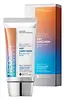 Key Ingredients
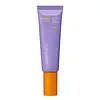
Benefits
Concerns
Ingredients Side-by-side
Water
Skin ConditioningOctocrylene
UV Absorber



Homosalate
Skin Conditioning
Isododecane
EmollientDipropylene Glycol
HumectantSilica
Abrasive


Butyl Methoxydibenzoylmethane
UV Absorber
1,2-Hexanediol
Skin Conditioning
Octyldodeceth-16
EmulsifyingAcrylates/C10-30 Alkyl Acrylate Crosspolymer
Emulsion StabilisingTromethamine
BufferingEthylhexylglycerin
Skin ConditioningTocopheryl Acetate
Antioxidant


Coptis Japonica Extract
AntimicrobialButylene Glycol
Humectant
Xanthan Gum
EmulsifyingCitrus Aurantium Dulcis Peel Oil
Masking

Litsea Cubeba Fruit Oil
Masking

Citrus Aurantium Bergamia Fruit Oil
Masking
Pelargonium Graveolens Flower Oil
Masking
Lavandula Angustifolia Oil
Masking
Melaleuca Alternifolia Leaf Oil
Antioxidant
Citrus Aurantifolia Oil
Cleansing
Eugenia Caryophyllus Leaf Oil
Masking
Cinnamomum Camphora Bark Oil
Masking
Maltodextrin
Absorbent
Persea Gratissima Fruit Extract
EmollientOenothera Biennis Flower Extract
AstringentPinus Palustris Leaf Extract
TonicUlmus Davidiana Root Extract
Skin Conditioning
Pueraria Lobata Root Extract
HumectantCitrus Limon Fruit Extract
Masking
Glycerin
Humectant
Rosa Damascena Extract
MaskingLippia Citriodora Leaf Extract
Astringent
Adansonia Digitata Leaf Extract
Skin ConditioningRubus Idaeus Fruit Extract
AstringentPortulaca Oleracea Extract
Skin Conditioning
Vaccinium Angustifolium Fruit Extract
Skin Protecting
Achillea Millefolium Extract
CleansingArnica Montana Flower Extract
Masking
Aloe Barbadensis Leaf Extract
Emollient
Artemisia Capillaris Extract
Euterpe Oleracea Fruit Extract
Phellinus Linteus Extract
Skin ConditioningSodium Hyaluronate
Humectant

Hibiscus Sabdariffa Flower Extract
Skin ConditioningBeta-Glucan
Skin Conditioning
Water, Octocrylene, Homosalate, Isododecane, Dipropylene Glycol, Silica, Butyl Methoxydibenzoylmethane, 1,2-Hexanediol, Octyldodeceth-16, Acrylates/C10-30 Alkyl Acrylate Crosspolymer, Tromethamine, Ethylhexylglycerin, Tocopheryl Acetate, Coptis Japonica Extract, Butylene Glycol, Xanthan Gum, Citrus Aurantium Dulcis Peel Oil, Litsea Cubeba Fruit Oil, Citrus Aurantium Bergamia Fruit Oil, Pelargonium Graveolens Flower Oil, Lavandula Angustifolia Oil, Melaleuca Alternifolia Leaf Oil, Citrus Aurantifolia Oil, Eugenia Caryophyllus Leaf Oil, Cinnamomum Camphora Bark Oil, Maltodextrin, Persea Gratissima Fruit Extract, Oenothera Biennis Flower Extract, Pinus Palustris Leaf Extract, Ulmus Davidiana Root Extract, Pueraria Lobata Root Extract, Citrus Limon Fruit Extract, Glycerin, Rosa Damascena Extract, Lippia Citriodora Leaf Extract, Adansonia Digitata Leaf Extract, Rubus Idaeus Fruit Extract, Portulaca Oleracea Extract, Vaccinium Angustifolium Fruit Extract, Achillea Millefolium Extract, Arnica Montana Flower Extract, Aloe Barbadensis Leaf Extract, Artemisia Capillaris Extract, Euterpe Oleracea Fruit Extract, Phellinus Linteus Extract, Sodium Hyaluronate, Hibiscus Sabdariffa Flower Extract, Beta-Glucan
Water
Skin ConditioningDibutyl Adipate
EmollientDiethylamino Hydroxybenzoyl Hexyl Benzoate
UV Filter
Propanediol
Solvent
Ethylhexyl Triazone
UV Absorber
Bis-Ethylhexyloxyphenol Methoxyphenyl Triazine
UV Absorber
Niacinamide
Smoothing


1,2-Hexanediol
Skin Conditioning
Parfum
Masking
Glycerin
Humectant
Dibutyl Lauroyl Glutamide
Skin ConditioningSodium Polyacryloyldimethyl Taurate
Emulsion StabilisingAmmonium Acryloyldimethyltaurate/Vp Copolymer
Dibutyl Ethylhexanoyl Glutamide
Skin ConditioningC30-45 Alkyldimethylsilyl Polypropylsilsesquioxane

Ethylhexylglycerin
Skin ConditioningAdenosine
Skin Conditioning
Hydrogenated Lecithin
Emulsifying
Polyglyceryl-10 Laurate
Skin Conditioning
Panthenol
Skin Conditioning
Allantoin
Skin Conditioning
Tocopheryl Acetate
Antioxidant
Caprylic/Capric Triglyceride
Masking
Butylene Glycol
Humectant
Tocopherol
Antioxidant
Sorbitan Sesquioleate
Emulsifying
Citric Acid
Buffering
Ascorbyl Tetraisopalmitate
Antioxidant
Carbomer
Emulsion StabilisingGlycolic Acid
Buffering
Sodium Ascorbyl Phosphate
Antioxidant
Sodium Hyaluronate
Humectant
Glutathione
Citrus Aurantifolia Fruit Extract
Skin ConditioningCentella Asiatica Extract
Cleansing
Aloe Barbadensis Leaf Extract
Emollient
Arbutin
Antioxidant
Citrus Junos Fruit Extract
Skin ConditioningPhytosteryl/Octyldodecyl Lauroyl Glutamate
Skin ConditioningHydroxydecyl Ubiquinone
Antioxidant
Tranexamic Acid
Astringent
Inulin Lauryl Carbamate
Emulsion StabilisingCeramide NP
Skin Conditioning
Ascorbic Acid
Antioxidant
Biotin
AntiseborrhoeicPyridoxine
Skin ConditioningFolic Acid
Skin ConditioningCyanocobalamin
Skin ConditioningMelaleuca Alternifolia Leaf Extract
Perfuming
Riboflavin
Cosmetic ColorantThiamine Hcl
MaskingLinoleic Acid
Cleansing
Beta-Carotene
Skin ConditioningWater, Dibutyl Adipate, Diethylamino Hydroxybenzoyl Hexyl Benzoate, Propanediol, Ethylhexyl Triazone, Bis-Ethylhexyloxyphenol Methoxyphenyl Triazine, Niacinamide, 1,2-Hexanediol, Parfum, Glycerin, Dibutyl Lauroyl Glutamide, Sodium Polyacryloyldimethyl Taurate, Ammonium Acryloyldimethyltaurate/Vp Copolymer, Dibutyl Ethylhexanoyl Glutamide, C30-45 Alkyldimethylsilyl Polypropylsilsesquioxane, Ethylhexylglycerin, Adenosine, Hydrogenated Lecithin, Polyglyceryl-10 Laurate, Panthenol, Allantoin, Tocopheryl Acetate, Caprylic/Capric Triglyceride, Butylene Glycol, Tocopherol, Sorbitan Sesquioleate, Citric Acid, Ascorbyl Tetraisopalmitate, Carbomer, Glycolic Acid, Sodium Ascorbyl Phosphate, Sodium Hyaluronate, Glutathione, Citrus Aurantifolia Fruit Extract, Centella Asiatica Extract, Aloe Barbadensis Leaf Extract, Arbutin, Citrus Junos Fruit Extract, Phytosteryl/Octyldodecyl Lauroyl Glutamate, Hydroxydecyl Ubiquinone, Tranexamic Acid, Inulin Lauryl Carbamate, Ceramide NP, Ascorbic Acid, Biotin, Pyridoxine, Folic Acid, Cyanocobalamin, Melaleuca Alternifolia Leaf Extract, Riboflavin, Thiamine Hcl, Linoleic Acid, Beta-Carotene
Reviews
Ingredients Explained
These ingredients are found in both products.
Ingredients higher up in an ingredient list are typically present in a larger amount.
1,2-Hexanediol is a synthetic liquid and another multi-functional powerhouse.
It is a:
- Humectant, drawing moisture into the skin
- Emollient, helping to soften skin
- Solvent, dispersing and stabilizing formulas
- Preservative booster, enhancing the antimicrobial activity of other preservatives
Aloe Barbadensis Leaf Extract is a botanical extract pulled from the leaves of aloe vera and one of the most studied plant ingredients in cosmetics.
The inner leaf gel it comes from is mostly water (~99-99.5%) and the remaining fraction is made up of pretty good stuff: polysaccharides, vitamins, phenolics, and enzymes.
Its headline job is hydration.
The star polysaccharide in aloe, acemannan, is a humectant that retains moisture and helps reduce trans-epidermal water loss.
Aloe also has real soothing credentials; it contains anti-inflammatory compounds like bradykinase and C-glucosyl chromone that help calm irritation and redness.
On the repair side, lab work shows that acemannan wakes up your skin's repair cells (fibroblasts), prompting them to multiply and speed up healing.
There's some human data for cosmetic benefit too: a cream containing 10% Aloe Barbadensis leaf extract improved skin hydration and elasticity in a real-use study.
Safety-wise, this ingredient is well-regarded with just one rare downside; there have been some case reports of acute eczema, contact urticaria, and dermatitis in people who applied aloe-derived ingredients topically. Those with a known aloe or Liliaceae sensitivity should patch test.
Typical use levels range widely, from under 1% up to 90%+ depending on the format and the effect you are after.
Learn more about Aloe Barbadensis Leaf ExtractButylene Glycol (or BG) is used within cosmetic products for a few different reasons:
Overall, Butylene Glycol is a safe and well-rounded ingredient that works well with other ingredients.
Though this ingredient works well with most skin types, some people with sensitive skin may experience a reaction such as allergic rashes, closed comedones, or itchiness.
Learn more about Butylene GlycolEthylhexylglycerin is created from glycerin. It is a multitasker ingredient that:
The CIR Expert Panel found minimal skin absorption or sensitization of any kind in a safety assessment. Though this ingredient is considered well-tolerated, a small number of cases of allergic dermatitis have been published since 2002. Just be sure to patch test if you are unsure.
Industry-reported use ranges from 8% in rinse-off products and 2% in leave-on formulations.
Learn more about EthylhexylglycerinGlycerin (or glycerol) is a compound naturally found in your skin. It's a powerhouse humectant that pulls water into the stratum corneum.
Topically, glycerin does several things at once:
Your skin makes glycerin on its own (mostly from sebaceous oil breakdown) and shuttles it to your outermost layer of skin, or your epidermis, via aquaporin-3.
Aquaporin-3 is a transporter that is essential for normal skin hydration, elasticity, and repair. Interestingly, mice lacking in AQP3 have dry and less elastic skin that can be fully corrected with glycerin.
This ingredient is non-irritating, plays well with almost every ingredient, and works across all skin types. Typical use is anywhere between 3-10% but can go up to 79% in some leave-on products.
Just know very high concentrations (>40%) can feel tacky in low humidity.
Glycerin is the name for this ingredient in American English. British English uses Glycerol/Glycerine.
Learn more about GlycerinSodium Hyaluronate is the salt form of hyaluronic acid. It is a long sugar chain that is naturally found in your skin, joints, and connective tissue that maintains hydration and elasticity.
In skincare, it works as a humectant. It pulls water from the environment and deeper layers of skin and binds it to the surface.
Interestingly, the size of the molecule affects its behavior:
Some clinical evidence links low molecular weight versions to improved wrinkle depth, elasticity, anti-inflammatory effects, and barrier repair.
Many serums use a blend of both weights so you can get surface hydration plus longer-lasting and deeper effects.
You'll typically see concentrations between 0.1-2% for this ingredient.
Learn more about Sodium HyaluronateTocopheryl Acetate is a stable, shelf-friendly form of vitamin E.
Formulators love it because plain vitamin E oxidizes quickly once it hits air. This acetate version stays stable and resists going off, helping to extend a product's shelf life.
It's actually inactive on its own and works like a slow-release "storage" form; the enzymes in your skin called esterases gradually convert it into active vitamin E over time.
One in vivo study showed 5% of the acetate in the living layer of the epidermis converted to vitamin E after 5 days of application. This study also found the skin gained protection against UV damage even though the conversion was slow and small.
Once converted, vitamin E acts as a skin's main fat-soluble antioxidant that fights free radicals to protect skin from damage.
Topical vitamin E generally boosts the skin's photoprotection, and it reduced UV-damage in animal models.
This ingredient has some brightening potential but it's more of a prevention ingredient than spot-fader. Cell studies show it can slow down melanin production but it's worth noting that it's not the most powerful brightener out there.
Overall, it has a pretty solid safety profile and has been found to be non-irritating and non-comedogenic. Allergic reactions may happen but stay rare due to how widely the ingredient gets used.
The concentration will vary depending on the formula; industry data shows 0.1% in baby lotions, 3% in lipsticks, and 5% in foot powders. You can also find this ingredient at 100% in a pure vitamin E oil.
Most leave-on skincare keeps it at the lower end, often between 0.5-1%.
Learn more about Tocopheryl AcetateWater. It's the most common cosmetic ingredient of all. You'll usually see it at the top of ingredient lists, meaning that it makes up the largest part of the product.
So why is it so popular? Water most often acts as a solvent - this means that it helps dissolve other ingredients into the formulation.
You'll also recognize water as that liquid we all need to stay alive. If you see this, drink a glass of water. Remember to stay hydrated!
Learn more about Water

