Neogen Day-Light Protection Airy Sunscreen SPF 50 Versus Missha All Round Safe Block Aqua Sun Gel SPF 50+ PA++++
This chemical sunscreen covers most of the UV range, lighter on the deep UVA that drives aging.
This chemical sunscreen covers the full UV range and blocks ~98% of UVB at SPF 50.

What's inside
What's inside
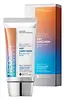 Key Ingredients
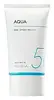
Benefits
Concerns
Ingredients Side-by-side
Water
Skin ConditioningOctocrylene
UV Absorber



Homosalate
Skin Conditioning
Isododecane
EmollientDipropylene Glycol
HumectantSilica
Abrasive


Butyl Methoxydibenzoylmethane
UV Absorber
1,2-Hexanediol
Skin Conditioning
Octyldodeceth-16
EmulsifyingAcrylates/C10-30 Alkyl Acrylate Crosspolymer
Emulsion StabilisingTromethamine
BufferingEthylhexylglycerin
Skin ConditioningTocopheryl Acetate
Antioxidant


Coptis Japonica Extract
AntimicrobialButylene Glycol
Humectant
Xanthan Gum
EmulsifyingCitrus Aurantium Dulcis Peel Oil
Masking

Litsea Cubeba Fruit Oil
Masking

Citrus Aurantium Bergamia Fruit Oil
Masking
Pelargonium Graveolens Flower Oil
Masking
Lavandula Angustifolia Oil
Masking
Melaleuca Alternifolia Leaf Oil
Antioxidant
Citrus Aurantifolia Oil
Cleansing
Eugenia Caryophyllus Leaf Oil
Masking
Cinnamomum Camphora Bark Oil
Masking
Maltodextrin
Absorbent
Persea Gratissima Fruit Extract
EmollientOenothera Biennis Flower Extract
AstringentPinus Palustris Leaf Extract
TonicUlmus Davidiana Root Extract
Skin Conditioning
Pueraria Lobata Root Extract
HumectantCitrus Limon Fruit Extract
Masking
Glycerin
Humectant
Rosa Damascena Extract
MaskingLippia Citriodora Leaf Extract
Astringent
Adansonia Digitata Leaf Extract
Skin ConditioningRubus Idaeus Fruit Extract
AstringentPortulaca Oleracea Extract
Skin Conditioning
Vaccinium Angustifolium Fruit Extract
Skin Protecting
Achillea Millefolium Extract
CleansingArnica Montana Flower Extract
Masking
Aloe Barbadensis Leaf Extract
Emollient
Artemisia Capillaris Extract
Euterpe Oleracea Fruit Extract
Phellinus Linteus Extract
Skin ConditioningSodium Hyaluronate
Humectant

Hibiscus Sabdariffa Flower Extract
Skin ConditioningBeta-Glucan
Skin Conditioning
Water, Octocrylene, Homosalate, Isododecane, Dipropylene Glycol, Silica, Butyl Methoxydibenzoylmethane, 1,2-Hexanediol, Octyldodeceth-16, Acrylates/C10-30 Alkyl Acrylate Crosspolymer, Tromethamine, Ethylhexylglycerin, Tocopheryl Acetate, Coptis Japonica Extract, Butylene Glycol, Xanthan Gum, Citrus Aurantium Dulcis Peel Oil, Litsea Cubeba Fruit Oil, Citrus Aurantium Bergamia Fruit Oil, Pelargonium Graveolens Flower Oil, Lavandula Angustifolia Oil, Melaleuca Alternifolia Leaf Oil, Citrus Aurantifolia Oil, Eugenia Caryophyllus Leaf Oil, Cinnamomum Camphora Bark Oil, Maltodextrin, Persea Gratissima Fruit Extract, Oenothera Biennis Flower Extract, Pinus Palustris Leaf Extract, Ulmus Davidiana Root Extract, Pueraria Lobata Root Extract, Citrus Limon Fruit Extract, Glycerin, Rosa Damascena Extract, Lippia Citriodora Leaf Extract, Adansonia Digitata Leaf Extract, Rubus Idaeus Fruit Extract, Portulaca Oleracea Extract, Vaccinium Angustifolium Fruit Extract, Achillea Millefolium Extract, Arnica Montana Flower Extract, Aloe Barbadensis Leaf Extract, Artemisia Capillaris Extract, Euterpe Oleracea Fruit Extract, Phellinus Linteus Extract, Sodium Hyaluronate, Hibiscus Sabdariffa Flower Extract, Beta-Glucan
Water
Skin ConditioningPropanediol
Solvent
Ethylhexyl Salicylate
UV Absorber
Homosalate
Skin Conditioning
Dibutyl Adipate
EmollientBis-Ethylhexyloxyphenol Methoxyphenyl Triazine
UV Absorber
Methylene Bis-Benzotriazolyl Tetramethylbutylphenol
UV Filter
Caprylyl Methicone
Skin Conditioning
Polysilicone-15
UV Filter
Diethylamino Hydroxybenzoyl Hexyl Benzoate
UV Filter
Sodium Hyaluronate
Humectant
1,2-Hexanediol
Skin Conditioning
Pentylene Glycol
Skin Conditioning
Poly C10-30 Alkyl Acrylate
Emulsion StabilisingGlycerin
Humectant
Behenyl Alcohol
Emollient
Polyglyceryl-3 Methylglucose Distearate
Emulsifying
Vp/Eicosene Copolymer
Octadecane
Emollient
Lactic Acid/Glycolic Acid Copolymer
Skin ConditioningTromethamine
BufferingDecyl Glucoside
Cleansing
Carbomer
Emulsion StabilisingAcrylates/C10-30 Alkyl Acrylate Crosspolymer
Emulsion StabilisingSodium Stearoyl Glutamate
CleansingEthylhexylglycerin
Skin ConditioningPolyacrylate Crosspolymer-6
Emulsion StabilisingSodium Polyacrylate
Absorbent
Xanthan Gum
EmulsifyingPolyether-1
Caprylyl Glycol
Emollient
T-Butyl Alcohol
Perfuming

Guaiazulene
Antimicrobial
Glyceryl Glucoside
Humectant
Tocopherol
Antioxidant
Beta-Glucan
Skin Conditioning
Hydrolyzed Hyaluronic Acid
Humectant
Sodium Acetylated Hyaluronate
Humectant
Parfum
Masking
Water, Propanediol, Ethylhexyl Salicylate, Homosalate, Dibutyl Adipate, Bis-Ethylhexyloxyphenol Methoxyphenyl Triazine, Methylene Bis-Benzotriazolyl Tetramethylbutylphenol, Caprylyl Methicone, Polysilicone-15, Diethylamino Hydroxybenzoyl Hexyl Benzoate, Sodium Hyaluronate, 1,2-Hexanediol, Pentylene Glycol, Poly C10-30 Alkyl Acrylate, Glycerin, Behenyl Alcohol, Polyglyceryl-3 Methylglucose Distearate, Vp/Eicosene Copolymer, Octadecane, Lactic Acid/Glycolic Acid Copolymer, Tromethamine, Decyl Glucoside, Carbomer, Acrylates/C10-30 Alkyl Acrylate Crosspolymer, Sodium Stearoyl Glutamate, Ethylhexylglycerin, Polyacrylate Crosspolymer-6, Sodium Polyacrylate, Xanthan Gum, Polyether-1, Caprylyl Glycol, T-Butyl Alcohol, Guaiazulene, Glyceryl Glucoside, Tocopherol, Beta-Glucan, Hydrolyzed Hyaluronic Acid, Sodium Acetylated Hyaluronate, Parfum
Reviews
Ingredients Explained
These ingredients are found in both products.
Ingredients higher up in an ingredient list are typically present in a larger amount.
1,2-Hexanediol is a synthetic liquid and another multi-functional powerhouse.
It is a:
- Humectant, drawing moisture into the skin
- Emollient, helping to soften skin
- Solvent, dispersing and stabilizing formulas
- Preservative booster, enhancing the antimicrobial activity of other preservatives
Acrylates/C10-30 Alkyl Acrylate Crosspolymer is a synthetic polymer. It is used to thicken, emulsify, and improve the texture of products.
As an emulsifier, it helps stabilize oil-in-water emulsions to give products an elegant feel when applied.
It can also form a thin protective film on skin. One study found that a formula using this polymer helped slow down how quickly other ingredients (like DEET) were absorbed through skin.
A 2024 study of over 1,300 patients confirmed that sensitization to this ingredient is rare. It is also non-mutagenic and has a clean track record.
Learn more about Acrylates/C10-30 Alkyl Acrylate CrosspolymerBeta-Glucan is a soluble polysaccharide (a chain of glucose sugars) sourced from the cells walls of oats, baker's yeast, mushrooms, and seaweed.
It's a rare ingredient that pulls double-duty as a heavy-duty hydrator and skin-soothing repair agent.
On the surface, it acts as a humectant that holds water in place and reduces moisture loss for a plumper, smoother feel, while its anti-inflammatory and antioxidant properties make it a great pick for calming redness or sensitive skin
The more interesting story is underneath:
Despite its large molecular size, oat beta-glucan has been shown to penetrate the epidermis and reach the dermis by slipping between skin cells. Here, it interacts with fibroblasts and macrophages to nudge collagen synthesis and support wound repair.
A small 2005 split-face clinical study of 27 subjects found topical beta-glucan produced measurable reductions in wrinkle depth, height, and roughness after 8 weeks of use.
It is worth noting the trial was small and the penetration testing used frozen, irradiated skin so the anti-aging data is encouraging rather than definitive.
This ingredient gets along with pretty much everything and is typically used around 0.1-1%.
Fungal acne: This ingredient is not a food source for the Malassezia yeast because it is a glucose polysaccharide with no fatty acid or ester component.
Learn more about Beta-GlucanEthylhexylglycerin is created from glycerin. It is a multitasker ingredient that:
The CIR Expert Panel found minimal skin absorption or sensitization of any kind in a safety assessment. Though this ingredient is considered well-tolerated, a small number of cases of allergic dermatitis have been published since 2002. Just be sure to patch test if you are unsure.
Industry-reported use ranges from 8% in rinse-off products and 2% in leave-on formulations.
Learn more about EthylhexylglycerinGlycerin (or glycerol) is a compound naturally found in your skin. It's a powerhouse humectant that pulls water into the stratum corneum.
Topically, glycerin does several things at once:
Your skin makes glycerin on its own (mostly from sebaceous oil breakdown) and shuttles it to your outermost layer of skin, or your epidermis, via aquaporin-3.
Aquaporin-3 is a transporter that is essential for normal skin hydration, elasticity, and repair. Interestingly, mice lacking in AQP3 have dry and less elastic skin that can be fully corrected with glycerin.
This ingredient is non-irritating, plays well with almost every ingredient, and works across all skin types. Typical use is anywhere between 3-10% but can go up to 79% in some leave-on products.
Just know very high concentrations (>40%) can feel tacky in low humidity.
Glycerin is the name for this ingredient in American English. British English uses Glycerol/Glycerine.
Learn more about GlycerinHomosalate is an oil-soluble organic UVB filter that has been a sunscreen staple for decades. Its job is to absorb UVB rays (~295-315 nm) and protect your skin against sunburn,
This is one of the more photostable organic UV filters; it holds up pretty well under UV and a 2022 quantum-chemistry study found it stays stable in sunlight.
It's actually so reliable that formulators often pair it with shakier ingredients like oxybenzone and avobenzone. Formulators also use it to help dissolve the other UV filters into the oil phase.
One thing to keep in mind: "stable" isn't the same as "strong". On its own, homosalate is actually a pretty weak UV filter so it's better off as a helpful team player that helps boost overall SPF protection.
The safety picture is a bit nuanced but not scary.
This ingredient has a long track record of being gentle and regulators agree it isn't an irritant; EU's Scientific Committee on Consumer Safety found that homosalate is not considered a skin irritant and doesn't raise eye-irritation flags either.
There's talk about homosalate because your skin absorbs a little bit of it into your bloodstream. A 2020 FDA-backed study found homosalate showed up in people's blood levels at the level where the FDA decides to double check.
The EU's Scientific Committee on Consumer Safety (SCCS) also found small amounts in blood and breast milk. They estimated that about 5% of what you apply gets absorbed through the skin.
Due to the debate about whether it might mess with hormones, the SCCS recommended a maximum limit of 0.5% in most products of 7.3% in face creams/pump sprays.
One important thing to keep in mind: in the US, Homosalate is currently labeled "non-GRASE" by the FDA. This sounds alarming but really just means the FDA wants more data to confirm it's safe. It's not confidently saying this ingredient is harmful.
As of now, homosalate is still completely legal and widely used while that research gets done.
The current maximum limits are:
Learn more about HomosalateSodium Hyaluronate is the salt form of hyaluronic acid. It is a long sugar chain that is naturally found in your skin, joints, and connective tissue that maintains hydration and elasticity.
In skincare, it works as a humectant. It pulls water from the environment and deeper layers of skin and binds it to the surface.
Interestingly, the size of the molecule affects its behavior:
Some clinical evidence links low molecular weight versions to improved wrinkle depth, elasticity, anti-inflammatory effects, and barrier repair.
Many serums use a blend of both weights so you can get surface hydration plus longer-lasting and deeper effects.
You'll typically see concentrations between 0.1-2% for this ingredient.
Learn more about Sodium HyaluronateTromethamine (aka THAM) is a synthetic amino acid that shows up in skincare as a helper ingredient.
It functions as a pH adjuster to help neutralize acidic ingredients and set a formula's pH to the right spot.
This matters a lot because a lot of actives (like vitamin C) needs a specific pH to work well and feel comfortable on skin.
Concentration use ranges from 0.1-1.0% depending on the formula.
Learn more about TromethamineWater. It's the most common cosmetic ingredient of all. You'll usually see it at the top of ingredient lists, meaning that it makes up the largest part of the product.
So why is it so popular? Water most often acts as a solvent - this means that it helps dissolve other ingredients into the formulation.
You'll also recognize water as that liquid we all need to stay alive. If you see this, drink a glass of water. Remember to stay hydrated!
Learn more about WaterXanthan gum is used as a stabilizer and thickener within cosmetic products. It helps give products a sticky, thick feeling - preventing them from being too runny.
On the technical side of things, xanthan gum is a polysaccharide - a combination consisting of multiple sugar molecules bonded together.
Xanthan gum is a pretty common and great ingredient. It is a natural, non-toxic, non-irritating ingredient that is also commonly used in food products.
Learn more about Xanthan Gum

