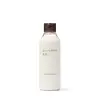
This anti-aging moisturizer is formulated around Retinyl Palmitate and Ceramide NP to soften the look of wrinkles and hydrate skin.
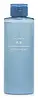
This hydrating emulsion is formulated around Polyquaternium-51 and Sodium Hyaluronate to hydrate skin and strengthen the skin barrier.

What's inside
What's inside
 Key Ingredients
Benefits
Concerns
Ingredients Side-by-side
Water
Skin ConditioningSaccharomyces/Rice Bran Ferment
Humectant

Butylene Glycol
Humectant

Cetyl Ethylhexanoate
EmollientGlycerin
Humectant
Olea Europaea Fruit Oil
Masking



Pentylene Glycol
Skin Conditioning
Propanediol
Solvent
Butyrospermum Parkii Butter
Skin Conditioning
Simmondsia Chinensis Seed Oil
Emollient
Morus Alba Root Extract
BleachingPhellodendron Amurense Bark Extract
Skin ConditioningRosa Centifolia Flower Extract
Astringent
Centaurea Cyanus Flower Extract
Astringent
Lavandula Angustifolia Flower Extract
Cleansing
Citrus Aurantium Amara Peel Extract
MaskingCitrus Limon Juice Extract
TonicSaxifraga Sarmentosa Extract
Skin ConditioningArtemisia Princeps Leaf Extract
Skin ConditioningRosmarinus Officinalis Leaf Extract
AntimicrobialLaminaria Japonica Extract
Skin Protecting
Yeast Extract
Skin ConditioningAscorbyl Tetraisopalmitate
Antioxidant


Retinyl Palmitate
Skin Conditioning

Soluble Proteoglycan
Skin ConditioningCeramide NP
Skin Conditioning

Alanine
Masking
Arginine
Masking
Sodium Glutamate
MaskingSerine
Masking
Proline
Skin Conditioning
Sodium Hyaluronate
Humectant
Rosa Damascena Flower Extract
Masking
Salvia Sclarea Extract
AntiseborrhoeicOsmanthus Fragrans Flower Extract
MaskingBetaine
Humectant
Glycosyl Trehalose
Emulsion StabilisingHydrogenated Starch Hydrolysate
HumectantEthylhexylglycerin
Skin ConditioningCocos Nucifera Oil
Masking
Zea Mays Oil
Emulsifying
Behenyl Alcohol
Emollient
Glyceryl Stearate
Emollient
PEG-75 Stearate
Surfactant
Polysorbate 80
Emulsifying
Sodium Polyacrylate Starch
AbsorbentXanthan Gum
EmulsifyingGellan Gum
Tocopherol
Antioxidant
Citric Acid
Buffering
Sodium Citrate
BufferingSalvia Sclarea Oil
Masking
Citrus Aurantium Dulcis Peel Oil
Masking
Cinnamomum Camphora Bark Oil
Masking
Pelargonium Graveolens Oil
Masking
Cymbopogon Martini Oil
Masking
Citrus Aurantium Bergamia Fruit Oil
Masking
Citrus Aurantium Bergamia Leaf Oil
Astringent
Citrus Nobilis Peel Oil
Masking
Water, Saccharomyces/Rice Bran Ferment, Butylene Glycol, Cetyl Ethylhexanoate, Glycerin, Olea Europaea Fruit Oil, Pentylene Glycol, Propanediol, Butyrospermum Parkii Butter, Simmondsia Chinensis Seed Oil, Morus Alba Root Extract, Phellodendron Amurense Bark Extract, Rosa Centifolia Flower Extract, Centaurea Cyanus Flower Extract, Lavandula Angustifolia Flower Extract, Citrus Aurantium Amara Peel Extract, Citrus Limon Juice Extract, Saxifraga Sarmentosa Extract, Artemisia Princeps Leaf Extract, Rosmarinus Officinalis Leaf Extract, Laminaria Japonica Extract, Yeast Extract, Ascorbyl Tetraisopalmitate, Retinyl Palmitate, Soluble Proteoglycan, Ceramide NP, Alanine, Arginine, Sodium Glutamate, Serine, Proline, Sodium Hyaluronate, Rosa Damascena Flower Extract, Salvia Sclarea Extract, Osmanthus Fragrans Flower Extract, Betaine, Glycosyl Trehalose, Hydrogenated Starch Hydrolysate, Ethylhexylglycerin, Cocos Nucifera Oil, Zea Mays Oil, Behenyl Alcohol, Glyceryl Stearate, PEG-75 Stearate, Polysorbate 80, Sodium Polyacrylate Starch, Xanthan Gum, Gellan Gum, Tocopherol, Citric Acid, Sodium Citrate, Salvia Sclarea Oil, Citrus Aurantium Dulcis Peel Oil, Cinnamomum Camphora Bark Oil, Pelargonium Graveolens Oil, Cymbopogon Martini Oil, Citrus Aurantium Bergamia Fruit Oil, Citrus Aurantium Bergamia Leaf Oil, Citrus Nobilis Peel Oil
Water
Skin ConditioningGlycerin
Humectant
Dimethicone
Emollient
Cetyl Ethylhexanoate
EmollientHelianthus Annuus Seed Oil
Emollient
PEG-75
HumectantPentylene Glycol
Skin Conditioning
Propanediol
Solvent
Triethylhexanoin
MaskingGlyceryl Stearate
Emollient
Polyquaternium-51
Skin Conditioning
Tuna Extract
Skin ConditioningCitrus Grandis Fruit Extract
Astringent
Pyrus Malus Fruit Extract
Skin Conditioning
Myrica Cerifera Fruit/Bark Extract
AstringentEriobotrya Japonica Leaf Extract
Skin ConditioningSodium Hyaluronate
Humectant
Allantoin
Skin Conditioning
Arginine
Masking
Glycosyl Trehalose
Emulsion StabilisingHydrogenated Starch Hydrolysate
HumectantButylene Glycol
Humectant
Propylene Glycol
Humectant
Ethylhexylglycerin
Skin ConditioningBehenyl Alcohol
Emollient
Dimethicone Crosspolymer
Emulsion Stabilising
PEG-75 Stearate
Surfactant
Polysorbate 80
Emulsifying
Carbomer
Emulsion StabilisingTocopherol
Antioxidant
Tetrasodium EDTA
ChelatingPhenoxyethanol
Preservative
Parfum
Masking
Water, Glycerin, Dimethicone, Cetyl Ethylhexanoate, Helianthus Annuus Seed Oil, PEG-75, Pentylene Glycol, Propanediol, Triethylhexanoin, Glyceryl Stearate, Polyquaternium-51, Tuna Extract, Citrus Grandis Fruit Extract, Pyrus Malus Fruit Extract, Myrica Cerifera Fruit/Bark Extract, Eriobotrya Japonica Leaf Extract, Sodium Hyaluronate, Allantoin, Arginine, Glycosyl Trehalose, Hydrogenated Starch Hydrolysate, Butylene Glycol, Propylene Glycol, Ethylhexylglycerin, Behenyl Alcohol, Dimethicone Crosspolymer, PEG-75 Stearate, Polysorbate 80, Carbomer, Tocopherol, Tetrasodium EDTA, Phenoxyethanol, Parfum
Reviews
Ingredients Explained
These ingredients are found in both products.
Ingredients higher up in an ingredient list are typically present in a larger amount.
Arginine is a semi-essential amino acid. This just means our bodies can product a bit on its own, but sometimes needs a little boost from food sources.
It is a part of your skin's natural moisturizing factor (NMF), or the water-loving molecules in your outermost layer of skin (stratum corneum) that keeps everything hydrated and happy.
Here's an interesting thing about Arginine: your skin converts it into urea through the Krebs-Henseleit urea cycle. Urea is one of the most effective humectants your skin naturally produces.
A clinical study showed applying 2.5% arginine hydrochloride to atopic dermatitis skin showed significant urea levels in the stratum corneum and improved moisture in just four weeks.
Arginine is also a precursor to nitric oxide; nitric oxide improves microcirculation and supports wound healing and collagen synthesis.
One study found that an amino acid complex containing Arginine reduced skin irritation, improved hydration, and accelerated skin repair in clinical / in-vivo studies.
Arginine itself is an amino acid and not a fatty acid, oil, or ester. On its own, it's not a direct food source for Malassezia, or the yeast that causes fungal acne.
Learn more about ArginineBehenyl Alcohol is a type of fatty alcohol (these are different from the drying, solvent alcohols).
Fatty Alcohols have hydrating properties and are most often used as an emollient or to thicken a product. They are usually derived from natural fats and oils; behenyl alcohol is derived from the fats of vegetable oils.
Emollients help keep your skin soft and hydrated by creating a film that traps moisture in.
In 2000, Behenyl Alcohol was approved by the US as medicine to reduce the duration of cold sores.
Learn more about Behenyl AlcoholButylene Glycol (or BG) is used within cosmetic products for a few different reasons:
Overall, Butylene Glycol is a safe and well-rounded ingredient that works well with other ingredients.
Though this ingredient works well with most skin types, some people with sensitive skin may experience a reaction such as allergic rashes, closed comedones, or itchiness.
Learn more about Butylene GlycolCetyl Ethylhexanoate is an emollient ester. It comes from cetearyl alcohol and 2-ethylhexanoic acid.
Cetyl Ethylhexanoate is an emollient that adds a velvety feel to skin without being greasy or oily. Emollients help trap moisture into your skin, keeping your skin soft and hydrated.
Ethylhexylglycerin is created from glycerin. It is a multitasker ingredient that:
The CIR Expert Panel found minimal skin absorption or sensitization of any kind in a safety assessment. Though this ingredient is considered well-tolerated, a small number of cases of allergic dermatitis have been published since 2002. Just be sure to patch test if you are unsure.
Industry-reported use ranges from 8% in rinse-off products and 2% in leave-on formulations.
Learn more about EthylhexylglycerinGlycerin (or glycerol) is a compound naturally found in your skin. It's a powerhouse humectant that pulls water into the stratum corneum.
Topically, glycerin does several things at once:
Your skin makes glycerin on its own (mostly from sebaceous oil breakdown) and shuttles it to your outermost layer of skin, or your epidermis, via aquaporin-3.
Aquaporin-3 is a transporter that is essential for normal skin hydration, elasticity, and repair. Interestingly, mice lacking in AQP3 have dry and less elastic skin that can be fully corrected with glycerin.
This ingredient is non-irritating, plays well with almost every ingredient, and works across all skin types. Typical use is anywhere between 3-10% but can go up to 79% in some leave-on products.
Just know very high concentrations (>40%) can feel tacky in low humidity.
Glycerin is the name for this ingredient in American English. British English uses Glycerol/Glycerine.
Learn more about GlycerinGlyceryl Stearate is made by reacting glycerin with stearic acid (typically sourced from plant oils like palm or coconut). It's an emulsifier, emollient, and mild occlusive.
Emulsifiers help ingredients like oil and water stay mixed so your formula stays nicely blended and uniform in texture.
This ingredient is typically used in concentrations between 1-10%. Studies have found it to be non-sensitizing, non-phototoxic, and non-photoallergenic.
A close cousin of this ingredient is Glyceryl Stearate SE ("self-emulsifying"). This just has a small amount of sodium or potassium stearate added so it can emulsify without a co-emulsifier.
Since this ingredient is an ester of a C18 fatty acid, it may not be fungal acne safe. The Malassezia yeast can potentially metabolize within the C11-C24 range.
Fun fact: The human body also creates Glyceryl Stearate naturally.
Learn more about Glyceryl StearateWe don't have a description for Glycosyl Trehalose yet.
Hydrogenated Starch Hydrolysate is a made up of a mixture of sugar alcohols (like sorbitol) and is created by hydrogenating corn, wheat, or potato starch.
It acts as a humectant and draws water to the skin to keep it hydrated. Generally, this is a well-tolerated and non-irritating ingredient.
PEG-75 Stearate isn't fungal acne safe.
Pentylene Glycol (1,2-pentanediol) is a multitasking little diol with three main roles in a formula:
Research on alkanediols (the family pentylene glycol belongs to) show they work by disrupting microbial cell membranes. This disruption helps the primary preservative system in a product work more effectively at lower doses.
On the safety side, the Cosmetic Ingredient Review Expert Panel has concluded this ingredient to be safe as used in current cosmetic practices + concentrations.
Typical use levels in a formula run about 1-5%.
Learn more about Pentylene GlycolPolysorbate 80 is a synthetic surfactant and emulsifier derived from sorbitol and oleic acid.
It reduces the surface tension between oil and water phases to help them stay mixed and stable in a formulation. In other words, it prevents your formulas from separating into an oily mess.
The CIR Expert Panel has evaluated the scientific data and found this ingredient to be safe, non-irritating, and non-sensitizing at concentrations up to 5% (it's even approved by the FDA as an OTC eye drop ingredient).
Learn more about Polysorbate 80Propanediol is an all-star ingredient. It softens, hydrates, and smooths the skin.
It’s often used to:
Propanediol is not likely to cause sensitivity and considered safe to use. It is derived from corn or petroleum with a clear color and no scent.
Learn more about PropanediolSodium Hyaluronate is the salt form of hyaluronic acid. It is a long sugar chain that is naturally found in your skin, joints, and connective tissue that maintains hydration and elasticity.
In skincare, it works as a humectant. It pulls water from the environment and deeper layers of skin and binds it to the surface.
Interestingly, the size of the molecule affects its behavior:
Some clinical evidence links low molecular weight versions to improved wrinkle depth, elasticity, anti-inflammatory effects, and barrier repair.
Many serums use a blend of both weights so you can get surface hydration plus longer-lasting and deeper effects.
You'll typically see concentrations between 0.1-2% for this ingredient.
Learn more about Sodium HyaluronateTocopherol is a fat-soluble antioxidant known as Vitamin E.
You'll find this ingredient in the vast majority of skincare (for good reason). It works to neutralize free radicals, or unstable molecules generated by UV exposure, pollution, and other environmental stressors, before they can cause oxidative damage to your skin cells.
Topically applied tocopherol has been shown to protect against UV damage by ramping up the skin's own natural defense enzymes.
It also acts as a skin conditioning agent; some studies show that regular topical use can improve the skin's water-binding capacity over 2-4 weeks.
This ingredient is especially loved for being a team player. When combined with Vitamin C, the photoprotective effect of both ingredients roughly doubles and the combo also helps reduce UV-induced DNA damage.
This ingredient has some brightening potential but it's more of a prevention ingredient than spot-fader. Cell studies show it can slow down melanin production but it's worth noting that it's not the most powerful brightener out there.
In formulations, it also serves as a stabilizer that helps protect other oxidation-prone ingredients from degrading.
Concentrations usually range from 0.1-1% in most leave-on products.
Learn more about TocopherolWater. It's the most common cosmetic ingredient of all. You'll usually see it at the top of ingredient lists, meaning that it makes up the largest part of the product.
So why is it so popular? Water most often acts as a solvent - this means that it helps dissolve other ingredients into the formulation.
You'll also recognize water as that liquid we all need to stay alive. If you see this, drink a glass of water. Remember to stay hydrated!
Learn more about Water

