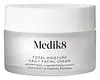
This barrier-repair moisturizer is formulated around Squalane and Saccharomyces Ferment Filtrate to strengthen the skin barrier and hydrate skin.
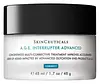
This anti-aging treatment is formulated around Niacinamide and Adenosine to soften the look of wrinkles and strengthen the skin barrier.


What's inside
What's inside
 Key Ingredients
Benefits
Concerns
Ingredients Side-by-side
Water
Skin ConditioningGlycerin
Humectant


Dimethicone
Emollient
Squalane
Emollient
Caprylic/Capric Triglyceride
Masking
Bis-PEG-18 Methyl Ether Dimethyl Silane
EmollientPentaerythrityl Tetraethylhexanoate
Emollient
Propanediol
Solvent
Arachidyl Alcohol
Emollient
Cetearyl Alcohol
Emollient




Inulin
Skin Conditioning
Behenyl Alcohol
Emollient
Phenoxyethanol
Preservative
Arachidyl Glucoside
EmulsifyingTocopheryl Acetate
Antioxidant


Caprylyl Glycol
Emollient
Linoleic Acid
Cleansing

Saccharomyces Ferment Filtrate
Humectant
Glyceryl Glucoside
Humectant
Sodium Hyaluronate
Humectant
Acetyl Heptapeptide-4
Humectant
Linolenic Acid
Cleansing

Cetearyl Glucoside
Emulsifying
Sodium Polyacryloyldimethyl Taurate
Emulsion StabilisingDiglycerin
Humectant
Ceramide NP
Skin Conditioning
Sodium PCA
Humectant
Urea
Buffering

Carbomer
Emulsion StabilisingDisodium EDTA
Hydrogenated Polydecene
EmollientEthylhexylglycerin
Skin ConditioningXanthan Gum
EmulsifyingAcrylates/C10-30 Alkyl Acrylate Crosspolymer
Emulsion StabilisingSodium Hydroxide
BufferingLactic Acid
Buffering



Lysine
Skin ConditioningPCA
Humectant
Sorbitol
Humectant
Butylene Glycol
Humectant
1,2-Hexanediol
Skin Conditioning
Trideceth-10
CleansingTocopherol
Antioxidant
Hydrolyzed Wheat Protein
Skin ConditioningAllantoin
Skin Conditioning
Oryza Sativa Lees Extract
Skin ConditioningWater, Glycerin, Dimethicone, Squalane, Caprylic/Capric Triglyceride, Bis-PEG-18 Methyl Ether Dimethyl Silane, Pentaerythrityl Tetraethylhexanoate, Propanediol, Arachidyl Alcohol, Cetearyl Alcohol, Inulin, Behenyl Alcohol, Phenoxyethanol, Arachidyl Glucoside, Tocopheryl Acetate, Caprylyl Glycol, Linoleic Acid, Saccharomyces Ferment Filtrate, Glyceryl Glucoside, Sodium Hyaluronate, Acetyl Heptapeptide-4, Linolenic Acid, Cetearyl Glucoside, Sodium Polyacryloyldimethyl Taurate, Diglycerin, Ceramide NP, Sodium PCA, Urea, Carbomer, Disodium EDTA, Hydrogenated Polydecene, Ethylhexylglycerin, Xanthan Gum, Acrylates/C10-30 Alkyl Acrylate Crosspolymer, Sodium Hydroxide, Lactic Acid, Lysine, PCA, Sorbitol, Butylene Glycol, 1,2-Hexanediol, Trideceth-10, Tocopherol, Hydrolyzed Wheat Protein, Allantoin, Oryza Sativa Lees Extract
Water
Skin ConditioningHydroxypropyl Tetrahydropyrantriol
Skin ConditioningGlycerin
Humectant
Propylene Glycol
Humectant
Stearic Acid
Cleansing
Butyrospermum Parkii Butter
Skin Conditioning
Hydroxyethylpiperazine Ethane Sulfonic Acid
BufferingPalmitic Acid
Emollient
Pentylene Glycol
Skin Conditioning
Oleyl Alcohol
Emollient
Arachidyl Alcohol
Emollient
Myristyl Myristate
Emollient
Panthenol
Skin Conditioning
Niacinamide
Smoothing

Dimethicone
Emollient
Isononyl Isononanoate
EmollientBis-PEG/PPG-16/16 PEG/PPG-16/16 Dimethicone
Emollient
Glyceryl Stearate
Emollient
Candelilla Cera
Emollient
Euphorbia Cerifera Cera
Astringent
Behenyl Alcohol
Emollient
PEG-100 Stearate
Surfactant
Sodium Polyacrylate
Absorbent
Pentaerythrityl Tetraisostearate
Emollient
4-T-Butylcyclohexanol
Masking
Arachidyl Glucoside
EmulsifyingCaprylyl Glycol
Emollient
Xanthan Gum
EmulsifyingChlorphenesin
Antimicrobial
Myristic Acid
Cleansing
Caprylic/Capric Triglyceride
Masking
Glycyrrhetinic Acid
Skin Conditioning
Parfum
Masking
Sorbitol
Humectant
Vaccinium Myrtillus Fruit Extract
Skin ConditioningPotassium Hydroxide
BufferingAdenosine
Skin Conditioning
Citric Acid
Buffering
Punica Granatum Fruit Extract
Antioxidant
Limonene
Perfuming
Coumarin
Perfuming
Linalool
Perfuming
Pentaerythrityl Tetra-Di-T-Butyl Hydroxyhydrocinnamate
Antioxidant
Water, Hydroxypropyl Tetrahydropyrantriol, Glycerin, Propylene Glycol, Stearic Acid, Butyrospermum Parkii Butter, Hydroxyethylpiperazine Ethane Sulfonic Acid, Palmitic Acid, Pentylene Glycol, Oleyl Alcohol, Arachidyl Alcohol, Myristyl Myristate, Panthenol, Niacinamide, Dimethicone, Isononyl Isononanoate, Bis-PEG/PPG-16/16 PEG/PPG-16/16 Dimethicone, Glyceryl Stearate, Candelilla Cera, Euphorbia Cerifera Cera, Behenyl Alcohol, PEG-100 Stearate, Sodium Polyacrylate, Pentaerythrityl Tetraisostearate, 4-T-Butylcyclohexanol, Arachidyl Glucoside, Caprylyl Glycol, Xanthan Gum, Chlorphenesin, Myristic Acid, Caprylic/Capric Triglyceride, Glycyrrhetinic Acid, Parfum, Sorbitol, Vaccinium Myrtillus Fruit Extract, Potassium Hydroxide, Adenosine, Citric Acid, Punica Granatum Fruit Extract, Limonene, Coumarin, Linalool, Pentaerythrityl Tetra-Di-T-Butyl Hydroxyhydrocinnamate
Reviews
Ingredients Explained
These ingredients are found in both products.
Ingredients higher up in an ingredient list are typically present in a larger amount.
Arachidyl Alcohol is a fatty alcohol made from the the arachidic acid found in peanut oil.
Despite having "alcohol" in the name, it is not related to denatured alcohol or ethanol.
This ingredient is a multitasker:
Just be sure to patch this ingredient if you have a peanut allergy (though this ingredient is highly processed and the allergenic proteins are typically removed).
Learn more about Arachidyl AlcoholThis ingredient is a plant-based surfactant and emulsifier. It helps oil and water based ingredients mix evenly to improve formula stability without adding a "greasy" feel.
Behenyl Alcohol is a type of fatty alcohol (these are different from the drying, solvent alcohols).
Fatty Alcohols have hydrating properties and are most often used as an emollient or to thicken a product. They are usually derived from natural fats and oils; behenyl alcohol is derived from the fats of vegetable oils.
Emollients help keep your skin soft and hydrated by creating a film that traps moisture in.
In 2000, Behenyl Alcohol was approved by the US as medicine to reduce the duration of cold sores.
Learn more about Behenyl AlcoholCaprylic/Capric Triglyceride (aka MCT Oil) is a lightweight emollient, solvent, and texture enhancer. It is considered a skin-softener by helping to prevent moisture loss.
Though it behaves like an oil, it is not technically one due to its chemical composition. One perk of this ingredient is that it is very stable, resistant to oxidation, and unlikely to go rancid.
In practice, that translates to a long shelf life and a consistently elegant skin feel.
While there is an assumption Caprylic Triglyceride can clog pores due to it being derived from coconut oil, there is no research supporting this. Just patch test if you have concerns.
Fractionated coconut oil and MCT Oil are both listed as Caprylic/Capric Triglyceride according to INCI. This is because INCI names are based on the ingredient’s final chemical composition and not its marketing name or source.
This ingredient is treated as the gold standard fungal acne safe oil. Even though it is coconut derived, the problematic lauric acid is stripped out.
This leaves just caprylic (C8) and capric (C10) acid. These chain lengths actually trend antifungal; a 2020 study found caprylic acid was enough to disrupt Malassezia furfur cell membrane, with a caprylic acid derivative damaging membrane structures at concentrations as low as 0.2%.
Learn more about Caprylic/Capric TriglycerideCaprylyl Glycol is a humectant, skin conditioner, emollient, and preservative booster derived from either caprylic acid or synthetically created.
Typical use levels vary from 0.3-1% as a preservative booster and go up to 2% to condition skin.
Because it is not a free-fatty acid, this ingredient is fungal acne safe (there's nothing for Malassezia to feed on).
Learn more about Caprylyl GlycolDimethicone is a type of synthetic silicone created from natural materials such as quartz. It is also known as polydimethylsiloxane.
What it does:
Dimethicone comes in different viscosities:
Depending on the viscosity, dimethicone has different properties.
Ingredients lists don't always show which type is used, so we recommend reaching out to the brand if you have questions about the viscosity.
This ingredient is unlikely to cause irritation because it does not get absorbed into skin. However, people with silicone allergies should be careful about using this ingredient.
Note: Dimethicone may contribute to pilling. This is because it is not oil or water soluble, so pilling may occur when layered with products. When mixed with heavy oils in a formula, the outcome is also quite greasy.
Learn more about DimethiconeGlycerin (or glycerol) is a compound naturally found in your skin. It's a powerhouse humectant that pulls water into the stratum corneum.
Topically, glycerin does several things at once:
Your skin makes glycerin on its own (mostly from sebaceous oil breakdown) and shuttles it to your outermost layer of skin, or your epidermis, via aquaporin-3.
Aquaporin-3 is a transporter that is essential for normal skin hydration, elasticity, and repair. Interestingly, mice lacking in AQP3 have dry and less elastic skin that can be fully corrected with glycerin.
This ingredient is non-irritating, plays well with almost every ingredient, and works across all skin types. Typical use is anywhere between 3-10% but can go up to 79% in some leave-on products.
Just know very high concentrations (>40%) can feel tacky in low humidity.
Glycerin is the name for this ingredient in American English. British English uses Glycerol/Glycerine.
Learn more about GlycerinSorbitol is a sugar alcohol. It is a hydrating and moisturizing agent created from the reduction process of glucose.
Most sorbitol is usually made from potato starch. It is also found in fruits such as apples and pears.
As a humectant, Sorbitol helps draw water to the skin. This helps keep the skin hydrated. Sorbitol also helps create a thicker texture in products. You might find sorbitol in your toothpaste and other gels.
It is a non-irritating ingredient that is great for those with dry skin.
Sorbitol is a prebiotic. It helps promote the growth of healthy bacteria on your skin. The bacteria on your skin form a microbiome. This microbiome helps protect your skin from infection and harmful bacteria.
Learn more about SorbitolWater. It's the most common cosmetic ingredient of all. You'll usually see it at the top of ingredient lists, meaning that it makes up the largest part of the product.
So why is it so popular? Water most often acts as a solvent - this means that it helps dissolve other ingredients into the formulation.
You'll also recognize water as that liquid we all need to stay alive. If you see this, drink a glass of water. Remember to stay hydrated!
Learn more about WaterXanthan gum is used as a stabilizer and thickener within cosmetic products. It helps give products a sticky, thick feeling - preventing them from being too runny.
On the technical side of things, xanthan gum is a polysaccharide - a combination consisting of multiple sugar molecules bonded together.
Xanthan gum is a pretty common and great ingredient. It is a natural, non-toxic, non-irritating ingredient that is also commonly used in food products.
Learn more about Xanthan Gum

