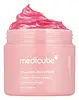
This anti-aging moisturizer is formulated around Niacinamide to soften the look of wrinkles.
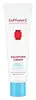
This calming moisturizer is formulated around Centella Asiatica Extract and Panthenol to calm redness and hydrate skin.

What's inside
What's inside
 Key Ingredients
Benefits
Concerns
Ingredients Side-by-side
Water
Skin ConditioningPropanediol
Solvent

Dipropylene Glycol
HumectantButylene Glycol
Humectant
Methylpropanediol
SolventDiethoxyethyl Succinate
SolventEthoxydiglycol
HumectantAmmonium Acryloyldimethyltaurate/Beheneth-25 Methacrylate Crosspolymer
Emulsion StabilisingNiacinamide
Smoothing










Trehalose
Humectant
1,2-Hexanediol
Skin Conditioning
Chlorella Vulgaris Extract
Skin ConditioningCollagen
Moisturising
Hydrolyzed Collagen
Emollient
Cynanchum Atratum Extract
Skin ConditioningAlthaea Rosea Flower Extract
Skin ConditioningSoluble Collagen
Humectant
Allium Sativum Bulb Extract
Skin ConditioningAvena Sativa Kernel Extract
Abrasive

Bertholletia Excelsa Seed Extract
Skin ConditioningBrassica Oleracea Italica Extract
AstringentCamellia Sinensis Seed Extract
Humectant
Salmon Egg Extract
Solanum Lycopersicum Fruit Extract
Antioxidant
Spinacia Oleracea Leaf Extract
Skin ConditioningVaccinium Angustifolium Fruit Extract
Skin Protecting
Wine Extract
Antioxidant
Polyglyceryl-10 Isostearate
Skin Conditioning

Tromethamine
BufferingGlucose
Humectant
Polyglyceryl-10 Oleate
Skin Conditioning
Ethylhexylglycerin
Skin ConditioningFructooligosaccharides
Humectant
Fructose
Humectant
Adenosine
Skin Conditioning
Sodium Phytate
ChelatingCyanocobalamin
Skin ConditioningTocopherol
Antioxidant
Pullulan
Glycerin
Humectant
Hydroxypropyltrimonium Hyaluronate
Squalane
Emollient
Soluble Proteoglycan
Skin ConditioningHydrolyzed Elastin
EmollientSodium DNA
Skin Conditioning
Carbomer
Emulsion StabilisingXanthan Gum
EmulsifyingParfum
Masking


Water, Propanediol, Dipropylene Glycol, Butylene Glycol, Methylpropanediol, Diethoxyethyl Succinate, Ethoxydiglycol, Ammonium Acryloyldimethyltaurate/Beheneth-25 Methacrylate Crosspolymer, Niacinamide, Trehalose, 1,2-Hexanediol, Chlorella Vulgaris Extract, Collagen, Hydrolyzed Collagen, Cynanchum Atratum Extract, Althaea Rosea Flower Extract, Soluble Collagen, Allium Sativum Bulb Extract, Avena Sativa Kernel Extract, Bertholletia Excelsa Seed Extract, Brassica Oleracea Italica Extract, Camellia Sinensis Seed Extract, Salmon Egg Extract, Solanum Lycopersicum Fruit Extract, Spinacia Oleracea Leaf Extract, Vaccinium Angustifolium Fruit Extract, Wine Extract, Polyglyceryl-10 Isostearate, Tromethamine, Glucose, Polyglyceryl-10 Oleate, Ethylhexylglycerin, Fructooligosaccharides, Fructose, Adenosine, Sodium Phytate, Cyanocobalamin, Tocopherol, Pullulan, Glycerin, Hydroxypropyltrimonium Hyaluronate, Squalane, Soluble Proteoglycan, Hydrolyzed Elastin, Sodium DNA, Carbomer, Xanthan Gum, Parfum
Water
Skin ConditioningPropanediol
Solvent
Glycerin
Humectant
Cyclohexasiloxane
Emollient
1,2-Hexanediol
Skin Conditioning
Dicaprylyl Carbonate
EmollientMethylpropanediol
SolventCaprylic/Capric Triglyceride
Masking
Polyglycerin-3
Humectant
Polyglyceryl-10 Stearate
Skin Conditioning
Hydrogenated Poly(C6-14 Olefin)
EmollientHydrogenated Polydecene
EmollientLaminaria Japonica Extract
Skin Protecting
Eclipta Prostrata Leaf Extract
Skin ConditioningCentella Asiatica Extract
Cleansing
Ficus Carica Fruit Extract
Humectant
Chamomilla Recutita Extract
Skin Conditioning
Chrysanthemum Parthenium Extract
Skin ConditioningCardiospermum Halicacabum Flower/Leaf/Vine Extract
Skin ConditioningPinus Pinaster Bark Extract
Antioxidant
Rosmarinus Officinalis Leaf Extract
AntimicrobialSodium Hyaluronate
Humectant
Hydrogenated Lecithin
Emulsifying
Ribes Nigrum Seed Oil
Emollient
Helianthus Annuus Seed Oil
Emollient
Ammonium Acryloyldimethyltaurate/Vp Copolymer
C12-20 Alkyl Glucoside
EmulsifyingC14-22 Alcohols
Emulsion Stabilising
Acrylates/C10-30 Alkyl Acrylate Crosspolymer
Emulsion StabilisingPolyquaternium-51
Skin Conditioning
Tromethamine
BufferingPanthenol
Skin Conditioning
Glyceryl Glucoside
Humectant
Fructooligosaccharides
Humectant
Butylene Glycol
Humectant
Beta-Glucan
Skin Conditioning
Saccharide Isomerate
Humectant
Octyldodecanol
Emollient
Hydrolyzed Hyaluronic Acid
Humectant
Xylitylglucoside
Humectant
Raffinose
Skin ConditioningAnhydroxylitol
Humectant
Folic Acid
Skin ConditioningCeramide NP
Skin Conditioning
Xylitol
Humectant
Cholesterol
Emollient
Glucose
Humectant
Helianthus Annuus Seed Oil Unsaponifiables
Emollient
Sucrose Stearate
EmollientHydroxypropyltrimonium Hyaluronate
Tocopherol
Antioxidant
Stearic Acid
Cleansing
Cholesteryl Macadamiate
EmollientPalmitic Acid
Emollient
Sodium Hyaluronate Crosspolymer
Humectant
Hyaluronic Acid
Humectant
Palmitoyl Pentapeptide-4
Skin Conditioning
Magnesium PCA
Humectant
Copper Tripeptide-1
Skin Conditioning
1-Methylhydantoin-2-Imide
Skin ConditioningGuaiazulene
Antimicrobial
Glycine
Buffering
Glucosamine Hcl
Glutamic Acid
Humectant
Glutamine
Skin ConditioningDipotassium Phosphate
BufferingLysine
Skin ConditioningLeucine
Skin ConditioningMagnesium Citrate
Skin ConditioningMagnesium Chloride
Methionine
Skin ConditioningValine
MaskingSerine
Masking
Sodium Acetylated Hyaluronate
Humectant
Sucrose
Humectant
Cysteine
Antioxidant
Citrulline
Skin ConditioningSea Salt
Abrasive
Asparagine
MaskingAspartic Acid
Masking
Isoleucine
Skin ConditioningAlanine
Masking
Arginine
Masking
Calcium Chloride
AstringentTaurine
BufferingTyrosine
MaskingThreonine
Tryptophan
MaskingPhenylalanine
Masking
Formic Acid
Preservative
Proline
Skin Conditioning
Hydrolyzed Lupine Protein
Skin ConditioningHydrolyzed Sodium Hyaluronate
Skin Conditioning
Histidine
Humectant
Parfum
Masking
Ethylhexylglycerin
Skin ConditioningPentylene Glycol
Skin Conditioning
Alpha-Isomethyl Ionone
Perfuming
Water, Propanediol, Glycerin, Cyclohexasiloxane, 1,2-Hexanediol, Dicaprylyl Carbonate, Methylpropanediol, Caprylic/Capric Triglyceride, Polyglycerin-3, Polyglyceryl-10 Stearate, Hydrogenated Poly(C6-14 Olefin), Hydrogenated Polydecene, Laminaria Japonica Extract, Eclipta Prostrata Leaf Extract, Centella Asiatica Extract, Ficus Carica Fruit Extract, Chamomilla Recutita Extract, Chrysanthemum Parthenium Extract, Cardiospermum Halicacabum Flower/Leaf/Vine Extract, Pinus Pinaster Bark Extract, Rosmarinus Officinalis Leaf Extract, Sodium Hyaluronate, Hydrogenated Lecithin, Ribes Nigrum Seed Oil, Helianthus Annuus Seed Oil, Ammonium Acryloyldimethyltaurate/Vp Copolymer, C12-20 Alkyl Glucoside, C14-22 Alcohols, Acrylates/C10-30 Alkyl Acrylate Crosspolymer, Polyquaternium-51, Tromethamine, Panthenol, Glyceryl Glucoside, Fructooligosaccharides, Butylene Glycol, Beta-Glucan, Saccharide Isomerate, Octyldodecanol, Hydrolyzed Hyaluronic Acid, Xylitylglucoside, Raffinose, Anhydroxylitol, Folic Acid, Ceramide NP, Xylitol, Cholesterol, Glucose, Helianthus Annuus Seed Oil Unsaponifiables, Sucrose Stearate, Hydroxypropyltrimonium Hyaluronate, Tocopherol, Stearic Acid, Cholesteryl Macadamiate, Palmitic Acid, Sodium Hyaluronate Crosspolymer, Hyaluronic Acid, Palmitoyl Pentapeptide-4, Magnesium PCA, Copper Tripeptide-1, 1-Methylhydantoin-2-Imide, Guaiazulene, Glycine, Glucosamine Hcl, Glutamic Acid, Glutamine, Dipotassium Phosphate, Lysine, Leucine, Magnesium Citrate, Magnesium Chloride, Methionine, Valine, Serine, Sodium Acetylated Hyaluronate, Sucrose, Cysteine, Citrulline, Sea Salt, Asparagine, Aspartic Acid, Isoleucine, Alanine, Arginine, Calcium Chloride, Taurine, Tyrosine, Threonine, Tryptophan, Phenylalanine, Formic Acid, Proline, Hydrolyzed Lupine Protein, Hydrolyzed Sodium Hyaluronate, Histidine, Parfum, Ethylhexylglycerin, Pentylene Glycol, Alpha-Isomethyl Ionone
Reviews
Ingredients Explained
These ingredients are found in both products.
Ingredients higher up in an ingredient list are typically present in a larger amount.
1,2-Hexanediol is a synthetic liquid and another multi-functional powerhouse.
It is a:
- Humectant, drawing moisture into the skin
- Emollient, helping to soften skin
- Solvent, dispersing and stabilizing formulas
- Preservative booster, enhancing the antimicrobial activity of other preservatives
Butylene Glycol (or BG) is used within cosmetic products for a few different reasons:
Overall, Butylene Glycol is a safe and well-rounded ingredient that works well with other ingredients.
Though this ingredient works well with most skin types, some people with sensitive skin may experience a reaction such as allergic rashes, closed comedones, or itchiness.
Learn more about Butylene GlycolEthylhexylglycerin is created from glycerin. It is a multitasker ingredient that:
The CIR Expert Panel found minimal skin absorption or sensitization of any kind in a safety assessment. Though this ingredient is considered well-tolerated, a small number of cases of allergic dermatitis have been published since 2002. Just be sure to patch test if you are unsure.
Industry-reported use ranges from 8% in rinse-off products and 2% in leave-on formulations.
Learn more about EthylhexylglycerinFructooligosaccharides (FOS) are a type of prebiotic sugar with humectant and skin conditioning properties. As a humectant, they help attract and hold moisture in the skin.
FOS essentially acts as a food source for the "good" bacteria on your skin and make it harder for "bad" bacteria to thrive. A 2022 study using a reconstructured human skin model found that just 1% of FOS was enough to shift the bacteria balance in favor of beneficial species. This suggests it could help support a healthier skin microbiome over time.
This ingredient has a low sensitization risk and testing shows it does not classify as a skin irritant or sensitizer.
FOS are usually produced from sugar beets and can also be found in foods like bananas, garlic, and onions.
Learn more about FructooligosaccharidesGlucose is a simple sugar (a monosaccharide). In skincare, it is mostly a humectant and skin conditioning agent.
Mechanistically, it has multiple hydroxyl groups that hydrogen-bond to water. This pulls moisture into the upper layers of skin to keep the surface soft and hydrated.
It's worth knowing sugars are already a natural component of the skin's NMF (natural moisturizing factor) so it's a molecule that your stratum corneum is well-acquainted with.
Just so you know, glucose is hydrophilic (water-loving) and the stratum corneum is a strong barrier to hydrophilic compounds. This just means penetration is slow and most of the action is happening on the surface.
Gram-to-gram, glucose is not as efficient as a humectant as glycerin. This is why you'll likely see glycose paired with stronger humectants for a bigger hydration payoff.
In skincare, glucose is typically derived from corn or other starch sources.
Learn more about GlucoseGlycerin (or glycerol) is a compound naturally found in your skin. It's a powerhouse humectant that pulls water into the stratum corneum.
Topically, glycerin does several things at once:
Your skin makes glycerin on its own (mostly from sebaceous oil breakdown) and shuttles it to your outermost layer of skin, or your epidermis, via aquaporin-3.
Aquaporin-3 is a transporter that is essential for normal skin hydration, elasticity, and repair. Interestingly, mice lacking in AQP3 have dry and less elastic skin that can be fully corrected with glycerin.
This ingredient is non-irritating, plays well with almost every ingredient, and works across all skin types. Typical use is anywhere between 3-10% but can go up to 79% in some leave-on products.
Just know very high concentrations (>40%) can feel tacky in low humidity.
Glycerin is the name for this ingredient in American English. British English uses Glycerol/Glycerine.
Learn more about GlycerinHydroxypropyltrimonium Hyaluronate is a positively charged version of hyaluronic acid.
This small change does a lot in a formula:
Regular hyaluronic acid carries a negative charge and so does the surface of your skin. This means the two repel each other and hyaluronic acid can be washed away easily. The positive charge here does the opposite: it makes the ingredient cling to your skin (also called "substantivity") so it keeps hydrating even in rinse-off products where it lays down a light, moisture-holding film.
The research backs this up too; a 2025 clinical study on a shower gel containing 0.1% positively charged hyaluronic acid increased skin hydration by 6.6% versus the baseline and 11.1% versus the placebo. This was measured 6 hours after 1 minute of contact and rinse, and on volunteers with very dry skin.
The same team's lab work showed it adhered to skin far better than unmodified hyaluronic acid (+107% vs. low molecular weight, +23% versus high molecular weight). They also found it increased two proteins tied to skin hydration, aquaporin-3 by 16% and filaggrin by 35%.
A separate 2024 study reached a similar conclusion and credited the hydrating benefits to its film-forming properties.
Both studies used the ingredient at 0.1% which also matches how much it usually shows up in products (at fractions of a percent).
One honesty note worth keeping in mind: the published research comes from the company that manufactures the ingredient so independent data would strengthen the picture. However, the results are consistent and the mechanism makes sense.
As a Hyaluronic Acid derivative, it has a well-tolerated profile and suits most skin types.
Learn more about Hydroxypropyltrimonium HyaluronateMethylpropanediol is a synthetic solvent and humectant.
As a solvent, it helps dissolve other ingredients, helping to evenly distribute ingredients throughout the product. This ingredient has also been shown to have antimicrobial properties which makes it a preservative booster.
Methylpropanediol is able to add a bit of moisture to the skin. It also helps other ingredients be better absorbed into the skin, such as salicylic acid.
Learn more about MethylpropanediolParfum is a catch-all term for an ingredient or more that is used to give a scent to products.
Also called "fragrance", this ingredient can be a blend of hundreds of chemicals or plant oils. This means every product with "fragrance" or "parfum" in the ingredients list is a different mixture.
For instance, Habanolide is a proprietary trade name for a specific aroma chemical. When used as a fragrance ingredient in cosmetics, most aroma chemicals fall under the broad labeling category of “FRAGRANCE” or “PARFUM” according to EU and US regulations.
The term 'parfum' or 'fragrance' is not regulated in many countries. In many cases, it is up to the brand to define this term.
For instance, many brands choose to label themselves as "fragrance-free" because they are not using synthetic fragrances. However, their products may still contain ingredients such as essential oils that are considered a fragrance by INCI standards.
One example is Calendula flower extract. Calendula is an essential oil that still imparts a scent or 'fragrance'.
Depending on the blend, the ingredients in the mixture can cause allergies and sensitivities on the skin. Some ingredients that are known EU allergens include linalool and citronellol.
Parfum can also be used to mask or cover an unpleasant scent.
The bottom line is: not all fragrances/parfum/ingredients are created equally. If you are worried about fragrances, we recommend taking a closer look at an ingredient. And of course, we always recommend speaking with a professional.
Learn more about ParfumPropanediol is an all-star ingredient. It softens, hydrates, and smooths the skin.
It’s often used to:
Propanediol is not likely to cause sensitivity and considered safe to use. It is derived from corn or petroleum with a clear color and no scent.
Learn more about PropanediolTocopherol is a fat-soluble antioxidant known as Vitamin E.
You'll find this ingredient in the vast majority of skincare (for good reason). It works to neutralize free radicals, or unstable molecules generated by UV exposure, pollution, and other environmental stressors, before they can cause oxidative damage to your skin cells.
Topically applied tocopherol has been shown to protect against UV damage by ramping up the skin's own natural defense enzymes.
It also acts as a skin conditioning agent; some studies show that regular topical use can improve the skin's water-binding capacity over 2-4 weeks.
This ingredient is especially loved for being a team player. When combined with Vitamin C, the photoprotective effect of both ingredients roughly doubles and the combo also helps reduce UV-induced DNA damage.
This ingredient has some brightening potential but it's more of a prevention ingredient than spot-fader. Cell studies show it can slow down melanin production but it's worth noting that it's not the most powerful brightener out there.
In formulations, it also serves as a stabilizer that helps protect other oxidation-prone ingredients from degrading.
Concentrations usually range from 0.1-1% in most leave-on products.
Learn more about TocopherolTromethamine (aka THAM) is a synthetic amino acid that shows up in skincare as a helper ingredient.
It functions as a pH adjuster to help neutralize acidic ingredients and set a formula's pH to the right spot.
This matters a lot because a lot of actives (like vitamin C) needs a specific pH to work well and feel comfortable on skin.
Concentration use ranges from 0.1-1.0% depending on the formula.
Learn more about TromethamineWater. It's the most common cosmetic ingredient of all. You'll usually see it at the top of ingredient lists, meaning that it makes up the largest part of the product.
So why is it so popular? Water most often acts as a solvent - this means that it helps dissolve other ingredients into the formulation.
You'll also recognize water as that liquid we all need to stay alive. If you see this, drink a glass of water. Remember to stay hydrated!
Learn more about Water

