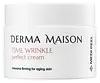
This anti-aging moisturizer is formulated around Squalane and Adenosine to soften the look of wrinkles and hydrate skin.
This anti-aging moisturizer is formulated around Honey Extract and Palmitoyl Oligopeptide to soften the look of wrinkles and hydrate skin.


What's inside
What's inside
 Key Ingredients
Benefits
Concerns
Ingredients Side-by-side
Water
Skin ConditioningCaprylic/Capric Triglyceride
Masking


Glycerin
Humectant
Ethylhexyl Palmitate
Emollient




1,2-Hexanediol
Skin Conditioning
Phytosteryl/Isostearyl/Cetyl/Stearyl/Behenyl Dimer Dilinoleate
Skin Conditioning
Beeswax
Emulsion Stabilising
Methyl Gluceth-20
Humectant
Butylene Glycol
Humectant
Dimethicone
Emollient
Arginine
Masking
Acrylates/C10-30 Alkyl Acrylate Crosspolymer
Emulsion StabilisingButyrospermum Parkii Butter
Skin Conditioning
Glyceryl Stearate
Emollient
PEG-100 Stearate
Surfactant
Cyclopentasiloxane
Emollient
Polysorbate 60
Emulsifying
Squalane
Emollient
Sodium Polyacrylate
Absorbent
Cyclohexasiloxane
Emollient
Sodium Acrylate/Sodium Acryloyldimethyl Taurate Copolymer
Emulsion StabilisingTocopheryl Acetate
Antioxidant


Hydrogenated Lecithin
Emulsifying
Isohexadecane
EmollientEthylhexylglycerin
Skin ConditioningAdenosine
Skin Conditioning
Xanthan Gum
EmulsifyingPolysorbate 80
Emulsifying
Disodium EDTA
ChelatingSorbitan Oleate
Emulsifying
Hydrolyzed Collagen
Emollient
Xylitylglucoside
Humectant
Anhydroxylitol
Humectant
Dextrin
AbsorbentXylitol
Humectant
Glucose
Humectant
Propanediol
Solvent
Sodium Hyaluronate
Humectant

Beta-Glucan
Skin Conditioning
Caprylyl Glycol
Emollient
Sodium Citrate
BufferingPolysorbate 20
Emulsifying
Hydrolyzed Hyaluronic Acid
Humectant
Hydrolyzed Sodium Hyaluronate
Skin Conditioning
Poria Cocos Extract
Skin ConditioningPhragmites Communis Extract
Skin ConditioningSodium Benzoate
Masking
Lecithin
Emollient
Citric Acid
Buffering
Hydroxypropyltrimonium Hyaluronate
Sodium Acetylated Hyaluronate
Humectant
Palmitoyl Pentapeptide-4
Skin Conditioning

Dimethylsilanol Hyaluronate
Humectant
Sodium Hyaluronate Crosspolymer
Humectant
Pentylene Glycol
Skin Conditioning
Hyaluronic Acid
Humectant
Potassium Hyaluronate
Skin ConditioningParfum
Masking


Theobroma Cacao Extract
Skin ConditioningCI 15985
Cosmetic ColorantCI 19140
Cosmetic ColorantWater, Caprylic/Capric Triglyceride, Glycerin, Ethylhexyl Palmitate, 1,2-Hexanediol, Phytosteryl/Isostearyl/Cetyl/Stearyl/Behenyl Dimer Dilinoleate, Beeswax, Methyl Gluceth-20, Butylene Glycol, Dimethicone, Arginine, Acrylates/C10-30 Alkyl Acrylate Crosspolymer, Butyrospermum Parkii Butter, Glyceryl Stearate, PEG-100 Stearate, Cyclopentasiloxane, Polysorbate 60, Squalane, Sodium Polyacrylate, Cyclohexasiloxane, Sodium Acrylate/Sodium Acryloyldimethyl Taurate Copolymer, Tocopheryl Acetate, Hydrogenated Lecithin, Isohexadecane, Ethylhexylglycerin, Adenosine, Xanthan Gum, Polysorbate 80, Disodium EDTA, Sorbitan Oleate, Hydrolyzed Collagen, Xylitylglucoside, Anhydroxylitol, Dextrin, Xylitol, Glucose, Propanediol, Sodium Hyaluronate, Beta-Glucan, Caprylyl Glycol, Sodium Citrate, Polysorbate 20, Hydrolyzed Hyaluronic Acid, Hydrolyzed Sodium Hyaluronate, Poria Cocos Extract, Phragmites Communis Extract, Sodium Benzoate, Lecithin, Citric Acid, Hydroxypropyltrimonium Hyaluronate, Sodium Acetylated Hyaluronate, Palmitoyl Pentapeptide-4, Dimethylsilanol Hyaluronate, Sodium Hyaluronate Crosspolymer, Pentylene Glycol, Hyaluronic Acid, Potassium Hyaluronate, Parfum, Theobroma Cacao Extract, CI 15985, CI 19140
Water
Skin ConditioningHoney Extract
Humectant
C12-15 Alkyl Benzoate
AntimicrobialDimethicone
Emollient
Hydroxyethyl Acrylate/Sodium Acryloyldimethyl Taurate Copolymer
Emulsion StabilisingEthoxydiglycol
HumectantButylene Glycol
Humectant
Isohexadecane
EmollientCyclopentasiloxane
Emollient
Ethylhexyl Palmitate
Emollient
Polymethyl Methacrylate

Hibiscus Abelmoschus Extract
MaskingChenopodium Quinoa Seed Extract
Skin Conditioning
Palmitoyl Oligopeptide
Cleansing
Cetyl Alcohol
Emollient
Echinacea Purpurea Extract
MoisturisingAlgae Extract
Emollient
Cyclohexasiloxane
Emollient
Helianthus Annuus Seed Oil
Emollient
Sodium Hyaluronate
Humectant
PEG-8
HumectantIlex Paraguariensis Leaf Extract
Perfuming
PEG-7 Trimethylolpropane Coconut Ether
Emulsifying
Squalane
Emollient
Steareth-20
CleansingTocopheryl Acetate
Antioxidant
Laminaria Digitata Extract
Skin Protecting
Aloe Barbadensis Leaf Juice
Skin Conditioning
Sorbitan Isostearate
Emulsifying
Polyisobutene
PEG-75 Stearate
Surfactant
Glyceryl Stearate
Emollient
Polysorbate 60
Emulsifying
Ceteth-20
CleansingGlyceryl Polymethacrylate
Disodium EDTA
ChelatingAminomethyl Propanol
BufferingParfum
Masking
Phenoxyethanol
Preservative
Chlorphenesin
Antimicrobial
Water, Honey Extract, C12-15 Alkyl Benzoate, Dimethicone, Hydroxyethyl Acrylate/Sodium Acryloyldimethyl Taurate Copolymer, Ethoxydiglycol, Butylene Glycol, Isohexadecane, Cyclopentasiloxane, Ethylhexyl Palmitate, Polymethyl Methacrylate, Hibiscus Abelmoschus Extract, Chenopodium Quinoa Seed Extract, Palmitoyl Oligopeptide, Cetyl Alcohol, Echinacea Purpurea Extract, Algae Extract, Cyclohexasiloxane, Helianthus Annuus Seed Oil, Sodium Hyaluronate, PEG-8, Ilex Paraguariensis Leaf Extract, PEG-7 Trimethylolpropane Coconut Ether, Squalane, Steareth-20, Tocopheryl Acetate, Laminaria Digitata Extract, Aloe Barbadensis Leaf Juice, Sorbitan Isostearate, Polyisobutene, PEG-75 Stearate, Glyceryl Stearate, Polysorbate 60, Ceteth-20, Glyceryl Polymethacrylate, Disodium EDTA, Aminomethyl Propanol, Parfum, Phenoxyethanol, Chlorphenesin
Ingredients Explained
These ingredients are found in both products.
Ingredients higher up in an ingredient list are typically present in a larger amount.
Butylene Glycol (or BG) is used within cosmetic products for a few different reasons:
Overall, Butylene Glycol is a safe and well-rounded ingredient that works well with other ingredients.
Though this ingredient works well with most skin types, some people with sensitive skin may experience a reaction such as allergic rashes, closed comedones, or itchiness.
Learn more about Butylene GlycolCyclohexasiloxane is a type of silicone more commonly known as D6. It is an emollient and solvent.
Cyclohexasiloxane is used to evenly distribute ingredients throughout the product. When applied to the skin, Cyclohexasiloxane evaporates and leaves behind a silky feel.
As an emollient, it can help the skin feel soft and hydrated. It is also used to reduce frizz in hair products.
Learn more about CyclohexasiloxaneCyclopentasiloxane (D5) is a lightweight silicone that mostly acts as an emollient and solvent in cosmetics. Its the reason your products feel silky, fast-spreading, and non-greasy.
Since D5 is volatile, it does its thing and then evaporates off the skin quickly.
The safety profile of this ingredient is reassuring; the US CIR Expert Panel concluded D5 is safe as used in cosmetics and Health Canada concluded that D5 is not harmful to human health or the environment as currently used in cosmetics
There's a study that people mention about D5 in a rat study showing tumors. This study is related to long-term inhalation of high D5 levels.
Regulatory bodies have judged this study to be not applicable in topical skincare since skin absorption of D5 is very low and we're not really inhaling huge amounts of D5.
The only restriction for this ingredient is environmental. The European Chemicals Agency (ECHA) restricted D5 in wash-off cosmetics at or above 0.1% due to their persistence in water.
Learn more about CyclopentasiloxaneDimethicone is a type of synthetic silicone created from natural materials such as quartz. It is also known as polydimethylsiloxane.
What it does:
Dimethicone comes in different viscosities:
Depending on the viscosity, dimethicone has different properties.
Ingredients lists don't always show which type is used, so we recommend reaching out to the brand if you have questions about the viscosity.
This ingredient is unlikely to cause irritation because it does not get absorbed into skin. However, people with silicone allergies should be careful about using this ingredient.
Note: Dimethicone may contribute to pilling. This is because it is not oil or water soluble, so pilling may occur when layered with products. When mixed with heavy oils in a formula, the outcome is also quite greasy.
Learn more about DimethiconeDisodium EDTA is a chelating agent. It grabs onto and deactivates metal ions that sneak into your products from water, packaging, or air.
This ingredient mainly works behind the scenes and helps with:
On top of that, this ingredient can counteract the effects of hard water by binding to the minerals in it.
One thing worth knowing is that Disodium EDTA has been shown to be a mild penetration enhancer. It can help other ingredients absorb into skin more effectively which can be a double-edged sword (great for actives, but can also make the active too strong if you have sensitive skin).
Clinical patch testing showed no significant skin irritation at typical use concentrations and minimal dermal absorption.
You'll most likely see this ingredient near the end of an ingredient list. It's typically found in concentrations less than 1%.
Learn more about Disodium EDTAEthylhexyl Palmitate, also known as octyl palmitate, is created from 2-ethylhexyl alcohol and palmitic acid.
In cosmetics, it plays many roles:
One thing worth noting: a controlled study found this ingredient applied under occlusion to acne-prone subjects increased microcomedones. Just keep in mind this was under occlusive conditions and don't reflect how most products are used day-to-day.
For most people, this is a well-tolerated and lightweight ingredient.
This ingredient may not be fungal acne safe because it is an ester of palmitic acid, a C16 fatty acid that falls within the C11-24 range that Malassezia can metabolize.
You'll see this one rated 4 comedogenic all over the internet. That number isn't from a single study, and the actual research is more interesting.
The original rating comes from 1980s rabbit ear tests (which are a shaky basis for anything). But Ethylhexyl Palmitate is one of the few ingredients with real human data behind it. A 2021 controlled trial found this ingredient increased microcomedones by an average of 365% over four weeks.
Just know that test used the pure ingredient under an occlusive pad on back skin; most products use it at much lower levels alongside other ingredients and plenty of people use those with no issue.
Learn more about Ethylhexyl PalmitateGlyceryl Stearate is made by reacting glycerin with stearic acid (typically sourced from plant oils like palm or coconut). It's an emulsifier, emollient, and mild occlusive.
Emulsifiers help ingredients like oil and water stay mixed so your formula stays nicely blended and uniform in texture.
This ingredient is typically used in concentrations between 1-10%. Studies have found it to be non-sensitizing, non-phototoxic, and non-photoallergenic.
A close cousin of this ingredient is Glyceryl Stearate SE ("self-emulsifying"). This just has a small amount of sodium or potassium stearate added so it can emulsify without a co-emulsifier.
Since this ingredient is an ester of a C18 fatty acid, it may not be fungal acne safe. The Malassezia yeast can potentially metabolize within the C11-C24 range.
Fun fact: The human body also creates Glyceryl Stearate naturally.
Learn more about Glyceryl StearateIsohexadecane is added to enhance texture, emulsify, and to help cleanse. It is an isoparrafin. It is a component of petrolatum.
Due to its large size, Isohexadecane is not absorbed by the skin. Instead, it sits on top and acts as an emollient. Emollients help keep your skin soft and smooth by trapping moisture within.
Isohexadecane is often used in products designed to help oily skin. It is lightweight and non-greasy while helping to moisturize. When mixed with silicones, it gives a product a silky feel.
Learn more about IsohexadecaneParfum is a catch-all term for an ingredient or more that is used to give a scent to products.
Also called "fragrance", this ingredient can be a blend of hundreds of chemicals or plant oils. This means every product with "fragrance" or "parfum" in the ingredients list is a different mixture.
For instance, Habanolide is a proprietary trade name for a specific aroma chemical. When used as a fragrance ingredient in cosmetics, most aroma chemicals fall under the broad labeling category of “FRAGRANCE” or “PARFUM” according to EU and US regulations.
The term 'parfum' or 'fragrance' is not regulated in many countries. In many cases, it is up to the brand to define this term.
For instance, many brands choose to label themselves as "fragrance-free" because they are not using synthetic fragrances. However, their products may still contain ingredients such as essential oils that are considered a fragrance by INCI standards.
One example is Calendula flower extract. Calendula is an essential oil that still imparts a scent or 'fragrance'.
Depending on the blend, the ingredients in the mixture can cause allergies and sensitivities on the skin. Some ingredients that are known EU allergens include linalool and citronellol.
Parfum can also be used to mask or cover an unpleasant scent.
The bottom line is: not all fragrances/parfum/ingredients are created equally. If you are worried about fragrances, we recommend taking a closer look at an ingredient. And of course, we always recommend speaking with a professional.
Learn more about ParfumPolysorbate 60 is used to help stabilize products. It is a surfactant and emulsifier. These properties help keep ingredients together in a product. Surfactants help reduce surface tension between ingredients with different states, such as liquids and solids. Emulsifiers help prevent oils and waters from separating.
Polysorbate 60 is sorbitol-based and created from the ethoxylation of sorbitan. Ethoxylation is a chemical reaction used to add ethylene oxide. Sorbitan is a the dehydrated version of sorbitol, a sugar found in fruits.
In this case, the 60 comes from reacting 60 units of ethylene oxide with sorbitan.
Polysorbates are commonly used in medicine and foods.
Learn more about Polysorbate 60Sodium Hyaluronate is the salt form of hyaluronic acid. It is a long sugar chain that is naturally found in your skin, joints, and connective tissue that maintains hydration and elasticity.
In skincare, it works as a humectant. It pulls water from the environment and deeper layers of skin and binds it to the surface.
Interestingly, the size of the molecule affects its behavior:
Some clinical evidence links low molecular weight versions to improved wrinkle depth, elasticity, anti-inflammatory effects, and barrier repair.
Many serums use a blend of both weights so you can get surface hydration plus longer-lasting and deeper effects.
You'll typically see concentrations between 0.1-2% for this ingredient.
Learn more about Sodium HyaluronateSqualane is the hydrogenated and shelf-stable form of squalene (a lipid that naturally occurs in human sebum).
It is an emollient and skin conditioning agent that is able to integrate seamlessly into the skin's lipid barrier without clogging pores.
This is due to how structurally similar it is to what your skin already produces.
Though it is mostly an emollient that helps soften and hydrate skin, it also has some humectant and occlusive action. Humectants help the skin retain moisture while occlusives seal it in, making squalane a triple-threat moisturizer.
Research shows it has antioxidant capabilities that help protect against stressors like UV exposure, specifically UVA induced oxidative stress. This study also found that it supports collagen biosynthesis in human dermal fibroblasts.
No clinical study has reported significant adverse effects and irritation reactions are very rare from this ingredient (even at 100% concentration).
Overall, it's a fantastic ingredient for hydration and is suitable for all skin types.
This depends on the source. Squalane can be derived from both plants and animals. Most squalane used in skincare comes from plants.
Please note: the source of squalane is only known if disclosed by the brand. We recommend reaching out to the brand if you have any questions about their squalane.
Read more about squalene with an "e".
Though squalane is often called an oil, it’s technically not one. It is a hydrocarbon, meaning it is only made of carbon and hydrogen. True oils are triglycerides and made of fatty acids and glycerol.
The term “oil-free” isn’t regulated so companies can define it however they want. Some exclude all oils, while others just avoid mineral oil or comedogenic oils.
Squalane has a comedogenic rating of 1 from the original 1972 study that tested raw ingredients under occlusion on rabbit ears. This system is not standardized or peer-reviewed, and using the raw ingredients is very different from how diluted cosmetic formulations are used on human skin.
A comedogenic rating of 1 means it is "unlikely to clog pores" according to the original rating system.
The overall formula of a product matters more than the individual ingredients on whether or not it will cause clogged pores.
Learn more about SqualaneTocopheryl Acetate is a stable, shelf-friendly form of vitamin E.
Formulators love it because plain vitamin E oxidizes quickly once it hits air. This acetate version stays stable and resists going off, helping to extend a product's shelf life.
It's actually inactive on its own and works like a slow-release "storage" form; the enzymes in your skin called esterases gradually convert it into active vitamin E over time.
One in vivo study showed 5% of the acetate in the living layer of the epidermis converted to vitamin E after 5 days of application. This study also found the skin gained protection against UV damage even though the conversion was slow and small.
Once converted, vitamin E acts as a skin's main fat-soluble antioxidant that fights free radicals to protect skin from damage.
Topical vitamin E generally boosts the skin's photoprotection, and it reduced UV-damage in animal models.
This ingredient has some brightening potential but it's more of a prevention ingredient than spot-fader. Cell studies show it can slow down melanin production but it's worth noting that it's not the most powerful brightener out there.
Overall, it has a pretty solid safety profile and has been found to be non-irritating and non-comedogenic. Allergic reactions may happen but stay rare due to how widely the ingredient gets used.
The concentration will vary depending on the formula; industry data shows 0.1% in baby lotions, 3% in lipsticks, and 5% in foot powders. You can also find this ingredient at 100% in a pure vitamin E oil.
Most leave-on skincare keeps it at the lower end, often between 0.5-1%.
Learn more about Tocopheryl AcetateWater. It's the most common cosmetic ingredient of all. You'll usually see it at the top of ingredient lists, meaning that it makes up the largest part of the product.
So why is it so popular? Water most often acts as a solvent - this means that it helps dissolve other ingredients into the formulation.
You'll also recognize water as that liquid we all need to stay alive. If you see this, drink a glass of water. Remember to stay hydrated!
Learn more about Water

