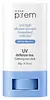
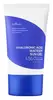
Make p:rem Defense Me Calming Sun Stick SPF50+ PA++++ Versus Isntree Hyaluronic Acid Watery Sun Gel SPF 50+ PA++++
This hybrid sunscreen covers the full UV range and blocks ~98% of UVB at SPF 50.
This chemical sunscreen covers the full UV range and blocks ~98% of UVB at SPF 50.

What's inside
What's inside
 Key Ingredients
Benefits
Concerns
Ingredients Side-by-side
Isopropyl Palmitate
Emollient




Zinc Oxide
Cosmetic Colorant


Polyethylene
Abrasive
Coco-Caprylate/Caprate
Emollient
Benzotriazolyl Dodecyl P-Cresol
UV AbsorberButylene Glycol Dicaprylate/Dicaprate
EmollientC12-15 Alkyl Benzoate
AntimicrobialVinyl Dimethicone/Methicone Silsesquioxane Crosspolymer

Acrylates Copolymer
Caprylic/Capric Triglyceride
Masking

Methyl Methacrylate Crosspolymer
Butyloctyl Salicylate
Skin Conditioning
Vinyldimethicone
Ozokerite
Emulsion StabilisingPolymethyl Methacrylate
Synthetic Fluorphlogopite
Moringa Oleifera Seed Extract
Skin Conditioning
Cardiospermum Halicacabum Flower/Leaf/Vine Extract
Skin ConditioningRosmarinus Officinalis Leaf Extract
AntimicrobialBambusa Vulgaris Water
Skin ConditioningRibes Nigrum Seed Oil
Emollient
Helianthus Annuus Seed Oil
Emollient
Cerium Oxide
Helianthus Annuus Seed Oil Unsaponifiables
Emollient
Fructan
Skin ConditioningPyrus Communis Fruit Extract
Skin ConditioningPrunus Persica Fruit Extract
Abrasive
Cucumis Melo Fruit Extract
Skin ConditioningHedera Helix Leaf/Stem Extract
AntimicrobialSolidago Virgaurea Extract
Skin ConditioningEugenia Caryophyllus Bud Extract
Perfuming
Rosa Damascena Flower Water
Masking
Jasminum Officinale Flower Water
MaskingCaprylyl Glycol
Emollient
Polyglyceryl-4 Diisostearate/Polyhydroxystearate/Sebacate
Emulsifying
Triethoxycaprylylsilane
Polyhydroxystearic Acid
Emulsifying
Polymethylsilsesquioxane
Silica
Abrasive
Propanediol
Solvent
Hydrogen Dimethicone
Tocopherol
Antioxidant




1,2-Hexanediol
Skin Conditioning
Water
Skin ConditioningOctyldodecanol
Emollient
Maltodextrin
Absorbent
Isopropyl Palmitate, Zinc Oxide, Polyethylene, Coco-Caprylate/Caprate, Benzotriazolyl Dodecyl P-Cresol, Butylene Glycol Dicaprylate/Dicaprate, C12-15 Alkyl Benzoate, Vinyl Dimethicone/Methicone Silsesquioxane Crosspolymer, Acrylates Copolymer, Caprylic/Capric Triglyceride, Methyl Methacrylate Crosspolymer, Butyloctyl Salicylate, Vinyldimethicone, Ozokerite, Polymethyl Methacrylate, Synthetic Fluorphlogopite, Moringa Oleifera Seed Extract, Cardiospermum Halicacabum Flower/Leaf/Vine Extract, Rosmarinus Officinalis Leaf Extract, Bambusa Vulgaris Water, Ribes Nigrum Seed Oil, Helianthus Annuus Seed Oil, Cerium Oxide, Helianthus Annuus Seed Oil Unsaponifiables, Fructan, Pyrus Communis Fruit Extract, Prunus Persica Fruit Extract, Cucumis Melo Fruit Extract, Hedera Helix Leaf/Stem Extract, Solidago Virgaurea Extract, Eugenia Caryophyllus Bud Extract, Rosa Damascena Flower Water, Jasminum Officinale Flower Water, Caprylyl Glycol, Polyglyceryl-4 Diisostearate/Polyhydroxystearate/Sebacate, Triethoxycaprylylsilane, Polyhydroxystearic Acid, Polymethylsilsesquioxane, Silica, Propanediol, Hydrogen Dimethicone, Tocopherol, 1,2-Hexanediol, Water, Octyldodecanol, Maltodextrin
Water
Skin ConditioningButylene Glycol
Humectant
Ethylhexyl Salicylate
UV Absorber
Homosalate
Skin Conditioning
Dibutyl Adipate
EmollientNiacinamide
Smoothing



Bis-Ethylhexyloxyphenol Methoxyphenyl Triazine
UV Absorber
Cyclopentasiloxane
Emollient
Methylene Bis-Benzotriazolyl Tetramethylbutylphenol
UV Filter
Polysilicone-15
UV Filter
Diethylamino Hydroxybenzoyl Hexyl Benzoate
UV Filter
1,2-Hexanediol
Skin Conditioning
Pentylene Glycol
Skin Conditioning
Pinus Pinaster Bark Extract
Antioxidant
Ceramide NP
Skin Conditioning
Centella Asiatica Extract
Cleansing
Glycerin
Humectant
Portulaca Oleracea Extract
Skin Conditioning
Houttuynia Cordata Extract
Skin Conditioning
Olea Europaea Fruit Oil
Masking
Ficus Carica Fruit Extract
Humectant
Sodium Hyaluronate
Humectant
Ceteth-10
EmulsifyingHydrogenated Lecithin
Emulsifying
Decyl Glucoside
Cleansing
Propanediol
Solvent
Tocopherol
Antioxidant
Astaxanthin
Skin Conditioning
Hyaluronic Acid
Humectant
Sodium Hyaluronate Crosspolymer
Humectant
Ascorbyl Propyl Hyaluronate
Skin Conditioning
Hydrolyzed Hyaluronic Acid
Humectant
Hydroxypropyltrimonium Hyaluronate
Acrylates/C10-30 Alkyl Acrylate Crosspolymer
Emulsion StabilisingSodium Acetylated Hyaluronate
Humectant
Hydrolyzed Sodium Hyaluronate
Skin Conditioning
Adenosine
Skin Conditioning
Xanthan Gum
EmulsifyingCetyl PEG/PPG-10/1 Dimethicone
Emulsifying
Tromethamine
BufferingCarbomer
Emulsion StabilisingPropylene Glycol
Humectant
Ethylhexylglycerin
Skin ConditioningWater, Butylene Glycol, Ethylhexyl Salicylate, Homosalate, Dibutyl Adipate, Niacinamide, Bis-Ethylhexyloxyphenol Methoxyphenyl Triazine, Cyclopentasiloxane, Methylene Bis-Benzotriazolyl Tetramethylbutylphenol, Polysilicone-15, Diethylamino Hydroxybenzoyl Hexyl Benzoate, 1,2-Hexanediol, Pentylene Glycol, Pinus Pinaster Bark Extract, Ceramide NP, Centella Asiatica Extract, Glycerin, Portulaca Oleracea Extract, Houttuynia Cordata Extract, Olea Europaea Fruit Oil, Ficus Carica Fruit Extract, Sodium Hyaluronate, Ceteth-10, Hydrogenated Lecithin, Decyl Glucoside, Propanediol, Tocopherol, Astaxanthin, Hyaluronic Acid, Sodium Hyaluronate Crosspolymer, Ascorbyl Propyl Hyaluronate, Hydrolyzed Hyaluronic Acid, Hydroxypropyltrimonium Hyaluronate, Acrylates/C10-30 Alkyl Acrylate Crosspolymer, Sodium Acetylated Hyaluronate, Hydrolyzed Sodium Hyaluronate, Adenosine, Xanthan Gum, Cetyl PEG/PPG-10/1 Dimethicone, Tromethamine, Carbomer, Propylene Glycol, Ethylhexylglycerin
Reviews
Ingredients Explained
These ingredients are found in both products.
Ingredients higher up in an ingredient list are typically present in a larger amount.
1,2-Hexanediol is a synthetic liquid and another multi-functional powerhouse.
It is a:
- Humectant, drawing moisture into the skin
- Emollient, helping to soften skin
- Solvent, dispersing and stabilizing formulas
- Preservative booster, enhancing the antimicrobial activity of other preservatives
Propanediol is an all-star ingredient. It softens, hydrates, and smooths the skin.
It’s often used to:
Propanediol is not likely to cause sensitivity and considered safe to use. It is derived from corn or petroleum with a clear color and no scent.
Learn more about PropanediolTocopherol is a fat-soluble antioxidant known as Vitamin E.
You'll find this ingredient in the vast majority of skincare (for good reason). It works to neutralize free radicals, or unstable molecules generated by UV exposure, pollution, and other environmental stressors, before they can cause oxidative damage to your skin cells.
Topically applied tocopherol has been shown to protect against UV damage by ramping up the skin's own natural defense enzymes.
It also acts as a skin conditioning agent; some studies show that regular topical use can improve the skin's water-binding capacity over 2-4 weeks.
This ingredient is especially loved for being a team player. When combined with Vitamin C, the photoprotective effect of both ingredients roughly doubles and the combo also helps reduce UV-induced DNA damage.
This ingredient has some brightening potential but it's more of a prevention ingredient than spot-fader. Cell studies show it can slow down melanin production but it's worth noting that it's not the most powerful brightener out there.
In formulations, it also serves as a stabilizer that helps protect other oxidation-prone ingredients from degrading.
Concentrations usually range from 0.1-1% in most leave-on products.
Learn more about TocopherolWater. It's the most common cosmetic ingredient of all. You'll usually see it at the top of ingredient lists, meaning that it makes up the largest part of the product.
So why is it so popular? Water most often acts as a solvent - this means that it helps dissolve other ingredients into the formulation.
You'll also recognize water as that liquid we all need to stay alive. If you see this, drink a glass of water. Remember to stay hydrated!
Learn more about Water

