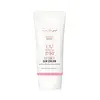
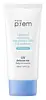
MACQUEEN UV Daily Sun Cream Matt Finish SPF 50+ Versus Make p:rem UV Defense Me. Daily Sun Essence SPF50+ PA++++
This hybrid sunscreen covers the full UV range and blocks ~98% of UVB at SPF 50.
This chemical sunscreen covers the full UV range and blocks ~98% of UVB at SPF 50.

What's inside
What's inside
 Key Ingredients
Benefits
Concerns
Ingredients Side-by-side
Water
Skin ConditioningCyclopentasiloxane
Emollient
Silica
Abrasive


Glycerin
Humectant


Titanium Dioxide
Cosmetic Colorant

Ethylhexyl Methoxycinnamate
UV Absorber
Ethylhexyl Salicylate
UV Absorber
Dimethicone
Emollient
Zinc Oxide
Cosmetic Colorant
Cyclohexasiloxane
Emollient
Cetyl PEG/PPG-10/1 Dimethicone
Emulsifying
Sorbitan Sesquioleate
Emulsifying

Niacinamide
Smoothing







PEG-10 Dimethicone
Skin Conditioning
Hexyl Laurate
Emollient
Ozokerite
Emulsion StabilisingDimethicone/Vinyl Dimethicone Crosspolymer
Skin Conditioning
Sodium Chloride
MaskingStearic Acid
Cleansing
Phenoxyethanol
Preservative
Alumina
Abrasive
Xanthan Gum
EmulsifyingCI 77492
Cosmetic ColorantTriethoxycaprylylsilane
Parfum
Masking


Adenosine
Skin Conditioning
1,2-Hexanediol
Skin Conditioning
CI 77491
Cosmetic ColorantBiosaccharide Gum-4
Skin Conditioning
Houttuynia Cordata Extract
Skin Conditioning
Salix Alba Bark Extract
Astringent
Castanea Crenata Shell Extract
Skin ConditioningSodium Hyaluronate
Humectant
Centella Asiatica Extract
Cleansing
Chamomilla Recutita Flower Extract
Masking
Glycyrrhiza Glabra Root Extract
Bleaching
Camellia Sinensis Leaf Extract
Antimicrobial
Polygonum Cuspidatum Root Extract
Antioxidant
Rosmarinus Officinalis Leaf Extract
AntimicrobialScutellaria Baicalensis Root Extract
Astringent
Butylene Glycol
Humectant
CI 77499
Cosmetic ColorantWater, Cyclopentasiloxane, Silica, Glycerin, Titanium Dioxide, Ethylhexyl Methoxycinnamate, Ethylhexyl Salicylate, Dimethicone, Zinc Oxide, Cyclohexasiloxane, Cetyl PEG/PPG-10/1 Dimethicone, Sorbitan Sesquioleate, Niacinamide, PEG-10 Dimethicone, Hexyl Laurate, Ozokerite, Dimethicone/Vinyl Dimethicone Crosspolymer, Sodium Chloride, Stearic Acid, Phenoxyethanol, Alumina, Xanthan Gum, CI 77492, Triethoxycaprylylsilane, Parfum, Adenosine, 1,2-Hexanediol, CI 77491, Biosaccharide Gum-4, Houttuynia Cordata Extract, Salix Alba Bark Extract, Castanea Crenata Shell Extract, Sodium Hyaluronate, Centella Asiatica Extract, Chamomilla Recutita Flower Extract, Glycyrrhiza Glabra Root Extract, Camellia Sinensis Leaf Extract, Polygonum Cuspidatum Root Extract, Rosmarinus Officinalis Leaf Extract, Scutellaria Baicalensis Root Extract, Butylene Glycol, CI 77499
Water
Skin ConditioningDibutyl Adipate
EmollientPropanediol
Solvent
Diethylamino Hydroxybenzoyl Hexyl Benzoate
UV Filter
Polymethylsilsesquioxane
Ethylhexyl Triazone
UV Absorber
Methylene Bis-Benzotriazolyl Tetramethylbutylphenol
UV Filter
Coco-Caprylate/Caprate
Emollient
Caprylyl Methicone
Skin Conditioning
Diethylhexyl Butamido Triazone
UV Absorber
Glycerin
Humectant
Butylene Glycol
Humectant
1,2-Hexanediol
Skin Conditioning
Moringa Oleifera Seed Extract
Skin Conditioning
Lespedeza Capitata Leaf/Stem Extract
Skin ConditioningCardiospermum Halicacabum Flower/Leaf/Vine Extract
Skin ConditioningRosmarinus Officinalis Leaf Extract
AntimicrobialNymphaea Alba Flower Extract
Skin ConditioningBambusa Vulgaris Water
Skin ConditioningRibes Nigrum Seed Oil
Emollient
Helianthus Annuus Seed Oil
Emollient
Pyrus Communis Fruit Extract
Skin ConditioningPrunus Persica Fruit Extract
Abrasive
Cucumis Melo Fruit Extract
Skin ConditioningHedera Helix Leaf/Stem Extract
AntimicrobialRosa Damascena Flower Water
Masking
Jasminum Officinale Flower Water
MaskingPentylene Glycol
Skin Conditioning
Behenyl Alcohol
Emollient
Poly C10-30 Alkyl Acrylate
Emulsion StabilisingPolyglyceryl-3 Methylglucose Distearate
Emulsifying
Decyl Glucoside
Cleansing
Tromethamine
BufferingCarbomer
Emulsion StabilisingAcrylates/C10-30 Alkyl Acrylate Crosspolymer
Emulsion StabilisingSodium Stearoyl Glutamate
CleansingPolyacrylate Crosspolymer-6
Emulsion StabilisingEthylhexylglycerin
Skin ConditioningXanthan Gum
EmulsifyingT-Butyl Alcohol
Perfuming

Tocopherol
Antioxidant
Octyldodecanol
Emollient
Dipropylene Glycol
HumectantMaltodextrin
Absorbent
Sodium Palmitoyl Proline
Skin ConditioningFructan
Skin ConditioningHelianthus Annuus Seed Oil Unsaponifiables
Emollient
Biosaccharide Gum-4
Skin Conditioning
Water, Dibutyl Adipate, Propanediol, Diethylamino Hydroxybenzoyl Hexyl Benzoate, Polymethylsilsesquioxane, Ethylhexyl Triazone, Methylene Bis-Benzotriazolyl Tetramethylbutylphenol, Coco-Caprylate/Caprate, Caprylyl Methicone, Diethylhexyl Butamido Triazone, Glycerin, Butylene Glycol, 1,2-Hexanediol, Moringa Oleifera Seed Extract, Lespedeza Capitata Leaf/Stem Extract, Cardiospermum Halicacabum Flower/Leaf/Vine Extract, Rosmarinus Officinalis Leaf Extract, Nymphaea Alba Flower Extract, Bambusa Vulgaris Water, Ribes Nigrum Seed Oil, Helianthus Annuus Seed Oil, Pyrus Communis Fruit Extract, Prunus Persica Fruit Extract, Cucumis Melo Fruit Extract, Hedera Helix Leaf/Stem Extract, Rosa Damascena Flower Water, Jasminum Officinale Flower Water, Pentylene Glycol, Behenyl Alcohol, Poly C10-30 Alkyl Acrylate, Polyglyceryl-3 Methylglucose Distearate, Decyl Glucoside, Tromethamine, Carbomer, Acrylates/C10-30 Alkyl Acrylate Crosspolymer, Sodium Stearoyl Glutamate, Polyacrylate Crosspolymer-6, Ethylhexylglycerin, Xanthan Gum, T-Butyl Alcohol, Tocopherol, Octyldodecanol, Dipropylene Glycol, Maltodextrin, Sodium Palmitoyl Proline, Fructan, Helianthus Annuus Seed Oil Unsaponifiables, Biosaccharide Gum-4
Ingredients Explained
These ingredients are found in both products.
Ingredients higher up in an ingredient list are typically present in a larger amount.
1,2-Hexanediol is a synthetic liquid and another multi-functional powerhouse.
It is a:
- Humectant, drawing moisture into the skin
- Emollient, helping to soften skin
- Solvent, dispersing and stabilizing formulas
- Preservative booster, enhancing the antimicrobial activity of other preservatives
This is a fermented gum derived from sorbitol, a sugar alcohol.
According to a manufacturer, this ingredient's high molecular weight makes it an effective emollient.
Emollients help keep the skin hydrated by preventing water from evaporating.
Learn more about Biosaccharide Gum-4Butylene Glycol (or BG) is used within cosmetic products for a few different reasons:
Overall, Butylene Glycol is a safe and well-rounded ingredient that works well with other ingredients.
Though this ingredient works well with most skin types, some people with sensitive skin may experience a reaction such as allergic rashes, closed comedones, or itchiness.
Learn more about Butylene GlycolGlycerin (or glycerol) is a compound naturally found in your skin. It's a powerhouse humectant that pulls water into the stratum corneum.
Topically, glycerin does several things at once:
Your skin makes glycerin on its own (mostly from sebaceous oil breakdown) and shuttles it to your outermost layer of skin, or your epidermis, via aquaporin-3.
Aquaporin-3 is a transporter that is essential for normal skin hydration, elasticity, and repair. Interestingly, mice lacking in AQP3 have dry and less elastic skin that can be fully corrected with glycerin.
This ingredient is non-irritating, plays well with almost every ingredient, and works across all skin types. Typical use is anywhere between 3-10% but can go up to 79% in some leave-on products.
Just know very high concentrations (>40%) can feel tacky in low humidity.
Glycerin is the name for this ingredient in American English. British English uses Glycerol/Glycerine.
Learn more about GlycerinThis is a botanical extract from the rosemary plant (the same one you cook with). In skincare, it mostly works as a skin conditioning agent.
Its activity comes from a handful of polyphenols, carnosic acid, carnosol, and rosmarinic acid. Almost 90% of the antioxidant activity of this ingredient can be attributed to canosol and carnosic acid.
These compounds protect your skin two ways:
1) They fight off free radicals, or the unstable molecules from things like sun and pollution that age and damage skin.
2) They help calm inflammation by switching off the chemical signals that tell skin to get red and irritated.
Lab studies also suggest that rosmarinic acid may help protect collagen and slow sugar-related damage to it.
The Cosmetic Ingredient Review has concluded rosemary-derived ingredients to be safe when formulated to be non-sensitizing.
Rosemary can occasionally cause allergic contact dermatitis (due to carnosol), so be sure to patch test if you have reactive or fragrance-sensitive skin.
Learn more about Rosmarinus Officinalis Leaf ExtractWater. It's the most common cosmetic ingredient of all. You'll usually see it at the top of ingredient lists, meaning that it makes up the largest part of the product.
So why is it so popular? Water most often acts as a solvent - this means that it helps dissolve other ingredients into the formulation.
You'll also recognize water as that liquid we all need to stay alive. If you see this, drink a glass of water. Remember to stay hydrated!
Learn more about WaterXanthan gum is used as a stabilizer and thickener within cosmetic products. It helps give products a sticky, thick feeling - preventing them from being too runny.
On the technical side of things, xanthan gum is a polysaccharide - a combination consisting of multiple sugar molecules bonded together.
Xanthan gum is a pretty common and great ingredient. It is a natural, non-toxic, non-irritating ingredient that is also commonly used in food products.
Learn more about Xanthan Gum

