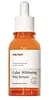
This brightening serum is formulated around Hippophae Rhamnoides Fruit Extract and Galactomyces Ferment Filtrate to brighten dull-looking skin and fade the look of dark spots.
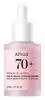
This brightening serum is formulated around Niacinamide and Alpha-Arbutin to brighten dull-looking skin and fade the look of dark spots.

What's inside
What's inside
 Key Ingredients
Benefits
Concerns
Ingredients Side-by-side
Hippophae Rhamnoides Fruit Extract 40%
Skin Conditioning


Galactomyces Ferment Filtrate
Humectant




Butylene Glycol
Humectant
Niacinamide 5%
Smoothing






Polyglycerin-3
Humectant
Glycerin
Humectant
1,2-Hexanediol
Skin Conditioning
Water
Skin ConditioningRosa Damascena Flower Water
Masking
Sodium Ascorbyl Phosphate
Antioxidant

Panthenol
Skin Conditioning
Biotin
AntiseborrhoeicCeramide NP
Skin Conditioning
Glycereth-26
Humectant
Linoleic Acid
Cleansing
Phytosphingosine
Skin Conditioning
Tocopherol
Antioxidant
Folic Acid
Skin ConditioningBetaine
Humectant
Caprylic/Capric Triglyceride
Masking
Pyridoxine
Skin ConditioningCyanocobalamin
Skin ConditioningRiboflavin
Cosmetic ColorantBeta-Carotene
Skin ConditioningInositol
Humectant
Thiamine Hcl
MaskingHydrogenated Lecithin
Emulsifying
Arginine
Masking
Ethylhexylglycerin
Skin ConditioningSqualane
Emollient
Cholesterol
Emollient
Acetylphytosphingosine
Skin ConditioningXanthan Gum
EmulsifyingPolyglyceryl-10 Stearate
Skin Conditioning
Curcuma Longa Root Extract
Antioxidant
Ocimum Sanctum Leaf Extract
Skin ConditioningPancratium Maritimum Extract
BleachingPolyglyceryl-10 Laurate
Skin Conditioning
Acrylates/C10-30 Alkyl Acrylate Crosspolymer
Emulsion StabilisingCorallina Officinalis Extract
Skin Conditioning

Coccinia Indica Fruit Extract
Skin Conditioning
Melia Azadirachta Flower Extract
Skin ConditioningPolyglyceryl-10 Myristate
Skin Conditioning
Cyamopsis Tetragonoloba Gum
Emulsion StabilisingAgar
MaskingButyrospermum Parkii Butter
Skin Conditioning
Melia Azadirachta Leaf Extract
Skin ConditioningHelianthus Annuus Seed Oil
Emollient
Citrus Aurantium Dulcis Peel Oil
Masking
Olea Europaea Fruit Oil
Masking
Limonene
Perfuming
Hippophae Rhamnoides Fruit Extract 40%, Galactomyces Ferment Filtrate, Butylene Glycol, Niacinamide 5%, Polyglycerin-3, Glycerin, 1,2-Hexanediol, Water, Rosa Damascena Flower Water, Sodium Ascorbyl Phosphate, Panthenol, Biotin, Ceramide NP, Glycereth-26, Linoleic Acid, Phytosphingosine, Tocopherol, Folic Acid, Betaine, Caprylic/Capric Triglyceride, Pyridoxine, Cyanocobalamin, Riboflavin, Beta-Carotene, Inositol, Thiamine Hcl, Hydrogenated Lecithin, Arginine, Ethylhexylglycerin, Squalane, Cholesterol, Acetylphytosphingosine, Xanthan Gum, Polyglyceryl-10 Stearate, Curcuma Longa Root Extract, Ocimum Sanctum Leaf Extract, Pancratium Maritimum Extract, Polyglyceryl-10 Laurate, Acrylates/C10-30 Alkyl Acrylate Crosspolymer, Corallina Officinalis Extract, Coccinia Indica Fruit Extract, Melia Azadirachta Flower Extract, Polyglyceryl-10 Myristate, Cyamopsis Tetragonoloba Gum, Agar, Butyrospermum Parkii Butter, Melia Azadirachta Leaf Extract, Helianthus Annuus Seed Oil, Citrus Aurantium Dulcis Peel Oil, Olea Europaea Fruit Oil, Limonene
Prunus Persica Fruit Water 70%
Masking
Glycerin
Humectant
Niacinamide 5%
Smoothing
Butylene Glycol
Humectant
Diethoxyethyl Succinate
SolventWater
Skin Conditioning1,2-Hexanediol
Skin Conditioning
Lactobacillus Ferment
Skin Conditioning
Sodium Hyaluronate
Humectant
Sphingomonas Ferment Extract
Skin Conditioning
Alpha-Arbutin
Antioxidant
Melia Azadirachta Flower Extract
Skin ConditioningOcimum Sanctum Leaf Extract
Skin ConditioningMelia Azadirachta Leaf Extract
Skin ConditioningCarthamus Tinctorius Seed Oil
Masking
Salvia Hispanica Seed Oil
Emollient
Curcuma Longa Root Extract
Antioxidant
Corallina Officinalis Extract
Skin Conditioning
Hydrolyzed Hyaluronic Acid
Humectant
Chamaecyparis Obtusa Leaf Extract
Skin ConditioningPrunus Persica Flower Extract
MoisturisingCamellia Sinensis Seed Oil
Humectant
Yeast Ferment Extract
Skin ConditioningCentella Asiatica Extract
Cleansing
Artemisia Princeps Leaf Extract
Skin ConditioningCandida Bombicola/Glucose/Methyl Rapeseedate Ferment
AntimicrobialPentylene Glycol
Skin Conditioning
Polyglyceryl-10 Laurate
Skin Conditioning
Betaine Salicylate
Antimicrobial
Sodium Phytate
ChelatingCellulose
Absorbent
Caprylic/Capric Triglyceride
Masking
Hydrogenated Lecithin
Emulsifying
Panthenol
Skin Conditioning
Polyglutamic Acid
Skin Conditioning
Linoleic Acid
Cleansing
Linolenic Acid
Cleansing
Polyglyceryl-10 Oleate
Skin Conditioning
Sucrose Palmitate
EmollientCyanocobalamin
Skin Conditioning3-O-Ethyl Ascorbic Acid
Skin Conditioning
Ceramide NP
Skin Conditioning
Asiaticoside
Antioxidant
Madecassic Acid
Skin Conditioning
Asiatic Acid
Skin Conditioning
Xanthan Gum
EmulsifyingParfum
Masking
Prunus Persica Fruit Water 70%, Glycerin, Niacinamide 5%, Butylene Glycol, Diethoxyethyl Succinate, Water, 1,2-Hexanediol, Lactobacillus Ferment, Sodium Hyaluronate, Sphingomonas Ferment Extract, Alpha-Arbutin, Melia Azadirachta Flower Extract, Ocimum Sanctum Leaf Extract, Melia Azadirachta Leaf Extract, Carthamus Tinctorius Seed Oil, Salvia Hispanica Seed Oil, Curcuma Longa Root Extract, Corallina Officinalis Extract, Hydrolyzed Hyaluronic Acid, Chamaecyparis Obtusa Leaf Extract, Prunus Persica Flower Extract, Camellia Sinensis Seed Oil, Yeast Ferment Extract, Centella Asiatica Extract, Artemisia Princeps Leaf Extract, Candida Bombicola/Glucose/Methyl Rapeseedate Ferment, Pentylene Glycol, Polyglyceryl-10 Laurate, Betaine Salicylate, Sodium Phytate, Cellulose, Caprylic/Capric Triglyceride, Hydrogenated Lecithin, Panthenol, Polyglutamic Acid, Linoleic Acid, Linolenic Acid, Polyglyceryl-10 Oleate, Sucrose Palmitate, Cyanocobalamin, 3-O-Ethyl Ascorbic Acid, Ceramide NP, Asiaticoside, Madecassic Acid, Asiatic Acid, Xanthan Gum, Parfum
Reviews
Ingredients Explained
These ingredients are found in both products.
Ingredients higher up in an ingredient list are typically present in a larger amount.
1,2-Hexanediol is a synthetic liquid and another multi-functional powerhouse.
It is a:
- Humectant, drawing moisture into the skin
- Emollient, helping to soften skin
- Solvent, dispersing and stabilizing formulas
- Preservative booster, enhancing the antimicrobial activity of other preservatives
Butylene Glycol (or BG) is used within cosmetic products for a few different reasons:
Overall, Butylene Glycol is a safe and well-rounded ingredient that works well with other ingredients.
Though this ingredient works well with most skin types, some people with sensitive skin may experience a reaction such as allergic rashes, closed comedones, or itchiness.
Learn more about Butylene GlycolCaprylic/Capric Triglyceride (aka MCT Oil) is a lightweight emollient, solvent, and texture enhancer. It is considered a skin-softener by helping to prevent moisture loss.
Though it behaves like an oil, it is not technically one due to its chemical composition. One perk of this ingredient is that it is very stable, resistant to oxidation, and unlikely to go rancid.
In practice, that translates to a long shelf life and a consistently elegant skin feel.
While there is an assumption Caprylic Triglyceride can clog pores due to it being derived from coconut oil, there is no research supporting this. Just patch test if you have concerns.
Fractionated coconut oil and MCT Oil are both listed as Caprylic/Capric Triglyceride according to INCI. This is because INCI names are based on the ingredient’s final chemical composition and not its marketing name or source.
This ingredient is treated as the gold standard fungal acne safe oil. Even though it is coconut derived, the problematic lauric acid is stripped out.
This leaves just caprylic (C8) and capric (C10) acid. These chain lengths actually trend antifungal; a 2020 study found caprylic acid was enough to disrupt Malassezia furfur cell membrane, with a caprylic acid derivative damaging membrane structures at concentrations as low as 0.2%.
Learn more about Caprylic/Capric TriglycerideCeramide NP (formerly known as Ceramide 3) is one of the skin's naturally occurring lipids.
Since ceramides are the major lipid components of the skin, they are crucial for maintaining skin barrier and hydration. Ceramide NP most closely mirrors the dominant kind in human skin amongst ceramide subtypes.
This ceramide works by slotting into gaps within the stratum corneum's lipid matrix to limit trans-epidermal water loss (TEWL) and shield the skin against external irritants.
A study with 312 patients found that using a ceramide-containing routine for 4 weeks reduced the severity of atopic dermatitis by over 61%.
Another clinical study in subjects aged 60 and older found that a ceramide body wash and moisturizer improved skin dryness and itchy skin in 15 days.
Overall, ceramides are considered non-irritating and safety tests have found little to no observable adverse effects from using this ingredient.
Ceramide NP is usually sourced from plants (like soybean or rice bran), or produced synthetically.
Learn more about Ceramide NPCorallina Officinalis Extract comes from the small red seaweed that grows on rocky coastlines that feels stiff to the touch because it builds calcium carbonate right into its cell walls.
That mineral content is basically its whole selling point: the extract brings calcium, magnesium, and trace minerals along with sugars (polysaccharides) and proteins. This is why formulators use it as a skin-conditioning and hydrating ingredient.
Lab testing does back up decent antioxidant activity for this species. A study comparing twelve red seaweeds found Corallina Officinalis stood out for its free-radical scavenging capacity. And a separate study found meaningful radical scavenging plus antibacterial activity from the raw biomass.
It's worth being clear that most of this is test-tube work on raw-algae and not a clinical trial on a finished cream.
On concentration, a 2020 industry survey found it's used at up to 2% in makeup and skincare. Safety-wise, it's as boring as it gets: the Cosmetic Ingredient Review Expert Panel concluded this ingredient (along with the powder, Thallus Extract, and Hydrolyzed versions) to be safe as used in cosmetics and cited negative sensitization data.
There's no meaningful record of it causing allergic contact dermatitis, but be sure to patch test if you are unsure.
You'll see algae/seaweed listed as a 5/5 on a lot of pore-clogging charts and that number doesn't come from anywhere; it's not in the original rabbit-ear studies that most comedogenic ratings trace back to.
The reasoning behind the reputation is that seaweed is high in iodine and iodine can trigger acne-like breakouts when eaten. This traces back to a 1976 letter in Archives of Dermatology describing two women whose breakouts cleared after they stopped taking high-dose kelp supplements orally.
And the reaction of these two women wasn't clogged pores at all: it was an iodine-triggered pustular rash. Later research found normal dietary iodine doesn't meaningfully affect acne either and nobody has shown topical seaweed delivers enough iodine to matter.
What we do have is dozens of brown and red algae ingredients found to be non-irritating and non-sensitizing, and a handful of studies that found algae compounds may actually help acne.
However, plenty of people do report breaking out from algae-containing products. Skin is individual and it's worth avoiding if yours has reacted to algae before.
Learn more about Corallina Officinalis ExtractCurcuma Longa Root Extract comes from the rhizome (underground stem) of the turmeric plant.
While the official EU Cosing Database lists this ingredient as a fragrance, it actually does more than give products a scent.
This ingredient contains a group of yellow pigments called curcuminoids (mostly curcumin) that give it genuine antioxidant and anti-inflammatory activity in skin.
Reviews of topical clinical studies have found turmeric/curcumin to be generally well-tolerated and useful across conditions like eczema and mild inflammation.
One thing working in its favor is that curcumin barely penetrates; in lab skin-permeation testing, the curcuminoids mostly stayed in the outermost layer of skin. This is a good thing because its soothing and antioxidant activity is a surface-level job anyway.
At this time, industry data shows there's no single "correct" cosmetic percentage. It's used across a wide range depending on the product and varies from tiny fractions of a percent up to a few percent.
Allergy-wise, curcumin is a documented (but uncommon) contact allergen. It can also cross react with related plants, so anyone with a turmeric/ginger/cinnamon allergy or reactive skin should patch test first.
Learn more about Curcuma Longa Root ExtractCyanocobalamin is the manufactured version of vitamin B12. It has skin soothing, antioxidant, and barrier protecting properties. Topical cyanocobalamin is used to treat skin irritation and atopic dermatitis.
Glycerin (or glycerol) is a compound naturally found in your skin. It's a powerhouse humectant that pulls water into the stratum corneum.
Topically, glycerin does several things at once:
Your skin makes glycerin on its own (mostly from sebaceous oil breakdown) and shuttles it to your outermost layer of skin, or your epidermis, via aquaporin-3.
Aquaporin-3 is a transporter that is essential for normal skin hydration, elasticity, and repair. Interestingly, mice lacking in AQP3 have dry and less elastic skin that can be fully corrected with glycerin.
This ingredient is non-irritating, plays well with almost every ingredient, and works across all skin types. Typical use is anywhere between 3-10% but can go up to 79% in some leave-on products.
Just know very high concentrations (>40%) can feel tacky in low humidity.
Glycerin is the name for this ingredient in American English. British English uses Glycerol/Glycerine.
Learn more about GlycerinHydrogenated Lecithin is a more stable version of lecithin.
It's made by taking lecithin (a phospholipid commonly found in soybeans and egg yolks) and hydrogenating it. This just means the unsaturated fatty acids are turned into saturated ones so they don't go bad as easily.
This ingredient is an emollient, emulsifier, and penetration enhancer. As an emollient, it helps soften and hydrate skin by trapping moisture within. As an emulsifier, it prevents oil and water ingredients from separating.
Hydrogenated Lecithin can form tiny spherical structures made of phospholipid bilayers called liposomes. These liposomes are able to capture compounds inside their structure and deliver them through the skin barrier.
Because phospholipids are a natural component of our cell membranes, this ingredient is inherently compatible with skin.
A 2021 study found lecithin-based surfactants were less harsh and more tolerable comared to Sodium Lauryl Sulfate (SLS).
Learn more about Hydrogenated LecithinLinoleic Acid is also known as Vitamin F. It is a fatty acid with emollient and skin conditioning properties.
Our top layer of skin, or epidermis, naturally contains high amounts of linoleic acid.
Your body uses linoleic acid to build ceramides and prostaglandins. Ceramides keep your skin's barrier hydrated and strong while prosaglandins help control inflammation and healing.
Needless to say, linoleic acid is crucial for having a strong skin barrier.
One study found applying linoleic acid rich sunflower oil to be more effective at repairing the skin barrier than olive oil.
This ingredient can also help treat acne by softening sebum to prevent clogged pores. Another study found using 2.5% linoleic acid gel for 4 weeks showed a 25% reduction in small comedones.
Studies show it can also help lighten hyperpigmentation or sun spots by disrupting the melanin production process. It also helps your skin shed melanin pigment from your skin caused by UV exposure.
Due to its role in the production of the fatty acid prostaglandin, linoleic acid can also help reduce inflammation and support wound healing.
Fun fact: Linoleic acid is an essential fatty acid. This means our bodies cannot create it on its own and we need to get it through foods such as nuts and vegetable oils.
Just know this ingredient is not always fungal-acne safe because it is a long-chain fatty acid (with 18 carbon atoms) that directly feeds the Malassezia yeast responsible for fungal acne.
Learn more about Linoleic AcidMelia Azadirachta Flower Extract is from the Neem tree. Neem trees originate from India.
Melia Azadirachta Flower Extract contains antioxidants. Antioxidants help fight free-radicals. Free-radicals are molecules that may damage your skin cells, such as pollution.
The flowers of this tree are lilac colored.
Learn more about Melia Azadirachta Flower ExtractThis ingredient is also known as neem leaf extract. It contains natural compounds like nimbidin, quercetin, and other polyphenols that give it antibacterial, antifungal, and anti-inflammatory activity.
Lab studies have shown neem leaf extract can inhibit acne-related bacteria and help calm skin. Animal studies on wound gels using 1-3% neem leaf extract found it sped up healing without causing irritation.
A wound-healing study testing gels with the extract at 1%, 2%, and 3% concentrations and found none of them irritated the skin.
Most commercial products also use it in a similar low range (typically under 5%).
Allergy-wise, there are some case reports on neem oil causing allergic contact dermatitis so people with plant/botanical sensitivities may want to patch test first.
Learn more about Melia Azadirachta Leaf ExtractNiacinamide is a multitasking form of vitamin B3 that strengthens the skin barrier, reduces pores and dark spots, regulates oil, and improves signs of aging.
And the best part? It's gentle and well-tolerated by most skin types, including sensitive and reactive skin.
You might have heard of "niacin flush", or the reddening of skin that causes itchiness. Niacinamide has not been found to cause this.
In very rare cases, some individuals may not be able to tolerate niacinamide at all or experience an allergic reaction to it.
If you are experiencing flaking, irritation, and dryness with this ingredient, be sure to double check all your products as this ingredient can be found in all categories of skincare.
When incorporating niacinamide into your routine, look out for concentration amounts. Typically, 5% niacinamide provides benefits such as fading dark spots. However, if you have sensitive skin, it is better to begin with a smaller concentration.
When you apply niacinamide to your skin, your body converts it into nicotinamide adenine dinucleotide (NAD). NAD is an essential coenzyme that is already found in your cells as "fuel" and powers countless biological processes.
In your skin, NAD helps repair cell damage, produce new healthy cells, support collagen production, strengthen the skin barrier, and fight environmental stressors (like UV and pollution).
Our natural NAD levels start to decline with age, leading to slower skin repair, visible aging, and a weaker skin barrier. By providing your skin niacinamide, you're recharging your skin's NAD levels. This leads to stronger, healthier, and younger looking skin.
Another name for vitamin B3 is nicotinamide. This vitamin is water-soluble and our bodies don't store it. We obtain Vitamin B3 from either food or skincare. Meat, fish, wheat, yeast, and leafy greens contain vitamin B3.
The type of niacinamide used in skincare is synthetically created.
Learn more about NiacinamideOcimum Sanctum Leaf Extract comes from the Holy Basil plant. Holy Basil is native to India.
Holy Basil is rich in antioxidants due to its high romarinic acid, ferulic acid, and rutin content. This gives it skin brightening and soothing properties.
While Holy Basil has many claims to help fight acne, more research is needed.
One thing to note is the presence of tannins; tannins are naturally found in nature. However, this compound may be skin-sensitizing.
Learn more about Ocimum Sanctum Leaf ExtractPanthenol is a common ingredient that helps hydrate and soothe the skin. It is found naturally in our skin and hair.
There are two forms of panthenol: D and L.
D-panthenol is also known as dexpanthenol. Most cosmetics use dexpanthenol or a mixture of D and L-panthenol.
Panthenol is famous due to its ability to go deeper into the skin's layers. Using this ingredient has numerous pros (and no cons):
Like hyaluronic acid, panthenol is a humectant. Humectants are able to bind and hold large amounts of water to keep skin hydrated.
This ingredient works well for wound healing. It works by increasing tissue in the wound and helps close open wounds.
Once oxidized, panthenol converts to pantothenic acid. Panthothenic acid is found in all living cells.
This ingredient is also referred to as pro-vitamin B5.
Learn more about PanthenolPolyglyceryl-10 Laurate is a cleansing agent and emulsifier.
It rounds up dirt, oil, and grime, so they can be rinsed off easily as a cleanser.
On the emulsifier side, it keeps your formula smooth and well-mixed by playing peacekeeper for ingredients that don't naturally get along (like oil and water).
Because it has a C12 (lauric acid) fatty acid chain, this ingredient can potentially feed the Malassezia yeast that causes fungal acne. The Malassezia yeast prefers esters with C11-C24 fatty acids.
This ingredient is an ester of lauric acid and Polyglycerin-10.
Learn more about Polyglyceryl-10 LaurateWater. It's the most common cosmetic ingredient of all. You'll usually see it at the top of ingredient lists, meaning that it makes up the largest part of the product.
So why is it so popular? Water most often acts as a solvent - this means that it helps dissolve other ingredients into the formulation.
You'll also recognize water as that liquid we all need to stay alive. If you see this, drink a glass of water. Remember to stay hydrated!
Learn more about WaterXanthan gum is used as a stabilizer and thickener within cosmetic products. It helps give products a sticky, thick feeling - preventing them from being too runny.
On the technical side of things, xanthan gum is a polysaccharide - a combination consisting of multiple sugar molecules bonded together.
Xanthan gum is a pretty common and great ingredient. It is a natural, non-toxic, non-irritating ingredient that is also commonly used in food products.
Learn more about Xanthan Gum

