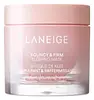
This hydrating overnight mask is formulated around Squalane and Adenosine to hydrate skin and soften the look of wrinkles.
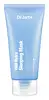
This hydrating overnight mask is formulated around Trehalose and Laminaria Japonica Extract to hydrate skin and strengthen the skin barrier.

What's inside
What's inside
 Key Ingredients
Benefits
Concerns
Ingredients Side-by-side
Water
Skin ConditioningButylene Glycol
Humectant

Glycerin
Humectant
Dimethicone
Emollient
1,2-Hexanediol
Skin Conditioning
Squalane
Emollient
Diisostearyl Malate
EmollientC12-16 Alcohols
EmollientAmmonium Acryloyldimethyltaurate/Beheneth-25 Methacrylate Crosspolymer
Emulsion StabilisingCetearyl Alcohol
Emollient






Palmitic Acid
Emollient
Hydrogenated Lecithin
Emulsifying
Dimethicone/Vinyl Dimethicone Crosspolymer
Skin Conditioning
Sodium Polyacrylate Starch
AbsorbentStearic Acid
Cleansing
Hydroxypropyl Bispalmitamide Mea
Emollient
Mannitol
Humectant
Lactobacillus Ferment Lysate
Skin Conditioning
Propanediol
Solvent
Ammonium Acryloyldimethyltaurate/Vp Copolymer
Cetearyl Glucoside
Emulsifying
Xanthan Gum
EmulsifyingGlyceryl Caprylate
EmollientDisodium EDTA
ChelatingEthylhexylglycerin
Skin ConditioningAllantoin
Skin Conditioning
Adenosine
Skin Conditioning
Parfum
Masking


Acrylates/Ammonium Methacrylate Copolymer
Caprylyl Glycol
Emollient
Carbomer
Emulsion StabilisingCholesterol
Emollient
Linalool
Perfuming
Silica
Abrasive


Malachite Extract
Antioxidant
Citronellol
Perfuming
Geraniol
Perfuming
Hydroxycitronellal
Perfuming
Carthamus Tinctorius Flower Extract
Skin ConditioningDextrin
AbsorbentBenzyl Salicylate
Perfuming
Cyanocobalamin
Skin ConditioningHydrolyzed Collagen
Emollient
Sodium Hyaluronate
Humectant
Paeonia Albiflora Root Extract
Skin ConditioningTocopherol
Antioxidant


Hydrolyzed Hyaluronic Acid
Humectant
Acetyl Tetrapeptide-2
Skin Conditioning
Sodium Hyaluronate Crosspolymer
Humectant
Hyaluronic Acid
Humectant
Paeonia Albiflora Flower Extract
TonicSodium Acetylated Hyaluronate
Humectant
Water, Butylene Glycol, Glycerin, Dimethicone, 1,2-Hexanediol, Squalane, Diisostearyl Malate, C12-16 Alcohols, Ammonium Acryloyldimethyltaurate/Beheneth-25 Methacrylate Crosspolymer, Cetearyl Alcohol, Palmitic Acid, Hydrogenated Lecithin, Dimethicone/Vinyl Dimethicone Crosspolymer, Sodium Polyacrylate Starch, Stearic Acid, Hydroxypropyl Bispalmitamide Mea, Mannitol, Lactobacillus Ferment Lysate, Propanediol, Ammonium Acryloyldimethyltaurate/Vp Copolymer, Cetearyl Glucoside, Xanthan Gum, Glyceryl Caprylate, Disodium EDTA, Ethylhexylglycerin, Allantoin, Adenosine, Parfum, Acrylates/Ammonium Methacrylate Copolymer, Caprylyl Glycol, Carbomer, Cholesterol, Linalool, Silica, Malachite Extract, Citronellol, Geraniol, Hydroxycitronellal, Carthamus Tinctorius Flower Extract, Dextrin, Benzyl Salicylate, Cyanocobalamin, Hydrolyzed Collagen, Sodium Hyaluronate, Paeonia Albiflora Root Extract, Tocopherol, Hydrolyzed Hyaluronic Acid, Acetyl Tetrapeptide-2, Sodium Hyaluronate Crosspolymer, Hyaluronic Acid, Paeonia Albiflora Flower Extract, Sodium Acetylated Hyaluronate
Water
Skin ConditioningCyclopentasiloxane
Emollient
Butylene Glycol
Humectant
Cyclohexasiloxane
Emollient
Glycerin
Humectant
Trehalose
Humectant
Algae Extract
Emollient
Laminaria Japonica Extract
Skin Protecting
Pelargonium Graveolens Flower Oil
Masking

Xylitol
Humectant
Chamaecyparis Obtusa Leaf Extract
Skin ConditioningMelia Azadirachta Leaf Extract
Skin ConditioningMelia Azadirachta Flower Extract
Skin ConditioningCoccinia Indica Fruit Extract
Skin Conditioning
Aloe Barbadensis Flower Extract
EmollientSolanum Melongena Fruit Extract
Skin ConditioningSimmondsia Chinensis Seed Oil
Emollient
Corallina Officinalis Extract
Skin Conditioning
Curcuma Longa Root Extract
Antioxidant
Ocimum Sanctum Leaf Extract
Skin ConditioningPentylene Glycol
Skin Conditioning
Ammonium Acryloyldimethyltaurate/Vp Copolymer
Phenyl Trimethicone
Skin Conditioning
Polyacrylamide
Caprylyl Glycol
Emollient
Dimethicone/Vinyl Dimethicone Crosspolymer
Skin Conditioning
C13-14 Isoparaffin
Emollient
Sodium Hyaluronate
Humectant
Aminomethyl Propanol
BufferingXylitylglucoside
Humectant
Laureth-7
EmulsifyingAnhydroxylitol
Humectant
Saccharide Isomerate
Humectant
Caprylic/Capric Triglyceride
Masking
Hydrogenated Lecithin
Emulsifying
Glutamic Acid
Humectant
Glycoproteins
Skin Conditioning
Ceramide NP
Skin Conditioning
Threonine
Valine
MaskingCitric Acid
Buffering
Sodium Citrate
BufferingEthylhexylglycerin
Skin ConditioningSodium Metabisulfite
Antioxidant
Alcohol
Antimicrobial

Carbomer
Emulsion StabilisingDisodium EDTA
ChelatingPhenoxyethanol
Preservative
Water, Cyclopentasiloxane, Butylene Glycol, Cyclohexasiloxane, Glycerin, Trehalose, Algae Extract, Laminaria Japonica Extract, Pelargonium Graveolens Flower Oil, Xylitol, Chamaecyparis Obtusa Leaf Extract, Melia Azadirachta Leaf Extract, Melia Azadirachta Flower Extract, Coccinia Indica Fruit Extract, Aloe Barbadensis Flower Extract, Solanum Melongena Fruit Extract, Simmondsia Chinensis Seed Oil, Corallina Officinalis Extract, Curcuma Longa Root Extract, Ocimum Sanctum Leaf Extract, Pentylene Glycol, Ammonium Acryloyldimethyltaurate/Vp Copolymer, Phenyl Trimethicone, Polyacrylamide, Caprylyl Glycol, Dimethicone/Vinyl Dimethicone Crosspolymer, C13-14 Isoparaffin, Sodium Hyaluronate, Aminomethyl Propanol, Xylitylglucoside, Laureth-7, Anhydroxylitol, Saccharide Isomerate, Caprylic/Capric Triglyceride, Hydrogenated Lecithin, Glutamic Acid, Glycoproteins, Ceramide NP, Threonine, Valine, Citric Acid, Sodium Citrate, Ethylhexylglycerin, Sodium Metabisulfite, Alcohol, Carbomer, Disodium EDTA, Phenoxyethanol
Reviews
Ingredients Explained
These ingredients are found in both products.
Ingredients higher up in an ingredient list are typically present in a larger amount.
Ammonium Acryloyldimethyltaurate/Vp Copolymer is a synthetically created polymer. It's used as a film-forming agent and used to thicken the consistency of products.
Think of it as a supportive ingredient that helps your gel-creams feel silky, "cloud cream-like", and spread evenly without being greasy.
The Cosmetic Ingredient Review (CIR) Expert Panel evaluated it (along with 22 other acryloyldimethyltaurate polymers) and concluded it's:
Due to its large molecular size, it sits on the surface of skin rather than penetrating it.
Learn more about Ammonium Acryloyldimethyltaurate/Vp CopolymerButylene Glycol (or BG) is used within cosmetic products for a few different reasons:
Overall, Butylene Glycol is a safe and well-rounded ingredient that works well with other ingredients.
Though this ingredient works well with most skin types, some people with sensitive skin may experience a reaction such as allergic rashes, closed comedones, or itchiness.
Learn more about Butylene GlycolCaprylyl Glycol is a humectant, skin conditioner, emollient, and preservative booster derived from either caprylic acid or synthetically created.
Typical use levels vary from 0.3-1% as a preservative booster and go up to 2% to condition skin.
Because it is not a free-fatty acid, this ingredient is fungal acne safe (there's nothing for Malassezia to feed on).
Learn more about Caprylyl GlycolCarbomer is a synthetic thickening and gelling agent. It's basically the ingredient that gives a lot of serums, gels, creams, and sunscreens their smooth, non-sticky texture.
Although legally permitted at very high levels, carbomers are normally used at concentrations below 1%.
It also needs to be neutralized to actually thicken, and because it is a large molecule, it doesn't really penetrate the skin barrier.
Allergy-wise, the risk is very low. Clinical studies show carbomers have low potential for skin irritation/sensitization even at concentrations up to 100%.
A 2024 UK study patch-tested 1,302 patients and found true allergy to the parent group of carbomer to be rare with no confirmed relevant reactions.
Learn more about CarbomerThis ingredient is a silicone elastomer that works as a texture enhancer, adds a silky slip, and also helps absorb excess oil.
Because it's a large macromolecule that's insoluble in water and chemically inert, it's not expected to penetrate or be absorbed into skin.
Human patch tests with a facial lotion containing 1% of this ingredient found no sensitization.
Learn more about Dimethicone/Vinyl Dimethicone CrosspolymerDisodium EDTA is a chelating agent. It grabs onto and deactivates metal ions that sneak into your products from water, packaging, or air.
This ingredient mainly works behind the scenes and helps with:
On top of that, this ingredient can counteract the effects of hard water by binding to the minerals in it.
One thing worth knowing is that Disodium EDTA has been shown to be a mild penetration enhancer. It can help other ingredients absorb into skin more effectively which can be a double-edged sword (great for actives, but can also make the active too strong if you have sensitive skin).
Clinical patch testing showed no significant skin irritation at typical use concentrations and minimal dermal absorption.
You'll most likely see this ingredient near the end of an ingredient list. It's typically found in concentrations less than 1%.
Learn more about Disodium EDTAEthylhexylglycerin is created from glycerin. It is a multitasker ingredient that:
The CIR Expert Panel found minimal skin absorption or sensitization of any kind in a safety assessment. Though this ingredient is considered well-tolerated, a small number of cases of allergic dermatitis have been published since 2002. Just be sure to patch test if you are unsure.
Industry-reported use ranges from 8% in rinse-off products and 2% in leave-on formulations.
Learn more about EthylhexylglycerinGlycerin (or glycerol) is a compound naturally found in your skin. It's a powerhouse humectant that pulls water into the stratum corneum.
Topically, glycerin does several things at once:
Your skin makes glycerin on its own (mostly from sebaceous oil breakdown) and shuttles it to your outermost layer of skin, or your epidermis, via aquaporin-3.
Aquaporin-3 is a transporter that is essential for normal skin hydration, elasticity, and repair. Interestingly, mice lacking in AQP3 have dry and less elastic skin that can be fully corrected with glycerin.
This ingredient is non-irritating, plays well with almost every ingredient, and works across all skin types. Typical use is anywhere between 3-10% but can go up to 79% in some leave-on products.
Just know very high concentrations (>40%) can feel tacky in low humidity.
Glycerin is the name for this ingredient in American English. British English uses Glycerol/Glycerine.
Learn more about GlycerinHydrogenated Lecithin is a more stable version of lecithin.
It's made by taking lecithin (a phospholipid commonly found in soybeans and egg yolks) and hydrogenating it. This just means the unsaturated fatty acids are turned into saturated ones so they don't go bad as easily.
This ingredient is an emollient, emulsifier, and penetration enhancer. As an emollient, it helps soften and hydrate skin by trapping moisture within. As an emulsifier, it prevents oil and water ingredients from separating.
Hydrogenated Lecithin can form tiny spherical structures made of phospholipid bilayers called liposomes. These liposomes are able to capture compounds inside their structure and deliver them through the skin barrier.
Because phospholipids are a natural component of our cell membranes, this ingredient is inherently compatible with skin.
A 2021 study found lecithin-based surfactants were less harsh and more tolerable comared to Sodium Lauryl Sulfate (SLS).
Learn more about Hydrogenated LecithinSodium Hyaluronate is the salt form of hyaluronic acid. It is a long sugar chain that is naturally found in your skin, joints, and connective tissue that maintains hydration and elasticity.
In skincare, it works as a humectant. It pulls water from the environment and deeper layers of skin and binds it to the surface.
Interestingly, the size of the molecule affects its behavior:
Some clinical evidence links low molecular weight versions to improved wrinkle depth, elasticity, anti-inflammatory effects, and barrier repair.
Many serums use a blend of both weights so you can get surface hydration plus longer-lasting and deeper effects.
You'll typically see concentrations between 0.1-2% for this ingredient.
Learn more about Sodium HyaluronateWater. It's the most common cosmetic ingredient of all. You'll usually see it at the top of ingredient lists, meaning that it makes up the largest part of the product.
So why is it so popular? Water most often acts as a solvent - this means that it helps dissolve other ingredients into the formulation.
You'll also recognize water as that liquid we all need to stay alive. If you see this, drink a glass of water. Remember to stay hydrated!
Learn more about Water


