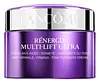
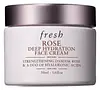
Lancôme Renergie Multi-lift Ultra Full Spectrum Anti-ageing Cream Versus Fresh Rose Deep Hydration Face Cream
This anti-aging treatment is formulated around 3-O-Ethyl Ascorbic Acid and Adenosine to soften the look of wrinkles and brighten dull-looking skin.
This barrier-repair moisturizer is formulated around Rosa Damascena Flower Water and Sodium Hyaluronate to strengthen the skin barrier and hydrate skin.


What's inside
What's inside
 Key Ingredients
Benefits
Concerns
Ingredients Side-by-side
Water
Skin ConditioningGlycerin
Humectant


Dimethicone
Emollient
Butyrospermum Parkii Butter
Skin Conditioning




Octyldodecanol
Emollient
Butylene Glycol
Humectant
Cetyl Alcohol
Emollient
PEG-100 Stearate
Surfactant
Glyceryl Stearate
Emollient
3-O-Ethyl Ascorbic Acid
Skin Conditioning




Tocopheryl Acetate
Antioxidant

C13-14 Isoparaffin
Emollient
Guanosine
Skin ConditioningCyathea Medullaris Leaf Extract
Skin ConditioningVaccinium Myrtillus Fruit Extract
Skin ConditioningSaccharum Officinarum Extract
MoisturisingHydroxypropyl Tetrahydropyrantriol
Skin ConditioningSodium Citrate
BufferingHydrolyzed Linseed Extract
Skin ConditioningHydrolyzed Lupine Protein
Skin ConditioningSodium Benzoate
Masking
Sodium Levulinate
Skin ConditioningStearic Acid
Cleansing
Phenoxyethanol
Preservative
Phenylethyl Resorcinol
Antioxidant
Adenosine
Skin Conditioning

Acer Saccharum Extract
Skin ConditioningPalmitic Acid
Emollient
Polyacrylamide
Chlorphenesin
Antimicrobial
Poloxamer 338
EmulsifyingLimonene
Perfuming


Xanthan Gum
EmulsifyingPentaerythrityl Tetra-Di-T-Butyl Hydroxyhydrocinnamate
Antioxidant
Benzyl Alcohol
Perfuming

Cinnamic Acid
Perfuming
Propylene Glycol
Humectant
2-Oleamido-1,3-Octadecanediol
Skin ConditioningLeontopodium Alpinum Extract
Skin ConditioningBiosaccharide Gum-1
Humectant
Alpha-Isomethyl Ionone
Perfuming
Acrylates/C10-30 Alkyl Acrylate Crosspolymer
Emulsion StabilisingMyristic Acid
Cleansing
Geraniol
Perfuming
Disodium EDTA
Citric Acid
Buffering
Potassium Hydroxide
BufferingCitrus Aurantium Dulcis Fruit Extract
MaskingCitrus Limon Fruit Extract
Masking
Potassium Sorbate
Preservative
BHT
Antioxidant
Laureth-7
EmulsifyingLevulinic Acid
Perfuming
Hexyl Cinnamal
Perfuming
Glyceryl Caprylate
EmollientParfum
Masking
Water, Glycerin, Dimethicone, Butyrospermum Parkii Butter, Octyldodecanol, Butylene Glycol, Cetyl Alcohol, PEG-100 Stearate, Glyceryl Stearate, 3-O-Ethyl Ascorbic Acid, Tocopheryl Acetate, C13-14 Isoparaffin, Guanosine, Cyathea Medullaris Leaf Extract, Vaccinium Myrtillus Fruit Extract, Saccharum Officinarum Extract, Hydroxypropyl Tetrahydropyrantriol, Sodium Citrate, Hydrolyzed Linseed Extract, Hydrolyzed Lupine Protein, Sodium Benzoate, Sodium Levulinate, Stearic Acid, Phenoxyethanol, Phenylethyl Resorcinol, Adenosine, Acer Saccharum Extract, Palmitic Acid, Polyacrylamide, Chlorphenesin, Poloxamer 338, Limonene, Xanthan Gum, Pentaerythrityl Tetra-Di-T-Butyl Hydroxyhydrocinnamate, Benzyl Alcohol, Cinnamic Acid, Propylene Glycol, 2-Oleamido-1,3-Octadecanediol, Leontopodium Alpinum Extract, Biosaccharide Gum-1, Alpha-Isomethyl Ionone, Acrylates/C10-30 Alkyl Acrylate Crosspolymer, Myristic Acid, Geraniol, Disodium EDTA, Citric Acid, Potassium Hydroxide, Citrus Aurantium Dulcis Fruit Extract, Citrus Limon Fruit Extract, Potassium Sorbate, BHT, Laureth-7, Levulinic Acid, Hexyl Cinnamal, Glyceryl Caprylate, Parfum
Water
Skin ConditioningGlycerin
Humectant
C15-19 Alkane
SolventButylene Glycol
Humectant
Propanediol
Solvent
Isostearyl Isostearate
Emollient
Hexyl Laurate
Emollient
Pentylene Glycol
Skin Conditioning
1,2-Hexanediol
Skin Conditioning
Behenyl Alcohol
Emollient
Steareth-2
EmulsifyingPrunus Domestica Seed Oil
Skin Conditioning
Rosa Damascena Flower Water
Masking
Rosa Damascena Extract
MaskingAngelica Keiskei Leaf/Stem Extract
Skin ConditioningAcacia Senegal Gum
MaskingRosa Damascena Flower Extract
Masking
Rosa Damascena Flower Oil
Masking
Cucumis Sativus Fruit Extract
Emollient
Tocopheryl Acetate
Antioxidant
Silica
Abrasive

Dimethicone
Emollient
Ammonium Acryloyldimethyltaurate/Vp Copolymer
Steareth-21
CleansingHydroxyethyl Acrylate/Sodium Acryloyldimethyl Taurate Copolymer
Emulsion StabilisingSodium Hyaluronate
Humectant
Squalane
Emollient
Acrylates/C10-30 Alkyl Acrylate Crosspolymer
Emulsion StabilisingTromethamine
BufferingXanthan Gum
EmulsifyingDimethiconol
Emollient
Polysorbate 60
Emulsifying
Caprylic/Capric Triglyceride
Masking
Algin
Masking
Sodium Chloride
MaskingPentaerythrityl Tetra-Di-T-Butyl Hydroxyhydrocinnamate
Antioxidant
Sorbitan Isostearate
Emulsifying
Trisodium Ethylenediamine Disuccinate
Serine
Masking
Caramel
Cosmetic ColorantCaprylyl Glycol
Emollient
Citric Acid
Buffering
Sodium Hydroxide
BufferingChlorphenesin
Antimicrobial
Sodium Benzoate
Masking
Potassium Sorbate
Preservative
Citronellol
Perfuming
Geraniol
Perfuming
Water, Glycerin, C15-19 Alkane, Butylene Glycol, Propanediol, Isostearyl Isostearate, Hexyl Laurate, Pentylene Glycol, 1,2-Hexanediol, Behenyl Alcohol, Steareth-2, Prunus Domestica Seed Oil, Rosa Damascena Flower Water, Rosa Damascena Extract, Angelica Keiskei Leaf/Stem Extract, Acacia Senegal Gum, Rosa Damascena Flower Extract, Rosa Damascena Flower Oil, Cucumis Sativus Fruit Extract, Tocopheryl Acetate, Silica, Dimethicone, Ammonium Acryloyldimethyltaurate/Vp Copolymer, Steareth-21, Hydroxyethyl Acrylate/Sodium Acryloyldimethyl Taurate Copolymer, Sodium Hyaluronate, Squalane, Acrylates/C10-30 Alkyl Acrylate Crosspolymer, Tromethamine, Xanthan Gum, Dimethiconol, Polysorbate 60, Caprylic/Capric Triglyceride, Algin, Sodium Chloride, Pentaerythrityl Tetra-Di-T-Butyl Hydroxyhydrocinnamate, Sorbitan Isostearate, Trisodium Ethylenediamine Disuccinate, Serine, Caramel, Caprylyl Glycol, Citric Acid, Sodium Hydroxide, Chlorphenesin, Sodium Benzoate, Potassium Sorbate, Citronellol, Geraniol
Reviews
Ingredients Explained
These ingredients are found in both products.
Ingredients higher up in an ingredient list are typically present in a larger amount.
Acrylates/C10-30 Alkyl Acrylate Crosspolymer is a synthetic polymer. It is used to thicken, emulsify, and improve the texture of products.
As an emulsifier, it helps stabilize oil-in-water emulsions to give products an elegant feel when applied.
It can also form a thin protective film on skin. One study found that a formula using this polymer helped slow down how quickly other ingredients (like DEET) were absorbed through skin.
A 2024 study of over 1,300 patients confirmed that sensitization to this ingredient is rare. It is also non-mutagenic and has a clean track record.
Learn more about Acrylates/C10-30 Alkyl Acrylate CrosspolymerButylene Glycol (or BG) is used within cosmetic products for a few different reasons:
Overall, Butylene Glycol is a safe and well-rounded ingredient that works well with other ingredients.
Though this ingredient works well with most skin types, some people with sensitive skin may experience a reaction such as allergic rashes, closed comedones, or itchiness.
Learn more about Butylene GlycolChlorphenesin is a synthetic preservative. It helps protect a product against bacteria in order to extend shelf life. In most cases, Chlorphenesin is paired with other preservatives such as phenoxyethanol and caprylyl glycol.
Chlorphenesin is a biocide. This means it is able to help fight the microorganisms on our skin. It is also able to fight odor-releasing bacteria.
Chlorphenesin is soluble in both water and glycerin.
Studies show Chlorphenesin is easily absorbed by our skin. You should speak with a skincare professional if you have concerns about using Chlorphenesin.
Learn more about ChlorphenesinCitric Acid is an alpha hydroxy acid (AHA) naturally found in citrus fruits like oranges, lemons, and limes.
Like other AHAs, citric acid can exfoliate skin by breaking down the bonds that hold dead skin cells together. This helps reveal smoother and brighter skin underneath.
However, this exfoliating effect only happens at high concentrations (20%) which can be hard to find in cosmetic products.
Due to this, citric acid is usually included in small amounts as a pH adjuster. This helps keep products slightly more acidic and compatible with skin's natural pH.
In skincare formulas, citric acid can:
While it can provide some skin benefits, research shows lactic acid and glycolic acid are generally more effective and less irritating exfoliants.
Most citric acid used in skincare today is made by fermenting sugars (usually from molasses). This synthetic version is identical to the natural citrus form but easier to stabilize and use in formulations.
Read more about some other popular AHA's here:
Learn more about Citric AcidDimethicone is a type of synthetic silicone created from natural materials such as quartz. It is also known as polydimethylsiloxane.
What it does:
Dimethicone comes in different viscosities:
Depending on the viscosity, dimethicone has different properties.
Ingredients lists don't always show which type is used, so we recommend reaching out to the brand if you have questions about the viscosity.
This ingredient is unlikely to cause irritation because it does not get absorbed into skin. However, people with silicone allergies should be careful about using this ingredient.
Note: Dimethicone may contribute to pilling. This is because it is not oil or water soluble, so pilling may occur when layered with products. When mixed with heavy oils in a formula, the outcome is also quite greasy.
Learn more about DimethiconeGeraniol is used to add fragrance/parfum to a product. It is the main component of citronellol. It is a monoterpenoid and an alcohol.
Monoterpenes are naturally found in many parts of different plants.
Geraniol can be found in many essential oils including Rose Oil and Citronella Oil. The scent of Geraniol is often described as "rose-like". Many foods also contain Geraniol for fruit flavoring.
Geraniol can irritate the skin when exposed to air. However, irritation depends on the ability of geraniol to penetrate into the skin. In general, geraniol is not able to penetrate skin easily.
Geraniol is colorless and has low water-solubility. However, it is soluble in common organic solvents.
Like citronellol, it is a natural insect repellent.
2,6-Octadien-1-ol, 3,7-dimethyl-, (2E)-
Learn more about GeraniolGlycerin (or glycerol) is a compound naturally found in your skin. It's a powerhouse humectant that pulls water into the stratum corneum.
Topically, glycerin does several things at once:
Your skin makes glycerin on its own (mostly from sebaceous oil breakdown) and shuttles it to your outermost layer of skin, or your epidermis, via aquaporin-3.
Aquaporin-3 is a transporter that is essential for normal skin hydration, elasticity, and repair. Interestingly, mice lacking in AQP3 have dry and less elastic skin that can be fully corrected with glycerin.
This ingredient is non-irritating, plays well with almost every ingredient, and works across all skin types. Typical use is anywhere between 3-10% but can go up to 79% in some leave-on products.
Just know very high concentrations (>40%) can feel tacky in low humidity.
Glycerin is the name for this ingredient in American English. British English uses Glycerol/Glycerine.
Learn more about GlycerinPentaerythrityl Tetra-Di-T-Butyl Hydroxyhydrocinnamate (long name, huh?) is a synthetic antioxidant.
It is used to help stabilize other antioxidants or prevent the color from changing in a product.
As an antioxidant, it helps fight free-radical molecules. Free-radical molecules are capable of damaging our cells and other genetic material. Thus, antioxidants may reduce the signs of aging.
This ingredient is oil-soluble.
Learn more about Pentaerythrityl Tetra-Di-T-Butyl HydroxyhydrocinnamatePotassium Sorbate is a preservative used to prevent yeast and mold in products. It is commonly found in both cosmetic and food products.
This ingredient comes from potassium salt derived from sorbic acid. Sorbic acid is a natural antibiotic and effective against fungus.
Both potassium sorbate and sorbic acid can be found in baked goods, cheeses, dried meats, dried fruit, ice cream, pickles, wine, yogurt, and more.
You'll often find this ingredient used with other preservatives.
Learn more about Potassium SorbateSodium Benzoate is a preservative. It's used in both cosmetic and food products to inhibit the growth of mold and bacteria. It is typically produced synthetically.
Both the US FDA and EU Health Committee have approved the use of sodium benzoate. In the US, levels of 0.1% (of the total product) are allowed.
Sodium benzoate works as a preservative by inhibiting the growth of bacteria inside of cells. It prevents the cell from fermenting a type of sugar using an enzyme called phosphofructokinase.
It is the salt of benzoic acid. Foods containing sodium benzoate include soda, salad dressings, condiments, fruit juices, wines, and snack foods.
Studies for using ascorbic acid and sodium benzoate in cosmetics are lacking, especially in skincare routines with multiple steps.
We always recommend speaking with a professional, such as a dermatologist, if you have any concerns.
Learn more about Sodium BenzoateTocopheryl Acetate is a stable, shelf-friendly form of vitamin E.
Formulators love it because plain vitamin E oxidizes quickly once it hits air. This acetate version stays stable and resists going off, helping to extend a product's shelf life.
It's actually inactive on its own and works like a slow-release "storage" form; the enzymes in your skin called esterases gradually convert it into active vitamin E over time.
One in vivo study showed 5% of the acetate in the living layer of the epidermis converted to vitamin E after 5 days of application. This study also found the skin gained protection against UV damage even though the conversion was slow and small.
Once converted, vitamin E acts as a skin's main fat-soluble antioxidant that fights free radicals to protect skin from damage.
Topical vitamin E generally boosts the skin's photoprotection, and it reduced UV-damage in animal models.
This ingredient has some brightening potential but it's more of a prevention ingredient than spot-fader. Cell studies show it can slow down melanin production but it's worth noting that it's not the most powerful brightener out there.
Overall, it has a pretty solid safety profile and has been found to be non-irritating and non-comedogenic. Allergic reactions may happen but stay rare due to how widely the ingredient gets used.
The concentration will vary depending on the formula; industry data shows 0.1% in baby lotions, 3% in lipsticks, and 5% in foot powders. You can also find this ingredient at 100% in a pure vitamin E oil.
Most leave-on skincare keeps it at the lower end, often between 0.5-1%.
Learn more about Tocopheryl AcetateWater. It's the most common cosmetic ingredient of all. You'll usually see it at the top of ingredient lists, meaning that it makes up the largest part of the product.
So why is it so popular? Water most often acts as a solvent - this means that it helps dissolve other ingredients into the formulation.
You'll also recognize water as that liquid we all need to stay alive. If you see this, drink a glass of water. Remember to stay hydrated!
Learn more about WaterXanthan gum is used as a stabilizer and thickener within cosmetic products. It helps give products a sticky, thick feeling - preventing them from being too runny.
On the technical side of things, xanthan gum is a polysaccharide - a combination consisting of multiple sugar molecules bonded together.
Xanthan gum is a pretty common and great ingredient. It is a natural, non-toxic, non-irritating ingredient that is also commonly used in food products.
Learn more about Xanthan Gum

