
What's inside
What's inside
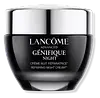 Key Ingredients
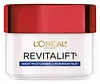
Benefits
Concerns
Ingredients Side-by-side
Water
Skin ConditioningBifida Ferment Lysate
Skin Conditioning



Glycerin
Humectant
Dicaprylyl Ether
Emollient
Pentylene Glycol
Skin Conditioning
Polyglyceryl-6 Distearate
Emulsifying
Propanediol
Solvent
Cetyl Esters
Emollient
Jojoba Esters
Emollient
Ammonium Polyacryloyldimethyl Taurate
Emulsion StabilisingBehenyl Alcohol
Emollient
Octyldodecanol
Emollient
Acacia Decurrens Flower Wax
Emollient
Helianthus Annuus Seed Wax
Skin Conditioning
Helianthus Annuus Seed Oil
Emollient
Polymnia Sonchifolia Root Juice
Skin ConditioningCeramide NP
Skin Conditioning

Alpha-Glucan Oligosaccharide
Cleansing
Sodium Hyaluronate
Humectant
Sodium Hydroxide
BufferingSodium Stearoyl Glutamate
CleansingSalicyloyl Phytosphingosine
Skin Conditioning2-Oleamido-1,3-Octadecanediol
Skin ConditioningAdenosine
Skin Conditioning
Mannose
HumectantCoco-Caprylate/Caprate
Emollient
Ascorbyl Glucoside
Antioxidant


Hydroxyacetophenone
Antioxidant
Hydroxypalmitoyl Sphinganine
Skin Conditioning
Hydroxypropyl Starch Phosphate
Capryloyl Salicylic Acid
Exfoliating




Trisodium Ethylenediamine Disuccinate
Lactic Acid
Buffering



Lactobacillus
Skin ConditioningAcetic Acid
BufferingMaltodextrin
Absorbent
Faex Extract
Skin ConditioningPolyglycerin-3
Humectant
Polyglyceryl-3 Beeswax
Emulsifying
Cetyl Alcohol
Emollient
Tocopherol
Antioxidant
Sodium Benzoate
Masking
Linalool
Perfuming


Limonene
Perfuming
Citronellol
Perfuming
Parfum
Masking
Water, Bifida Ferment Lysate, Glycerin, Dicaprylyl Ether, Pentylene Glycol, Polyglyceryl-6 Distearate, Propanediol, Cetyl Esters, Jojoba Esters, Ammonium Polyacryloyldimethyl Taurate, Behenyl Alcohol, Octyldodecanol, Acacia Decurrens Flower Wax, Helianthus Annuus Seed Wax, Helianthus Annuus Seed Oil, Polymnia Sonchifolia Root Juice, Ceramide NP, Alpha-Glucan Oligosaccharide, Sodium Hyaluronate, Sodium Hydroxide, Sodium Stearoyl Glutamate, Salicyloyl Phytosphingosine, 2-Oleamido-1,3-Octadecanediol, Adenosine, Mannose, Coco-Caprylate/Caprate, Ascorbyl Glucoside, Hydroxyacetophenone, Hydroxypalmitoyl Sphinganine, Hydroxypropyl Starch Phosphate, Capryloyl Salicylic Acid, Trisodium Ethylenediamine Disuccinate, Lactic Acid, Lactobacillus, Acetic Acid, Maltodextrin, Faex Extract, Polyglycerin-3, Polyglyceryl-3 Beeswax, Cetyl Alcohol, Tocopherol, Sodium Benzoate, Linalool, Limonene, Citronellol, Parfum
Water
Skin ConditioningGlycerin
Humectant
Dimethicone
Emollient
Hydrogenated Polyisobutene
EmollientCetyl Alcohol
Emollient
Glyceryl Stearate
Emollient
Aluminum Starch Octenylsuccinate
Absorbent
PEG-40 Stearate
Emulsifying
Prunus Armeniaca Kernel Oil
Masking
Shorea Robusta Seed Butter
Emollient
Paraffinum Liquidum
Emollient
Paraffin
Skin ConditioningZea Mays Kernel Extract
Stearic Acid
Cleansing
Stearyl Alcohol
Emollient
Microcrystalline Wax
Emulsion StabilisingSorbitan Tristearate
EmulsifyingGlycine Soja Protein
EmulsifyingTriethanolamine
BufferingIsohexadecane
EmollientSalicyloyl Phytosphingosine
Skin ConditioningMyristyl Alcohol
Emollient
Palmitic Acid
Emollient
Phenethyl Alcohol
MaskingHydrolyzed Soy Protein
Humectant
Caprylyl Glycol
Emollient
Acetyl Trifluoromethylphenyl Valylglycine
Skin ConditioningYeast Extract
Skin ConditioningPolysorbate 80
Emulsifying
Acrylamide/Sodium Acryloyldimethyltaurate Copolymer
Emulsion StabilisingRetinyl Palmitate
Skin Conditioning
Potassium Sorbate
Preservative
Sodium Benzoate
Masking
Phenoxyethanol
Preservative
Linalool
Perfuming
Geraniol
Perfuming
Alpha-Isomethyl Ionone
Perfuming
Amyl Cinnamal
Perfuming
Limonene
Perfuming
Citral
Perfuming
Citronellol
Perfuming
Butylphenyl Methylpropional
Perfuming
Hexyl Cinnamal
Perfuming
Benzyl Alcohol
Perfuming
Benzyl Benzoate
Antimicrobial
Benzyl Cinnamate
Perfuming
Benzyl Salicylate
Perfuming
Parfum
Masking
Water, Glycerin, Dimethicone, Hydrogenated Polyisobutene, Cetyl Alcohol, Glyceryl Stearate, Aluminum Starch Octenylsuccinate, PEG-40 Stearate, Prunus Armeniaca Kernel Oil, Shorea Robusta Seed Butter, Paraffinum Liquidum, Paraffin, Zea Mays Kernel Extract, Stearic Acid, Stearyl Alcohol, Microcrystalline Wax, Sorbitan Tristearate, Glycine Soja Protein, Triethanolamine, Isohexadecane, Salicyloyl Phytosphingosine, Myristyl Alcohol, Palmitic Acid, Phenethyl Alcohol, Hydrolyzed Soy Protein, Caprylyl Glycol, Acetyl Trifluoromethylphenyl Valylglycine, Yeast Extract, Polysorbate 80, Acrylamide/Sodium Acryloyldimethyltaurate Copolymer, Retinyl Palmitate, Potassium Sorbate, Sodium Benzoate, Phenoxyethanol, Linalool, Geraniol, Alpha-Isomethyl Ionone, Amyl Cinnamal, Limonene, Citral, Citronellol, Butylphenyl Methylpropional, Hexyl Cinnamal, Benzyl Alcohol, Benzyl Benzoate, Benzyl Cinnamate, Benzyl Salicylate, Parfum
Ingredients Explained
These ingredients are found in both products.
Ingredients higher up in an ingredient list are typically present in a larger amount.
Cetyl Alcohol is a fatty alcohol. Fatty Alcohols are most often used as an emollient or to thicken a product.
Its main roles are:
Though it has "alcohol" in the name, it is not related to denatured alcohol or ethyl alcohol.
The FDA allows products labeled "alcohol-free" to have fatty alcohols.
This ingredient may not be fungal acne safe. It is a primary fatty alcohol with a chain length above 12 carbons. A study from 2019 show Malassezia can feed on fatty alcohols in this range, so it may trigger fungal acne in those prone to it.
Learn more about Cetyl AlcoholCitronellol is used to add fragrance/parfum to a product. It is often derived from plants such as roses. In fact, it can be found in many essential oils including geranium, lavender, neroli, and more. The scent of Citronellol is often described as "fresh, grassy, and citrus-like".
Since the Citronellol molecule is already unstable, Citronellol becomes irritating on the skin when exposed to air.
Citronellol is a modified terpene. Terpenes are unsaturated hydrocarbons found in plants. They make up the primary part of essential oils.
Citronellol is not able to be absorbed into deeper layers of the skin. It has low permeability,
Citronellol is also a natural insect repellent.
Learn more about CitronellolGlycerin (or glycerol) is a compound naturally found in your skin. It's a powerhouse humectant that pulls water into the stratum corneum.
Topically, glycerin does several things at once:
Your skin makes glycerin on its own (mostly from sebaceous oil breakdown) and shuttles it to your outermost layer of skin, or your epidermis, via aquaporin-3.
Aquaporin-3 is a transporter that is essential for normal skin hydration, elasticity, and repair. Interestingly, mice lacking in AQP3 have dry and less elastic skin that can be fully corrected with glycerin.
This ingredient is non-irritating, plays well with almost every ingredient, and works across all skin types. Typical use is anywhere between 3-10% but can go up to 79% in some leave-on products.
Just know very high concentrations (>40%) can feel tacky in low humidity.
Glycerin is the name for this ingredient in American English. British English uses Glycerol/Glycerine.
Learn more about GlycerinLimonene is a fragrance that adds scent and taste to a formulation.
It's found in the peel oil of citrus fruits and other plants such as lavender and eucalyptus. The scent of limonene is generally described as "sweet citrus".
Limonene acts as an antioxidant, meaning it helps neutralize free radicals.
When exposed to air, oxidized limonene may sensitize the skin. Because of this, limonene is often avoided by people with sensitive skin.
The term 'fragrance' is not regulated in many countries. In many cases, it is up to the brand to define this term. For instance, many brands choose to label themselves as "fragrance-free" because they are not using synthetic fragrances. However, their products may still contain ingredients such as essential oils that are considered a fragrance.
Learn more about LimoneneLinalool is a fragrance and helps add scent to products. It's derived from common plants such as cinnamon, mint, citrus, and lavender.
Like Limonene, this ingredient oxidizes when exposed to air. Oxidized linalool can cause allergies and skin sensitivity.
This ingredient has a scent that is floral, spicy tropical, and citrus-like.
Learn more about LinaloolParfum is a catch-all term for an ingredient or more that is used to give a scent to products.
Also called "fragrance", this ingredient can be a blend of hundreds of chemicals or plant oils. This means every product with "fragrance" or "parfum" in the ingredients list is a different mixture.
For instance, Habanolide is a proprietary trade name for a specific aroma chemical. When used as a fragrance ingredient in cosmetics, most aroma chemicals fall under the broad labeling category of “FRAGRANCE” or “PARFUM” according to EU and US regulations.
The term 'parfum' or 'fragrance' is not regulated in many countries. In many cases, it is up to the brand to define this term.
For instance, many brands choose to label themselves as "fragrance-free" because they are not using synthetic fragrances. However, their products may still contain ingredients such as essential oils that are considered a fragrance by INCI standards.
One example is Calendula flower extract. Calendula is an essential oil that still imparts a scent or 'fragrance'.
Depending on the blend, the ingredients in the mixture can cause allergies and sensitivities on the skin. Some ingredients that are known EU allergens include linalool and citronellol.
Parfum can also be used to mask or cover an unpleasant scent.
The bottom line is: not all fragrances/parfum/ingredients are created equally. If you are worried about fragrances, we recommend taking a closer look at an ingredient. And of course, we always recommend speaking with a professional.
Learn more about ParfumWe don't have a description for Salicyloyl Phytosphingosine yet.
Sodium Benzoate is a preservative. It's used in both cosmetic and food products to inhibit the growth of mold and bacteria. It is typically produced synthetically.
Both the US FDA and EU Health Committee have approved the use of sodium benzoate. In the US, levels of 0.1% (of the total product) are allowed.
Sodium benzoate works as a preservative by inhibiting the growth of bacteria inside of cells. It prevents the cell from fermenting a type of sugar using an enzyme called phosphofructokinase.
It is the salt of benzoic acid. Foods containing sodium benzoate include soda, salad dressings, condiments, fruit juices, wines, and snack foods.
Studies for using ascorbic acid and sodium benzoate in cosmetics are lacking, especially in skincare routines with multiple steps.
We always recommend speaking with a professional, such as a dermatologist, if you have any concerns.
Learn more about Sodium BenzoateWater. It's the most common cosmetic ingredient of all. You'll usually see it at the top of ingredient lists, meaning that it makes up the largest part of the product.
So why is it so popular? Water most often acts as a solvent - this means that it helps dissolve other ingredients into the formulation.
You'll also recognize water as that liquid we all need to stay alive. If you see this, drink a glass of water. Remember to stay hydrated!
Learn more about Water
