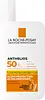
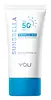
La Roche-Posay Anthelios Invisible Fluid Facial Sunscreen SPF50+ Versus Y.O.U Sunbrella Triple UV Elixir Sunscreen SPF 50+ PA++++
This chemical sunscreen covers the full UV range and blocks ~98% of UVB at SPF 50.
This hybrid sunscreen covers the full UV range, though its SPF isn't confirmed on file yet.


What's inside
What's inside
 Key Ingredients
Benefits
Concerns
Ingredients Side-by-side
Water
Skin ConditioningAlcohol Denat.
Antimicrobial




Diisopropyl Sebacate
EmollientSilica
Abrasive


Isopropyl Myristate
Emollient


Ethylhexyl Salicylate
UV Absorber

Ethylhexyl Triazone
UV Absorber
Bis-Ethylhexyloxyphenol Methoxyphenyl Triazine
Skin Conditioning
Butyl Methoxydibenzoylmethane
UV Absorber
Glycerin
Humectant


C12-22 Alkyl Acrylate/Hydroxyethylacrylate Copolymer
StabilisingPropanediol
Solvent
Drometrizole Trisiloxane
UV Absorber
Perlite
Absorbent
Tocopherol
Antioxidant





Caprylic/Capric Triglyceride
Masking
Acrylates/C10-30 Alkyl Acrylate Crosspolymer
Emulsion StabilisingCaprylyl Glycol
Emollient
Hydroxyethylcellulose
Emulsion StabilisingTerephthalylidene Dicamphor Sulfonic Acid
UV Absorber
Triethanolamine
BufferingTrisodium Ethylenediamine Disuccinate
Water, Alcohol Denat., Diisopropyl Sebacate, Silica, Isopropyl Myristate, Ethylhexyl Salicylate, Ethylhexyl Triazone, Bis-Ethylhexyloxyphenol Methoxyphenyl Triazine, Butyl Methoxydibenzoylmethane, Glycerin, C12-22 Alkyl Acrylate/Hydroxyethylacrylate Copolymer, Propanediol, Drometrizole Trisiloxane, Perlite, Tocopherol, Caprylic/Capric Triglyceride, Acrylates/C10-30 Alkyl Acrylate Crosspolymer, Caprylyl Glycol, Hydroxyethylcellulose, Terephthalylidene Dicamphor Sulfonic Acid, Triethanolamine, Trisodium Ethylenediamine Disuccinate
Water
Skin ConditioningEthylhexyl Methoxycinnamate
UV Absorber
Glycerin
Humectant
Diethylamino Hydroxybenzoyl Hexyl Benzoate
UV Filter
Propylene Glycol
Humectant
Octocrylene
UV Absorber
Cyclopentasiloxane
Emollient
Trimethylsiloxysilicate
Emollient
C14-22 Alcohols
Emulsion Stabilising
Dimethicone
Emollient
Cyclohexasiloxane
Emollient
Caprylic/Capric Triglyceride
Masking
C20-22 Alkyl Phosphate
EmulsifyingC20-22 Alcohols
Emulsion Stabilising
Titanium Dioxide
Cosmetic Colorant
Glyceryl Stearate
Emollient
Phenoxyethanol
Preservative
C12-20 Alkyl Glucoside
EmulsifyingSodium Acrylate/Sodium Acryloyldimethyl Taurate Copolymer
Emulsion StabilisingXanthan Gum
EmulsifyingSorbitan Stearate
Emulsifying
Polyhydroxystearic Acid
Emulsifying
Isohexadecane
EmollientHydroxyacetophenone
Antioxidant
Triethanolamine
BufferingDipotassium Glycyrrhizate
Humectant
Allantoin
Skin Conditioning
Hydrated Silica
Abrasive
Polysorbate 80
Emulsifying
Menthol
Masking
Parfum
Masking

Bisabolol
Antioxidant
Tocopheryl Acetate
Antioxidant
Hydrogen Dimethicone
Aluminum Hydroxide
EmollientSorbitan Oleate
Emulsifying
Disodium EDTA
Squalane
Emollient
Butyl Methoxydibenzoylmethane
UV Absorber
Hamamelis Virginiana Extract
Antiseborrhoeic
Polyester-7
Skin ConditioningNeopentyl Glycol Diheptanoate
EmollientPseudoalteromonas Ferment Extract
Humectant
Butylene Glycol
Humectant
Zinc PCA
Humectant

Propanediol
Solvent
Zea Mays Starch
Absorbent
Myrothamnus Flabellifolia Leaf/Stem Extract
HumectantHydrolyzed Corn Starch
HumectantHydrolyzed Corn Starch Octenylsuccinate
AbsorbentButyrospermum Parkii Butter
Skin Conditioning
1,2-Hexanediol
Skin Conditioning
Cocamidopropyl Dimethylamine
Emulsifying
Buddleja Officinalis Flower Extract
UV FilterSodium Salicylate
Preservative
Phenylethyl Resorcinol
Antioxidant
Lactic Acid
Buffering

Palmitoyl Tripeptide-5
Skin Conditioning
Madecassoside
Antioxidant
Asiaticoside
Antioxidant
Ethylhexylglycerin
Skin ConditioningMadecassic Acid
Skin Conditioning
Asiatic Acid
Skin Conditioning
Water, Ethylhexyl Methoxycinnamate, Glycerin, Diethylamino Hydroxybenzoyl Hexyl Benzoate, Propylene Glycol, Octocrylene, Cyclopentasiloxane, Trimethylsiloxysilicate, C14-22 Alcohols, Dimethicone, Cyclohexasiloxane, Caprylic/Capric Triglyceride, C20-22 Alkyl Phosphate, C20-22 Alcohols, Titanium Dioxide, Glyceryl Stearate, Phenoxyethanol, C12-20 Alkyl Glucoside, Sodium Acrylate/Sodium Acryloyldimethyl Taurate Copolymer, Xanthan Gum, Sorbitan Stearate, Polyhydroxystearic Acid, Isohexadecane, Hydroxyacetophenone, Triethanolamine, Dipotassium Glycyrrhizate, Allantoin, Hydrated Silica, Polysorbate 80, Menthol, Parfum, Bisabolol, Tocopheryl Acetate, Hydrogen Dimethicone, Aluminum Hydroxide, Sorbitan Oleate, Disodium EDTA, Squalane, Butyl Methoxydibenzoylmethane, Hamamelis Virginiana Extract, Polyester-7, Neopentyl Glycol Diheptanoate, Pseudoalteromonas Ferment Extract, Butylene Glycol, Zinc PCA, Propanediol, Zea Mays Starch, Myrothamnus Flabellifolia Leaf/Stem Extract, Hydrolyzed Corn Starch, Hydrolyzed Corn Starch Octenylsuccinate, Butyrospermum Parkii Butter, 1,2-Hexanediol, Cocamidopropyl Dimethylamine, Buddleja Officinalis Flower Extract, Sodium Salicylate, Phenylethyl Resorcinol, Lactic Acid, Palmitoyl Tripeptide-5, Madecassoside, Asiaticoside, Ethylhexylglycerin, Madecassic Acid, Asiatic Acid
Reviews
Ingredients Explained
These ingredients are found in both products.
Ingredients higher up in an ingredient list are typically present in a larger amount.
Also known as Avobenzone, this ingredient is an oil-soluble used to absorb the full spectrum of UVA rays (peak 357 nm).
It's one of the most effective UVA filters available but has a major caveat of photostability: avobenzone is susceptible to photodegradation.
This means it can lose efficacy when exposed to sunlight without the help of a stabilizing agent.
Studies show antioxidants (like vitamin E or vitamin C) and some UV filters (like octocrylene and Tinosorb S) can meaningfully improve its stability in a formulation.
The maximum allowable concentration according to regulation is 3% in the US + Canada, and 5% in the EU, Australia, China, Korea, and ASEAN countries.
It has a well-support safety profile: a comprehensive 2025 review found minimal toxicity with no evidence of carcinogenicity.
Overall, avobenzone is a safe and regulated ingredient used in sunscreen for over 40 years.
Learn more about Butyl MethoxydibenzoylmethaneCaprylic/Capric Triglyceride (aka MCT Oil) is a lightweight emollient, solvent, and texture enhancer. It is considered a skin-softener by helping to prevent moisture loss.
Though it behaves like an oil, it is not technically one due to its chemical composition. One perk of this ingredient is that it is very stable, resistant to oxidation, and unlikely to go rancid.
In practice, that translates to a long shelf life and a consistently elegant skin feel.
While there is an assumption Caprylic Triglyceride can clog pores due to it being derived from coconut oil, there is no research supporting this. Just patch test if you have concerns.
Fractionated coconut oil and MCT Oil are both listed as Caprylic/Capric Triglyceride according to INCI. This is because INCI names are based on the ingredient’s final chemical composition and not its marketing name or source.
This ingredient is treated as the gold standard fungal acne safe oil. Even though it is coconut derived, the problematic lauric acid is stripped out.
This leaves just caprylic (C8) and capric (C10) acid. These chain lengths actually trend antifungal; a 2020 study found caprylic acid was enough to disrupt Malassezia furfur cell membrane, with a caprylic acid derivative damaging membrane structures at concentrations as low as 0.2%.
Learn more about Caprylic/Capric TriglycerideGlycerin (or glycerol) is a compound naturally found in your skin. It's a powerhouse humectant that pulls water into the stratum corneum.
Topically, glycerin does several things at once:
Your skin makes glycerin on its own (mostly from sebaceous oil breakdown) and shuttles it to your outermost layer of skin, or your epidermis, via aquaporin-3.
Aquaporin-3 is a transporter that is essential for normal skin hydration, elasticity, and repair. Interestingly, mice lacking in AQP3 have dry and less elastic skin that can be fully corrected with glycerin.
This ingredient is non-irritating, plays well with almost every ingredient, and works across all skin types. Typical use is anywhere between 3-10% but can go up to 79% in some leave-on products.
Just know very high concentrations (>40%) can feel tacky in low humidity.
Glycerin is the name for this ingredient in American English. British English uses Glycerol/Glycerine.
Learn more about GlycerinPropanediol is an all-star ingredient. It softens, hydrates, and smooths the skin.
It’s often used to:
Propanediol is not likely to cause sensitivity and considered safe to use. It is derived from corn or petroleum with a clear color and no scent.
Learn more about PropanediolTriethanolamine (TEA) is an emulsifier and pH adjuster. It is created using ethylene oxide and ammonia. This gives Triethanolamine a nitrogen core and a similar scent to ammonia.
As an emulsifier, it prevents ingredients from separating and enhances texture by adding volume to a product.
PH adjusters are common in cosmetic products. The pH of a product can affect the effectiveness of other ingredients. A product with a high pH may also irritate the skin.
If you are looking for the tea leaf ingredient, click here.
Learn more about TriethanolamineWater. It's the most common cosmetic ingredient of all. You'll usually see it at the top of ingredient lists, meaning that it makes up the largest part of the product.
So why is it so popular? Water most often acts as a solvent - this means that it helps dissolve other ingredients into the formulation.
You'll also recognize water as that liquid we all need to stay alive. If you see this, drink a glass of water. Remember to stay hydrated!
Learn more about Water

