
What's inside
What's inside
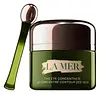 Key Ingredients
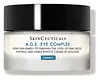
Benefits
Concerns
Ingredients Side-by-side
Algae Extract
EmollientWater
Skin ConditioningDimethicone
Emollient

Isododecane
EmollientGlycerin
Humectant

Hydrogenated Polyisobutene
EmollientTrisiloxane
Skin Conditioning
Caprylic/Capric/Myristic/Stearic Triglyceride
EmollientVinyl Dimethicone/Methicone Silsesquioxane Crosspolymer

Caprylic/Capric Triglyceride
Masking
Maris Sal
Skin ConditioningFaex Extract
Skin ConditioningHelichrysum Arenarium Extract
AntiseborrhoeicSesamum Indicum Seed Oil
Emollient

Medicago Sativa Seed Powder
Skin ConditioningHelianthus Annuus Seedcake
Abrasive
Prunus Amygdalus Dulcis Seed Meal
Abrasive
Eucalyptus Globulus Leaf Oil
Perfuming




Sodium Gluconate
Skin ConditioningCopper Gluconate
Skin Conditioning
Calcium Gluconate
HumectantMagnesium Gluconate
Skin ConditioningZinc Gluconate
Skin Conditioning


Tocopheryl Succinate
Antioxidant
Niacin
SmoothingSesamum Indicum Seed Powder
Skin ConditioningAsparagopsis Armata Extract
Skin ProtectingLaminaria Digitata Extract
Skin Protecting
Molasses Extract
Skin ConditioningPhytosphingosine
Skin Conditioning

Ecklonia Cava Extract
Skin ConditioningCorallina Officinalis Extract
Skin Conditioning
Sodium Hyaluronate
Humectant
Sigesbeckia Orientalis Extract
Skin ConditioningPolygonum Fagopyrum Seed Extract
Skin ConditioningBrassica Campestris Seed Oil
Skin Conditioning
Polyglyceryl-3 Diisostearate
Emulsifying

Glycyrrhiza Glabra Root Extract
Bleaching

Ascophyllum Nodosum Extract
Skin ConditioningCitrus Aurantifolia Peel Extract
Cleansing
Cucumis Sativus Fruit Extract
Emollient
Acetyl Hexapeptide-8
Humectant
Althaea Officinalis Root Extract
Skin Conditioning
Oryza Sativa Bran Extract
Skin Conditioning
Tocopheryl Acetate
Antioxidant
Saccharomyces Lysate Extract
Humectant
Macadamia Integrifolia Seed Oil
Skin Conditioning
Dipeptide-2
Skin Conditioning
Glyceryl Triacetyl Ricinoleate
Emollient
Palmitoyl Tetrapeptide-7
Skin Conditioning
Caffeine
Skin Conditioning
Tetraacetylphytosphingosine
Skin ConditioningWhey Protein
Skin ConditioningAcetyl Glucosamine
Skin Conditioning
Triethylhexanoin
MaskingSorbitol
Humectant
Hordeum Vulgare Extract
EmollientGlycine Soja Protein
EmulsifyingCholesterol
Emollient
Hydrolyzed Yeast Protein
Skin ConditioningIsononyl Isononanoate
EmollientPropylene Glycol Dicaprate
EmollientCetyl PEG/PPG-10/1 Dimethicone
Emulsifying
Caprylyl Glycol
Emollient
Sucrose
Humectant
Polysilicone-11
Dimethicone Crosspolymer
Emulsion Stabilising
Dimethicone Crosspolymer-3
Skin Conditioning
Silica
Abrasive
Nylon-12

Trimethylsiloxysilicate
Emollient
Steareth-20
CleansingCalcium Chloride
AstringentHesperidin Methyl Chalcone
Antioxidant
PEG/PPG-18/18 Dimethicone
Emulsifying
Alumina
Abrasive
Triethoxycaprylylsilane
Hydrogenated Vegetable Oil
Emollient
Alcohol Denat.
Antimicrobial


Propanediol
Solvent
Parfum
Masking
BHT
Antioxidant
Phenoxyethanol
Preservative
Potassium Sorbate
Preservative
Chlorhexidine Digluconate
Antimicrobial
Sodium Benzoate
Masking
Mica
Cosmetic ColorantCI 77891
Cosmetic ColorantAlgae Extract, Water, Dimethicone, Isododecane, Glycerin, Hydrogenated Polyisobutene, Trisiloxane, Caprylic/Capric/Myristic/Stearic Triglyceride, Vinyl Dimethicone/Methicone Silsesquioxane Crosspolymer, Caprylic/Capric Triglyceride, Maris Sal, Faex Extract, Helichrysum Arenarium Extract, Sesamum Indicum Seed Oil, Medicago Sativa Seed Powder, Helianthus Annuus Seedcake, Prunus Amygdalus Dulcis Seed Meal, Eucalyptus Globulus Leaf Oil, Sodium Gluconate, Copper Gluconate, Calcium Gluconate, Magnesium Gluconate, Zinc Gluconate, Tocopheryl Succinate, Niacin, Sesamum Indicum Seed Powder, Asparagopsis Armata Extract, Laminaria Digitata Extract, Molasses Extract, Phytosphingosine, Ecklonia Cava Extract, Corallina Officinalis Extract, Sodium Hyaluronate, Sigesbeckia Orientalis Extract, Polygonum Fagopyrum Seed Extract, Brassica Campestris Seed Oil, Polyglyceryl-3 Diisostearate, Glycyrrhiza Glabra Root Extract, Ascophyllum Nodosum Extract, Citrus Aurantifolia Peel Extract, Cucumis Sativus Fruit Extract, Acetyl Hexapeptide-8, Althaea Officinalis Root Extract, Oryza Sativa Bran Extract, Tocopheryl Acetate, Saccharomyces Lysate Extract, Macadamia Integrifolia Seed Oil, Dipeptide-2, Glyceryl Triacetyl Ricinoleate, Palmitoyl Tetrapeptide-7, Caffeine, Tetraacetylphytosphingosine, Whey Protein, Acetyl Glucosamine, Triethylhexanoin, Sorbitol, Hordeum Vulgare Extract, Glycine Soja Protein, Cholesterol, Hydrolyzed Yeast Protein, Isononyl Isononanoate, Propylene Glycol Dicaprate, Cetyl PEG/PPG-10/1 Dimethicone, Caprylyl Glycol, Sucrose, Polysilicone-11, Dimethicone Crosspolymer, Dimethicone Crosspolymer-3, Silica, Nylon-12, Trimethylsiloxysilicate, Steareth-20, Calcium Chloride, Hesperidin Methyl Chalcone, PEG/PPG-18/18 Dimethicone, Alumina, Triethoxycaprylylsilane, Hydrogenated Vegetable Oil, Alcohol Denat., Propanediol, Parfum, BHT, Phenoxyethanol, Potassium Sorbate, Chlorhexidine Digluconate, Sodium Benzoate, Mica, CI 77891
Water
Skin ConditioningGlycerin
Humectant
Dimethicone
Emollient
Isohexadecane
EmollientParaffin
Skin ConditioningPropylene Glycol
Humectant
Silica
Abrasive
Polyglyceryl-4 Isostearate
Emulsifying
Cetyl PEG/PPG-10/1 Dimethicone
Emulsifying
Hexyl Laurate
Emollient
Nylon-12
Hydroxypropyl Tetrahydropyrantriol
Skin ConditioningMethylsilanol/Silicate Crosspolymer
Skin ConditioningPolyethylene
Abrasive
Ascorbyl Glucoside
Antioxidant
Caprylic/Capric Triglyceride
Masking
Octyldodecanol
Emollient
Phenoxyethanol
Preservative
Tocopheryl Acetate
Antioxidant
Ammonium Polyacryloyldimethyl Taurate
Emulsion StabilisingPEG-6 Isostearate
Emulsifying
Triethanolamine
BufferingSodium Citrate
BufferingMethylparaben
Preservative
Chlorphenesin
Antimicrobial
Caffeine
Skin Conditioning
Titanium Dioxide
Cosmetic Colorant
Ethylparaben
Preservative
Menthoxypropanediol
Masking
Vaccinium Myrtillus Fruit Extract
Skin ConditioningHesperidin Methyl Chalcone
Antioxidant
Pentasodium Pentetate
Aluminum Hydroxide
EmollientStearic Acid
Cleansing
Hesperetin Laurate
Antioxidant
N-Hydroxysuccinimide
Skin ConditioningDipeptide-2
Skin Conditioning
Palmitoyl Tetrapeptide-7
Skin Conditioning
Palmitoyl Oligopeptide
Cleansing
Chrysin
Skin ConditioningWater, Glycerin, Dimethicone, Isohexadecane, Paraffin, Propylene Glycol, Silica, Polyglyceryl-4 Isostearate, Cetyl PEG/PPG-10/1 Dimethicone, Hexyl Laurate, Nylon-12, Hydroxypropyl Tetrahydropyrantriol, Methylsilanol/Silicate Crosspolymer, Polyethylene, Ascorbyl Glucoside, Caprylic/Capric Triglyceride, Octyldodecanol, Phenoxyethanol, Tocopheryl Acetate, Ammonium Polyacryloyldimethyl Taurate, PEG-6 Isostearate, Triethanolamine, Sodium Citrate, Methylparaben, Chlorphenesin, Caffeine, Titanium Dioxide, Ethylparaben, Menthoxypropanediol, Vaccinium Myrtillus Fruit Extract, Hesperidin Methyl Chalcone, Pentasodium Pentetate, Aluminum Hydroxide, Stearic Acid, Hesperetin Laurate, N-Hydroxysuccinimide, Dipeptide-2, Palmitoyl Tetrapeptide-7, Palmitoyl Oligopeptide, Chrysin
Reviews
Ingredients Explained
These ingredients are found in both products.
Ingredients higher up in an ingredient list are typically present in a larger amount.
Caffeine is a naturally occurring plant compound found in coffee beans, tea leaves, cocoa pods, and guarana.
As an antioxidant, caffeine protects your skin from free radical damage caused by UV exposure and envionrmnetal stressors.
Early research also shows that caffeine can help calm redness, soothe irritated skin, and support hair growth by stimulating microcirculation in the scalp.
You might have seen eye creams marketing caffeine as a depuffing ingredient. This is because it is a vasoconstrictor meaning it can temporarily constrict blood vessels, though clinical evidence for this specific use is still limited.
Most skincare products contain this ingredient at concentrations between 1-6%. It is able to penetrate skin easily regardless of skin type or thickness.
Just so you know, a very small number of case reports describe caffeine-induced allergy. This ingredient is generally well-tolerated, non-irritating, and non-sensitizing for the majority of people.
Learn more about CaffeineCaprylic/Capric Triglyceride (aka MCT Oil) is a lightweight emollient, solvent, and texture enhancer. It is considered a skin-softener by helping to prevent moisture loss.
Though it behaves like an oil, it is not technically one due to its chemical composition. One perk of this ingredient is that it is very stable, resistant to oxidation, and unlikely to go rancid.
In practice, that translates to a long shelf life and a consistently elegant skin feel.
While there is an assumption Caprylic Triglyceride can clog pores due to it being derived from coconut oil, there is no research supporting this. Just patch test if you have concerns.
Fractionated coconut oil and MCT Oil are both listed as Caprylic/Capric Triglyceride according to INCI. This is because INCI names are based on the ingredient’s final chemical composition and not its marketing name or source.
This ingredient is treated as the gold standard fungal acne safe oil. Even though it is coconut derived, the problematic lauric acid is stripped out.
This leaves just caprylic (C8) and capric (C10) acid. These chain lengths actually trend antifungal; a 2020 study found caprylic acid was enough to disrupt Malassezia furfur cell membrane, with a caprylic acid derivative damaging membrane structures at concentrations as low as 0.2%.
Learn more about Caprylic/Capric TriglycerideThis ingredient is a silicone-based emulsifer that helps the water and oil phases play nicely together.
It's pretty effective because one end of the molecule loves oil and the other one loves water.
Besides holding formulas together, it also leaves a silky and lightweight feel on skin without the greasiness. A manufacturer also claims it can help with the controlled release of active ingredients.
The CIR Expert Panel found this ingredient to not be sensitizing in concentrations up to 15% in human maximazation testing and dimethicone-based compounds were not comedogenic.
It has a high molecular weight well above 1,000 g/mol which means it limits meaningful skin penetration.
A 2019 study specifically tested this ingredient and found no observable Malassezia growth in its presence.
Learn more about Cetyl PEG/PPG-10/1 DimethiconeDimethicone is a type of synthetic silicone created from natural materials such as quartz. It is also known as polydimethylsiloxane.
What it does:
Dimethicone comes in different viscosities:
Depending on the viscosity, dimethicone has different properties.
Ingredients lists don't always show which type is used, so we recommend reaching out to the brand if you have questions about the viscosity.
This ingredient is unlikely to cause irritation because it does not get absorbed into skin. However, people with silicone allergies should be careful about using this ingredient.
Note: Dimethicone may contribute to pilling. This is because it is not oil or water soluble, so pilling may occur when layered with products. When mixed with heavy oils in a formula, the outcome is also quite greasy.
Learn more about DimethiconeDipeptide-2 is a peptide. It can help to reduce the effects of aging.
Glycerin (or glycerol) is a compound naturally found in your skin. It's a powerhouse humectant that pulls water into the stratum corneum.
Topically, glycerin does several things at once:
Your skin makes glycerin on its own (mostly from sebaceous oil breakdown) and shuttles it to your outermost layer of skin, or your epidermis, via aquaporin-3.
Aquaporin-3 is a transporter that is essential for normal skin hydration, elasticity, and repair. Interestingly, mice lacking in AQP3 have dry and less elastic skin that can be fully corrected with glycerin.
This ingredient is non-irritating, plays well with almost every ingredient, and works across all skin types. Typical use is anywhere between 3-10% but can go up to 79% in some leave-on products.
Just know very high concentrations (>40%) can feel tacky in low humidity.
Glycerin is the name for this ingredient in American English. British English uses Glycerol/Glycerine.
Learn more about GlycerinHesperidin Methyl Chalcone (HMC) is a modified form of hesperidin, a citrus flavonoid. It has antioxidant properties.
In preclinical research, HMC has been studied for its ability to reduce oxidative stress and inflammation related to UVB exposure. Outside of cosmetics, HMC has been looked at for its effects on capillary leakage and swelling. This is why you'll often see this ingredient in eye creams.
Overall, HMC is a gentle and supportive ingredient. Further research is needed on the claims that this ingredient can "erase dark circles".
Learn more about Hesperidin Methyl ChalconeNylon-12 is a polymer. It is derived from 12-aminododecanoic acid, an omega-amino fatty acid
According to a manufacturer, it is a talc substitute. Like talc, nylon-12 gives products a satin feel. The manufacturer also claims this ingredients does not block pores and has moderate oil absorption.
This ingredient may not be reef-safe.
Learn more about Nylon-12Palmitoyl Tetrapeptide-7 (formerly Palmitoyl Tetrapeptide-3) is a synthetic peptide. Its main job is to fight what researchers call "inflammaging".
"Inflammaging" is the slow, low-grade chronic inflammation that quietly breaks down collagen as we age.
This ingredient calms down a specific inflammation signal in your skin cells (called IL-6). When left unchecked, this signal triggers enzymes that break down collagen and elastin.
Clinical testing showed statistically significant improvements in:
Studies also found the more of this ingredient used, the more your skin produces Collagen I, fibronectin, and hyaluronic acid.
You'll likely see this ingredient paired with Palmitoyl Tripeptide-1 in the well-known Matrixyl 3000 complex for enhanced anti-aging effects.
A 3% concentration applied twice daily for two months showed meaningful skin rejuvenation results in clinical panels.
Fungal acne note:
Usually a palmitic acid component can feed Malassezia in unbound form, but here is is covalently bonded to the peptide. This means it is very difficult for Malassezia to access, and therefore very unlikely to cause fungal acne.
Phenoxyethanol is a preservative that has germicide, antimicrobial, and aromatic properties. Studies show that phenoxyethanol can prevent microbial growth. By itself, it has a scent that is similar to that of a rose.
It's often used in formulations along with Caprylyl Glycol to preserve the shelf life of products.
Silica, also known as silicon dioxide, is a naturally occurring mineral. It is used as a fine, spherical, and porous powder in cosmetics.
Though it has exfoliant properties, the function of silica varies depending on the product.
The unique structure of silica enhances the spreadability and adds smoothness, making it a great texture enhancer.
It is also used as an active carrier, emulsifier, and mattifier due to its ability to absorb excess oil.
In some products, tiny microneedles called spicules are made from silica or hydrolyzed sponge. When you rub them in, they lightly polish away dead skin layers and enhance the penetration of active ingredients.
Learn more about SilicaTocopheryl Acetate is AKA Vitamin E. It is an antioxidant and protects your skin from free radicals. Free radicals damage the skin by breaking down collagen.
One study found using Tocopheryl Acetate with Vitamin C decreased the number of sunburned cells.
Tocopheryl Acetate is commonly found in both skincare and dietary supplements.
Learn more about Tocopheryl AcetateWater. It's the most common cosmetic ingredient of all. You'll usually see it at the top of ingredient lists, meaning that it makes up the largest part of the product.
So why is it so popular? Water most often acts as a solvent - this means that it helps dissolve other ingredients into the formulation.
You'll also recognize water as that liquid we all need to stay alive. If you see this, drink a glass of water. Remember to stay hydrated!
Learn more about Water

