L'Oreal Revitalift Laser Tri-Peptide Serum Versus Kiehl's Micro-Dose Anti-Aging Retinol Serum with Ceramides and Peptide
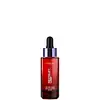
This anti-aging serum is formulated around Bifida Ferment Lysate and Acetyl Hexapeptide-8 to soften the look of wrinkles and refine skin texture.
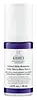
This anti-aging serum is formulated around Niacinamide and Ceramide NP to soften the look of wrinkles and refine skin texture.


What's inside
What's inside
 Key Ingredients
Benefits
Concerns
Ingredients Side-by-side
Water
Skin ConditioningBifida Ferment Lysate
Skin Conditioning



Glycerin
Humectant
Alcohol Denat.
Antimicrobial




Polyglyceryl-4 Caprate
EmulsifyingSodium Hyaluronate
Humectant

Betaine
Humectant
Acetyl Dipeptide-1 Cetyl Ester
Skin Conditioning
Acetyl Hexapeptide-8
Humectant
Palmitoyl Tetrapeptide-7
Skin Conditioning
Palmitoyl Tripeptide-1
Skin Conditioning
Phytic Acid


Secale Cereale Seed Extract
Abrasive
Sodium Acetylated Hyaluronate
Humectant
Sodium Hydroxide
BufferingTrisodium Ethylenediamine Disuccinate
Ascorbyl Glucoside
Antioxidant

Calcium Pantothenate
Isononyl Isononanoate
EmollientIsopropyl Myristate
Emollient


Polyglyceryl-2 Isostearate
Emulsifying
Acetic Acid
BufferingAmmonium Polyacryloyldimethyl Taurate
Emulsion StabilisingButylene Glycol
Humectant
Caprylyl Glycol
Emollient
Carbomer
Emulsion StabilisingHydroxyethylcellulose
Emulsion StabilisingHydroxypropyl Methylcellulose
Emulsion StabilisingLactic Acid
Buffering


Pentylene Glycol
Skin Conditioning
Polyepsilon-Lysine
Skin ConditioningPolysorbate 20
Emulsifying
PPG-6-Decyltetradeceth-30
EmulsifyingSodium Lactate
Buffering
Sorbitan Laurate
Emulsifying
Tocopherol
Antioxidant
Simethicone
Emollient
Benzyl Alcohol
Perfuming



Citronellol
Perfuming
Linalool
Perfuming
Chlorphenesin
Antimicrobial
Sodium Benzoate
Masking
Parfum
Masking
Water, Bifida Ferment Lysate, Glycerin, Alcohol Denat., Polyglyceryl-4 Caprate, Sodium Hyaluronate, Betaine, Acetyl Dipeptide-1 Cetyl Ester, Acetyl Hexapeptide-8, Palmitoyl Tetrapeptide-7, Palmitoyl Tripeptide-1, Phytic Acid, Secale Cereale Seed Extract, Sodium Acetylated Hyaluronate, Sodium Hydroxide, Trisodium Ethylenediamine Disuccinate, Ascorbyl Glucoside, Calcium Pantothenate, Isononyl Isononanoate, Isopropyl Myristate, Polyglyceryl-2 Isostearate, Acetic Acid, Ammonium Polyacryloyldimethyl Taurate, Butylene Glycol, Caprylyl Glycol, Carbomer, Hydroxyethylcellulose, Hydroxypropyl Methylcellulose, Lactic Acid, Pentylene Glycol, Polyepsilon-Lysine, Polysorbate 20, PPG-6-Decyltetradeceth-30, Sodium Lactate, Sorbitan Laurate, Tocopherol, Simethicone, Benzyl Alcohol, Citronellol, Linalool, Chlorphenesin, Sodium Benzoate, Parfum
Water
Skin ConditioningGlycerin
Humectant
Butylene Glycol
Humectant
Pentylene Glycol
Skin Conditioning
Niacinamide
Smoothing

Cetyl Alcohol
Emollient
Isohexadecane
EmollientIsononyl Isononanoate
EmollientDiisopropyl Sebacate
Emollient2-Oleamido-1,3-Octadecanediol
Skin Conditioning4-T-Butylcyclohexanol
Masking
Acetyl Dipeptide-1 Cetyl Ester
Skin Conditioning
Adenosine
Skin Conditioning
Ceramide NP
Skin Conditioning
Hydroxypalmitoyl Sphinganine
Skin Conditioning
Lauroyl Lysine
Skin Conditioning
Octyldodecanol
Emollient
Pentaerythrityl Tetra-Di-T-Butyl Hydroxyhydrocinnamate
Antioxidant
Sodium Chloride
MaskingSodium Hyaluronate
Humectant
Sodium Hydroxide
BufferingTrisodium Ethylenediamine Disuccinate
Retinol
Skin Conditioning
Tocopherol
Antioxidant
Dicaprylyl Ether
Emollient
Ammonium Polyacryloyldimethyl Taurate
Emulsion StabilisingBehenyl Alcohol
Emollient
Caprylyl Glycol
Emollient
Carbomer
Emulsion StabilisingCetearyl Alcohol
Emollient
Cetearyl Glucoside
Emulsifying
Glycine Soja Oil
Emollient
Helianthus Annuus Seed Oil
Emollient
Hydroxyethylcellulose
Emulsion StabilisingLecithin
Emollient
Phenethyl Alcohol
MaskingPoloxamer 188
EmulsifyingPolycaprolactone
StabilisingSorbitan Laurate
Emulsifying
Steareth-100
Gel FormingCI 40800
Cosmetic ColorantChlorphenesin
Antimicrobial
Phenoxyethanol
Preservative
Water, Glycerin, Butylene Glycol, Pentylene Glycol, Niacinamide, Cetyl Alcohol, Isohexadecane, Isononyl Isononanoate, Diisopropyl Sebacate, 2-Oleamido-1,3-Octadecanediol, 4-T-Butylcyclohexanol, Acetyl Dipeptide-1 Cetyl Ester, Adenosine, Ceramide NP, Hydroxypalmitoyl Sphinganine, Lauroyl Lysine, Octyldodecanol, Pentaerythrityl Tetra-Di-T-Butyl Hydroxyhydrocinnamate, Sodium Chloride, Sodium Hyaluronate, Sodium Hydroxide, Trisodium Ethylenediamine Disuccinate, Retinol, Tocopherol, Dicaprylyl Ether, Ammonium Polyacryloyldimethyl Taurate, Behenyl Alcohol, Caprylyl Glycol, Carbomer, Cetearyl Alcohol, Cetearyl Glucoside, Glycine Soja Oil, Helianthus Annuus Seed Oil, Hydroxyethylcellulose, Lecithin, Phenethyl Alcohol, Poloxamer 188, Polycaprolactone, Sorbitan Laurate, Steareth-100, CI 40800, Chlorphenesin, Phenoxyethanol
Reviews
Ingredients Explained
These ingredients are found in both products.
Ingredients higher up in an ingredient list are typically present in a larger amount.
Acetyl Dipeptide-1 Cetyl Ester is a peptide composed of amino acids arginine and tyrosine.
This peptide is considered a neurotransmitter peptide, meaning it has pain-relieving and relaxing properties. It has the ability to calm skin irritation from external factors such as chemical stinging or heat.
Neurotransmitter peptides are also often called "botox in a bottle". This is because these peptides have the ability to relax the muscles.
Though relaxing the muscles can prevent expression lines (as we have seen in botox), the studies do not show these peptides to be a botox replacement. The effects of this muscle relaxation is also short-term, as opposed to longer-term results from botox.
Learn more about Acetyl Dipeptide-1 Cetyl EsterAmmonium Polyacryloyldimethyl Taurate is a polymer made from ammonium salts. It works as a thickener, emulsifier, and texture enhancer that gives gel-creams a silky, lightweight feel.
This ingredient is versatile and low-maintenance so manufacturers love working with it.
Typical usage levels in cosmetics are usually low and in the range of 0.015 - 2.3%.
Learn more about Ammonium Polyacryloyldimethyl TaurateButylene Glycol (or BG) is used within cosmetic products for a few different reasons:
Overall, Butylene Glycol is a safe and well-rounded ingredient that works well with other ingredients.
Though this ingredient works well with most skin types, some people with sensitive skin may experience a reaction such as allergic rashes, closed comedones, or itchiness.
Learn more about Butylene GlycolCaprylyl Glycol is a humectant, skin conditioner, emollient, and preservative booster derived from either caprylic acid or synthetically created.
Typical use levels vary from 0.3-1% as a preservative booster and go up to 2% to condition skin.
Because it is not a free-fatty acid, this ingredient is fungal acne safe (there's nothing for Malassezia to feed on).
Learn more about Caprylyl GlycolCarbomer is a synthetic thickening and gelling agent. It's basically the ingredient that gives a lot of serums, gels, creams, and sunscreens their smooth, non-sticky texture.
Although legally permitted at very high levels, carbomers are normally used at concentrations below 1%.
It also needs to be neutralized to actually thicken, and because it is a large molecule, it doesn't really penetrate the skin barrier.
Allergy-wise, the risk is very low. Clinical studies show carbomers have low potential for skin irritation/sensitization even at concentrations up to 100%.
A 2024 UK study patch-tested 1,302 patients and found true allergy to the parent group of carbomer to be rare with no confirmed relevant reactions.
Learn more about CarbomerChlorphenesin is a synthetic preservative. It helps protect a product against bacteria in order to extend shelf life. In most cases, Chlorphenesin is paired with other preservatives such as phenoxyethanol and caprylyl glycol.
Chlorphenesin is a biocide. This means it is able to help fight the microorganisms on our skin. It is also able to fight odor-releasing bacteria.
Chlorphenesin is soluble in both water and glycerin.
Studies show Chlorphenesin is easily absorbed by our skin. You should speak with a skincare professional if you have concerns about using Chlorphenesin.
Learn more about ChlorphenesinGlycerin (or glycerol) is a compound naturally found in your skin. It's a powerhouse humectant that pulls water into the stratum corneum.
Topically, glycerin does several things at once:
Your skin makes glycerin on its own (mostly from sebaceous oil breakdown) and shuttles it to your outermost layer of skin, or your epidermis, via aquaporin-3.
Aquaporin-3 is a transporter that is essential for normal skin hydration, elasticity, and repair. Interestingly, mice lacking in AQP3 have dry and less elastic skin that can be fully corrected with glycerin.
This ingredient is non-irritating, plays well with almost every ingredient, and works across all skin types. Typical use is anywhere between 3-10% but can go up to 79% in some leave-on products.
Just know very high concentrations (>40%) can feel tacky in low humidity.
Glycerin is the name for this ingredient in American English. British English uses Glycerol/Glycerine.
Learn more about GlycerinHydroxyethylcellulose is used to improve the texture of products. It is created from a chemical reaction involving ethylene oxide and alkali-cellulose. Cellulose is a sugar found in plant cell walls and help give plants structure.
This ingredient helps stabilize products by preventing ingredients from separating. It can also help thicken the texture of a product.
This ingredient can also be found in pill medicines to help our bodies digest other ingredients.
Learn more about HydroxyethylcelluloseIsononyl Isononanoate is a synthetic skin-conditioner and texture enhancer. It is created from nonanoic acid, a fatty acid found in cocoa and lavender oil.
As an emollient, Isononyl Isononanoate helps keep your skin soft and smooth. This is because emollients create a barrier on the skin to trap moisture in.
Isononyl Isononanoate helps give products a velvet feel and improves spreadability.
Learn more about Isononyl IsononanoatePentylene Glycol (1,2-pentanediol) is a multitasking little diol with three main roles in a formula:
Research on alkanediols (the family pentylene glycol belongs to) show they work by disrupting microbial cell membranes. This disruption helps the primary preservative system in a product work more effectively at lower doses.
On the safety side, the Cosmetic Ingredient Review Expert Panel has concluded this ingredient to be safe as used in current cosmetic practices + concentrations.
Typical use levels in a formula run about 1-5%.
Learn more about Pentylene GlycolSodium Hyaluronate is the salt form of hyaluronic acid. It is a long sugar chain that is naturally found in your skin, joints, and connective tissue that maintains hydration and elasticity.
In skincare, it works as a humectant. It pulls water from the environment and deeper layers of skin and binds it to the surface.
Interestingly, the size of the molecule affects its behavior:
Some clinical evidence links low molecular weight versions to improved wrinkle depth, elasticity, anti-inflammatory effects, and barrier repair.
Many serums use a blend of both weights so you can get surface hydration plus longer-lasting and deeper effects.
You'll typically see concentrations between 0.1-2% for this ingredient.
Learn more about Sodium HyaluronateSodium Hydroxide is also known as lye or caustic soda. It is used to adjust the pH of products; many ingredients require a specific pH to be effective.
In small amounts, sodium hydroxide is considered safe to use. However, large amounts may cause chemical burns due to its high alkaline.
Your skin has a natural pH and acid mantle. This acid mantle helps prevent harmful bacteria from breaking through. The acid mantle also helps keep your skin hydrated.
"Alkaline" refers to a high pH level. A low pH level would be considered acidic.
Learn more about Sodium HydroxideSorbitan Laurate is created from lauric acid and derivatives from sorbitol. It is an emulsifier.
Tocopherol is a fat-soluble antioxidant known as Vitamin E.
You'll find this ingredient in the vast majority of skincare (for good reason). It works to neutralize free radicals, or unstable molecules generated by UV exposure, pollution, and other environmental stressors, before they can cause oxidative damage to your skin cells.
Topically applied tocopherol has been shown to protect against UV damage by ramping up the skin's own natural defense enzymes.
It also acts as a skin conditioning agent; some studies show that regular topical use can improve the skin's water-binding capacity over 2-4 weeks.
This ingredient is especially loved for being a team player. When combined with Vitamin C, the photoprotective effect of both ingredients roughly doubles and the combo also helps reduce UV-induced DNA damage.
This ingredient has some brightening potential but it's more of a prevention ingredient than spot-fader. Cell studies show it can slow down melanin production but it's worth noting that it's not the most powerful brightener out there.
In formulations, it also serves as a stabilizer that helps protect other oxidation-prone ingredients from degrading.
Concentrations usually range from 0.1-1% in most leave-on products.
Learn more about TocopherolTrisodium Ethylenediamine Disuccinate is used to help stabilize a product.
It is a chelating agent, meaning it helps prevent metal ions from binding to other ingredients. This prevents unwanted reactions in products. Metal ions can come into a product via the water ingredient. They are found in trace amounts and are not known to be harmful.
Water. It's the most common cosmetic ingredient of all. You'll usually see it at the top of ingredient lists, meaning that it makes up the largest part of the product.
So why is it so popular? Water most often acts as a solvent - this means that it helps dissolve other ingredients into the formulation.
You'll also recognize water as that liquid we all need to stay alive. If you see this, drink a glass of water. Remember to stay hydrated!
Learn more about Water

