

What's inside
What's inside
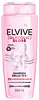 Key Ingredients
Benefits
Concerns
Ingredients Side-by-side
Water
Skin ConditioningSodium Laureth Sulfate
Cleansing



Sodium Lauryl Sulfate
Cleansing
Cocamidopropyl Betaine
Cleansing
Sodium Chloride
MaskingGlycol Distearate
Emollient
Parfum
Masking

Hexylene Glycol
EmulsifyingGuar Hydroxypropyltrimonium Chloride
Skin ConditioningCocamide Mea
Emulsifying
Coco-Betaine
Cleansing
Sodium Benzoate
Masking
Sodium Hydroxide
BufferingHydroxycitronellal
Perfuming
Steareth-6
EmulsifyingPhenoxyethanol
Preservative
Acetic Acid
BufferingPEG-100 Stearate
Surfactant
Trideceth-10
CleansingTrideceth-3
EmulsifyingSalicylic Acid
Masking





Xylose
HumectantDimethicone
Emollient

Limonene
Perfuming
Fumaric Acid
BufferingLinalool
Perfuming
Amodimethicone
Carbomer
Emulsion StabilisingCitric Acid
Buffering
Hexyl Cinnamal
Perfuming
Glycolic Acid
Buffering


Water, Sodium Laureth Sulfate, Sodium Lauryl Sulfate, Cocamidopropyl Betaine, Sodium Chloride, Glycol Distearate, Parfum, Hexylene Glycol, Guar Hydroxypropyltrimonium Chloride, Cocamide Mea, Coco-Betaine, Sodium Benzoate, Sodium Hydroxide, Hydroxycitronellal, Steareth-6, Phenoxyethanol, Acetic Acid, PEG-100 Stearate, Trideceth-10, Trideceth-3, Salicylic Acid, Xylose, Dimethicone, Limonene, Fumaric Acid, Linalool, Amodimethicone, Carbomer, Citric Acid, Hexyl Cinnamal, Glycolic Acid
Water
Skin ConditioningSodium C14-16 Olefin Sulfonate
Cleansing
Cocamidopropyl Betaine
Cleansing
Glycerin
Humectant

Salicylic Acid
Masking
Disodium Laureth Sulfosuccinate
CleansingAcrylates/Beheneth-25 Methacrylate Copolymer
Parfum
Masking
Sodium Lauroyl Sarcosinate
CleansingPhenoxyethanol
Preservative
Capryloyl/Caproyl Methyl Glucamide
EmulsifyingPolysorbate 20
Emulsifying
Sorbeth-230 Tetraoleate
Emulsifying
PEG-9 Cocoate
Emulsifying
Guar Hydroxypropyltrimonium Chloride
Skin ConditioningBis-Cetearyl Amodimethicone
Linoleamidopropyl Pg-Dimonium Chloride Phosphate
Silicone Quaternium-22
Potassium Hydroxide
BufferingPropylene Glycol
Humectant
Cetyl Triethylmonium Dimethicone PEG-8 Succinate
Chlorphenesin
Antimicrobial
C12-16 Alketh-9
EmulsifyingLaureth-3
EmulsifyingDecyl Glucoside
Cleansing
Quaternium-95
UV AbsorberDipropylene Glycol
HumectantPolyglyceryl-3 Caprate
EmulsifyingSodium Sulfate
Tetrasodium EDTA
ChelatingVaccinium Myrtillus Fruit Extract
Skin ConditioningSynthetic Fluorphlogopite
Sorbitan Laurate
Emulsifying
Sodium Hydroxide
BufferingPropanediol
Solvent
Sodium PCA
Humectant
Saccharum Officinarum Extract
MoisturisingCeteareth-25
CleansingCeteareth-7
EmulsifyingBenzoic Acid
Masking
Citrullus Lanatus Seed Oil
Emollient
Palmitamidopropyltrimonium Chloride
Citric Acid
Buffering
Citrus Aurantium Dulcis Flower Extract
Skin ConditioningCitrus Limon Fruit Extract
Masking
Caprylyl Glycol
Emollient
Tocopheryl Acetate
Antioxidant

Sodium Sulfite
Preservative
Acer Saccharum Extract
Skin ConditioningHydrolyzed Quinoa
Skin ConditioningLitchi Chinensis Fruit Extract
Skin ConditioningGlycolic Acid
Buffering
Hydrolyzed Vegetable Protein Pg-Propyl Silanetriol
Skin ConditioningSodium Lactate
Buffering
Arginine
Masking
Leontopodium Alpinum Flower/Leaf Extract
Skin ConditioningSodium Coco Pg-Dimonium Chloride Phosphate
CleansingHexylene Glycol
EmulsifyingAspartic Acid
Masking
PCA
Humectant
Butylene Glycol
Humectant
Tin Oxide
Abrasive
Acacia Seyal Gum Extract
HumectantPisum Sativum Sprout Extract
Skin ConditioningSodium Benzoate
Masking
Ascorbic Acid
Antioxidant
Panthenol
Skin Conditioning
Potassium Sorbate
Preservative
Pentaerythrityl Tetra-Di-T-Butyl Hydroxyhydrocinnamate
Antioxidant
Glycine
Buffering
Alanine
Masking
Disodium EDTA
ChelatingSerine
Masking
Valine
MaskingIsoleucine
Skin ConditioningProline
Skin Conditioning
Threonine
Histidine
Humectant
Phenylalanine
Masking
Ethylhexylglycerin
Skin ConditioningBiotin
AntiseborrhoeicNiacinamide
Smoothing
Hexyl Cinnamal
Perfuming
Limonene
Perfuming
Linalool
Perfuming
CI 77891
Cosmetic ColorantWater, Sodium C14-16 Olefin Sulfonate, Cocamidopropyl Betaine, Glycerin, Salicylic Acid, Disodium Laureth Sulfosuccinate, Acrylates/Beheneth-25 Methacrylate Copolymer, Parfum, Sodium Lauroyl Sarcosinate, Phenoxyethanol, Capryloyl/Caproyl Methyl Glucamide, Polysorbate 20, Sorbeth-230 Tetraoleate, PEG-9 Cocoate, Guar Hydroxypropyltrimonium Chloride, Bis-Cetearyl Amodimethicone, Linoleamidopropyl Pg-Dimonium Chloride Phosphate, Silicone Quaternium-22, Potassium Hydroxide, Propylene Glycol, Cetyl Triethylmonium Dimethicone PEG-8 Succinate, Chlorphenesin, C12-16 Alketh-9, Laureth-3, Decyl Glucoside, Quaternium-95, Dipropylene Glycol, Polyglyceryl-3 Caprate, Sodium Sulfate, Tetrasodium EDTA, Vaccinium Myrtillus Fruit Extract, Synthetic Fluorphlogopite, Sorbitan Laurate, Sodium Hydroxide, Propanediol, Sodium PCA, Saccharum Officinarum Extract, Ceteareth-25, Ceteareth-7, Benzoic Acid, Citrullus Lanatus Seed Oil, Palmitamidopropyltrimonium Chloride, Citric Acid, Citrus Aurantium Dulcis Flower Extract, Citrus Limon Fruit Extract, Caprylyl Glycol, Tocopheryl Acetate, Sodium Sulfite, Acer Saccharum Extract, Hydrolyzed Quinoa, Litchi Chinensis Fruit Extract, Glycolic Acid, Hydrolyzed Vegetable Protein Pg-Propyl Silanetriol, Sodium Lactate, Arginine, Leontopodium Alpinum Flower/Leaf Extract, Sodium Coco Pg-Dimonium Chloride Phosphate, Hexylene Glycol, Aspartic Acid, PCA, Butylene Glycol, Tin Oxide, Acacia Seyal Gum Extract, Pisum Sativum Sprout Extract, Sodium Benzoate, Ascorbic Acid, Panthenol, Potassium Sorbate, Pentaerythrityl Tetra-Di-T-Butyl Hydroxyhydrocinnamate, Glycine, Alanine, Disodium EDTA, Serine, Valine, Isoleucine, Proline, Threonine, Histidine, Phenylalanine, Ethylhexylglycerin, Biotin, Niacinamide, Hexyl Cinnamal, Limonene, Linalool, CI 77891
Reviews
Ingredients Explained
These ingredients are found in both products.
Ingredients higher up in an ingredient list are typically present in a larger amount.
Citric Acid is an alpha hydroxy acid (AHA) naturally found in citrus fruits like oranges, lemons, and limes.
Like other AHAs, citric acid can exfoliate skin by breaking down the bonds that hold dead skin cells together. This helps reveal smoother and brighter skin underneath.
However, this exfoliating effect only happens at high concentrations (20%) which can be hard to find in cosmetic products.
Due to this, citric acid is usually included in small amounts as a pH adjuster. This helps keep products slightly more acidic and compatible with skin's natural pH.
In skincare formulas, citric acid can:
While it can provide some skin benefits, research shows lactic acid and glycolic acid are generally more effective and less irritating exfoliants.
Most citric acid used in skincare today is made by fermenting sugars (usually from molasses). This synthetic version is identical to the natural citrus form but easier to stabilize and use in formulations.
Rosacea skin has a lower threshold for acids generally, with 62.5% of rosacea subjects in one study reacting to lactic acid in a sting test. This is why we mark citric acid as a potential rosacea trigger.
However, this ingredient shows up as a pH adjuster or chelator at roughly 0.1-1% in many products. These low levels are unlikely to be an issue for rosacea skin and becomes a potential trigger at exfoliating concentrations (20%). Because everybody's skin is unique, we recommend a patch test if you are unsure.
Learn more about Citric AcidCocamidopropyl Betaine is a fatty acid created by mixing similar compounds in coconut oil and dimethylaminopropylamine, a compound with two amino groups.
This ingredient is a surfactant and cleanser. It helps gather the dirt, pollutants, and other impurities in your skin to be washed away. It also helps thicken a product and make the texture more creamy.
Being created from coconut oil means Cocamidopropyl Betaine is hydrating for the skin.
While Cocamidopropyl Betaine was believed to be an allergen, a study from 2012 disproved this. It found two compounds in unpure Cocamidopropyl Betaine to be the irritants: aminoamide and 3-dimethylaminopropylamine. High-grade and pure Cocamidopropyl Betaine did not induce allergic reactions during this study.
Learn more about Cocamidopropyl BetaineGlycolic Acid is arguably the most famous alpha hydroxy acid (AHA) with tons of research backing its benefits.
It is found naturally in sugar cane but the form used in skincare is usually synthetic for purity and stability.
Glycolic acid removes the top layer of dead skin cells to allow newer and fresher ones to emerge.
AHAs work by breaking down the structural “glue” that holds old skin cells in place. When that buildup is gone, your skin can renew itself more efficiently.
Research also shows glycolic acid stimulates collagen production, helping to firm and thicken the skin over time. This is one of its biggest advantages over other AHAs.
Overall, glycolic acid helps with:
Fun fact: Glycolic acid boosts skin hydration by helping it produce molecules that increase hyaluronic acid naturally.
To work best, glycolic acid products should have a pH between 3-4 (that’s where exfoliation is most effective but still gentle on skin).
The pH and concentration of a product are key to its effectiveness:
It is normal to feel a slight stinging sensation when using glycolic acid. This usually fades as your skin adjusts.
Because glycolic acid has the smallest molecular size in the AHA family, it can penetrate deeper, which enhances its effectiveness but also makes it more likely to irritate sensitive skin.
If your skin is very sensitive or prone to rosacea, glycolic acid may be too strong; in that case, try milder options like lactic acid or a PHA instead.
Recent studies suggest glycolic acid might even help protect against UV damage. But don’t skip sunscreen! Freshly exfoliated skin is more sensitive to the sun.
Glycolic acid is a skincare superstar. It smooths, brightens, hydrates, and firms the skin. Unless you’re highly sensitive, it’s well worth adding to your routine.
Read more about some other popular AHA's here:
Learn more about Glycolic AcidThis ingredient is derived from guar gum. It is a skin conditioning agent that creates a thin, breathable film to reduce water loss during cleansing.
This leaves the skin feeling soft rather than stripped and also contributes to a creamier lather.
Due to the large molecule size, this ingredient is unlikely to penetrate skin.
Learn more about Guar Hydroxypropyltrimonium ChlorideHexyl Cinnamal is a fragrance ingredient with a similar scent to jasmine. It can be naturally found in chamomile essential oil.
This ingredient is a known EU allergen and may sensitize the skin. The EU requires this ingredient to be listed separately on an ingredients list.
Hexyl Cinnamal is not water soluble but is soluble in oils.
Learn more about Hexyl CinnamalHexylene Glycol is a multitasker ingredient that works as a solvent, humectant, emulsifier, viscosity reducer, and preservative booster.
It is able to dissolve both water and oil-soluble ingredients to stabilize tricky actives and make products spread more easily.
As a humectant, it pulls water into the skin. But it's a pretty minor moisturizing ingredient compared to other humectants, like glycerin.
Interestingly, it can act as a mild penetration enhancer. One in vitro study on human skin found a 12% concentration upped the absorption of mometasone furoate (a medicinal ingredient used to treat inflammatory skin conditions) up to 7%.
This ingredient is typically used at levels of 0.1-10% depending on the role it's playing.
A patch test study on eczema patients didn't find a significant increase in irritation versus the control group, but the potential for irritation rises at higher concentrations.
Learn more about Hexylene GlycolLimonene is the compound that gives citrus peel its smell.
In skincare, it shows up as a standalone fragrance ingredient or as a natural compound of citrus and other essential oils.
You'll typically see this ingredient used in very small amounts; anything above 0.001% in a leave-on product or 0.01% in a rinse-off has to be named on the label in the EU. The citrus oils that carry it sit around 0.5-1% in a finished formula.
Fresh limonene is a weak allergen; the real issue is that it slowly reacts with air and then breaks down from oxidation to create hydroperoxides (which are strong sensitizers). This is why suppliers are required to keep the peroxide value below 20 mmol.
Positive reactions in people being investigated for eczema vary:
It's worth skipping if you have a known fragrance allergy or a compromised barrier, but the risk is low for most people.
Older or long-opened products are also more likely to bother you than fresh ones due to oxidation.
Learn more about LimoneneLinalool is a small, naturally occurring scent molecule found in plants like lavender, coriander, bergamot, and more.
It is one of the two most-used fragrance ingredients in cosmetics and added purely for smell. Since it's not used for a skin benefit, there's no "effective dose". Concentration depends on the fragrance load of the product.
The EU requires it to be named on the label above 0.001% in leave-on and 0.01% in rinse-off products.
Fresh linalool is a weak sensitizer but air exposure turns some of it into hydroperoxides, which are strong sensitizers. Those oxidation products are the actual allergy concern.
Patch-test clinics see positive reactions to linalool hydroperoxides in about 4% to 12% of dermatitis patients depending on country and test concentration.
Resassuringly, one analytical study found hydroperoxide levels in real fragranced products to be orders of magnitude below what induced sensitization in animal studies with no evidence of oxidation building up during normal storage.
The practical takeaway is that linalool is fine for most people but worth avoiding if you have a confirmed fragrance contact allergy or a badly compromised barrier.
Products stored a long time after opening are also the high-risk scenario since that is when oxidation happens.
The scent of linalool is described as floral, spicy tropical, and citrus-like.
Learn more about LinaloolParfum is a catch-all term for an ingredient or more that is used to give a scent to products.
Also called "fragrance", this ingredient can be a blend of hundreds of chemicals or plant oils. This means every product with "fragrance" or "parfum" in the ingredients list is a different mixture.
For instance, Habanolide is a proprietary trade name for a specific aroma chemical. When used as a fragrance ingredient in cosmetics, most aroma chemicals fall under the broad labeling category of “FRAGRANCE” or “PARFUM” according to EU and US regulations.
The term 'parfum' or 'fragrance' is not regulated in many countries. In many cases, it is up to the brand to define this term.
For instance, many brands choose to label themselves as "fragrance-free" because they are not using synthetic fragrances. However, their products may still contain ingredients such as essential oils that are considered a fragrance by INCI standards.
One example is Calendula flower extract. Calendula is an essential oil that still imparts a scent or 'fragrance'.
Depending on the blend, the ingredients in the mixture can cause allergies and sensitivities on the skin. Some ingredients that are known EU allergens include linalool and citronellol.
Parfum can also be used to mask or cover an unpleasant scent.
The bottom line is: not all fragrances/parfum/ingredients are created equally. If you are worried about fragrances, we recommend taking a closer look at an ingredient. And of course, we always recommend speaking with a professional.
Learn more about ParfumPhenoxyethanol is one of the most widely used preservatives in skincare (and for good reason!).
It has a large spectrum of antimicrobial activity and especially effective bacteria, yeast, and mold while only having a weak effect on your skin's natural microbiome.
On a cellular level, it disrupts the cell membranes of microbes by poking holes that make the cell leak. This shuts down the chemical reactions the microbe needs to make energy so it can no longer survive.
Another perk of this ingredient is that it stays functional across a wide pH range (3-10).
You'll often see it paired with boosters like Ethylhexylglycerin; one study showed that a 1:9 ratio of Ethylhexylglycerin to Phenoxyethanol damages bacterial membranes as effectively as doubling the Phenoxyethanol concentration on its own.
Typical use concentrations range from 0.3-1% depending on the formula, and this ingredient is capped at 1% int the EU.
Safety-wise, the fear mongering does not hold up to the evidence. The EU's Scientific Committee on Consumer Safety and FDA consider it safe as a preservative at up to 1%, including for children of all ages.
Adverse systemic effects only showed up in animal studies at exposures roughly 200x higher than what people get from cosmetics. And despite its very widespread use, this ingredient is a rare sensitizer and allergic reactions are uncommon.
Learn more about PhenoxyethanolSalicylic Acid (also known as beta hydroxy acid or BHA) is a well-known ingredient for treating skin that struggles with acne and clogged pores. It exfoliates both the skin's surface and deep within the pores to help clear out buildup, control oil, and reduce inflammation.
Unlike AHAs (alpha hydroxy acids), salicylic acid is oil-soluble. This allows it to penetrate into pores which makes it especially effective for treating blackheads and preventing future breakouts.
Salicylic acid is also known for its soothing properties. It has a similar structure to aspirin and can calm inflamed or irritated skin, making it a good option for acne-prone skin that is also sensitive.
Concentrations of 0.5-2% are recognized by the U.S. FDA as an over-the-counter topical acne product.
It can cause irritation and/or dryness if one's skin already has a compromised moisture barrier, so it's best to focus on repairing that before introducing this ingredient into your routine.
While salicylic acid does not increase sun sensitivity, it’s still important to wear sunscreen daily to protect your skin.
If you are looking for the ingredient called BHA or Butylated Hydroxyanisole, click here.
Learn more about Salicylic AcidSodium Benzoate is a preservative. It's used in both cosmetic and food products to inhibit the growth of mold and bacteria. It is typically produced synthetically.
Both the US FDA and EU Health Committee have approved the use of sodium benzoate. In the US, levels of 0.1% (of the total product) are allowed.
Sodium benzoate works as a preservative by inhibiting the growth of bacteria inside of cells. It prevents the cell from fermenting a type of sugar using an enzyme called phosphofructokinase.
It is the salt of benzoic acid. Foods containing sodium benzoate include soda, salad dressings, condiments, fruit juices, wines, and snack foods.
Studies for using ascorbic acid and sodium benzoate in cosmetics are lacking, especially in skincare routines with multiple steps.
We always recommend speaking with a professional, such as a dermatologist, if you have any concerns.
Learn more about Sodium BenzoateSodium Hydroxide is also known as lye or caustic soda. It is used to adjust the pH of products; many ingredients require a specific pH to be effective.
In small amounts, sodium hydroxide is considered safe to use. However, large amounts may cause chemical burns due to its high alkaline.
Your skin has a natural pH and acid mantle. This acid mantle helps prevent harmful bacteria from breaking through. The acid mantle also helps keep your skin hydrated.
"Alkaline" refers to a high pH level. A low pH level would be considered acidic.
Learn more about Sodium HydroxideWater. It's the most common cosmetic ingredient of all. You'll usually see it at the top of ingredient lists, meaning that it makes up the largest part of the product.
So why is it so popular? Water most often acts as a solvent - this means that it helps dissolve other ingredients into the formulation.
You'll also recognize water as that liquid we all need to stay alive. If you see this, drink a glass of water. Remember to stay hydrated!
Learn more about Water

