
What's inside
What's inside
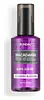 Key Ingredients
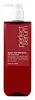
No key ingredients
Benefits
Concerns
Ingredients Side-by-side
Cyclopentasiloxane
Emollient
Dimethicone
Emollient
Cyclohexasiloxane
Emollient
Isododecane
EmollientIsopropyl Myristate
Emollient





Macadamia Ternifolia Seed Oil
Emollient

Amodimethicone
Squalane
Emollient

Vegetable Oil
Skin Conditioning
Isopropyl Palmitate
Emollient
Tocopheryl Acetate
Antioxidant


Argania Spinosa Kernel Oil
Emollient


Carthamus Tinctorius Seed Oil
Masking
Helianthus Annuus Seed Oil
Emollient
Persea Gratissima Oil
Skin Conditioning
Vitis Vinifera Seed Oil
Emollient
Camellia Japonica Seed Oil
Emollient
Oryza Sativa Bran Oil
Emollient
Prunus Amygdalus Dulcis Oil
Skin Conditioning
Prunus Armeniaca Kernel Oil
Masking
Simmondsia Chinensis Seed Oil
Emollient
Ricinus Communis Seed Oil
Masking
Limnanthes Alba Seed Oil
Skin Conditioning
Sesamum Indicum Seed Oil
Emollient
Plukenetia Volubilis Seed Oil
Emollient
Tocopherol
Antioxidant
Parfum
Masking
Cyclopentasiloxane, Dimethicone, Cyclohexasiloxane, Isododecane, Isopropyl Myristate, Macadamia Ternifolia Seed Oil, Amodimethicone, Squalane, Vegetable Oil, Isopropyl Palmitate, Tocopheryl Acetate, Argania Spinosa Kernel Oil, Carthamus Tinctorius Seed Oil, Helianthus Annuus Seed Oil, Persea Gratissima Oil, Vitis Vinifera Seed Oil, Camellia Japonica Seed Oil, Oryza Sativa Bran Oil, Prunus Amygdalus Dulcis Oil, Prunus Armeniaca Kernel Oil, Simmondsia Chinensis Seed Oil, Ricinus Communis Seed Oil, Limnanthes Alba Seed Oil, Sesamum Indicum Seed Oil, Plukenetia Volubilis Seed Oil, Tocopherol, Parfum
Water
Skin ConditioningSodium Laureth Sulfate
Cleansing

Glycerin
Humectant
Disodium Laureth Sulfosuccinate
CleansingCocamidopropyl Betaine
Cleansing
Laureth-6 Carboxylic Acid
CleansingCaprylyl/Capryl Glucoside
CleansingParfum
Masking
Polyquaternium-10
Sodium Chloride
MaskingDimethiconol
Emollient
Sodium Lauroyl Sarcosinate
CleansingTea-Dodecylbenzenesulfonate
CleansingSodium Benzoate
Masking
Caprylyl Glycol
Emollient
Phenoxyethanol
Preservative
Citric Acid
Buffering
Sodium Salicylate
Preservative
Sodium Citrate
BufferingHexadecane
Perfuming
Polyquaternium-7
Tetrasodium EDTA
ChelatingPEG-150 Pentaerythrityl Tetrastearate
Emulsifying
Benzyl Salicylate
Perfuming
PPG-2 Hydroxyethyl Cocamide
Emulsifying
Disodium EDTA
ChelatingLimonene
Perfuming
Argania Spinosa Kernel Oil
Emollient
Simmondsia Chinensis Seed Oil
Emollient
Cocos Nucifera Oil
Masking
Prunus Armeniaca Kernel Oil
Masking
Olea Europaea Fruit Oil
Masking
Camellia Seed Oil
Sclerocarya Birrea Seed Oil
Humectant
Coco-Caprylate/Caprate
Emollient
Alcohol Denat.
Antimicrobial
Glycolipids
Skin ConditioningWater, Sodium Laureth Sulfate, Glycerin, Disodium Laureth Sulfosuccinate, Cocamidopropyl Betaine, Laureth-6 Carboxylic Acid, Caprylyl/Capryl Glucoside, Parfum, Polyquaternium-10, Sodium Chloride, Dimethiconol, Sodium Lauroyl Sarcosinate, Tea-Dodecylbenzenesulfonate, Sodium Benzoate, Caprylyl Glycol, Phenoxyethanol, Citric Acid, Sodium Salicylate, Sodium Citrate, Hexadecane, Polyquaternium-7, Tetrasodium EDTA, PEG-150 Pentaerythrityl Tetrastearate, Benzyl Salicylate, PPG-2 Hydroxyethyl Cocamide, Disodium EDTA, Limonene, Argania Spinosa Kernel Oil, Simmondsia Chinensis Seed Oil, Cocos Nucifera Oil, Prunus Armeniaca Kernel Oil, Olea Europaea Fruit Oil, Camellia Seed Oil, Sclerocarya Birrea Seed Oil, Coco-Caprylate/Caprate, Alcohol Denat., Glycolipids
Reviews
Ingredients Explained
These ingredients are found in both products.
Ingredients higher up in an ingredient list are typically present in a larger amount.
You may know this ingredient as argan oil. It has emollient and skin conditioning properties that help soften skin and reinforce the lipid barrier.
The fatty acid profile of argan oil is roughly 45-55% oleic acid, 28-36% linoleic acid, 10-15% palmitic acid, and 5-7% stearic acid. It also contains vitamin E, sterols, squalene, and polyphenols like ferulic acid.
Two clinical studies in postmenopausal women found that applying argan oil for 60 days significantly improved skin elasticity and moisturization (reduced transepidermal water loss and increased epidermal water content).
Since it is high in oleic and linoleic acid, this ingredient may not be fungal acne safe. Both of these fall in the C11-C24 range that Malassezia yeast can metabolize.
Learn more about Argania Spinosa Kernel OilParfum is a catch-all term for an ingredient or more that is used to give a scent to products.
Also called "fragrance", this ingredient can be a blend of hundreds of chemicals or plant oils. This means every product with "fragrance" or "parfum" in the ingredients list is a different mixture.
For instance, Habanolide is a proprietary trade name for a specific aroma chemical. When used as a fragrance ingredient in cosmetics, most aroma chemicals fall under the broad labeling category of “FRAGRANCE” or “PARFUM” according to EU and US regulations.
The term 'parfum' or 'fragrance' is not regulated in many countries. In many cases, it is up to the brand to define this term.
For instance, many brands choose to label themselves as "fragrance-free" because they are not using synthetic fragrances. However, their products may still contain ingredients such as essential oils that are considered a fragrance by INCI standards.
One example is Calendula flower extract. Calendula is an essential oil that still imparts a scent or 'fragrance'.
Depending on the blend, the ingredients in the mixture can cause allergies and sensitivities on the skin. Some ingredients that are known EU allergens include linalool and citronellol.
Parfum can also be used to mask or cover an unpleasant scent.
The bottom line is: not all fragrances/parfum/ingredients are created equally. If you are worried about fragrances, we recommend taking a closer look at an ingredient. And of course, we always recommend speaking with a professional.
Learn more about ParfumThis ingredient is the oil from the apricot.
Apricot Kernel Oil is an emollient and helps soften skin. This is due to its fatty acid components. Some of these fatty acids include linoleic and oleic acid.
This ingredient also has antioxidant properties from Vitamins A, C, and E. Antioxidants help fight free-radicals. Free-radicals are molecules that may damage your skin cells. Besides being antioxidants, these vitamins provide plenty of skin benefits as well.
Learn more about Prunus Armeniaca Kernel OilJojoba oil is one of the most well-studied plant-derived ingredients in cosmetics. It is an emollient with a special structure.
Because it is made up of 97-98% wax esters, it closely mirrors the linear monoesters found in human sebum. This makes it skin compatible, non-greasy, and lightweight.
Unlike other plant oils, jojoba wax doesn't easily penetrate skin. It mostly works in the uppermost layers as an emollient. This just means it forms a light barrier on the skin to help retain moisture.
Formulations with jojoba esters up to 90% reduced transepidermal water loss (TEWL) and increased barrier recovery by 81% (outperforming bisabolol at 47%).
Besides barrier support, the science also suggests jojoba to have anti-inflammatory effects and potential applications for skin infections, aging, and wound healing.
Fun fact: Indigenous cultures have used jojoba as a moisturizer and to help treat burns for centuries.
Fungal acne: The Malassezia yeast is known to metabolize fatty acids in the C11-24 range and jojoba's dominant fatty acid components fall into this range. This ingredient may not be fungal acne safe.
Learn more about Simmondsia Chinensis Seed Oil

