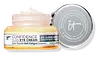
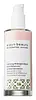
IT Cosmetics Confidence In An Eye Cream Versus alpyn beauty Calming Sleeping Mask with Melatonin & Wild Dandelion
This anti-aging eye moisturizer is formulated around Niacinamide and Ceramide NP to soften the look of wrinkles and hydrate skin.
This calming overnight mask is formulated around Bakuchiol to calm redness.

What's inside
What's inside
 Key Ingredients
Benefits
Concerns
Ingredients Side-by-side
Water
Skin ConditioningTheobroma Cacao Seed Butter
Emollient




Glycerin
Humectant


Dimethicone
Emollient
Isohexadecane
EmollientPropanediol
Solvent
Glyceryl Stearate
Emollient
PEG-20 Stearate
Emulsifying
Niacinamide
Smoothing









PEG/PPG/Polybutylene Glycol-8/5/3 Glycerin
HumectantHydroxyproline
Skin ConditioningHydrolyzed Soy Protein
Humectant
Stearic Acid
Cleansing
PEG-100 Stearate
Surfactant
Palmitic Acid
Emollient
Glycine
Buffering
Octyldodecanol
Emollient
Polyacrylamide
Silica Silylate
Emollient
Butylene Glycol
Humectant
Phenoxyethanol
Preservative
Caffeine
Skin Conditioning
C13-14 Isoparaffin
Emollient
Pentylene Glycol
Skin Conditioning
CI 77891
Cosmetic ColorantTocopherol
Antioxidant

Hydrolyzed Rice Protein
Skin ConditioningCaprylyl Glycol
Emollient
Carbomer
Emulsion StabilisingMica
Cosmetic ColorantLaureth-7
EmulsifyingPanax Ginseng Root Extract
Emollient
Sodium Hyaluronate
Humectant
Proline
Skin Conditioning
Alanine
Masking
Capryloyl Salicylic Acid
Exfoliating
Trisodium Ethylenediamine Disuccinate
ChelatingMyristic Acid
Cleansing
Pentaerythrityl Tetra-Di-T-Butyl Hydroxyhydrocinnamate
Antioxidant
Ceramide NP
Skin Conditioning
Adenosine
Skin Conditioning
Sodium Lactate
Buffering
Hydroxypalmitoyl Sphinganine
Skin Conditioning
Polysorbate 20
Emulsifying
Sodium Hydroxide
BufferingCI 77491
Cosmetic ColorantTin Oxide
Abrasive
Palmitoyl Tripeptide-1
Skin Conditioning
Palmitoyl Tetrapeptide-7
Skin Conditioning
Water, Theobroma Cacao Seed Butter, Glycerin, Dimethicone, Isohexadecane, Propanediol, Glyceryl Stearate, PEG-20 Stearate, Niacinamide, PEG/PPG/Polybutylene Glycol-8/5/3 Glycerin, Hydroxyproline, Hydrolyzed Soy Protein, Stearic Acid, PEG-100 Stearate, Palmitic Acid, Glycine, Octyldodecanol, Polyacrylamide, Silica Silylate, Butylene Glycol, Phenoxyethanol, Caffeine, C13-14 Isoparaffin, Pentylene Glycol, CI 77891, Tocopherol, Hydrolyzed Rice Protein, Caprylyl Glycol, Carbomer, Mica, Laureth-7, Panax Ginseng Root Extract, Sodium Hyaluronate, Proline, Alanine, Capryloyl Salicylic Acid, Trisodium Ethylenediamine Disuccinate, Myristic Acid, Pentaerythrityl Tetra-Di-T-Butyl Hydroxyhydrocinnamate, Ceramide NP, Adenosine, Sodium Lactate, Hydroxypalmitoyl Sphinganine, Polysorbate 20, Sodium Hydroxide, CI 77491, Tin Oxide, Palmitoyl Tripeptide-1, Palmitoyl Tetrapeptide-7
Water
Skin ConditioningGlycerin
Humectant
Cetearyl Alcohol
Emollient
Brassicyl Isoleucinate Esylate
Emulsion StabilisingPrunus Amygdalus Dulcis Oil
Skin Conditioning
Helianthus Annuus Seed Oil
Emollient
Aloe Barbadensis Leaf Juice
Skin Conditioning
Brassica Alcohol
Emollient
Glyceryl Stearate
Emollient
Bakuchiol
Antimicrobial
Melatonin
Antioxidant
Taraxacum Officinale Extract
Skin ConditioningVaccinium Uliginosum Berry Extract
Skin ConditioningPrunus Davidiana Extract
Antioxidant
Chamomilla Recutita Flower Extract
Masking
Arnica Montana Extract
Skin ConditioningBorago Officinalis Extract
Emollient
Salvia Officinalis Leaf Extract
CleansingCalendula Officinalis Flower Extract
Masking
Arctostaphylos Uva-Ursi Leaf Extract
Skin Conditioning
Salix Alba Bark Extract
Astringent
Lactic Acid
Buffering

Colloidal Oatmeal
Absorbent
Squalane
Emollient
Caprylhydroxamic Acid
ChelatingCitrus Aurantium Bergamia Fruit Oil
Masking
Arginine
Masking
Caprylyl Glycol
Emollient
Oleyl Lactate
EmollientLavandula Angustifolia Oil
Masking
Sodium Hyaluronate
Humectant
Butyrospermum Parkii Butter
Skin Conditioning
Mangifera Indica Seed Butter
Skin Conditioning
Simmondsia Chinensis Seed Oil
Emollient
Centella Asiatica Extract
Cleansing
Hydrolyzed Gardenia Florida Extract
Antioxidant
Maltodextrin
Absorbent
Valeriana Officinalis Root Extract
Skin ConditioningPropanediol
Solvent
Chlorella Vulgaris Extract
Skin ConditioningTasmannia Lanceolata Fruit/Leaf Extract
Antioxidant
Water, Glycerin, Cetearyl Alcohol, Brassicyl Isoleucinate Esylate, Prunus Amygdalus Dulcis Oil, Helianthus Annuus Seed Oil, Aloe Barbadensis Leaf Juice, Brassica Alcohol, Glyceryl Stearate, Bakuchiol, Melatonin, Taraxacum Officinale Extract, Vaccinium Uliginosum Berry Extract, Prunus Davidiana Extract, Chamomilla Recutita Flower Extract, Arnica Montana Extract, Borago Officinalis Extract, Salvia Officinalis Leaf Extract, Calendula Officinalis Flower Extract, Arctostaphylos Uva-Ursi Leaf Extract, Salix Alba Bark Extract, Lactic Acid, Colloidal Oatmeal, Squalane, Caprylhydroxamic Acid, Citrus Aurantium Bergamia Fruit Oil, Arginine, Caprylyl Glycol, Oleyl Lactate, Lavandula Angustifolia Oil, Sodium Hyaluronate, Butyrospermum Parkii Butter, Mangifera Indica Seed Butter, Simmondsia Chinensis Seed Oil, Centella Asiatica Extract, Hydrolyzed Gardenia Florida Extract, Maltodextrin, Valeriana Officinalis Root Extract, Propanediol, Chlorella Vulgaris Extract, Tasmannia Lanceolata Fruit/Leaf Extract
Reviews
Alternatives
Ingredients Explained
These ingredients are found in both products.
Ingredients higher up in an ingredient list are typically present in a larger amount.
Caprylyl Glycol is a humectant, skin conditioner, emollient, and preservative booster derived from either caprylic acid or synthetically created.
Typical use levels vary from 0.3-1% as a preservative booster and go up to 2% to condition skin.
Because it is not a free-fatty acid, this ingredient is fungal acne safe (there's nothing for Malassezia to feed on).
Learn more about Caprylyl GlycolGlycerin (or glycerol) is a compound naturally found in your skin. It's a powerhouse humectant that pulls water into the stratum corneum.
Topically, glycerin does several things at once:
Your skin makes glycerin on its own (mostly from sebaceous oil breakdown) and shuttles it to your outermost layer of skin, or your epidermis, via aquaporin-3.
Aquaporin-3 is a transporter that is essential for normal skin hydration, elasticity, and repair. Interestingly, mice lacking in AQP3 have dry and less elastic skin that can be fully corrected with glycerin.
This ingredient is non-irritating, plays well with almost every ingredient, and works across all skin types. Typical use is anywhere between 3-10% but can go up to 79% in some leave-on products.
Just know very high concentrations (>40%) can feel tacky in low humidity.
Glycerin is the name for this ingredient in American English. British English uses Glycerol/Glycerine.
Learn more about GlycerinGlyceryl Stearate is made by reacting glycerin with stearic acid (typically sourced from plant oils like palm or coconut). It's an emulsifier, emollient, and mild occlusive.
Emulsifiers help ingredients like oil and water stay mixed so your formula stays nicely blended and uniform in texture.
This ingredient is typically used in concentrations between 1-10%. Studies have found it to be non-sensitizing, non-phototoxic, and non-photoallergenic.
A close cousin of this ingredient is Glyceryl Stearate SE ("self-emulsifying"). This just has a small amount of sodium or potassium stearate added so it can emulsify without a co-emulsifier.
Since this ingredient is an ester of a C18 fatty acid, it may not be fungal acne safe. The Malassezia yeast can potentially metabolize within the C11-C24 range.
Fun fact: The human body also creates Glyceryl Stearate naturally.
Learn more about Glyceryl StearatePropanediol is an all-star ingredient. It softens, hydrates, and smooths the skin.
It’s often used to:
Propanediol is not likely to cause sensitivity and considered safe to use. It is derived from corn or petroleum with a clear color and no scent.
Learn more about PropanediolSodium Hyaluronate is the salt form of hyaluronic acid. It is a long sugar chain that is naturally found in your skin, joints, and connective tissue that maintains hydration and elasticity.
In skincare, it works as a humectant. It pulls water from the environment and deeper layers of skin and binds it to the surface.
Interestingly, the size of the molecule affects its behavior:
Some clinical evidence links low molecular weight versions to improved wrinkle depth, elasticity, anti-inflammatory effects, and barrier repair.
Many serums use a blend of both weights so you can get surface hydration plus longer-lasting and deeper effects.
You'll typically see concentrations between 0.1-2% for this ingredient.
Learn more about Sodium HyaluronateWater. It's the most common cosmetic ingredient of all. You'll usually see it at the top of ingredient lists, meaning that it makes up the largest part of the product.
So why is it so popular? Water most often acts as a solvent - this means that it helps dissolve other ingredients into the formulation.
You'll also recognize water as that liquid we all need to stay alive. If you see this, drink a glass of water. Remember to stay hydrated!
Learn more about Water

