
What's inside
What's inside
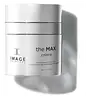 Key Ingredients
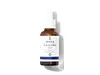
Benefits
Concerns
Ingredients Side-by-side
Water
Skin ConditioningGlycerin
Humectant


Caprylic/Capric Triglyceride
Masking
Dimethicone
Emollient
Sucrose Palmitate
EmollientCetyl Alcohol
Emollient

Tocopheryl Acetate
Antioxidant


Glyceryl Linoleate
Emollient
Cetearyl Alcohol
Emollient

Glyceryl Stearate
Emollient
PEG-100 Stearate
Surfactant
Phenoxyethanol
Preservative
Stearic Acid
Cleansing
Citrus Grandis Peel Oil
Masking



Limonene
Perfuming



Butylene Glycol
Humectant
Glyceryl Polymethacrylate
Pullulan
Sclerotium Gum
Emulsion StabilisingCaprylyl Glycol
Emollient
Ceteth-10 Phosphate
CleansingDicetyl Phosphate
EmulsifyingMalus Domestica Fruit Cell Culture Extract
Skin ConditioningTetrahexyldecyl Ascorbate
Antioxidant



Isomalt
HumectantEthylhexylglycerin
Skin ConditioningHexylene Glycol
EmulsifyingHydrolyzed Rice Protein
Skin ConditioningPropylene Glycol
Humectant
Centella Asiatica Extract
Cleansing

Glycine Soja Sterols
Emollient
Linoleic Acid
Cleansing
Nannochloropsis Oculata Extract
HumectantPhospholipids
Skin Conditioning
PPG-12/Smdi Copolymer
EmollientImperata Cylindrica Root Extract
Skin ConditioningMacrocystis Pyrifera Extract
Skin Conditioning
Potassium Sorbate
Preservative
Echinacea Purpurea Extract
MoisturisingCitric Acid
Buffering
Xanthan Gum
EmulsifyingSodium Benzoate
Masking
Leontopodium Alpinum Meristem Cell Culture
Skin ConditioningPvp
Emulsion StabilisingSodium Lactate
Buffering
Carbomer
Emulsion StabilisingDipeptide Diaminobutyroyl Benzylamide Diacetate
Skin Conditioning
Glycine Soja Protein
EmulsifyingHydrolyzed Vegetable Protein
Skin ConditioningSuperoxide Dismutase
Antioxidant
Lecithin
Emollient
Polysorbate 20
Emulsifying
PEG-8
HumectantHydroxypropyl Cyclodextrin
MaskingPalmitoyl Tripeptide-38
Skin Conditioning
Phaseolus Radiatus Meristem Cell Culture Extract
Skin ConditioningPolyacrylamide
Leuconostoc/Radish Root Ferment Filtrate
Antimicrobial
C13-14 Isoparaffin
Emollient
Arabidopsis Thaliana Extract
Antioxidant
Argania Spinosa Callus Culture Extract
Skin ConditioningPlankton Extract
Skin ConditioningSodium Dextran Sulfate
Gel Forming
Spiraea Ulmaria Flower Extract
Skin ConditioningVitis Vinifera Seed Extract
Antimicrobial
Citral
Perfuming
Acetyl Hexapeptide-8
Humectant
Acetyl Octapeptide-3
Humectant
Laureth-7
EmulsifyingPalmitoyl Tripeptide-1
Skin Conditioning
Palmitoyl Tetrapeptide-7
Skin Conditioning
Biotin
AntiseborrhoeicWater, Glycerin, Caprylic/Capric Triglyceride, Dimethicone, Sucrose Palmitate, Cetyl Alcohol, Tocopheryl Acetate, Glyceryl Linoleate, Cetearyl Alcohol, Glyceryl Stearate, PEG-100 Stearate, Phenoxyethanol, Stearic Acid, Citrus Grandis Peel Oil, Limonene, Butylene Glycol, Glyceryl Polymethacrylate, Pullulan, Sclerotium Gum, Caprylyl Glycol, Ceteth-10 Phosphate, Dicetyl Phosphate, Malus Domestica Fruit Cell Culture Extract, Tetrahexyldecyl Ascorbate, Isomalt, Ethylhexylglycerin, Hexylene Glycol, Hydrolyzed Rice Protein, Propylene Glycol, Centella Asiatica Extract, Glycine Soja Sterols, Linoleic Acid, Nannochloropsis Oculata Extract, Phospholipids, PPG-12/Smdi Copolymer, Imperata Cylindrica Root Extract, Macrocystis Pyrifera Extract, Potassium Sorbate, Echinacea Purpurea Extract, Citric Acid, Xanthan Gum, Sodium Benzoate, Leontopodium Alpinum Meristem Cell Culture, Pvp, Sodium Lactate, Carbomer, Dipeptide Diaminobutyroyl Benzylamide Diacetate, Glycine Soja Protein, Hydrolyzed Vegetable Protein, Superoxide Dismutase, Lecithin, Polysorbate 20, PEG-8, Hydroxypropyl Cyclodextrin, Palmitoyl Tripeptide-38, Phaseolus Radiatus Meristem Cell Culture Extract, Polyacrylamide, Leuconostoc/Radish Root Ferment Filtrate, C13-14 Isoparaffin, Arabidopsis Thaliana Extract, Argania Spinosa Callus Culture Extract, Plankton Extract, Sodium Dextran Sulfate, Spiraea Ulmaria Flower Extract, Vitis Vinifera Seed Extract, Citral, Acetyl Hexapeptide-8, Acetyl Octapeptide-3, Laureth-7, Palmitoyl Tripeptide-1, Palmitoyl Tetrapeptide-7, Biotin
Water
Skin ConditioningGlycerin
Humectant
Pentylene Glycol
Skin Conditioning
Ascorbyl Glucoside
Antioxidant
Xylitylglucoside
Humectant
Silica
Abrasive

Anhydroxylitol
Humectant
Sodium Hydroxide
BufferingPhenoxyethanol
Preservative
Acrylates/C10-30 Alkyl Acrylate Crosspolymer
Emulsion StabilisingButylene Glycol
Humectant
Xylitol
Humectant
Caprylyl Glycol
Emollient
Allantoin
Skin Conditioning
Tamarindus Indica Seed Polysaccharide
Skin ConditioningAloe Barbadensis Leaf Juice
Skin Conditioning
Ethylhexylglycerin
Skin ConditioningHexylene Glycol
EmulsifyingPyridoxine Hcl
Skin ConditioningXanthan Gum
EmulsifyingDipotassium Glycyrrhizate
Humectant
Sodium Benzoate
Masking
Propanediol
Solvent
Sodium Phytate
Lavandula Angustifolia Oil
Masking
Boswellia Serrata Extract
Skin Conditioning
Mel Extract
MoisturisingOryza Sativa Bran Extract
Skin Conditioning
Linalool
Perfuming
Camellia Sinensis Leaf Extract
Antimicrobial
Pyruvic Acid
MaskingOligopeptide-10
Antimicrobial
Potassium Sorbate
Preservative
Water, Glycerin, Pentylene Glycol, Ascorbyl Glucoside, Xylitylglucoside, Silica, Anhydroxylitol, Sodium Hydroxide, Phenoxyethanol, Acrylates/C10-30 Alkyl Acrylate Crosspolymer, Butylene Glycol, Xylitol, Caprylyl Glycol, Allantoin, Tamarindus Indica Seed Polysaccharide, Aloe Barbadensis Leaf Juice, Ethylhexylglycerin, Hexylene Glycol, Pyridoxine Hcl, Xanthan Gum, Dipotassium Glycyrrhizate, Sodium Benzoate, Propanediol, Sodium Phytate, Lavandula Angustifolia Oil, Boswellia Serrata Extract, Mel Extract, Oryza Sativa Bran Extract, Linalool, Camellia Sinensis Leaf Extract, Pyruvic Acid, Oligopeptide-10, Potassium Sorbate
Ingredients Explained
These ingredients are found in both products.
Ingredients higher up in an ingredient list are typically present in a larger amount.
Butylene Glycol (or BG) is used within cosmetic products for a few different reasons:
Overall, Butylene Glycol is a safe and well-rounded ingredient that works well with other ingredients.
Though this ingredient works well with most skin types, some people with sensitive skin may experience a reaction such as allergic rashes, closed comedones, or itchiness.
Learn more about Butylene GlycolCaprylyl Glycol is a humectant, skin conditioner, emollient, and preservative booster derived from either caprylic acid or synthetically created.
Typical use levels vary from 0.3-1% as a preservative booster and go up to 2% to condition skin.
Because it is not a free-fatty acid, this ingredient is fungal acne safe (there's nothing for Malassezia to feed on).
Learn more about Caprylyl GlycolEthylhexylglycerin is created from glycerin. It is a multitasker ingredient that:
The CIR Expert Panel found minimal skin absorption or sensitization of any kind in a safety assessment. Though this ingredient is considered well-tolerated, a small number of cases of allergic dermatitis have been published since 2002. Just be sure to patch test if you are unsure.
Industry-reported use ranges from 8% in rinse-off products and 2% in leave-on formulations.
Learn more about EthylhexylglycerinGlycerin (or glycerol) is a compound naturally found in your skin. It's a powerhouse humectant that pulls water into the stratum corneum.
Topically, glycerin does several things at once:
Your skin makes glycerin on its own (mostly from sebaceous oil breakdown) and shuttles it to your outermost layer of skin, or your epidermis, via aquaporin-3.
Aquaporin-3 is a transporter that is essential for normal skin hydration, elasticity, and repair. Interestingly, mice lacking in AQP3 have dry and less elastic skin that can be fully corrected with glycerin.
This ingredient is non-irritating, plays well with almost every ingredient, and works across all skin types. Typical use is anywhere between 3-10% but can go up to 79% in some leave-on products.
Just know very high concentrations (>40%) can feel tacky in low humidity.
Glycerin is the name for this ingredient in American English. British English uses Glycerol/Glycerine.
Learn more about GlycerinHexylene Glycol is a multitasker ingredient that works as a solvent, humectant, emulsifier, viscosity reducer, and preservative booster.
It is able to dissolve both water and oil-soluble ingredients to stabilize tricky actives and make products spread more easily.
As a humectant, it pulls water into the skin. But it's a pretty minor moisturizing ingredient compared to other humectants, like glycerin.
Interestingly, it can act as a mild penetration enhancer. One in vitro study on human skin found a 12% concentration upped the absorption of mometasone furoate (a medicinal ingredient used to treat inflammatory skin conditions) up to 7%.
This ingredient is typically used at levels of 0.1-10% depending on the role it's playing.
A patch test study on eczema patients didn't find a significant increase in irritation versus the control group, but the potential for irritation rises at higher concentrations.
Learn more about Hexylene GlycolPhenoxyethanol is a preservative that has germicide, antimicrobial, and aromatic properties. Studies show that phenoxyethanol can prevent microbial growth. By itself, it has a scent that is similar to that of a rose.
It's often used in formulations along with Caprylyl Glycol to preserve the shelf life of products.
Potassium Sorbate is a preservative used to prevent yeast and mold in products. It is commonly found in both cosmetic and food products.
This ingredient comes from potassium salt derived from sorbic acid. Sorbic acid is a natural antibiotic and effective against fungus.
Both potassium sorbate and sorbic acid can be found in baked goods, cheeses, dried meats, dried fruit, ice cream, pickles, wine, yogurt, and more.
You'll often find this ingredient used with other preservatives.
Learn more about Potassium SorbateSodium Benzoate is a preservative. It's used in both cosmetic and food products to inhibit the growth of mold and bacteria. It is typically produced synthetically.
Both the US FDA and EU Health Committee have approved the use of sodium benzoate. In the US, levels of 0.1% (of the total product) are allowed.
Sodium benzoate works as a preservative by inhibiting the growth of bacteria inside of cells. It prevents the cell from fermenting a type of sugar using an enzyme called phosphofructokinase.
It is the salt of benzoic acid. Foods containing sodium benzoate include soda, salad dressings, condiments, fruit juices, wines, and snack foods.
Studies for using ascorbic acid and sodium benzoate in cosmetics are lacking, especially in skincare routines with multiple steps.
We always recommend speaking with a professional, such as a dermatologist, if you have any concerns.
Learn more about Sodium BenzoateWater. It's the most common cosmetic ingredient of all. You'll usually see it at the top of ingredient lists, meaning that it makes up the largest part of the product.
So why is it so popular? Water most often acts as a solvent - this means that it helps dissolve other ingredients into the formulation.
You'll also recognize water as that liquid we all need to stay alive. If you see this, drink a glass of water. Remember to stay hydrated!
Learn more about WaterXanthan gum is used as a stabilizer and thickener within cosmetic products. It helps give products a sticky, thick feeling - preventing them from being too runny.
On the technical side of things, xanthan gum is a polysaccharide - a combination consisting of multiple sugar molecules bonded together.
Xanthan gum is a pretty common and great ingredient. It is a natural, non-toxic, non-irritating ingredient that is also commonly used in food products.
Learn more about Xanthan Gum
