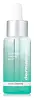
This acne serum is formulated around Niacinamide and Salicylic Acid to clear breakouts and brighten dull-looking skin.
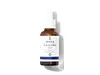
This serum is formulated around Ascorbyl Glucoside to brighten and support scar healing.

What's inside
What's inside
 Key Ingredients
Benefits
Concerns
Ingredients Side-by-side
Water
Skin ConditioningNiacinamide
Smoothing











Butylene Glycol
Humectant
PEG-40 Hydrogenated Castor Oil
Emulsifying


Salicylic Acid
Masking




Lentinus Edodes Mycelium Extract
Skin ConditioningGlyceryl Glucoside
Humectant
Salvia Sclarea Oil
Masking
Phytic Acid
Chelating
Terpineol
Masking

Thymol
AntimicrobialCitrus Aurantium Dulcis Peel Oil
Masking
Rosmarinus Officinalis Leaf Oil
Masking
Lavandula Hybrida Oil
Emollient
Pelargonium Graveolens Flower Oil
Masking
Lavandula Angustifolia Oil
Masking
Citrus Limon Peel
MaskingPolydextrose
HumectantGlycerin
Humectant
Dextrin
AbsorbentAmylopectin
Caprylyl Glycol
Emollient
Ethylhexylglycerin
Skin ConditioningXanthan Gum
EmulsifyingPentylene Glycol
Skin Conditioning
Sodium Hydroxide
BufferingIsoamyl Laurate
Emollient
Limonene
Perfuming
Linalool
Perfuming
Geraniol
Perfuming
Citronellol
Perfuming
Phenoxyethanol
Preservative
Water, Niacinamide, Butylene Glycol, PEG-40 Hydrogenated Castor Oil, Salicylic Acid, Lentinus Edodes Mycelium Extract, Glyceryl Glucoside, Salvia Sclarea Oil, Phytic Acid, Terpineol, Thymol, Citrus Aurantium Dulcis Peel Oil, Rosmarinus Officinalis Leaf Oil, Lavandula Hybrida Oil, Pelargonium Graveolens Flower Oil, Lavandula Angustifolia Oil, Citrus Limon Peel, Polydextrose, Glycerin, Dextrin, Amylopectin, Caprylyl Glycol, Ethylhexylglycerin, Xanthan Gum, Pentylene Glycol, Sodium Hydroxide, Isoamyl Laurate, Limonene, Linalool, Geraniol, Citronellol, Phenoxyethanol
Water
Skin ConditioningGlycerin
Humectant
Pentylene Glycol
Skin Conditioning
Ascorbyl Glucoside
Antioxidant

Xylitylglucoside
Humectant
Silica
Abrasive
Anhydroxylitol
Humectant
Sodium Hydroxide
BufferingPhenoxyethanol
Preservative
Acrylates/C10-30 Alkyl Acrylate Crosspolymer
Emulsion StabilisingButylene Glycol
Humectant
Xylitol
Humectant
Caprylyl Glycol
Emollient
Allantoin
Skin Conditioning
Tamarindus Indica Seed Polysaccharide
Skin ConditioningAloe Barbadensis Leaf Juice
Skin Conditioning
Ethylhexylglycerin
Skin ConditioningHexylene Glycol
EmulsifyingPyridoxine Hcl
Skin ConditioningXanthan Gum
EmulsifyingDipotassium Glycyrrhizate
Humectant
Sodium Benzoate
Masking
Propanediol
Solvent
Sodium Phytate
ChelatingLavandula Angustifolia Oil
Masking
Boswellia Serrata Extract
Skin Conditioning
Mel Extract
MoisturisingOryza Sativa Bran Extract
Skin Conditioning
Linalool
Perfuming
Camellia Sinensis Leaf Extract
Antimicrobial
Pyruvic Acid
MaskingOligopeptide-10
Antimicrobial
Potassium Sorbate
Preservative
Water, Glycerin, Pentylene Glycol, Ascorbyl Glucoside, Xylitylglucoside, Silica, Anhydroxylitol, Sodium Hydroxide, Phenoxyethanol, Acrylates/C10-30 Alkyl Acrylate Crosspolymer, Butylene Glycol, Xylitol, Caprylyl Glycol, Allantoin, Tamarindus Indica Seed Polysaccharide, Aloe Barbadensis Leaf Juice, Ethylhexylglycerin, Hexylene Glycol, Pyridoxine Hcl, Xanthan Gum, Dipotassium Glycyrrhizate, Sodium Benzoate, Propanediol, Sodium Phytate, Lavandula Angustifolia Oil, Boswellia Serrata Extract, Mel Extract, Oryza Sativa Bran Extract, Linalool, Camellia Sinensis Leaf Extract, Pyruvic Acid, Oligopeptide-10, Potassium Sorbate
Reviews
Ingredients Explained
These ingredients are found in both products.
Ingredients higher up in an ingredient list are typically present in a larger amount.
Butylene Glycol (or BG) is used within cosmetic products for a few different reasons:
Overall, Butylene Glycol is a safe and well-rounded ingredient that works well with other ingredients.
Though this ingredient works well with most skin types, some people with sensitive skin may experience a reaction such as allergic rashes, closed comedones, or itchiness.
Learn more about Butylene GlycolCaprylyl Glycol is a humectant, skin conditioner, emollient, and preservative booster derived from either caprylic acid or synthetically created.
Typical use levels vary from 0.3-1% as a preservative booster and go up to 2% to condition skin.
Because it is not a free-fatty acid, this ingredient is fungal acne safe (there's nothing for Malassezia to feed on).
Learn more about Caprylyl GlycolEthylhexylglycerin is created from glycerin. It is a multitasker ingredient that:
The CIR Expert Panel found minimal skin absorption or sensitization of any kind in a safety assessment. Though this ingredient is considered well-tolerated, a small number of cases of allergic dermatitis have been published since 2002. Just be sure to patch test if you are unsure.
Industry-reported use ranges from 8% in rinse-off products and 2% in leave-on formulations.
Learn more about EthylhexylglycerinGlycerin (or glycerol) is a compound naturally found in your skin. It's a powerhouse humectant that pulls water into the stratum corneum.
Topically, glycerin does several things at once:
Your skin makes glycerin on its own (mostly from sebaceous oil breakdown) and shuttles it to your outermost layer of skin, or your epidermis, via aquaporin-3.
Aquaporin-3 is a transporter that is essential for normal skin hydration, elasticity, and repair. Interestingly, mice lacking in AQP3 have dry and less elastic skin that can be fully corrected with glycerin.
This ingredient is non-irritating, plays well with almost every ingredient, and works across all skin types. Typical use is anywhere between 3-10% but can go up to 79% in some leave-on products.
Just know very high concentrations (>40%) can feel tacky in low humidity.
Glycerin is the name for this ingredient in American English. British English uses Glycerol/Glycerine.
Learn more about GlycerinLavandula Angustifolia Oil is more commonly known as lavender essential oil. It is considered a fragrancing ingredient.
Lavender imparts a famous scent. While the smell is lovely, this ingredient and may sensitize skin in topical products. This is because about 85% of the oil is made up of linalool and linalyl acetate.
When exposed to air, these two compounds become strong allergens. This ingredient exhibits cytotoxicity at low concentrations; amounts of 0.25% have been shown to damage skin cells.
A study from Japan found this ingredient caused lavender sensitivity after widespread exposure.
Lavender essential oil has some antimicrobial, antibacterial, and anti-inflammatory properties. However, the cons of this ingredient may outweight the pros.
More research is needed to confirm lavender essential oil's effects when used in aromatherapy.
Lavandula Angustifolia is known as the English Lavender and famous for creating purple fields in Provence, France.
Learn more about Lavandula Angustifolia OilLinalool is a small, naturally occurring scent molecule found in plants like lavender, coriander, bergamot, and more.
It is one of the two most-used fragrance ingredients in cosmetics and added purely for smell. Since it's not used for a skin benefit, there's no "effective dose". Concentration depends on the fragrance load of the product.
The EU requires it to be named on the label above 0.001% in leave-on and 0.01% in rinse-off products.
Fresh linalool is a weak sensitizer but air exposure turns some of it into hydroperoxides, which are strong sensitizers. Those oxidation products are the actual allergy concern.
Patch-test clinics see positive reactions to linalool hydroperoxides in about 4% to 12% of dermatitis patients depending on country and test concentration.
Resassuringly, one analytical study found hydroperoxide levels in real fragranced products to be orders of magnitude below what induced sensitization in animal studies with no evidence of oxidation building up during normal storage.
The practical takeaway is that linalool is fine for most people but worth avoiding if you have a confirmed fragrance contact allergy or a badly compromised barrier.
Products stored a long time after opening are also the high-risk scenario since that is when oxidation happens.
The scent of linalool is described as floral, spicy tropical, and citrus-like.
Learn more about LinaloolPentylene Glycol (1,2-pentanediol) is a multitasking little diol with three main roles in a formula:
Research on alkanediols (the family pentylene glycol belongs to) show they work by disrupting microbial cell membranes. This disruption helps the primary preservative system in a product work more effectively at lower doses.
On the safety side, the Cosmetic Ingredient Review Expert Panel has concluded this ingredient to be safe as used in current cosmetic practices + concentrations.
Typical use levels in a formula run about 1-5%.
Learn more about Pentylene GlycolPhenoxyethanol is one of the most widely used preservatives in skincare (and for good reason!).
It has a large spectrum of antimicrobial activity and especially effective bacteria, yeast, and mold while only having a weak effect on your skin's natural microbiome.
On a cellular level, it disrupts the cell membranes of microbes by poking holes that make the cell leak. This shuts down the chemical reactions the microbe needs to make energy so it can no longer survive.
Another perk of this ingredient is that it stays functional across a wide pH range (3-10).
You'll often see it paired with boosters like Ethylhexylglycerin; one study showed that a 1:9 ratio of Ethylhexylglycerin to Phenoxyethanol damages bacterial membranes as effectively as doubling the Phenoxyethanol concentration on its own.
Typical use concentrations range from 0.3-1% depending on the formula, and this ingredient is capped at 1% int the EU.
Safety-wise, the fear mongering does not hold up to the evidence. The EU's Scientific Committee on Consumer Safety and FDA consider it safe as a preservative at up to 1%, including for children of all ages.
Adverse systemic effects only showed up in animal studies at exposures roughly 200x higher than what people get from cosmetics. And despite its very widespread use, this ingredient is a rare sensitizer and allergic reactions are uncommon.
Learn more about PhenoxyethanolSodium Hydroxide is also known as lye or caustic soda. It is used to adjust the pH of products; many ingredients require a specific pH to be effective.
In small amounts, sodium hydroxide is considered safe to use. However, large amounts may cause chemical burns due to its high alkaline.
Your skin has a natural pH and acid mantle. This acid mantle helps prevent harmful bacteria from breaking through. The acid mantle also helps keep your skin hydrated.
"Alkaline" refers to a high pH level. A low pH level would be considered acidic.
Learn more about Sodium HydroxideWater. It's the most common cosmetic ingredient of all. You'll usually see it at the top of ingredient lists, meaning that it makes up the largest part of the product.
So why is it so popular? Water most often acts as a solvent - this means that it helps dissolve other ingredients into the formulation.
You'll also recognize water as that liquid we all need to stay alive. If you see this, drink a glass of water. Remember to stay hydrated!
Learn more about WaterXanthan gum is used as a stabilizer and thickener within cosmetic products. It helps give products a sticky, thick feeling - preventing them from being too runny.
On the technical side of things, xanthan gum is a polysaccharide - a combination consisting of multiple sugar molecules bonded together.
Xanthan gum is a pretty common and great ingredient. It is a natural, non-toxic, non-irritating ingredient that is also commonly used in food products.
Learn more about Xanthan Gum

