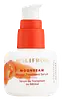
This anti-aging serum is formulated around Aloe Barbadensis Leaf Juice and Retinal to soften the look of wrinkles and refine skin texture.
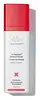
This anti-aging treatment is formulated around Retinol and Niacinamide to soften the look of wrinkles and refine skin texture.

What's inside
What's inside
 Key Ingredients
Benefits
Concerns
Ingredients Side-by-side
Aloe Barbadensis Leaf Juice
Skin Conditioning


Squalane
Emollient

Simmondsia Chinensis Seed Oil
Emollient



Sclerocarya Birrea Seed Oil
Humectant

Glycerin
Humectant
Prunus Armeniaca Kernel Oil
Masking
Water
Skin ConditioningAvena Sativa Bran Extract
Abrasive
Cyclodextrin
AbsorbentAcacia Senegal Gum
MaskingCaprylic/Capric Triglyceride
Masking
Cetearyl Alcohol
Emollient

Rubus Chamaemorus Seed Oil
Skin Conditioning
Phospholipids
Skin Conditioning
Retinal
Skin Conditioning







Vitex Agnus-Castus Fruit Extract
Skin ConditioningRetinol
Skin Conditioning
Lonicera Japonica Flower Extract
Skin ConditioningLonicera Caprifolium Flower Extract
Perfuming
Crocus Chrysanthus Bulb Extract
Skin ConditioningTocopherol
Antioxidant

Lecithin
Emollient
Ethylhexylglycerin
Skin ConditioningCitrus Aurantium Dulcis Peel Extract
Emulsion Stabilising
Cetearyl Olivate
Sorbitan Olivate
Emulsifying
Xanthan Gum
EmulsifyingPentylene Glycol
Skin Conditioning
Maltodextrin
Absorbent
Phenethyl Alcohol
MaskingSodium Benzoate
Masking
Aloe Barbadensis Leaf Juice, Squalane, Simmondsia Chinensis Seed Oil, Sclerocarya Birrea Seed Oil, Glycerin, Prunus Armeniaca Kernel Oil, Water, Avena Sativa Bran Extract, Cyclodextrin, Acacia Senegal Gum, Caprylic/Capric Triglyceride, Cetearyl Alcohol, Rubus Chamaemorus Seed Oil, Phospholipids, Retinal, Vitex Agnus-Castus Fruit Extract, Retinol, Lonicera Japonica Flower Extract, Lonicera Caprifolium Flower Extract, Crocus Chrysanthus Bulb Extract, Tocopherol, Lecithin, Ethylhexylglycerin, Citrus Aurantium Dulcis Peel Extract, Cetearyl Olivate, Sorbitan Olivate, Xanthan Gum, Pentylene Glycol, Maltodextrin, Phenethyl Alcohol, Sodium Benzoate
Water
Skin ConditioningGlycerin
Humectant
Coco-Caprylate
Emollient
Stearic Acid
Cleansing
Coconut Alkanes
Emollient
Glyceryl Stearate
Emollient
Niacinamide
Smoothing
Caprylic/Capric Triglyceride
Masking
Cetearyl Alcohol
Emollient
Pentylene Glycol
Skin Conditioning
Passiflora Edulis Seed Oil
Emollient
Retinol
Skin Conditioning
Simmondsia Chinensis Seed Oil
Emollient
Sclerocarya Birrea Seed Oil
Humectant
Prunus Armeniaca Kernel Oil
Masking
Cetyl Ethylhexanoate
EmollientPalmitoyl Tripeptide-1
Skin Conditioning
Palmitoyl Tetrapeptide-7
Skin Conditioning
Brassica Oleracea Acephala Leaf Extract
HumectantBrassica Oleracea Italica Extract
AstringentTetrahexyldecyl Ascorbate
Antioxidant
Chrysin
Skin ConditioningPersea Gratissima Oil
Skin Conditioning
Linoleic Acid
Cleansing
Linolenic Acid
Cleansing
Ceramide NP
Skin Conditioning
Xanthophylls
Skin ConditioningPhytosphingosine
Skin Conditioning
Phytosterols
Skin Conditioning
Jojoba Esters
Emollient
Physalis Pubescens Fruit Juice
Skin ConditioningStearyl Glycyrrhetinate
Skin ConditioningOryza Sativa Extract
Absorbent
Glycine Soja Oil
Emollient
Carthamus Tinctorius Seed Oil
Masking
Palmitoyl Hexapeptide-12
Skin Conditioning
Cetyl Palmitate
Emollient
Trehalose
Humectant
Lauric Acid
Cleansing
Sodium Hyaluronate Crosspolymer
Humectant
Olea Europaea Fruit Oil
Masking
Glucosamine Hcl
Tocopheryl Acetate
Antioxidant
Coco-Caprylate/Caprate
Emollient
Pisum Sativum Extract
Skin ConditioningTocopherol
Antioxidant
Bambusa Vulgaris Leaf/Stem Extract
HumectantPhenoxyethanol
Preservative
Caprylyl Glycol
Emollient
Carbomer
Emulsion StabilisingTrideceth-6 Phosphate
EmulsifyingN-Hydroxysuccinimide
Skin ConditioningCeteareth-20
Cleansing
Sodium Hydroxide
BufferingLaureth-23
Cleansing
Steareth-20
CleansingPropanediol
Solvent
Chlorhexidine Digluconate
Antimicrobial
Polysorbate 20
Emulsifying
Trisodium Ethylenediamine Disuccinate
Chlorphenesin
Antimicrobial
Potassium Sorbate
Preservative
Ethylhexylglycerin
Skin ConditioningWater, Glycerin, Coco-Caprylate, Stearic Acid, Coconut Alkanes, Glyceryl Stearate, Niacinamide, Caprylic/Capric Triglyceride, Cetearyl Alcohol, Pentylene Glycol, Passiflora Edulis Seed Oil, Retinol, Simmondsia Chinensis Seed Oil, Sclerocarya Birrea Seed Oil, Prunus Armeniaca Kernel Oil, Cetyl Ethylhexanoate, Palmitoyl Tripeptide-1, Palmitoyl Tetrapeptide-7, Brassica Oleracea Acephala Leaf Extract, Brassica Oleracea Italica Extract, Tetrahexyldecyl Ascorbate, Chrysin, Persea Gratissima Oil, Linoleic Acid, Linolenic Acid, Ceramide NP, Xanthophylls, Phytosphingosine, Phytosterols, Jojoba Esters, Physalis Pubescens Fruit Juice, Stearyl Glycyrrhetinate, Oryza Sativa Extract, Glycine Soja Oil, Carthamus Tinctorius Seed Oil, Palmitoyl Hexapeptide-12, Cetyl Palmitate, Trehalose, Lauric Acid, Sodium Hyaluronate Crosspolymer, Olea Europaea Fruit Oil, Glucosamine Hcl, Tocopheryl Acetate, Coco-Caprylate/Caprate, Pisum Sativum Extract, Tocopherol, Bambusa Vulgaris Leaf/Stem Extract, Phenoxyethanol, Caprylyl Glycol, Carbomer, Trideceth-6 Phosphate, N-Hydroxysuccinimide, Ceteareth-20, Sodium Hydroxide, Laureth-23, Steareth-20, Propanediol, Chlorhexidine Digluconate, Polysorbate 20, Trisodium Ethylenediamine Disuccinate, Chlorphenesin, Potassium Sorbate, Ethylhexylglycerin
Reviews
Ingredients Explained
These ingredients are found in both products.
Ingredients higher up in an ingredient list are typically present in a larger amount.
Caprylic/Capric Triglyceride (aka MCT Oil) is a lightweight emollient, solvent, and texture enhancer. It is considered a skin-softener by helping to prevent moisture loss.
Though it behaves like an oil, it is not technically one due to its chemical composition. One perk of this ingredient is that it is very stable, resistant to oxidation, and unlikely to go rancid.
In practice, that translates to a long shelf life and a consistently elegant skin feel.
While there is an assumption Caprylic Triglyceride can clog pores due to it being derived from coconut oil, there is no research supporting this. Just patch test if you have concerns.
Fractionated coconut oil and MCT Oil are both listed as Caprylic/Capric Triglyceride according to INCI. This is because INCI names are based on the ingredient’s final chemical composition and not its marketing name or source.
This ingredient is treated as the gold standard fungal acne safe oil. Even though it is coconut derived, the problematic lauric acid is stripped out.
This leaves just caprylic (C8) and capric (C10) acid. These chain lengths actually trend antifungal; a 2020 study found caprylic acid was enough to disrupt Malassezia furfur cell membrane, with a caprylic acid derivative damaging membrane structures at concentrations as low as 0.2%.
Learn more about Caprylic/Capric TriglycerideCetearyl alcohol is a waxy mixture of two fatty alcohols: cetyl alcohol and stearyl alcohol. It is an emollient and emulsifier.
Despite having "alcohol" in its name, it has nothing to do with drying solvent alcohols; the FDA also allows "alcohol-free" products to contain fatty alcohols like this ingredient.
It plays several roles in a formula:
Typical use levels for this ingredient sit around 1-10% and the Cosmetic Ingredient Review Expert Panel has affirmed safety at concentrations up to 25% in leave-on products.
Multiple assessments have found it to be non-irritating and non-sensitizing to most people.
However, there have been some cases of allergic contact dermatitis in patients with chronically compromised skin barriers.
Cetearyl alcohol has a comedogenic rating of 2 and irritancy rating of 1. Both of these numbers come from the 1989 study that used rabbit ears; a "2" means mildly comedogenic and a "1" means low irritancy.
Here's the catch: rabbit skin is more sensitive than human skin and throws a lot of false positives. A 1996 reappraisal found that ingredients rated 1-2 in the rabbit ear tests are generally safe for humans.
Remember comedogenic ratings are unable to assess the entire formula of a product or how it will react on your skin. Just be sure to patch test if you are unsure about certain ingredients.
This ingredient is not fungal acne safe. Cetearyl alcohol is a fatty alcohol with chain lengths that fall within the range that Malassezia can metabolize.
A 2019 study has also observed Malassezia growth in the presence of this ingredient, confirming it to be not-fungal acne safe.
Learn more about Cetearyl AlcoholEthylhexylglycerin is created from glycerin. It is a multitasker ingredient that:
The CIR Expert Panel found minimal skin absorption or sensitization of any kind in a safety assessment. Though this ingredient is considered well-tolerated, a small number of cases of allergic dermatitis have been published since 2002. Just be sure to patch test if you are unsure.
Industry-reported use ranges from 8% in rinse-off products and 2% in leave-on formulations.
Learn more about EthylhexylglycerinGlycerin (or glycerol) is a compound naturally found in your skin. It's a powerhouse humectant that pulls water into the stratum corneum.
Topically, glycerin does several things at once:
Your skin makes glycerin on its own (mostly from sebaceous oil breakdown) and shuttles it to your outermost layer of skin, or your epidermis, via aquaporin-3.
Aquaporin-3 is a transporter that is essential for normal skin hydration, elasticity, and repair. Interestingly, mice lacking in AQP3 have dry and less elastic skin that can be fully corrected with glycerin.
This ingredient is non-irritating, plays well with almost every ingredient, and works across all skin types. Typical use is anywhere between 3-10% but can go up to 79% in some leave-on products.
Just know very high concentrations (>40%) can feel tacky in low humidity.
Glycerin is the name for this ingredient in American English. British English uses Glycerol/Glycerine.
Learn more about GlycerinPentylene Glycol (1,2-pentanediol) is a multitasking little diol with three main roles in a formula:
Research on alkanediols (the family pentylene glycol belongs to) show they work by disrupting microbial cell membranes. This disruption helps the primary preservative system in a product work more effectively at lower doses.
On the safety side, the Cosmetic Ingredient Review Expert Panel has concluded this ingredient to be safe as used in current cosmetic practices + concentrations.
Typical use levels in a formula run about 1-5%.
Learn more about Pentylene GlycolThis ingredient is the oil from the apricot.
Apricot Kernel Oil is an emollient and helps soften skin. This is due to its fatty acid components. Some of these fatty acids include linoleic and oleic acid.
This ingredient also has antioxidant properties from Vitamins A, C, and E. Antioxidants help fight free-radicals. Free-radicals are molecules that may damage your skin cells. Besides being antioxidants, these vitamins provide plenty of skin benefits as well.
Learn more about Prunus Armeniaca Kernel OilRetinol is one of the most studied anti-aging ingredients in skincare (and for good reason!).
It's a form of vitamin A that your skin converts into Retinoic Acid, the active molecule that actually does the work in your cells.
That conversion happens in two steps: your skin first turns Retinol into Retinaldehyde (also called Retinal), then turns Retinaldehyde into Retinoic Acid.
Retinol is converted to biologically active retinoic acid via retinaldehyde by dehydrogenases in a two-step oxidation process.
Each step is a little "upgrade" toward the active form which is part of why Retinol is gentler than prescription Retinoic Acid; your skin does the work gradually. This also explains where Retinol sits in the retinoid family.
Here is the retinoid family ranked roughly by strength: Retinyl Esters (like Retinyl Palmitate) < Retinol < Retinaldehyde < Retinoic Acid.
Retinoid activity increases in that order, while tolerance runs in reverse; retinyl esters are the gentlest and retinoic acid the most irritating.
The more conversion steps an ingredient needs, the gentler (and slower) it tends to be, so Retinol lands in a nice middle spot. It's more effective than the esters, gentler than prescription options.
Once it becomes Retinoic Acid, it binds to receptors inside your cells' nuclei (called RARs and RXRs). These receptor pairs bind to specific DNA motifs called retinoic acid response elements and act like switches that turn certain genes on or off.
In practice, this means a few things happen in a formula. It:
That last two are worth a closer look.
A study that tested Retinol directly (not just prescription Retinoic Acid) found that four weeks of retinol thickened the epidermis and switched on the genes for Collagen I and Collagen III, with more procollagen I and III showing up in the skin. And after twelve weeks, facial wrinkles were visibly reduced.
Retinoids more broadly stimulate the skin's synthesis of hyaluronan and other glycosaminoglycans, part of what gives skin a plumper, more hydrated look over time.
So even the gentler OTC form is doing real structural work (not just sitting on the surface).
It's also worth knowing Retinol isn't only a wrinkle ingredient; it can help with uneven tone, dark spots, rough texture, and the look of pores as well because it speeds up turnover and influences pigment.
The research backs this up as well.
A pooled analysis of six clinical studies found that 0.1% stabilized retinol improved all signs of photoaging versus vehicle as early as week 4 and through 12 weeks, with only a few mild cases of irritation.
Another study comparing concentrations found that 0.3% and 1% Retinol were similarly effective at remodeling photodamaged skin, but 0.3% caused fewer adverse reactions when used daily (a useful reminder that more isn't always better).
Retinol is about tenfold less potent than Retinoic Acid. This is why it works as a gentler, non-prescription option that builds results over time.
Typical concentrations range from 0.1-1%, with 0.1% to 0.3% being a well-supported sweet spot for visible benefits with good tolerability.
One quirk worth mentioning: Retinol is famously unstable.
It's highly sensitive to light and oxygen, and UV exposure breaks it down into a range of degradation products.
Real-world testing bears this out, with retinoid content in some products dropping anywhere from 0% to 80% after six months at room temperature, and even more at higher temperatures.
This is why good formulations lean on opaque, air-tight packaging (think tubes and pumps, not clear jars) and often "encapsulate" the Retinol to shield it.
Signs of oxidation include your product turning yellow or smelling "off". Keeping it somewhere cool and dark, and using it up within a few months of opening helps it stay effective.
The most common side effects are mild and temporary: usually some dryness, redness, or light peeling as your skin adjusts. These tend to settle with consistent and lower-frequency use.
Like all retinoids, Retinol works best with nightly use, a good moisturizer, and daytime sunscreen.
The "ramp up" method works well: start with Retinol once a week to give your skin time to adjust, which keeps irritation low. Slowly add more nights until you reach your goal frequency once your skin feels comfortable.
Retinoids also make your skin more sensitive to the sun in the first few weeks, so wear sunscreen every morning and protect your skin from direct sun while you build up tolerance.
One safety note: topical Retinoids aren't recommended during pregnancy or breastfeeding. Systemic absorption from creams is low but because high oral vitamin A is a known teratogen and topical safety data are limited, most clinicians recommend stopping retinoids when pregnant or trying to conceive.
Learn more about RetinolSclerocarya Birrea Seed Oil (aka marula oil) is a skin hydrating ingredient.
Its fatty acid profile is dominated by oleic acid (~69%), palmitic acid (~15%), linoleic acid (~9%), and palmitoleic acid (~4%).
These fatty acids are very similar to those naturally found in the epidermis, making this oil biomimetic; basically, your skin recognizes it.
Clinical testing found this ingredient to be moisturizing and non-irritating, with noteworthy effects on reducing transepidermal water loss (TEWL).
Besides fatty acids, marula oil is also rich in oxidative stabilizers like vitamin E, vitamin C precursors, and polyphenols. This gives it excellent shelf stability compared to most facial oils.
This is a great ingredient for dry, dull, or barrier-compromised skin.
Just know it may not be fungal acne safe due to the oleic and palmitic acid content. These fatty acids can as as a food source for the Malassezia yeast.
Learn more about Sclerocarya Birrea Seed OilJojoba oil is one of the most well-studied plant-derived ingredients in cosmetics. It is an emollient with a special structure.
Because it is made up of 97-98% wax esters, it closely mirrors the linear monoesters found in human sebum. This makes it skin compatible, non-greasy, and lightweight.
Unlike other plant oils, jojoba wax doesn't easily penetrate skin. It mostly works in the uppermost layers as an emollient. This just means it forms a light barrier on the skin to help retain moisture.
Formulations with jojoba esters up to 90% reduced transepidermal water loss (TEWL) and increased barrier recovery by 81% (outperforming bisabolol at 47%).
Besides barrier support, the science also suggests jojoba to have anti-inflammatory effects and potential applications for skin infections, aging, and wound healing.
Fun fact: Indigenous cultures have used jojoba as a moisturizer and to help treat burns for centuries.
Fungal acne: The Malassezia yeast is known to metabolize fatty acids in the C11-24 range and jojoba's dominant fatty acid components fall into this range. This ingredient may not be fungal acne safe.
Learn more about Simmondsia Chinensis Seed OilTocopherol is a fat-soluble antioxidant known as Vitamin E.
You'll find this ingredient in the vast majority of skincare (for good reason). It works to neutralize free radicals, or unstable molecules generated by UV exposure, pollution, and other environmental stressors, before they can cause oxidative damage to your skin cells.
Topically applied tocopherol has been shown to protect against UV damage by ramping up the skin's own natural defense enzymes.
It also acts as a skin conditioning agent; some studies show that regular topical use can improve the skin's water-binding capacity over 2-4 weeks.
This ingredient is especially loved for being a team player. When combined with Vitamin C, the photoprotective effect of both ingredients roughly doubles and the combo also helps reduce UV-induced DNA damage.
This ingredient has some brightening potential but it's more of a prevention ingredient than spot-fader. Cell studies show it can slow down melanin production but it's worth noting that it's not the most powerful brightener out there.
In formulations, it also serves as a stabilizer that helps protect other oxidation-prone ingredients from degrading.
Concentrations usually range from 0.1-1% in most leave-on products.
Learn more about TocopherolWater. It's the most common cosmetic ingredient of all. You'll usually see it at the top of ingredient lists, meaning that it makes up the largest part of the product.
So why is it so popular? Water most often acts as a solvent - this means that it helps dissolve other ingredients into the formulation.
You'll also recognize water as that liquid we all need to stay alive. If you see this, drink a glass of water. Remember to stay hydrated!
Learn more about Water

