
What's inside
What's inside
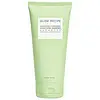 Key Ingredients
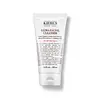
Benefits
Concerns
Ingredients Side-by-side
Water
Skin ConditioningGlycerin
Humectant



Sodium Cocoyl Alaninate
Sodium Methyl Cocoyl Taurate
Cleansing
Acrylates/C10-30 Alkyl Acrylate Crosspolymer
Emulsion StabilisingInulin
Skin ConditioningButylene Glycol
Humectant
Ceramide NP
Skin Conditioning


Colloidal Oatmeal
Absorbent

Caprylyl Glycol
Emollient
Lauryl Hydroxysultaine
CleansingCoco-Glucoside
CleansingSodium Hyaluronate
Humectant
Persea Gratissima Oil
Skin Conditioning
Persea Gratissima Fruit Extract
EmollientSaccharide Isomerate
Humectant
Micrococcus Lysate
Skin ConditioningGlyceryl Caprylate
EmollientPolyglyceryl-10 Laurate
Skin Conditioning
Styrene/Acrylates Copolymer
Sodium Cocoyl Isethionate
Cleansing1,2-Hexanediol
Skin Conditioning
Epidermidibacterium Keratini Ferment Filtrate
EmollientQuillaja Saponaria Bark Extract
CleansingSodium Phytate
Lecithin
Emollient
Dipotassium Glycyrrhizate
Humectant
Citric Acid
Buffering



Moringa Oleifera Seed Oil
Emollient
Sodium Citrate
BufferingButyl Avocadate
Skin Conditioning
Arginine
Masking
Phytosphingosine
Skin Conditioning
Hydrogenated Lecithin
Emulsifying
Hydroxypropyltrimonium Hyaluronate
Mannose
HumectantHydrolyzed Hyaluronic Acid
Humectant
Sodium Acetylated Hyaluronate
Humectant
Maltodextrin
Absorbent
Tocopherol
Antioxidant

Hyaluronic Acid
Humectant
Hydrolyzed Sodium Hyaluronate
Skin Conditioning
Sodium Hyaluronate Crosspolymer
Humectant
Potassium Hyaluronate
Skin ConditioningXanthan Gum
EmulsifyingAloe Ferox Leaf Extract
Skin ConditioningHexylene Glycol
EmulsifyingTriacetin
AntimicrobialGardenia Florida Fruit Extract
Skin ConditioningDextrin
AbsorbentParfum
Masking

Water, Glycerin, Sodium Cocoyl Alaninate, Sodium Methyl Cocoyl Taurate, Acrylates/C10-30 Alkyl Acrylate Crosspolymer, Inulin, Butylene Glycol, Ceramide NP, Colloidal Oatmeal, Caprylyl Glycol, Lauryl Hydroxysultaine, Coco-Glucoside, Sodium Hyaluronate, Persea Gratissima Oil, Persea Gratissima Fruit Extract, Saccharide Isomerate, Micrococcus Lysate, Glyceryl Caprylate, Polyglyceryl-10 Laurate, Styrene/Acrylates Copolymer, Sodium Cocoyl Isethionate, 1,2-Hexanediol, Epidermidibacterium Keratini Ferment Filtrate, Quillaja Saponaria Bark Extract, Sodium Phytate, Lecithin, Dipotassium Glycyrrhizate, Citric Acid, Moringa Oleifera Seed Oil, Sodium Citrate, Butyl Avocadate, Arginine, Phytosphingosine, Hydrogenated Lecithin, Hydroxypropyltrimonium Hyaluronate, Mannose, Hydrolyzed Hyaluronic Acid, Sodium Acetylated Hyaluronate, Maltodextrin, Tocopherol, Hyaluronic Acid, Hydrolyzed Sodium Hyaluronate, Sodium Hyaluronate Crosspolymer, Potassium Hyaluronate, Xanthan Gum, Aloe Ferox Leaf Extract, Hexylene Glycol, Triacetin, Gardenia Florida Fruit Extract, Dextrin, Parfum
Water
Skin ConditioningSodium Laureth Sulfate
Cleansing

Decyl Glucoside
CleansingGlycerin
Humectant
Cocamidopropyl Betaine
Cleansing
Disodium Cocoamphodiacetate
CleansingAcrylates Copolymer
Lauryl Glucoside
CleansingPEG-200 Hydrogenated Glyceryl Palmate
Cleansing
Triethanolamine
BufferingSodium Chloride
Masking
Pentylene Glycol
Skin ConditioningPhenoxyethanol
Preservative
PEG-7 Glyceryl Cocoate
Emulsifying
Sodium Hydroxide
BufferingCitric Acid
Buffering
Hexylene Glycol
EmulsifyingBehenyl Alcohol
Emollient
Distearyl Ether
Skin ConditioningSodium Benzoate
Masking
Laureth-2
CleansingSqualane
Emollient
Prunus Amygdalus Dulcis Oil
Skin Conditioning
Prunus Armeniaca Kernel Oil
Masking
Tocopherol
Antioxidant
Ascorbyl Glucoside
Antioxidant
Persea Gratissima Oil
Skin Conditioning
Water, Sodium Laureth Sulfate, Decyl Glucoside, Glycerin, Cocamidopropyl Betaine, Disodium Cocoamphodiacetate, Acrylates Copolymer, Lauryl Glucoside, PEG-200 Hydrogenated Glyceryl Palmate, Triethanolamine, Sodium Chloride, Pentylene Glycol, Phenoxyethanol, PEG-7 Glyceryl Cocoate, Sodium Hydroxide, Citric Acid, Hexylene Glycol, Behenyl Alcohol, Distearyl Ether, Sodium Benzoate, Laureth-2, Squalane, Prunus Amygdalus Dulcis Oil, Prunus Armeniaca Kernel Oil, Tocopherol, Ascorbyl Glucoside, Persea Gratissima Oil
Reviews
Ingredients Explained
These ingredients are found in both products.
Ingredients higher up in an ingredient list are typically present in a larger amount.
Citric Acid is an alpha hydroxy acid (AHA) naturally found in citrus fruits like oranges, lemons, and limes.
Like other AHAs, citric acid can exfoliate skin by breaking down the bonds that hold dead skin cells together. This helps reveal smoother and brighter skin underneath.
However, this exfoliating effect only happens at high concentrations (20%) which can be hard to find in cosmetic products.
Due to this, citric acid is usually included in small amounts as a pH adjuster. This helps keep products slightly more acidic and compatible with skin's natural pH.
In skincare formulas, citric acid can:
While it can provide some skin benefits, research shows lactic acid and glycolic acid are generally more effective and less irritating exfoliants.
Most citric acid used in skincare today is made by fermenting sugars (usually from molasses). This synthetic version is identical to the natural citrus form but easier to stabilize and use in formulations.
Read more about some other popular AHA's here:
Learn more about Citric AcidGlycerin is already naturally found in your skin. It helps moisturize and protect your skin.
A study from 2016 found glycerin to be more effective as a humectant than AHAs and hyaluronic acid.
As a humectant, it helps the skin stay hydrated by pulling moisture to your skin. The low molecular weight of glycerin allows it to pull moisture into the deeper layers of your skin.
Hydrated skin improves your skin barrier; Your skin barrier helps protect against irritants and bacteria.
Glycerin has also been found to have antimicrobial and antiviral properties. Due to these properties, glycerin is often used in wound and burn treatments.
In cosmetics, glycerin is usually derived from plants such as soybean or palm. However, it can also be sourced from animals, such as tallow or animal fat.
This ingredient is organic, colorless, odorless, and non-toxic.
Glycerin is the name for this ingredient in American English. British English uses Glycerol/Glycerine.
Learn more about GlycerinHexylene Glycol is a surfactant. Glycols are a class of alcohols. Hexylene Glycol is a surfactant and emulsifier.
As a surfactant, Hexylene Glycol helps gather dirt and oil on your skin to be washed away.
As an emulsifier, Hexylene Glycol helps keep water and oil together. This prevents them from separating in a product. Hexylene Glycol also thins out the texture of a product by lessening viscosity.
Hexylene Glycol has a small molecular weight.
Learn more about Hexylene GlycolPersea Gratissima Oil is also known as avocado oil.
Avocado Oil has antioxidant properties. It is mostly made up of the glycerides of fatty acids. About 67% of these fatty acids is made up of oleic acid. Palmitic acid and linoleic acid are also present.
These fatty acids help hydrate and soften the skin. It may increase collagen content in the skin. Collagen helps keep your skin plump and firm. This ingredient helps reduce inflammation and has not shown to clog pores.
This ingredient may not be fungal-acne safe due to its high fatty acid content.
Avocados also have B vitamins, vitamin K, vitamin C, vitamin E, and potassium.
Learn more about Persea Gratissima OilTocopherol (also known as Vitamin E) is a common antioxidant used to help protect the skin from free-radicals and strengthen the skin barrier. It's also fat soluble - this means our skin is great at absorbing it.
Vitamin E also helps keep your natural skin lipids healthy. Your lipid skin barrier naturally consists of lipids, ceramides, and fatty acids. Vitamin E offers extra protection for your skin’s lipid barrier, keeping your skin healthy and nourished.
Another benefit is a bit of UV protection. Vitamin E helps reduce the damage caused by UVB rays. (It should not replace your sunscreen). Combining it with Vitamin C can decrease sunburned cells and hyperpigmentation after UV exposure.
You might have noticed Vitamin E + C often paired together. This is because it is great at stabilizing Vitamin C. Using the two together helps increase the effectiveness of both ingredients.
There are often claims that Vitamin E can reduce/prevent scarring, but these claims haven't been confirmed by scientific research.
Learn more about TocopherolWater. It's the most common cosmetic ingredient of all. You'll usually see it at the top of ingredient lists, meaning that it makes up the largest part of the product.
So why is it so popular? Water most often acts as a solvent - this means that it helps dissolve other ingredients into the formulation.
You'll also recognize water as that liquid we all need to stay alive. If you see this, drink a glass of water. Stay hydrated!
Learn more about Water
