This calming toner is formulated around Houttuynia Cordata Extract and Centella Asiatica Extract to calm redness and clear breakouts.
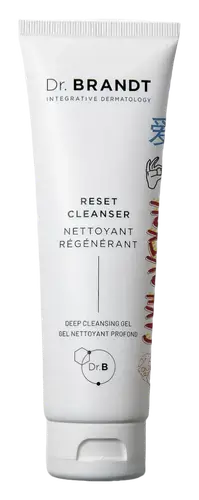
This calming exfoliator is formulated around Centella Asiatica Extract and Salicylic Acid to calm redness and refine skin texture.

What's inside
What's inside
 Key Ingredients
Benefits
Concerns
Ingredients Side-by-side
Water
Skin ConditioningHouttuynia Cordata Extract
Skin Conditioning

1,2-Hexanediol
Skin Conditioning
Methylpropanediol
SolventGlycerin
Humectant

Sodium Hyaluronate
Humectant

Caprylyl Glycol
Emollient
Glycereth-26
Humectant
Propanediol
Solvent
Illicium Verum Fruit Extract
Perfuming
Laurylpyridinium Chloride
AntimicrobialAllantoin
Skin Conditioning
Polysorbate 80
Emulsifying

Aloe Barbadensis Leaf Extract
Emollient
Brassica Oleracea Italica Extract
AstringentMedicago Sativa Extract
TonicBrassica Oleracea Capitata Leaf Extract
Skin ConditioningTriticum Vulgare Germ Extract
Skin ConditioningBrassica Campestris Extract
Skin ConditioningRaphanus Sativus Seed Extract
Skin ConditioningMelaleuca Alternifolia Leaf Extract
Perfuming
Camellia Sinensis Leaf Extract
Antimicrobial



Galactomyces Ferment Filtrate
Humectant
Centella Asiatica Extract
Cleansing
Carica Papaya Fruit Extract
Skin ConditioningDisodium EDTA
ChelatingPanthenol
Skin Conditioning
Dipotassium Glycyrrhizate
Humectant
Sodium Citrate
BufferingMelaleuca Alternifolia Leaf Oil
Antioxidant




Glycyrrhiza Uralensis Root Extract
Skin Conditioning
Diospyros Kaki Leaf Extract
Skin Protecting
Morus Alba Bark Extract
Skin ConditioningOpuntia Coccinellifera Fruit Extract
Skin ConditioningButylene Glycol
Humectant
Water, Houttuynia Cordata Extract, 1,2-Hexanediol, Methylpropanediol, Glycerin, Sodium Hyaluronate, Caprylyl Glycol, Glycereth-26, Propanediol, Illicium Verum Fruit Extract, Laurylpyridinium Chloride, Allantoin, Polysorbate 80, Aloe Barbadensis Leaf Extract, Brassica Oleracea Italica Extract, Medicago Sativa Extract, Brassica Oleracea Capitata Leaf Extract, Triticum Vulgare Germ Extract, Brassica Campestris Extract, Raphanus Sativus Seed Extract, Melaleuca Alternifolia Leaf Extract, Camellia Sinensis Leaf Extract, Galactomyces Ferment Filtrate, Centella Asiatica Extract, Carica Papaya Fruit Extract, Disodium EDTA, Panthenol, Dipotassium Glycyrrhizate, Sodium Citrate, Melaleuca Alternifolia Leaf Oil, Glycyrrhiza Uralensis Root Extract, Diospyros Kaki Leaf Extract, Morus Alba Bark Extract, Opuntia Coccinellifera Fruit Extract, Butylene Glycol
Water
Skin ConditioningCocamidopropyl Betaine
Cleansing
Glycerin
Humectant
Acrylates Copolymer
Disodium Cocoamphodiacetate
CleansingMethyl Perfluoroisobutyl Ether
SolventPotassium Cocoyl Glycinate
Surfactant
Polyquaternium-7
Sodium Benzoate
Masking
Sodium Hydroxide
BufferingParfum
Masking
Centella Asiatica Extract
Cleansing
Xanthan Gum
EmulsifyingEthylhexylglycerin
Skin ConditioningMelaleuca Alternifolia Leaf Extract
Perfuming
Nymphaea Caerulea Flower Extract
Skin ConditioningSpirulina Platensis Extract
Skin ProtectingArtemisia Princeps Leaf Extract
Skin Conditioning1,2-Hexanediol
Skin Conditioning
Panthenol
Skin Conditioning
Brassica Oleracea Italica Extract
AstringentMedicago Sativa Extract
TonicBrassica Oleracea Capitata Leaf Extract
Skin ConditioningTriticum Vulgare Germ Extract
Skin ConditioningBrassica Campestris Extract
Skin ConditioningRaphanus Sativus Seed Extract
Skin ConditioningCoix Lacryma-Jobi Ma-Yuen Seed Extract
Skin ConditioningTriticum Vulgare Seed Extract
BufferingZea Mays Kernel Extract
Phaseolus Radiatus Seed Extract
Skin ConditioningGlycine Soja Seed Extract
Skin Conditioning
Oryza Sativa Bran Extract
Skin Conditioning
Butylene Glycol
Humectant
Jasminum Officinale Flower/Leaf Extract
Masking
Rosmarinus Officinalis Leaf Extract
AntimicrobialLavandula Angustifolia Flower/Leaf/Stem Extract
Masking
Hamamelis Virginiana Bark/Leaf/Twig Extract
Skin Conditioning
Eucalyptus Globulus Leaf Extract
Perfuming
Calendula Officinalis Flower Extract
Masking
Mentha Piperita Leaf Extract
Skin ConditioningVerbena Officinalis Leaf Extract
MaskingChamomilla Recutita Flower Extract
Masking
Aspalathus Linearis Extract
Skin ConditioningRehmannia Glutinosa Root Extract
Skin ConditioningEclipta Prostrata Extract
Skin Conditioning
Glycyrrhiza Uralensis Root Extract
Skin Conditioning
Sophora Flavescens Root Extract
Antioxidant
Capsicum Annuum Fruit Extract
Antimicrobial
Angelica Gigas Root Extract
Skin ConditioningPolygonum Multiflorum Root Extract
Skin ConditioningAngelica Dahurica Root Extract
Skin ConditioningLithospermum Erythrorhizon Root Extract
Skin ConditioningLycium Chinense Fruit Extract
Antioxidant
Morus Alba Root Extract
BleachingRubus Coreanus Fruit Extract
Skin ConditioningCamellia Sinensis Leaf Extract
Antimicrobial
Citric Acid
Buffering
Lactic Acid
Buffering
Salicylic Acid
Masking
Water, Cocamidopropyl Betaine, Glycerin, Acrylates Copolymer, Disodium Cocoamphodiacetate, Methyl Perfluoroisobutyl Ether, Potassium Cocoyl Glycinate, Polyquaternium-7, Sodium Benzoate, Sodium Hydroxide, Parfum, Centella Asiatica Extract, Xanthan Gum, Ethylhexylglycerin, Melaleuca Alternifolia Leaf Extract, Nymphaea Caerulea Flower Extract, Spirulina Platensis Extract, Artemisia Princeps Leaf Extract, 1,2-Hexanediol, Panthenol, Brassica Oleracea Italica Extract, Medicago Sativa Extract, Brassica Oleracea Capitata Leaf Extract, Triticum Vulgare Germ Extract, Brassica Campestris Extract, Raphanus Sativus Seed Extract, Coix Lacryma-Jobi Ma-Yuen Seed Extract, Triticum Vulgare Seed Extract, Zea Mays Kernel Extract, Phaseolus Radiatus Seed Extract, Glycine Soja Seed Extract, Oryza Sativa Bran Extract, Butylene Glycol, Jasminum Officinale Flower/Leaf Extract, Rosmarinus Officinalis Leaf Extract, Lavandula Angustifolia Flower/Leaf/Stem Extract, Hamamelis Virginiana Bark/Leaf/Twig Extract, Eucalyptus Globulus Leaf Extract, Calendula Officinalis Flower Extract, Mentha Piperita Leaf Extract, Verbena Officinalis Leaf Extract, Chamomilla Recutita Flower Extract, Aspalathus Linearis Extract, Rehmannia Glutinosa Root Extract, Eclipta Prostrata Extract, Glycyrrhiza Uralensis Root Extract, Sophora Flavescens Root Extract, Capsicum Annuum Fruit Extract, Angelica Gigas Root Extract, Polygonum Multiflorum Root Extract, Angelica Dahurica Root Extract, Lithospermum Erythrorhizon Root Extract, Lycium Chinense Fruit Extract, Morus Alba Root Extract, Rubus Coreanus Fruit Extract, Camellia Sinensis Leaf Extract, Citric Acid, Lactic Acid, Salicylic Acid
Ingredients Explained
These ingredients are found in both products.
Ingredients higher up in an ingredient list are typically present in a larger amount.
1,2-Hexanediol is a synthetic liquid and another multi-functional powerhouse.
It is a:
- Humectant, drawing moisture into the skin
- Emollient, helping to soften skin
- Solvent, dispersing and stabilizing formulas
- Preservative booster, enhancing the antimicrobial activity of other preservatives
Brassica Campestris Extract is extract from the field mustard plant. This plant is classified as a cabbage.
This ingredient is also known as cabbage leaf extract (the same cabbage you eat). It has skin conditioning properties and is packed with flavonoids, phenolic compounds, Vitamin C, and glucosinolates.
A study from 2018 found that topically applied cabbage extract reduced swelling and redness in a mouse model of contact dermatitis. Animal studies have also shown it can support wound healing by boosting collagen production and encouraging new cell growth in damaged skin.
Another study from 2025 found that cabbage leaf extract strong tyrosinase inhibition comparable to vitamin C.
Overall, this is a great supportive ingredient. Be sure to patch test if you have a known allergy to plants in the Brassicaceae family (broccoli, kale, cauliflower).
Learn more about Brassica Oleracea Capitata Leaf ExtractYou might know Brassica Oleracea Italica as Broccoli. Broccoli is rich in antioxidants.
Broccoli extract is rich in antioxidants. Antioxidants help fight free-radical molecules. These unstable molecules may damage your skin cells. By helping to stabilize them, antioxidants may help with anti-aging. Beta-carotene, vitamin A, and vitamin C are three types of antioxidants found in broccoli.
Broccoli is also rich in fatty acids such as oleic and linoleic acids.
Brassica Oleracea Italica Extract can be extracted from any part of the broccoli plant.
Learn more about Brassica Oleracea Italica ExtractButylene Glycol (or BG) is used within cosmetic products for a few different reasons:
Overall, Butylene Glycol is a safe and well-rounded ingredient that works well with other ingredients.
Though this ingredient works well with most skin types, some people with sensitive skin may experience a reaction such as allergic rashes, closed comedones, or itchiness.
Learn more about Butylene GlycolCamellia Sinensis Leaf Extract (tea extract) is one of the most well-researched plant extracts in skincare with an impressive resume.
Black tea, green tea, and oolong tea are all harvested from the Camellia Sinensis plant.
Studies show green tea extract and its catechins (like epigallocatechin gallate (EGCG)) help your skin cells product energy more efficiently and reducing the number of free-radicals that can damage your skin from the inside.
In lab-grown skin models, this translated to younger, healthier, and stronger skin.
There's also good sun protection data; researchers saw less DNA damage and redness on human skin when green tea was applied before UVB exposure. And the more they applied, the better the protection.
Needless to say, this ingredient shouldn't replace your sunscreen. But it is a great supportive ingredient that you can already find in many sunscreens and antioxidant serums.
A 2009 study found a 2% green tea lotion was effective for mild-to-moderate acne thanks to its anti-inflammatory and mild antimicrobial activity.
The quality of the extract matters a lot here:
Good extracts contain 50-90% catechins while lower quality ones are mostly there for marketing. We recommend reaching out to the brand if you have questions about the quality or source of their ingredients.
Human Repeated Insult Patch Testing showed no irritation or sensitization at use concentrations (0.86% in leave-on products and up to 30% as leaf water).
Learn more about Camellia Sinensis Leaf ExtractCentella Asiatica Extract (Centella) is one of the most researched botanical extracts in skincare with decades of studies backing its effects on inflammation, collagen, and the skin barrier.
That research keeps pointing back to the same four triterpenoid saponins: Asiaticoside, Madecassoside, Asiatic Acid, and Madecassic Acid.
These compounds allow centella to dial back inflammation, encourage the skin to build and hold onto collagen, support the barrier and hydration, and bring solid antioxidant activity to protect against signs of aging.
Centella also carries a nice supporting cast of Vitamin A, vitamin C, several B vitamins, and amino acids. Put it all together and you get an ingredient that soothes, hydrates, and protects, all at once.
Most of centella's magic comes from the four big compounds (Asiaticoside, Madecassoside, Asiatic Acid, and Madecassic Acid). These are the actives doing the heavy lifting in almost every centella study.
Here is the short version of what they do in the skin:
So it is not just soothing for the sake of soothing. Centella calms the skin AND helps it rebuild.
Just FYI, not all centella on an ingredient list is the same. What you are getting actually depends on the extract:
Fun fact on the ratios: the leaves tend to be richest in Madecassoside and Asiaticoside, and lower in the two acids. The exact amounts shift with where the plant is grown and how it is processed. This means purity really does vary brand to brand.
Centella is one of the most easygoing actives out there.
It layers well with basically everything: niacinamide, hyaluronic acid, peptides, and vitamin C, and also pairs nicely with stronger actives like retinoids and exfoliating acids where it can help take the edge off irritation.
On the safety side, centella and its triterpenes are classified as weak sensitizers, meaning allergic reactions are possible but uncommon.
Patch tests at 1% and 5% came back negative in test panels, and creams at typical use levels did not cause allergic reactions across large groups of people.
But as with any new active, a patch test is still a smart move for very reactive skin.
Centella is widely used because it is effective at low percentages. For context, human safety testing found no meaningful irritation from creams containing centella extract at everyday use levels (the tested amounts were well under 1%).
The irritancy threshold in animal testing was also above 30% (so real-world formulas sit far below anything concerning).
In collagen lab studies, higher concentrations drove more collagen synthesis, so serums built around centella tend to feature it more prominently.
Bottom line: you will find centella working nicely anywhere from a fraction of a percent up to hero-ingredient levels depending on whether it is a supporting soother or the main event.
Fun fact: Centella has been used as a medicine and in food for many centuries. As a medicine, it is used to treat burns, scratches, and wounds.
Learn more about Centella Asiatica ExtractGlycerin (or glycerol) is a compound naturally found in your skin. It's a powerhouse humectant that pulls water into the stratum corneum.
Topically, glycerin does several things at once:
Your skin makes glycerin on its own (mostly from sebaceous oil breakdown) and shuttles it to your outermost layer of skin, or your epidermis, via aquaporin-3.
Aquaporin-3 is a transporter that is essential for normal skin hydration, elasticity, and repair. Interestingly, mice lacking in AQP3 have dry and less elastic skin that can be fully corrected with glycerin.
This ingredient is non-irritating, plays well with almost every ingredient, and works across all skin types. Typical use is anywhere between 3-10% but can go up to 79% in some leave-on products.
Just know very high concentrations (>40%) can feel tacky in low humidity.
Glycerin is the name for this ingredient in American English. British English uses Glycerol/Glycerine.
Learn more about GlycerinGlycyrrhiza Uralensis Root Extract comes from Chinese licorice. This plant is native to Asia and used in Chinese traditional medicine. Chinese licorice root contains antioxidants and polysaccharides.
Antioxidants may help with anti-aging by neutralizing free-radical molecules. Polysaccharides help moisturize the skin due to their ability to mimic our natural skin barrier.
Medicago Sativa Extract is derived from Alfalfa. It contains antioxidants. Antioxidants help fight free-radicals. Free-radicals are molecules that may damage your skin cells, such as pollution.
Alfalfa is also known as lucerne in the UK, South Africa, and the oceania countries. Ancient Greece and Rome used this plant to feed livestock.
Melaleuca Alternifolia Leaf Extract comes from the Tea Tree, Melaleuca alternifolia, Myrtaceae. This tea tree is native to Australia.
Tea Leaf extract contains antimicrobial and anti-acne properties.
This ingredient has perfuming properties and contains linalool and limonene. These fragrance and terpinen components can cause skin sensitivity.
Learn more about the benefits of Tea Tree Oil here.
Learn more about Melaleuca Alternifolia Leaf ExtractPanthenol is a common ingredient that helps hydrate and soothe the skin. It is found naturally in our skin and hair.
There are two forms of panthenol: D and L.
D-panthenol is also known as dexpanthenol. Most cosmetics use dexpanthenol or a mixture of D and L-panthenol.
Panthenol is famous due to its ability to go deeper into the skin's layers. Using this ingredient has numerous pros (and no cons):
Like hyaluronic acid, panthenol is a humectant. Humectants are able to bind and hold large amounts of water to keep skin hydrated.
This ingredient works well for wound healing. It works by increasing tissue in the wound and helps close open wounds.
Once oxidized, panthenol converts to pantothenic acid. Panthothenic acid is found in all living cells.
This ingredient is also referred to as pro-vitamin B5.
Learn more about PanthenolThis ingredient is also called radish or daikon seed extract. It has skin conditioning properties.
This ingredient is extracted from the germ part of the wheat plant. The germ of a plant refers to the seed embryo, or part that sprouts into a new plant.
Some studies have found wheat germ to help with wound healing.
Water. It's the most common cosmetic ingredient of all. You'll usually see it at the top of ingredient lists, meaning that it makes up the largest part of the product.
So why is it so popular? Water most often acts as a solvent - this means that it helps dissolve other ingredients into the formulation.
You'll also recognize water as that liquid we all need to stay alive. If you see this, drink a glass of water. Remember to stay hydrated!
Learn more about Water