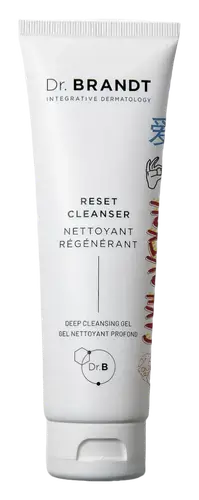
This salicylic acid gel cleanser is formulated around Salicylic Acid to clear breakouts and unclog pores.
This calming exfoliator is formulated around Centella Asiatica Extract and Salicylic Acid to calm redness and refine skin texture.


What's inside
What's inside
 Key Ingredients
Benefits
Concerns
Ingredients Side-by-side
Water
Skin ConditioningDisodium C12-14 Pareth-3 Sulfosuccinate
CleansingCocamidopropyl Betaine
Cleansing



Sodium Lauryl Sulfoacetate
CleansingPhenoxyethanol
Preservative
Sodium Sulfate
Sodium Chloride
MaskingPEG-150 Pentaerythrityl Tetrastearate
Emulsifying
Glycol Stearate
Emollient
Hydroxypropyl Guar
Emulsion StabilisingPEG-6 Caprylic/Capric Glycerides
EmulsifyingLaureth-10
EmulsifyingEthylhexylglycerin
Skin ConditioningRosmarinus Officinalis Leaf Oil
Masking
Citric Acid
Buffering

Disodium EDTA
ChelatingGlycerin
Humectant


Stearamide Amp
Foam BoostingMelaleuca Alternifolia Leaf Oil
Antioxidant




Linalyl Acetate
Masking
Salicylic Acid
Masking



Salix Alba Bark Extract
Astringent

Geranium Maculatum Extract
TonicWater, Disodium C12-14 Pareth-3 Sulfosuccinate, Cocamidopropyl Betaine, Sodium Lauryl Sulfoacetate, Phenoxyethanol, Sodium Sulfate, Sodium Chloride, PEG-150 Pentaerythrityl Tetrastearate, Glycol Stearate, Hydroxypropyl Guar, PEG-6 Caprylic/Capric Glycerides, Laureth-10, Ethylhexylglycerin, Rosmarinus Officinalis Leaf Oil, Citric Acid, Disodium EDTA, Glycerin, Stearamide Amp, Melaleuca Alternifolia Leaf Oil, Linalyl Acetate, Salicylic Acid, Salix Alba Bark Extract, Geranium Maculatum Extract
Water
Skin ConditioningCocamidopropyl Betaine
Cleansing
Glycerin
Humectant
Acrylates Copolymer
Disodium Cocoamphodiacetate
CleansingMethyl Perfluoroisobutyl Ether
SolventPotassium Cocoyl Glycinate
Surfactant
Polyquaternium-7
Sodium Benzoate
Masking
Sodium Hydroxide
BufferingParfum
Masking
Centella Asiatica Extract
Cleansing

Xanthan Gum
EmulsifyingEthylhexylglycerin
Skin ConditioningMelaleuca Alternifolia Leaf Extract
Perfuming
Nymphaea Caerulea Flower Extract
Skin ConditioningSpirulina Platensis Extract
Skin ProtectingArtemisia Princeps Leaf Extract
Skin Conditioning1,2-Hexanediol
Skin Conditioning
Panthenol
Skin Conditioning
Brassica Oleracea Italica Extract
AstringentMedicago Sativa Extract
TonicBrassica Oleracea Capitata Leaf Extract
Skin ConditioningTriticum Vulgare Germ Extract
Skin ConditioningBrassica Campestris Extract
Skin ConditioningRaphanus Sativus Seed Extract
Skin ConditioningCoix Lacryma-Jobi Ma-Yuen Seed Extract
Skin ConditioningTriticum Vulgare Seed Extract
BufferingZea Mays Kernel Extract
Phaseolus Radiatus Seed Extract
Skin ConditioningGlycine Soja Seed Extract
Skin Conditioning
Oryza Sativa Bran Extract
Skin Conditioning
Butylene Glycol
Humectant
Jasminum Officinale Flower/Leaf Extract
Masking
Rosmarinus Officinalis Leaf Extract
AntimicrobialLavandula Angustifolia Flower/Leaf/Stem Extract
Masking
Hamamelis Virginiana Bark/Leaf/Twig Extract
Skin Conditioning
Eucalyptus Globulus Leaf Extract
Perfuming
Calendula Officinalis Flower Extract
Masking
Mentha Piperita Leaf Extract
Skin ConditioningVerbena Officinalis Leaf Extract
MaskingChamomilla Recutita Flower Extract
Masking
Aspalathus Linearis Extract
Skin ConditioningRehmannia Glutinosa Root Extract
Skin ConditioningEclipta Prostrata Extract
Skin Conditioning
Glycyrrhiza Uralensis Root Extract
Skin Conditioning
Sophora Flavescens Root Extract
Antioxidant
Capsicum Annuum Fruit Extract
Antimicrobial
Angelica Gigas Root Extract
Skin ConditioningPolygonum Multiflorum Root Extract
Skin ConditioningAngelica Dahurica Root Extract
Skin ConditioningLithospermum Erythrorhizon Root Extract
Skin ConditioningLycium Chinense Fruit Extract
Antioxidant
Morus Alba Root Extract
BleachingRubus Coreanus Fruit Extract
Skin ConditioningCamellia Sinensis Leaf Extract
Antimicrobial
Citric Acid
Buffering
Lactic Acid
Buffering
Salicylic Acid
Masking
Water, Cocamidopropyl Betaine, Glycerin, Acrylates Copolymer, Disodium Cocoamphodiacetate, Methyl Perfluoroisobutyl Ether, Potassium Cocoyl Glycinate, Polyquaternium-7, Sodium Benzoate, Sodium Hydroxide, Parfum, Centella Asiatica Extract, Xanthan Gum, Ethylhexylglycerin, Melaleuca Alternifolia Leaf Extract, Nymphaea Caerulea Flower Extract, Spirulina Platensis Extract, Artemisia Princeps Leaf Extract, 1,2-Hexanediol, Panthenol, Brassica Oleracea Italica Extract, Medicago Sativa Extract, Brassica Oleracea Capitata Leaf Extract, Triticum Vulgare Germ Extract, Brassica Campestris Extract, Raphanus Sativus Seed Extract, Coix Lacryma-Jobi Ma-Yuen Seed Extract, Triticum Vulgare Seed Extract, Zea Mays Kernel Extract, Phaseolus Radiatus Seed Extract, Glycine Soja Seed Extract, Oryza Sativa Bran Extract, Butylene Glycol, Jasminum Officinale Flower/Leaf Extract, Rosmarinus Officinalis Leaf Extract, Lavandula Angustifolia Flower/Leaf/Stem Extract, Hamamelis Virginiana Bark/Leaf/Twig Extract, Eucalyptus Globulus Leaf Extract, Calendula Officinalis Flower Extract, Mentha Piperita Leaf Extract, Verbena Officinalis Leaf Extract, Chamomilla Recutita Flower Extract, Aspalathus Linearis Extract, Rehmannia Glutinosa Root Extract, Eclipta Prostrata Extract, Glycyrrhiza Uralensis Root Extract, Sophora Flavescens Root Extract, Capsicum Annuum Fruit Extract, Angelica Gigas Root Extract, Polygonum Multiflorum Root Extract, Angelica Dahurica Root Extract, Lithospermum Erythrorhizon Root Extract, Lycium Chinense Fruit Extract, Morus Alba Root Extract, Rubus Coreanus Fruit Extract, Camellia Sinensis Leaf Extract, Citric Acid, Lactic Acid, Salicylic Acid
Ingredients Explained
These ingredients are found in both products.
Ingredients higher up in an ingredient list are typically present in a larger amount.
Citric Acid is an alpha hydroxy acid (AHA) naturally found in citrus fruits like oranges, lemons, and limes.
Like other AHAs, citric acid can exfoliate skin by breaking down the bonds that hold dead skin cells together. This helps reveal smoother and brighter skin underneath.
However, this exfoliating effect only happens at high concentrations (20%) which can be hard to find in cosmetic products.
Due to this, citric acid is usually included in small amounts as a pH adjuster. This helps keep products slightly more acidic and compatible with skin's natural pH.
In skincare formulas, citric acid can:
While it can provide some skin benefits, research shows lactic acid and glycolic acid are generally more effective and less irritating exfoliants.
Most citric acid used in skincare today is made by fermenting sugars (usually from molasses). This synthetic version is identical to the natural citrus form but easier to stabilize and use in formulations.
Rosacea skin has a lower threshold for acids generally, with 62.5% of rosacea subjects in one study reacting to lactic acid in a sting test. This is why we mark citric acid as a potential rosacea trigger.
However, this ingredient shows up as a pH adjuster or chelator at roughly 0.1-1% in many products. These low levels are unlikely to be an issue for rosacea skin and becomes a potential trigger at exfoliating concentrations (20%). Because everybody's skin is unique, we recommend a patch test if you are unsure.
Learn more about Citric AcidCocamidopropyl Betaine is a fatty acid created by mixing similar compounds in coconut oil and dimethylaminopropylamine, a compound with two amino groups.
This ingredient is a surfactant and cleanser. It helps gather the dirt, pollutants, and other impurities in your skin to be washed away. It also helps thicken a product and make the texture more creamy.
Being created from coconut oil means Cocamidopropyl Betaine is hydrating for the skin.
While Cocamidopropyl Betaine was believed to be an allergen, a study from 2012 disproved this. It found two compounds in unpure Cocamidopropyl Betaine to be the irritants: aminoamide and 3-dimethylaminopropylamine. High-grade and pure Cocamidopropyl Betaine did not induce allergic reactions during this study.
Learn more about Cocamidopropyl BetaineEthylhexylglycerin is created from glycerin. It is a multitasker ingredient that:
The CIR Expert Panel found minimal skin absorption or sensitization of any kind in a safety assessment. Though this ingredient is considered well-tolerated, a small number of cases of allergic dermatitis have been published since 2002. Just be sure to patch test if you are unsure.
Industry-reported use ranges from 8% in rinse-off products and 2% in leave-on formulations.
Learn more about EthylhexylglycerinGlycerin (or glycerol) is a compound naturally found in your skin. It's a powerhouse humectant that pulls water into the stratum corneum.
Topically, glycerin does several things at once:
Your skin makes glycerin on its own (mostly from sebaceous oil breakdown) and shuttles it to your outermost layer of skin, or your epidermis, via aquaporin-3.
Aquaporin-3 is a transporter that is essential for normal skin hydration, elasticity, and repair. Interestingly, mice lacking in AQP3 have dry and less elastic skin that can be fully corrected with glycerin.
This ingredient is non-irritating, plays well with almost every ingredient, and works across all skin types. Typical use is anywhere between 3-10% but can go up to 79% in some leave-on products.
Just know very high concentrations (>40%) can feel tacky in low humidity.
Glycerin is the name for this ingredient in American English. British English uses Glycerol/Glycerine.
Learn more about GlycerinSalicylic Acid (also known as beta hydroxy acid or BHA) is a well-known ingredient for treating skin that struggles with acne and clogged pores. It exfoliates both the skin's surface and deep within the pores to help clear out buildup, control oil, and reduce inflammation.
Unlike AHAs (alpha hydroxy acids), salicylic acid is oil-soluble. This allows it to penetrate into pores which makes it especially effective for treating blackheads and preventing future breakouts.
Salicylic acid is also known for its soothing properties. It has a similar structure to aspirin and can calm inflamed or irritated skin, making it a good option for acne-prone skin that is also sensitive.
Concentrations of 0.5-2% are recognized by the U.S. FDA as an over-the-counter topical acne product.
It can cause irritation and/or dryness if one's skin already has a compromised moisture barrier, so it's best to focus on repairing that before introducing this ingredient into your routine.
While salicylic acid does not increase sun sensitivity, it’s still important to wear sunscreen daily to protect your skin.
If you are looking for the ingredient called BHA or Butylated Hydroxyanisole, click here.
Learn more about Salicylic AcidWater. It's the most common cosmetic ingredient of all. You'll usually see it at the top of ingredient lists, meaning that it makes up the largest part of the product.
So why is it so popular? Water most often acts as a solvent - this means that it helps dissolve other ingredients into the formulation.
You'll also recognize water as that liquid we all need to stay alive. If you see this, drink a glass of water. Remember to stay hydrated!
Learn more about Water

