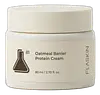
This barrier-repair moisturizer is formulated around Squalane and Panthenol to strengthen the skin barrier and hydrate skin.
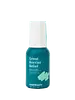
This barrier-repair serum is formulated around Calophyllum Inophyllum Seed Oil and Niacinamide to strengthen the skin barrier and calm redness.

What's inside
What's inside
 Key Ingredients
Benefits
Concerns
Ingredients Side-by-side
Avena Sativa Protein Extract
Skin ConditioningDimethicone
Emollient

Glycerin
Humectant

Squalane
Emollient
Hydrogenated Polydecene
Emollient1,2-Hexanediol
Skin Conditioning
Cetyl PEG/PPG-10/1 Dimethicone
Emulsifying
Butylene Glycol
Humectant
Propanediol
Solvent
Butyrospermum Parkii Butter
Skin Conditioning




Tapioca Starch
Avena Sativa Kernel Protein
Skin ConditioningSimmondsia Chinensis Seed Oil
Emollient
Theobroma Cacao Extract
Skin ConditioningMacadamia Integrifolia Seed Oil
Skin Conditioning
Oat Amino Acids
Skin ConditioningBifida Ferment Lysate
Skin Conditioning

Panthenol
Skin Conditioning
Magnesium Sulfate
Water
Skin ConditioningCaprylyl Glycol
Emollient
Cyclopentasiloxane
Emollient
Ethylhexylglycerin
Skin ConditioningPentylene Glycol
Skin Conditioning
Lauryl Polyglyceryl-3 Polydimethylsiloxyethyl Dimethicone
Skin Conditioning
Trisodium Ethylenediamine Disuccinate
ChelatingBeta-Sitosterol
Emulsion Stabilising
Aluminum Hydroxide
EmollientPolyglyceryl-10 Stearate
Skin Conditioning
Triethoxycaprylylsilane
Dextrin
AbsorbentHydrogenated Lecithin
Emulsifying
Polyhydroxystearic Acid
Emulsifying
Aluminum Sucrose Octasulfate
Skin ConditioningBrassica Campestris Sterols
EmollientCholesterol
Emollient
Hydroxyphenyl Propamidobenzoic Acid
Skin ConditioningPhytosteryl/Behenyl/Octyldodecyl Lauroyl Glutamate
Skin ConditioningPolyglyceryl-10 Oleate
Skin Conditioning
Neopentyl Glycol Diethylhexanoate
Emollient
Sodium Surfactin
CleansingCellulose
Absorbent
Pentaerythrityl Tetra-Di-T-Butyl Hydroxyhydrocinnamate
Antioxidant
Triisopropanolamine
BufferingAscorbyl Palmitate
Antioxidant

Tocopherol
Antioxidant

Disodium EDTA
ChelatingTitanium Dioxide
Cosmetic Colorant

Avena Sativa Protein Extract, Dimethicone, Glycerin, Squalane, Hydrogenated Polydecene, 1,2-Hexanediol, Cetyl PEG/PPG-10/1 Dimethicone, Butylene Glycol, Propanediol, Butyrospermum Parkii Butter, Tapioca Starch, Avena Sativa Kernel Protein, Simmondsia Chinensis Seed Oil, Theobroma Cacao Extract, Macadamia Integrifolia Seed Oil, Oat Amino Acids, Bifida Ferment Lysate, Panthenol, Magnesium Sulfate, Water, Caprylyl Glycol, Cyclopentasiloxane, Ethylhexylglycerin, Pentylene Glycol, Lauryl Polyglyceryl-3 Polydimethylsiloxyethyl Dimethicone, Trisodium Ethylenediamine Disuccinate, Beta-Sitosterol, Aluminum Hydroxide, Polyglyceryl-10 Stearate, Triethoxycaprylylsilane, Dextrin, Hydrogenated Lecithin, Polyhydroxystearic Acid, Aluminum Sucrose Octasulfate, Brassica Campestris Sterols, Cholesterol, Hydroxyphenyl Propamidobenzoic Acid, Phytosteryl/Behenyl/Octyldodecyl Lauroyl Glutamate, Polyglyceryl-10 Oleate, Neopentyl Glycol Diethylhexanoate, Sodium Surfactin, Cellulose, Pentaerythrityl Tetra-Di-T-Butyl Hydroxyhydrocinnamate, Triisopropanolamine, Ascorbyl Palmitate, Tocopherol, Disodium EDTA, Titanium Dioxide
Water
Skin ConditioningPropanediol
Solvent
Calophyllum Inophyllum Seed Oil
Antimicrobial
Dipropylene Glycol
HumectantNiacinamide
Smoothing



Carthamus Tinctorius Seed Oil
Masking
Cetearyl Olivate
Polysorbate 60
Emulsifying
Glyceryl Oleate
Emollient

Octyldodecanol
Emollient
Rosa Canina Fruit Oil
Emollient
Sorbitan Oleate
Emulsifying
Sorbitan Olivate
Emulsifying
Coco-Caprylate/Caprate
Emollient
Hydroxyethyl Acrylate/Sodium Acryloyldimethyl Taurate Copolymer
Emulsion StabilisingGlycerin
Humectant
Tocopheryl Acetate
Antioxidant
Butylene Glycol
Humectant
Caprylyl Glycol
Emollient
Hydroxyacetophenone
Antioxidant
Pentylene Glycol
Skin Conditioning
Squalane
Emollient
Urea
Buffering
Xanthan Gum
EmulsifyingSorbitan Isostearate
Emulsifying
1,2-Hexanediol
Skin Conditioning
Hydrogenated Olive Oil Unsaponifiables
Emollient
Disodium EDTA
ChelatingAvena Sativa Kernel Flour
Abrasive
Magnesium Chloride
Sodium Hyaluronate
Humectant
Glycine Soja Sterols
Emollient
Lactic Acid
Buffering

Caprylic/Capric Triglyceride
Masking
Glycosyl Trehalose
Emulsion StabilisingAcetyl Glutamine
Skin ConditioningOleic Acid
Emollient
Sodium PCA
Humectant
Serine
Masking
Ceramide NP
Skin Conditioning
Glycine
Buffering
Water, Propanediol, Calophyllum Inophyllum Seed Oil, Dipropylene Glycol, Niacinamide, Carthamus Tinctorius Seed Oil, Cetearyl Olivate, Polysorbate 60, Glyceryl Oleate, Octyldodecanol, Rosa Canina Fruit Oil, Sorbitan Oleate, Sorbitan Olivate, Coco-Caprylate/Caprate, Hydroxyethyl Acrylate/Sodium Acryloyldimethyl Taurate Copolymer, Glycerin, Tocopheryl Acetate, Butylene Glycol, Caprylyl Glycol, Hydroxyacetophenone, Pentylene Glycol, Squalane, Urea, Xanthan Gum, Sorbitan Isostearate, 1,2-Hexanediol, Hydrogenated Olive Oil Unsaponifiables, Disodium EDTA, Avena Sativa Kernel Flour, Magnesium Chloride, Sodium Hyaluronate, Glycine Soja Sterols, Lactic Acid, Caprylic/Capric Triglyceride, Glycosyl Trehalose, Acetyl Glutamine, Oleic Acid, Sodium PCA, Serine, Ceramide NP, Glycine
Reviews
Ingredients Explained
These ingredients are found in both products.
Ingredients higher up in an ingredient list are typically present in a larger amount.
1,2-Hexanediol is a synthetic liquid and another multi-functional powerhouse.
It is a:
- Humectant, drawing moisture into the skin
- Emollient, helping to soften skin
- Solvent, dispersing and stabilizing formulas
- Preservative booster, enhancing the antimicrobial activity of other preservatives
Butylene Glycol (or BG) is used within cosmetic products for a few different reasons:
Overall, Butylene Glycol is a safe and well-rounded ingredient that works well with other ingredients.
Though this ingredient works well with most skin types, some people with sensitive skin may experience a reaction such as allergic rashes, closed comedones, or itchiness.
Learn more about Butylene GlycolCaprylyl Glycol is a humectant, skin conditioner, emollient, and preservative booster derived from either caprylic acid or synthetically created.
Typical use levels vary from 0.3-1% as a preservative booster and go up to 2% to condition skin.
Because it is not a free-fatty acid, this ingredient is fungal acne safe (there's nothing for Malassezia to feed on).
Learn more about Caprylyl GlycolDisodium EDTA is a chelating agent. It grabs onto and deactivates metal ions that sneak into your products from water, packaging, or air.
This ingredient mainly works behind the scenes and helps with:
On top of that, this ingredient can counteract the effects of hard water by binding to the minerals in it.
One thing worth knowing is that Disodium EDTA has been shown to be a mild penetration enhancer. It can help other ingredients absorb into skin more effectively which can be a double-edged sword (great for actives, but can also make the active too strong if you have sensitive skin).
Clinical patch testing showed no significant skin irritation at typical use concentrations and minimal dermal absorption.
You'll most likely see this ingredient near the end of an ingredient list. It's typically found in concentrations less than 1%.
Learn more about Disodium EDTAGlycerin (or glycerol) is a compound naturally found in your skin. It's a powerhouse humectant that pulls water into the stratum corneum.
Topically, glycerin does several things at once:
Your skin makes glycerin on its own (mostly from sebaceous oil breakdown) and shuttles it to your outermost layer of skin, or your epidermis, via aquaporin-3.
Aquaporin-3 is a transporter that is essential for normal skin hydration, elasticity, and repair. Interestingly, mice lacking in AQP3 have dry and less elastic skin that can be fully corrected with glycerin.
This ingredient is non-irritating, plays well with almost every ingredient, and works across all skin types. Typical use is anywhere between 3-10% but can go up to 79% in some leave-on products.
Just know very high concentrations (>40%) can feel tacky in low humidity.
Glycerin is the name for this ingredient in American English. British English uses Glycerol/Glycerine.
Learn more about GlycerinPentylene Glycol (1,2-pentanediol) is a multitasking little diol with three main roles in a formula:
Research on alkanediols (the family pentylene glycol belongs to) show they work by disrupting microbial cell membranes. This disruption helps the primary preservative system in a product work more effectively at lower doses.
On the safety side, the Cosmetic Ingredient Review Expert Panel has concluded this ingredient to be safe as used in current cosmetic practices + concentrations.
Typical use levels in a formula run about 1-5%.
Learn more about Pentylene GlycolPropanediol is an all-star ingredient. It softens, hydrates, and smooths the skin.
It’s often used to:
Propanediol is not likely to cause sensitivity and considered safe to use. It is derived from corn or petroleum with a clear color and no scent.
Learn more about PropanediolSqualane is the hydrogenated and shelf-stable form of squalene (a lipid that naturally occurs in human sebum).
It is an emollient and skin conditioning agent that is able to integrate seamlessly into the skin's lipid barrier without clogging pores.
This is due to how structurally similar it is to what your skin already produces.
Though it is mostly an emollient that helps soften and hydrate skin, it also has some humectant and occlusive action. Humectants help the skin retain moisture while occlusives seal it in, making squalane a triple-threat moisturizer.
Research shows it has antioxidant capabilities that help protect against stressors like UV exposure, specifically UVA induced oxidative stress. This study also found that it supports collagen biosynthesis in human dermal fibroblasts.
No clinical study has reported significant adverse effects and irritation reactions are very rare from this ingredient (even at 100% concentration).
Overall, it's a fantastic ingredient for hydration and is suitable for all skin types.
This depends on the source. Squalane can be derived from both plants and animals. Most squalane used in skincare comes from plants.
Please note: the source of squalane is only known if disclosed by the brand. We recommend reaching out to the brand if you have any questions about their squalane.
Read more about squalene with an "e".
Though squalane is often called an oil, it’s technically not one. It is a hydrocarbon, meaning it is only made of carbon and hydrogen. True oils are triglycerides and made of fatty acids and glycerol.
The term “oil-free” isn’t regulated so companies can define it however they want. Some exclude all oils, while others just avoid mineral oil or comedogenic oils.
Squalane has a comedogenic rating of 1 from the original 1972 study that tested raw ingredients under occlusion on rabbit ears. This system is not standardized or peer-reviewed, and using the raw ingredients is very different from how diluted cosmetic formulations are used on human skin.
A comedogenic rating of 1 means it is "unlikely to clog pores" according to the original rating system.
The overall formula of a product matters more than the individual ingredients on whether or not it will cause clogged pores.
Learn more about SqualaneWater. It's the most common cosmetic ingredient of all. You'll usually see it at the top of ingredient lists, meaning that it makes up the largest part of the product.
So why is it so popular? Water most often acts as a solvent - this means that it helps dissolve other ingredients into the formulation.
You'll also recognize water as that liquid we all need to stay alive. If you see this, drink a glass of water. Remember to stay hydrated!
Learn more about Water

