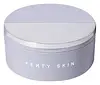
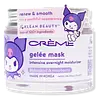
Fenty Beauty Instant Reset Brightening Overnight Recovery Gel-cream With Niacinamide + Kalahari Melon Oil Versus The Creme Shop Sanrio Kuromi Klean Beauty Intensive Overnight Moisture Gelee Mask
This brightening night moisturizer is formulated around Niacinamide and Citrullus Lanatus Seed Oil to brighten dull-looking skin and hydrate skin.
This hydrating overnight mask is formulated around Caprylic/Capric Triglyceride and Allantoin to hydrate skin and calm redness.

What's inside
What's inside
 Key Ingredients
Benefits
Concerns
Ingredients Side-by-side
Water
Skin ConditioningGlycerin
Humectant


Caprylic/Capric Triglyceride
Masking
Dicaprylyl Carbonate
EmollientGlycereth-26
Humectant
Niacinamide
Smoothing









Hyaluronic Acid
Humectant
Sodium Hyaluronate
Humectant
Panthenol
Skin Conditioning
Tocopheryl Acetate
Antioxidant

Citrullus Lanatus Seed Oil
Emollient


Backhousia Citriodora Leaf Extract
AstringentCereus Grandiflorus Flower Extract
Skin ConditioningHovenia Dulcis Fruit Extract
Skin ConditioningAdansonia Digitata Seed Oil
Emollient
Adansonia Digitata Fruit Extract
EmollientCamellia Sinensis Leaf Extract
Antimicrobial
Aloe Barbadensis Leaf Juice
Skin Conditioning
Simmondsia Chinensis Seed Oil
Emollient
Tocopherol
Antioxidant
Phospholipids
Skin Conditioning
Hydrolyzed Jojoba Esters
Skin Conditioning
Cetearyl Glucoside
Emulsifying
Glyceryl Caprylate
EmollientGlyceryl Undecylenate
Emollient
Polyglyceryl-3 Methylglucose Distearate
Emulsifying
Hydroxyethyl Acrylate/Sodium Acryloyldimethyl Taurate Copolymer
Emulsion StabilisingCetearyl Alcohol
Emollient



Ammonium Acryloyldimethyltaurate/Beheneth-25 Methacrylate Crosspolymer
Emulsion StabilisingPentaerythrityl Tetra-Di-T-Butyl Hydroxyhydrocinnamate
Antioxidant
Polysorbate 60
Emulsifying
Sorbitan Isostearate
Emulsifying
Sodium Phytate
ChelatingXanthan Gum
EmulsifyingCitric Acid
Buffering
Leuconostoc/Radish Root Ferment Filtrate
Antimicrobial
Hydroxyacetophenone
Antioxidant
Propanediol
Solvent
Butylene Glycol
Humectant
Ethylhexylglycerin
Skin ConditioningPhenoxyethanol
Preservative
Parfum
Masking


Benzyl Salicylate
Perfuming
Hexyl Cinnamal
Perfuming
Linalool
Perfuming
Limonene
Perfuming
CI 14700
Cosmetic ColorantCI 17200
Cosmetic ColorantWater, Glycerin, Caprylic/Capric Triglyceride, Dicaprylyl Carbonate, Glycereth-26, Niacinamide, Hyaluronic Acid, Sodium Hyaluronate, Panthenol, Tocopheryl Acetate, Citrullus Lanatus Seed Oil, Backhousia Citriodora Leaf Extract, Cereus Grandiflorus Flower Extract, Hovenia Dulcis Fruit Extract, Adansonia Digitata Seed Oil, Adansonia Digitata Fruit Extract, Camellia Sinensis Leaf Extract, Aloe Barbadensis Leaf Juice, Simmondsia Chinensis Seed Oil, Tocopherol, Phospholipids, Hydrolyzed Jojoba Esters, Cetearyl Glucoside, Glyceryl Caprylate, Glyceryl Undecylenate, Polyglyceryl-3 Methylglucose Distearate, Hydroxyethyl Acrylate/Sodium Acryloyldimethyl Taurate Copolymer, Cetearyl Alcohol, Ammonium Acryloyldimethyltaurate/Beheneth-25 Methacrylate Crosspolymer, Pentaerythrityl Tetra-Di-T-Butyl Hydroxyhydrocinnamate, Polysorbate 60, Sorbitan Isostearate, Sodium Phytate, Xanthan Gum, Citric Acid, Leuconostoc/Radish Root Ferment Filtrate, Hydroxyacetophenone, Propanediol, Butylene Glycol, Ethylhexylglycerin, Phenoxyethanol, Parfum, Benzyl Salicylate, Hexyl Cinnamal, Linalool, Limonene, CI 14700, CI 17200
Water
Skin ConditioningButylene Glycol
Humectant
PEG-240/Hdi Copolymer Bis-Decyltetradeceth-20 Ether
StabilisingCaprylic/Capric Triglyceride
Masking
Dipropylene Glycol
HumectantHydroxyacetophenone
Antioxidant
PEG-100 Stearate
Surfactant
Dimethicone
Emollient
Glyceryl Stearate
Emollient
Glycerin
Humectant
Glycereth-26
Humectant
Macadamia Ternifolia Seed Oil
Emollient
Caprylyl Glycol
Emollient
Allantoin
Skin Conditioning
Coco-Caprylate/Caprate
Emollient
Tocopheryl Acetate
Antioxidant
Adenosine
Skin Conditioning
Disodium EDTA
Chelating1,2-Hexanediol
Skin Conditioning
Vitis Vinifera Fruit Extract
Skin ConditioningWine Extract
Antioxidant
Vaccinium Macrocarpon Fruit Extract
AstringentFragaria Vesca Leaf Extract
AstringentEuterpe Oleracea Fruit Extract
Punica Granatum Fruit Extract
Antioxidant
Morus Alba Fruit Extract
Antioxidant
Rubus Coreanus Fruit Extract
Skin ConditioningVaccinium Angustifolium Fruit Extract
Skin Protecting
Rubus Idaeus Fruit Extract
AstringentDipotassium Glycyrrhizate
Humectant
Sodium Hyaluronate
Humectant
Hydrolyzed Hyaluronic Acid
Humectant
Sodium Acetylated Hyaluronate
Humectant
Astragalus Membranaceus Root Extract
Emollient
Cnidium Officinale Root Extract
Skin ConditioningAngelica Gigas Root Extract
Skin ConditioningPaeonia Officinalis Root Extract
Skin ConditioningPanax Ginseng Root Extract
Emollient
Glycyrrhiza Glabra Root Extract
Bleaching
Atractylodes Japonica Rhizome Extract
Skin ConditioningPoria Cocos Extract
Skin ConditioningPrunus Mume Flower Extract
Skin ConditioningOenothera Biennis Seed Extract
Skin ConditioningPaeonia Lactiflora Root Extract
Skin ConditioningCinnamomum Cassia Bark Extract
Masking
Tocopherol
Antioxidant
Eclipta Prostrata Extract
Skin Conditioning
Lithospermum Erythrorhizon Root Oil
Skin Conditioning
Brassica Campestris Seed Oil
Skin Conditioning
Schisandra Chinensis Fruit Extract
Skin Conditioning
Lycium Chinense Fruit Extract
Antioxidant
Melia Azadirachta Leaf Extract
Skin ConditioningMoringa Oleifera Seed Oil
Emollient
Melia Azadirachta Flower Extract
Skin ConditioningCoccinia Indica Fruit Extract
Skin Conditioning
Solanum Melongena Fruit Extract
Skin ConditioningSimmondsia Chinensis Seed Oil
Emollient
Ocimum Sanctum Leaf Extract
Skin ConditioningCorallina Officinalis Extract
Skin Conditioning
Curcuma Longa Root Extract
Antioxidant
Guaiazulene
Antimicrobial
Parfum
Masking
Water, Butylene Glycol, PEG-240/Hdi Copolymer Bis-Decyltetradeceth-20 Ether, Caprylic/Capric Triglyceride, Dipropylene Glycol, Hydroxyacetophenone, PEG-100 Stearate, Dimethicone, Glyceryl Stearate, Glycerin, Glycereth-26, Macadamia Ternifolia Seed Oil, Caprylyl Glycol, Allantoin, Coco-Caprylate/Caprate, Tocopheryl Acetate, Adenosine, Disodium EDTA, 1,2-Hexanediol, Vitis Vinifera Fruit Extract, Wine Extract, Vaccinium Macrocarpon Fruit Extract, Fragaria Vesca Leaf Extract, Euterpe Oleracea Fruit Extract, Punica Granatum Fruit Extract, Morus Alba Fruit Extract, Rubus Coreanus Fruit Extract, Vaccinium Angustifolium Fruit Extract, Rubus Idaeus Fruit Extract, Dipotassium Glycyrrhizate, Sodium Hyaluronate, Hydrolyzed Hyaluronic Acid, Sodium Acetylated Hyaluronate, Astragalus Membranaceus Root Extract, Cnidium Officinale Root Extract, Angelica Gigas Root Extract, Paeonia Officinalis Root Extract, Panax Ginseng Root Extract, Glycyrrhiza Glabra Root Extract, Atractylodes Japonica Rhizome Extract, Poria Cocos Extract, Prunus Mume Flower Extract, Oenothera Biennis Seed Extract, Paeonia Lactiflora Root Extract, Cinnamomum Cassia Bark Extract, Tocopherol, Eclipta Prostrata Extract, Lithospermum Erythrorhizon Root Oil, Brassica Campestris Seed Oil, Schisandra Chinensis Fruit Extract, Lycium Chinense Fruit Extract, Melia Azadirachta Leaf Extract, Moringa Oleifera Seed Oil, Melia Azadirachta Flower Extract, Coccinia Indica Fruit Extract, Solanum Melongena Fruit Extract, Simmondsia Chinensis Seed Oil, Ocimum Sanctum Leaf Extract, Corallina Officinalis Extract, Curcuma Longa Root Extract, Guaiazulene, Parfum
Reviews
Ingredients Explained
These ingredients are found in both products.
Ingredients higher up in an ingredient list are typically present in a larger amount.
Butylene Glycol (or BG) is used within cosmetic products for a few different reasons:
Overall, Butylene Glycol is a safe and well-rounded ingredient that works well with other ingredients.
Though this ingredient works well with most skin types, some people with sensitive skin may experience a reaction such as allergic rashes, closed comedones, or itchiness.
Learn more about Butylene GlycolCaprylic/Capric Triglyceride (aka MCT Oil) is a lightweight emollient, solvent, and texture enhancer. It is considered a skin-softener by helping to prevent moisture loss.
Though it behaves like an oil, it is not technically one due to its chemical composition. One perk of this ingredient is that it is very stable, resistant to oxidation, and unlikely to go rancid.
In practice, that translates to a long shelf life and a consistently elegant skin feel.
While there is an assumption Caprylic Triglyceride can clog pores due to it being derived from coconut oil, there is no research supporting this. Just patch test if you have concerns.
Fractionated coconut oil and MCT Oil are both listed as Caprylic/Capric Triglyceride according to INCI. This is because INCI names are based on the ingredient’s final chemical composition and not its marketing name or source.
This ingredient is treated as the gold standard fungal acne safe oil. Even though it is coconut derived, the problematic lauric acid is stripped out.
This leaves just caprylic (C8) and capric (C10) acid. These chain lengths actually trend antifungal; a 2020 study found caprylic acid was enough to disrupt Malassezia furfur cell membrane, with a caprylic acid derivative damaging membrane structures at concentrations as low as 0.2%.
Learn more about Caprylic/Capric TriglycerideGlycereth-26 is a synthetic ingredient and polyethylene glycol ether of Glycerin. Glycerin is already naturally found in your skin and helps keep your skin moisturized.
It is a humectant and helps add texture to products. It can make your product thicker.
As a humectant, it helps draw moisture from the air to your skin. This helps your skin stay hydrated.
Learn more about Glycereth-26Glycerin (or glycerol) is a compound naturally found in your skin. It's a powerhouse humectant that pulls water into the stratum corneum.
Topically, glycerin does several things at once:
Your skin makes glycerin on its own (mostly from sebaceous oil breakdown) and shuttles it to your outermost layer of skin, or your epidermis, via aquaporin-3.
Aquaporin-3 is a transporter that is essential for normal skin hydration, elasticity, and repair. Interestingly, mice lacking in AQP3 have dry and less elastic skin that can be fully corrected with glycerin.
This ingredient is non-irritating, plays well with almost every ingredient, and works across all skin types. Typical use is anywhere between 3-10% but can go up to 79% in some leave-on products.
Just know very high concentrations (>40%) can feel tacky in low humidity.
Glycerin is the name for this ingredient in American English. British English uses Glycerol/Glycerine.
Learn more about GlycerinHydroxyacetophenone is a small phenolic molecule that earns its place in a formulas as an antioxidant and preservative booster.
As a phenol, it is able to neutralize free radicals to protect both the product and the skin from oxidative stress.
Though it can't kill microbes on its own, it works as a good supporting agent when combined with other preservatives like Phenoxyethanol or 1,2-Hexanediol.
This ingredient naturally occurs as piceol in Norwegian spruce needles (~0.4-1.1% dry weight and in cloudberries). Though the cosmetic-grade material is synthesized for purity and consistency.
You'll usually see it used at low levels and suppliers recommend up to 1% added to a water phase.
Safety testing was done at concentrations like 0.05% in SPF products and 0.5% in a Human Repeated Insult Patch Test. The safety evidence is assuring; this ingredient is safe for cosmetics in current use and also holds safety status as a food flavoring as well.
An honest caveat: the "soothing" and "anti-inflammatory" claims come mostly from supplier marketing rather than published clinical trials. The Cosmetic Ingredient Review's own literature search found no useful efficacy studies on this ingredient.
So the antioxidant and preservative-boosting roles are the well supported ones while the calming benefit is plausible but thinly evidenced.
Overall, this is a well-tolerated, low-irritation multitasker that quietly helps a formula stay fresh and stable.
Learn more about HydroxyacetophenoneParfum is a catch-all term for an ingredient or more that is used to give a scent to products.
Also called "fragrance", this ingredient can be a blend of hundreds of chemicals or plant oils. This means every product with "fragrance" or "parfum" in the ingredients list is a different mixture.
For instance, Habanolide is a proprietary trade name for a specific aroma chemical. When used as a fragrance ingredient in cosmetics, most aroma chemicals fall under the broad labeling category of “FRAGRANCE” or “PARFUM” according to EU and US regulations.
The term 'parfum' or 'fragrance' is not regulated in many countries. In many cases, it is up to the brand to define this term.
For instance, many brands choose to label themselves as "fragrance-free" because they are not using synthetic fragrances. However, their products may still contain ingredients such as essential oils that are considered a fragrance by INCI standards.
One example is Calendula flower extract. Calendula is an essential oil that still imparts a scent or 'fragrance'.
Depending on the blend, the ingredients in the mixture can cause allergies and sensitivities on the skin. Some ingredients that are known EU allergens include linalool and citronellol.
Parfum can also be used to mask or cover an unpleasant scent.
The bottom line is: not all fragrances/parfum/ingredients are created equally. If you are worried about fragrances, we recommend taking a closer look at an ingredient. And of course, we always recommend speaking with a professional.
Learn more about ParfumJojoba oil is one of the most well-studied plant-derived ingredients in cosmetics. It is an emollient with a special structure.
Because it is made up of 97-98% wax esters, it closely mirrors the linear monoesters found in human sebum. This makes it skin compatible, non-greasy, and lightweight.
Unlike other plant oils, jojoba wax doesn't easily penetrate skin. It mostly works in the uppermost layers as an emollient. This just means it forms a light barrier on the skin to help retain moisture.
Formulations with jojoba esters up to 90% reduced transepidermal water loss (TEWL) and increased barrier recovery by 81% (outperforming bisabolol at 47%).
Besides barrier support, the science also suggests jojoba to have anti-inflammatory effects and potential applications for skin infections, aging, and wound healing.
Fun fact: Indigenous cultures have used jojoba as a moisturizer and to help treat burns for centuries.
Fungal acne: The Malassezia yeast is known to metabolize fatty acids in the C11-24 range and jojoba's dominant fatty acid components fall into this range. This ingredient may not be fungal acne safe.
Learn more about Simmondsia Chinensis Seed OilSodium Hyaluronate is the salt form of hyaluronic acid. It is a long sugar chain that is naturally found in your skin, joints, and connective tissue that maintains hydration and elasticity.
In skincare, it works as a humectant. It pulls water from the environment and deeper layers of skin and binds it to the surface.
Interestingly, the size of the molecule affects its behavior:
Some clinical evidence links low molecular weight versions to improved wrinkle depth, elasticity, anti-inflammatory effects, and barrier repair.
Many serums use a blend of both weights so you can get surface hydration plus longer-lasting and deeper effects.
You'll typically see concentrations between 0.1-2% for this ingredient.
Learn more about Sodium HyaluronateTocopherol is a fat-soluble antioxidant known as Vitamin E.
You'll find this ingredient in the vast majority of skincare (for good reason). It works to neutralize free radicals, or unstable molecules generated by UV exposure, pollution, and other environmental stressors, before they can cause oxidative damage to your skin cells.
Topically applied tocopherol has been shown to protect against UV damage by ramping up the skin's own natural defense enzymes.
It also acts as a skin conditioning agent; some studies show that regular topical use can improve the skin's water-binding capacity over 2-4 weeks.
This ingredient is especially loved for being a team player. When combined with Vitamin C, the photoprotective effect of both ingredients roughly doubles and the combo also helps reduce UV-induced DNA damage.
This ingredient has some brightening potential but it's more of a prevention ingredient than spot-fader. Cell studies show it can slow down melanin production but it's worth noting that it's not the most powerful brightener out there.
In formulations, it also serves as a stabilizer that helps protect other oxidation-prone ingredients from degrading.
Concentrations usually range from 0.1-1% in most leave-on products.
Learn more about TocopherolTocopheryl Acetate is a stable, shelf-friendly form of vitamin E.
Formulators love it because plain vitamin E oxidizes quickly once it hits air. This acetate version stays stable and resists going off, helping to extend a product's shelf life.
It's actually inactive on its own and works like a slow-release "storage" form; the enzymes in your skin called esterases gradually convert it into active vitamin E over time.
One in vivo study showed 5% of the acetate in the living layer of the epidermis converted to vitamin E after 5 days of application. This study also found the skin gained protection against UV damage even though the conversion was slow and small.
Once converted, vitamin E acts as a skin's main fat-soluble antioxidant that fights free radicals to protect skin from damage.
Topical vitamin E generally boosts the skin's photoprotection, and it reduced UV-damage in animal models.
This ingredient has some brightening potential but it's more of a prevention ingredient than spot-fader. Cell studies show it can slow down melanin production but it's worth noting that it's not the most powerful brightener out there.
Overall, it has a pretty solid safety profile and has been found to be non-irritating and non-comedogenic. Allergic reactions may happen but stay rare due to how widely the ingredient gets used.
The concentration will vary depending on the formula; industry data shows 0.1% in baby lotions, 3% in lipsticks, and 5% in foot powders. You can also find this ingredient at 100% in a pure vitamin E oil.
Most leave-on skincare keeps it at the lower end, often between 0.5-1%.
Learn more about Tocopheryl AcetateWater. It's the most common cosmetic ingredient of all. You'll usually see it at the top of ingredient lists, meaning that it makes up the largest part of the product.
So why is it so popular? Water most often acts as a solvent - this means that it helps dissolve other ingredients into the formulation.
You'll also recognize water as that liquid we all need to stay alive. If you see this, drink a glass of water. Remember to stay hydrated!
Learn more about Water

