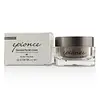
This moisturizer is formulated around Petrolatum and Carthamus Tinctorius Seed Oil to hydrate skin.
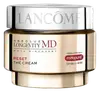
This anti-aging moisturizer is formulated around Niacinamide to soften the look of wrinkles and refine skin texture.


What's inside
What's inside
 Key Ingredients
Benefits
Concerns
Ingredients Side-by-side
Water
Skin ConditioningButylene Glycol
Humectant

Trisiloxane
Skin Conditioning
Petrolatum
Emollient


Limnanthes Alba Seed Oil
Skin Conditioning

Carthamus Tinctorius Seed Oil
Masking
C10-30 Cholesterol/Lanosterol Esters
Emulsifying
Glycerin
Humectant
PPG-2 Myristyl Ether Propionate
Emollient

Beeswax
Emulsion Stabilising
Olea Europaea Fruit Oil
Masking
C13-14 Isoparaffin
Emollient
Laureth-7
EmulsifyingPolyacrylamide
Glyceryl Stearate
Emollient
Malic Acid
Buffering



PEG-100 Stearate
Surfactant
Pyrus Malus Fruit Extract
Skin Conditioning
C12-15 Alkyl Benzoate
AntimicrobialCamphor
Masking

Caprylyl Glycol
Emollient
Cetearyl Alcohol
Emollient
Cetyl Alcohol
Emollient
Citral
Perfuming
Citrus Aurantium Dulcis Peel Oil
Masking
Citrus Limon Peel Oil
Masking
Cymbopogon Citratus Leaf Oil
Masking
Ethylene Brassylate
MaskingEthylhexylglycerin
Skin ConditioningHexylene Glycol
EmulsifyingLavandula Hybrida Oil
Emollient
Limonene
Perfuming
Linalool
Perfuming
Linalyl Acetate
Masking
Linum Usitatissimum Seed Oil
Perfuming
Litsea Cubeba Fruit Oil
Masking
Octanal
Perfuming
Persea Gratissima Oil
Skin Conditioning
Phenoxyethanol
Preservative
Phoenix Dactylifera Fruit Extract
EmollientPhytosphingosine
Skin Conditioning


Phytosterols
Skin Conditioning
Pinene
Masking
Polysorbate 60
Emulsifying
Quercetin
Antioxidant
Rosa Canina Fruit Oil
Emollient
Sodium Hyaluronate
Humectant
Sodium Hydroxide
BufferingWater, Butylene Glycol, Trisiloxane, Petrolatum, Limnanthes Alba Seed Oil, Carthamus Tinctorius Seed Oil, C10-30 Cholesterol/Lanosterol Esters, Glycerin, PPG-2 Myristyl Ether Propionate, Beeswax, Olea Europaea Fruit Oil, C13-14 Isoparaffin, Laureth-7, Polyacrylamide, Glyceryl Stearate, Malic Acid, PEG-100 Stearate, Pyrus Malus Fruit Extract, C12-15 Alkyl Benzoate, Camphor, Caprylyl Glycol, Cetearyl Alcohol, Cetyl Alcohol, Citral, Citrus Aurantium Dulcis Peel Oil, Citrus Limon Peel Oil, Cymbopogon Citratus Leaf Oil, Ethylene Brassylate, Ethylhexylglycerin, Hexylene Glycol, Lavandula Hybrida Oil, Limonene, Linalool, Linalyl Acetate, Linum Usitatissimum Seed Oil, Litsea Cubeba Fruit Oil, Octanal, Persea Gratissima Oil, Phenoxyethanol, Phoenix Dactylifera Fruit Extract, Phytosphingosine, Phytosterols, Pinene, Polysorbate 60, Quercetin, Rosa Canina Fruit Oil, Sodium Hyaluronate, Sodium Hydroxide
Water
Skin ConditioningGlycerin
Humectant
Rhamnose
HumectantPrunus Armeniaca Kernel Oil
Masking
Niacinamide
Smoothing




Pentaerythrityl Tetraethylhexanoate
Emollient
Cetyl Alcohol
Emollient
Zea Mays Starch
Absorbent
Isopropyl Lauroyl Sarcosinate
Skin ConditioningButyrospermum Parkii Butter
Skin Conditioning
Alcohol Denat.
Antimicrobial
Petrolatum
Emollient
Pentylene Glycol
Skin Conditioning
Glyceryl Stearate
Emollient
Octyldodecanol
Emollient
PEG-40 Stearate
Emulsifying
Cera Alba
Emollient
Urolithin A
Ginkgo Biloba Leaf Extract
Skin Conditioning
Stearyl Alcohol
Emollient
Adenosine
Skin Conditioning
Arginine
Masking
Butylene Glycol
Humectant
Capryloyl Salicylic Acid
Exfoliating
Caprylyl Glycol
Emollient
Carbomer
Emulsion StabilisingCitric Acid
Buffering
Hydrolyzed Linseed Extract
Skin ConditioningHydroxypropyl Tetrahydropyrantriol
Skin ConditioningPalmitoyl Tetrapeptide-7
Skin Conditioning
Palmitoyl Tripeptide-1
Skin Conditioning
Pentaerythrityl Tetra-Di-T-Butyl Hydroxyhydrocinnamate
Antioxidant
Poloxamer 338
EmulsifyingPolysorbate 20
Emulsifying
Propanediol
Solvent
Propylene Glycol
Humectant
Rosa Damascena Flower Water
Masking
Sodium Hydroxide
BufferingSodium Lactate
Buffering
Sorbitan Tristearate
EmulsifyingTaurine
BufferingTocopherol
Antioxidant
Xanthan Gum
EmulsifyingDimethicone
Emollient
Dimethiconol
Emollient
Caramel
Cosmetic ColorantPhenoxyethanol
Preservative
Salicylic Acid
Masking
Sodium Benzoate
Masking
Parfum
Masking
Water, Glycerin, Rhamnose, Prunus Armeniaca Kernel Oil, Niacinamide, Pentaerythrityl Tetraethylhexanoate, Cetyl Alcohol, Zea Mays Starch, Isopropyl Lauroyl Sarcosinate, Butyrospermum Parkii Butter, Alcohol Denat., Petrolatum, Pentylene Glycol, Glyceryl Stearate, Octyldodecanol, PEG-40 Stearate, Cera Alba, Urolithin A, Ginkgo Biloba Leaf Extract, Stearyl Alcohol, Adenosine, Arginine, Butylene Glycol, Capryloyl Salicylic Acid, Caprylyl Glycol, Carbomer, Citric Acid, Hydrolyzed Linseed Extract, Hydroxypropyl Tetrahydropyrantriol, Palmitoyl Tetrapeptide-7, Palmitoyl Tripeptide-1, Pentaerythrityl Tetra-Di-T-Butyl Hydroxyhydrocinnamate, Poloxamer 338, Polysorbate 20, Propanediol, Propylene Glycol, Rosa Damascena Flower Water, Sodium Hydroxide, Sodium Lactate, Sorbitan Tristearate, Taurine, Tocopherol, Xanthan Gum, Dimethicone, Dimethiconol, Caramel, Phenoxyethanol, Salicylic Acid, Sodium Benzoate, Parfum
Ingredients Explained
These ingredients are found in both products.
Ingredients higher up in an ingredient list are typically present in a larger amount.
Butylene Glycol (or BG) is used within cosmetic products for a few different reasons:
Overall, Butylene Glycol is a safe and well-rounded ingredient that works well with other ingredients.
Though this ingredient works well with most skin types, some people with sensitive skin may experience a reaction such as allergic rashes, closed comedones, or itchiness.
Learn more about Butylene GlycolCaprylyl Glycol is a humectant, skin conditioner, emollient, and preservative booster derived from either caprylic acid or synthetically created.
Typical use levels vary from 0.3-1% as a preservative booster and go up to 2% to condition skin.
Because it is not a free-fatty acid, this ingredient is fungal acne safe (there's nothing for Malassezia to feed on).
Learn more about Caprylyl GlycolCetyl Alcohol is a fatty alcohol. Fatty Alcohols are most often used as an emollient or to thicken a product.
Its main roles are:
Though it has "alcohol" in the name, it is not related to denatured alcohol or ethyl alcohol.
The FDA allows products labeled "alcohol-free" to have fatty alcohols.
This ingredient may not be fungal acne safe. It is a primary fatty alcohol with a chain length above 12 carbons. A study from 2019 show Malassezia can feed on fatty alcohols in this range, so it may trigger fungal acne in those prone to it.
Learn more about Cetyl AlcoholGlycerin (or glycerol) is a compound naturally found in your skin. It's a powerhouse humectant that pulls water into the stratum corneum.
Topically, glycerin does several things at once:
Your skin makes glycerin on its own (mostly from sebaceous oil breakdown) and shuttles it to your outermost layer of skin, or your epidermis, via aquaporin-3.
Aquaporin-3 is a transporter that is essential for normal skin hydration, elasticity, and repair. Interestingly, mice lacking in AQP3 have dry and less elastic skin that can be fully corrected with glycerin.
This ingredient is non-irritating, plays well with almost every ingredient, and works across all skin types. Typical use is anywhere between 3-10% but can go up to 79% in some leave-on products.
Just know very high concentrations (>40%) can feel tacky in low humidity.
Glycerin is the name for this ingredient in American English. British English uses Glycerol/Glycerine.
Learn more about GlycerinGlyceryl Stearate is made by reacting glycerin with stearic acid (typically sourced from plant oils like palm or coconut). It's an emulsifier, emollient, and mild occlusive.
Emulsifiers help ingredients like oil and water stay mixed so your formula stays nicely blended and uniform in texture.
This ingredient is typically used in concentrations between 1-10%. Studies have found it to be non-sensitizing, non-phototoxic, and non-photoallergenic.
A close cousin of this ingredient is Glyceryl Stearate SE ("self-emulsifying"). This just has a small amount of sodium or potassium stearate added so it can emulsify without a co-emulsifier.
Since this ingredient is an ester of a C18 fatty acid, it may not be fungal acne safe. The Malassezia yeast can potentially metabolize within the C11-C24 range.
Fun fact: The human body also creates Glyceryl Stearate naturally.
Learn more about Glyceryl StearatePetrolatum is more commonly known as petroleum jelly. It is created by mixing waxes and mineral oils.
This ingredient is effective at reducing water loss by 99%. This is because it is an occlusive. Occlusives create a hydrophobic barrier on the skin to prevent evaporation. This property makes it great for hydrating dry skin.
Pro tip: Use occlusives, such as this ingredient, on damp skin for the best results.
The quality or origin of petrolatum is only known when disclosed by the brand. Most cosmetic petrolatum has gone through several purification stages.
Another benefit of occlusives is it protects your skin against infection or allergies.
Petrolatum is fungal acne safe. It is a hydrocarbon with no fatty acid structure, so Malassezia cannot metabolize it. In-vitro studies support negligible growth stimulation as well.
It's also worth noting that petrolatum has a comedogenic rating of 0. In updated rabbit ear testing (and in human testing), petrolatum was found to be not comedogenic. This means it didn’t promote comedone formation in standard models.
Learn more about PetrolatumPhenoxyethanol is one of the most widely used preservatives in skincare (and for good reason!).
It has a large spectrum of antimicrobial activity and especially effective bacteria, yeast, and mold while only having a weak effect on your skin's natural microbiome.
On a cellular level, it disrupts the cell membranes of microbes by poking holes that make the cell leak. This shuts down the chemical reactions the microbe needs to make energy so it can no longer survive.
Another perk of this ingredient is that it stays functional across a wide pH range (3-10).
You'll often see it paired with boosters like Ethylhexylglycerin; one study showed that a 1:9 ratio of Ethylhexylglycerin to Phenoxyethanol damages bacterial membranes as effectively as doubling the Phenoxyethanol concentration on its own.
Typical use concentrations range from 0.3-1% depending on the formula, and this ingredient is capped at 1% int the EU.
Safety-wise, the fear mongering does not hold up to the evidence. The EU's Scientific Committee on Consumer Safety and FDA consider it safe as a preservative at up to 1%, including for children of all ages.
Adverse systemic effects only showed up in animal studies at exposures roughly 200x higher than what people get from cosmetics. And despite its very widespread use, this ingredient is a rare sensitizer and allergic reactions are uncommon.
Learn more about PhenoxyethanolSodium Hydroxide is also known as lye or caustic soda. It is used to adjust the pH of products; many ingredients require a specific pH to be effective.
In small amounts, sodium hydroxide is considered safe to use. However, large amounts may cause chemical burns due to its high alkaline.
Your skin has a natural pH and acid mantle. This acid mantle helps prevent harmful bacteria from breaking through. The acid mantle also helps keep your skin hydrated.
"Alkaline" refers to a high pH level. A low pH level would be considered acidic.
Learn more about Sodium HydroxideWater. It's the most common cosmetic ingredient of all. You'll usually see it at the top of ingredient lists, meaning that it makes up the largest part of the product.
So why is it so popular? Water most often acts as a solvent - this means that it helps dissolve other ingredients into the formulation.
You'll also recognize water as that liquid we all need to stay alive. If you see this, drink a glass of water. Remember to stay hydrated!
Learn more about Water

