

What's inside
What's inside
 Key Ingredients
Benefits
Concerns
Ingredients Side-by-side
Cucumis Melo Juice
SoothingSalix Alba Bark Extract
Astringent

Rosa Canina Fruit Extract
Astringent


Hydrolyzed Grape Fruit Extract
HumectantSymphytum Officinale Leaf Extract
Skin ConditioningLavandula Angustifolia Flower Extract
Cleansing

Equisetum Arvense Extract
AstringentMentha Piperita Leaf Extract
Skin ConditioningCalendula Officinalis Flower Extract
Masking

Glycine Max Root Extract
Skin ConditioningCetearyl Alcohol
Emollient



Cetearyl Glucoside
EmulsifyingPropanediol
Solvent
Undecane
EmollientTridecane
Perfuming
Panthenol
Skin Conditioning
Yogurt
Skin ProtectingGlycerin
Humectant
Caesalpinia Spinosa Gum
Skin ConditioningLactic Acid
Buffering





Glyceryl Stearate
Emollient
Cetyl Palmitate
Emollient
Cocoglycerides
Emollient
Sodium Cetearyl Sulfate
Cleansing
Calendula Officinalis Flower Oil
Masking
Cellulose
AbsorbentCyclodextrin
AbsorbentMelaleuca Alternifolia Leaf Oil
Antioxidant
Stearic Acid
Cleansing
Benzyl Alcohol
Perfuming


Dehydroacetic Acid
Preservative
Tocopherol
Antioxidant
Algin
Masking
Salicylic Acid
Masking

Sodium Benzoate
Masking
Potassium Sorbate
Preservative
Cucumis Sativus Fruit Extract
Emollient
Menthol
Masking
Calcium Ascorbate
Antioxidant
Lecithin
Emollient
Citrus Limon Fruit Extract
Masking
Malpighia Emarginata Fruit Extract
Skin ConditioningPhyllanthus Emblica Fruit Extract
HumectantAdansonia Digitata Seed Oil
Emollient
Camphor
Masking
Daucus Carota Sativa Root Extract
Skin Conditioning
Cocos Nucifera Water
Masking
Lycium Barbarum Fruit Extract
Astringent
Tapioca Starch
Thioctic Acid
Antioxidant
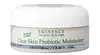
Cucumis Melo Juice, Salix Alba Bark Extract, Rosa Canina Fruit Extract, Hydrolyzed Grape Fruit Extract, Symphytum Officinale Leaf Extract, Lavandula Angustifolia Flower Extract, Equisetum Arvense Extract, Mentha Piperita Leaf Extract, Calendula Officinalis Flower Extract, Glycine Max Root Extract, Cetearyl Alcohol, Cetearyl Glucoside, Propanediol, Undecane, Tridecane, Panthenol, Yogurt, Glycerin, Caesalpinia Spinosa Gum, Lactic Acid, Glyceryl Stearate, Cetyl Palmitate, Cocoglycerides, Sodium Cetearyl Sulfate, Calendula Officinalis Flower Oil, Cellulose, Cyclodextrin, Melaleuca Alternifolia Leaf Oil, Stearic Acid, Benzyl Alcohol, Dehydroacetic Acid, Tocopherol, Algin, Salicylic Acid, Sodium Benzoate, Potassium Sorbate, Cucumis Sativus Fruit Extract, Menthol, Calcium Ascorbate, Lecithin, Citrus Limon Fruit Extract, Malpighia Emarginata Fruit Extract, Phyllanthus Emblica Fruit Extract, Adansonia Digitata Seed Oil, Camphor, Daucus Carota Sativa Root Extract, Cocos Nucifera Water, Lycium Barbarum Fruit Extract, Tapioca Starch, Thioctic Acid
Water
Skin ConditioningEthylhexyl Isononanoate
EmollientNiacinamide
Smoothing
Glycerin
Humectant
Glyceryl Stearate
Emollient
PEG-100 Stearate
Dimethicone
Emollient
Ceramide NP
Skin Conditioning
Cholesterol
Emollient
Ceramide Eos
Skin Conditioning
Cetyl Alcohol
Emollient
Ceramide Ns
Skin Conditioning
Ceteareth-25
CleansingCeramide EOP
Skin Conditioning
Caprooyl Sphingosine
Skin ConditioningCaprooyl Phytosphingosine
Skin Conditioning
Ceramide AP
Skin Conditioning
Hyaluronic Acid
Humectant
Hydroxyethyl Acrylate/Sodium Acryloyldimethyl Taurate Copolymer
Emulsion StabilisingXylitylglucoside
Humectant
Squalane
Emollient
Anhydroxylitol
Humectant
PEG-7 Trimethylolpropane Coconut Ether
EmulsifyingPolyisobutene
Piptadenia Colubrina Peel Extract
HumectantActinidia Chinensis Fruit Extract
EmollientBromelain
Skin ConditioningTocopherol
Antioxidant
Xylitol
Humectant
Ficin
Skin ConditioningGlutamine
Skin ConditioningBiotin
AntiseborrhoeicProline
Skin ConditioningBehenic Acid
Cleansing
Carbomer
Emulsion StabilisingCitric Acid
Buffering
Sodium Hydroxide
BufferingButylene Glycol
Humectant
Benzyl Alcohol
Perfuming
Potassium Sorbate
Preservative
Phenoxyethanol
Preservative
Hexadecane
Perfuming
Sodium Bisulfite
Antioxidant
Disodium EDTA
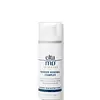
Water, Ethylhexyl Isononanoate, Niacinamide, Glycerin, Glyceryl Stearate, PEG-100 Stearate, Dimethicone, Ceramide NP, Cholesterol, Ceramide Eos, Cetyl Alcohol, Ceramide Ns, Ceteareth-25, Ceramide EOP, Caprooyl Sphingosine, Caprooyl Phytosphingosine, Ceramide AP, Hyaluronic Acid, Hydroxyethyl Acrylate/Sodium Acryloyldimethyl Taurate Copolymer, Xylitylglucoside, Squalane, Anhydroxylitol, PEG-7 Trimethylolpropane Coconut Ether, Polyisobutene, Piptadenia Colubrina Peel Extract, Actinidia Chinensis Fruit Extract, Bromelain, Tocopherol, Xylitol, Ficin, Glutamine, Biotin, Proline, Behenic Acid, Carbomer, Citric Acid, Sodium Hydroxide, Butylene Glycol, Benzyl Alcohol, Potassium Sorbate, Phenoxyethanol, Hexadecane, Sodium Bisulfite, Disodium EDTA
Alternatives
Ingredients Explained
These ingredients are found in both products.
Ingredients higher up in an ingredient list are typically present in a larger amount.
Benzyl Alcohol is most commonly used as a preservative. It also has a subtle, sweet smell. Small amounts of Benzyl Alcohol is not irritating and safe to use in skincare products. Most Benzyl Alcohol is derived from fruits such as apricots.
Benzyl Alcohol has both antibacterial and antioxidant properties. These properties help lengthen the shelf life of products. Benzyl Alcohol is a solvent and helps dissolve other ingredients. It can also improve the texture and spreadability.
Alcohol comes in many different forms. Different types of alcohol will have different effects on skin. This ingredient is an astringent alcohol.
Using high concentrations of these alcohols are drying on the skin. They may strip away your skin's natural oils and even damage your skin barrier. Astringent alcohols may also irritate skin.
Other types of astringent alcohols include:
According to the National Rosacea Society based in the US, you should be mindful of products with these alcohols in the top half of ingredients.
Any type of sanitizing product will have high amounts of alcohol to help kill bacteria and viruses.
Learn more about Benzyl AlcoholGlycerin is already naturally found in your skin. It helps moisturize and protect your skin.
A study from 2016 found glycerin to be more effective as a humectant than AHAs and hyaluronic acid.
As a humectant, it helps the skin stay hydrated by pulling moisture to your skin. The low molecular weight of glycerin allows it to pull moisture into the deeper layers of your skin.
Hydrated skin improves your skin barrier; Your skin barrier helps protect against irritants and bacteria.
Glycerin has also been found to have antimicrobial and antiviral properties. Due to these properties, glycerin is often used in wound and burn treatments.
In cosmetics, glycerin is usually derived from plants such as soybean or palm. However, it can also be sourced from animals, such as tallow or animal fat.
This ingredient is organic, colorless, odorless, and non-toxic.
Glycerin is the name for this ingredient in American English. British English uses Glycerol/Glycerine.
Learn more about GlycerinGlyceryl Stearate is a mix of glycerin and stearic acid.
It is used to stabilize the mixing of water and oil ingredients. By preventing these ingredients from separating, it can help elongate shelf life. It can also help thicken the product's texture.
As an emollient, it helps soften skin and supports barrier-replenishing ingredients.
In cosmetics, Glyceryl Stearate is often made from vegetable oils or synthetically produced.
This ingredient may not be fungal-acne safe
Fun fact: The human body also creates Glyceryl Stearate naturally.
Learn more about Glyceryl StearatePotassium Sorbate is a preservative used to prevent yeast and mold in products. It is commonly found in both cosmetic and food products.
This ingredient comes from potassium salt derived from sorbic acid. Sorbic acid is a natural antibiotic and effective against fungus.
Both potassium sorbate and sorbic acid can be found in baked goods, cheeses, dried meats, dried fruit, ice cream, pickles, wine, yogurt, and more.
You'll often find this ingredient used with other preservatives.
Learn more about Potassium SorbateTocopherol (also known as Vitamin E) is a common antioxidant used to help protect the skin from free-radicals and strengthen the skin barrier. It's also fat soluble - this means our skin is great at absorbing it.
Vitamin E also helps keep your natural skin lipids healthy. Your lipid skin barrier naturally consists of lipids, ceramides, and fatty acids. Vitamin E offers extra protection for your skin’s lipid barrier, keeping your skin healthy and nourished.
Another benefit is a bit of UV protection. Vitamin E helps reduce the damage caused by UVB rays. (It should not replace your sunscreen). Combining it with Vitamin C can decrease sunburned cells and hyperpigmentation after UV exposure.
You might have noticed Vitamin E + C often paired together. This is because it is great at stabilizing Vitamin C. Using the two together helps increase the effectiveness of both ingredients.
There are often claims that Vitamin E can reduce/prevent scarring, but these claims haven't been confirmed by scientific research.
Learn more about Tocopherol
