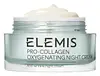
This barrier-repair moisturizer is formulated around Ceramide NP and Ectoin to strengthen the skin barrier and hydrate skin.


What's inside
What's inside
 Key Ingredients
Benefits
Concerns
Ingredients Side-by-side
Water
Skin ConditioningGlyceryl Stearate Se
Emulsifying




Glycerin
Humectant


Isononyl Isononanoate
EmollientEthylhexyl Palmitate
Emollient
Butyrospermum Parkii Butter
Skin Conditioning
Lauryl Laurate
Skin Conditioning
Ethyl Macadamiate
Skin Conditioning
Propylene Glycol Dicaprylate/Dicaprate
EmollientCetyl Alcohol
Emollient

Phenoxyethanol
Preservative
Sodium Polyacrylate
Absorbent
Potassium Cetyl Phosphate
EmulsifyingSimmondsia Chinensis Seed Oil
Emollient
Oryza Sativa Starch
AbsorbentParfum
Masking


Butylene Glycol
Humectant
Laminaria Digitata Extract
Skin Protecting
Chlorphenesin
Antimicrobial
Sesamum Indicum Oil Unsaponifiables
Emollient
Triticum Vulgare Germ Oil Unsaponifiables
Emollient
Persea Gratissima Oil
Skin Conditioning
Phytosterols
Skin Conditioning
Glyceryl Acrylate/Acrylic Acid Copolymer
HumectantDisodium EDTA
ChelatingSodium Dehydroacetate
Preservative
Olea Europaea Fruit Oil
Masking
Padina Pavonica Thallus Extract
Skin ConditioningGlyceryl Polyacrylate
Citronellol
Perfuming
Linalool
Perfuming
Collagen Amino Acids
Moisturising
Lithothamnion Calcareum Extract
Skin ConditioningMimosa Tenuiflora Bark Extract
Skin ProtectingMannitol
Humectant
Leuconostoc/Radish Root Ferment Filtrate
Antimicrobial
Tocopherol
Antioxidant




Sorbitan Oleate
Emulsifying
Geraniol
Perfuming
Limonene
Perfuming
Hydroxycitronellal
Perfuming
Citric Acid
Buffering
Malic Acid
Buffering
Diatomaceous Earth
Abrasive
Tocopheryl Acetate
Antioxidant
Ascorbyl Palmitate
Antioxidant
Sodium Hydroxide
BufferingZinc Sulfate
Antimicrobial
Hexapeptide-9
Skin Conditioning
Water, Glyceryl Stearate Se, Glycerin, Isononyl Isononanoate, Ethylhexyl Palmitate, Butyrospermum Parkii Butter, Lauryl Laurate, Ethyl Macadamiate, Propylene Glycol Dicaprylate/Dicaprate, Cetyl Alcohol, Phenoxyethanol, Sodium Polyacrylate, Potassium Cetyl Phosphate, Simmondsia Chinensis Seed Oil, Oryza Sativa Starch, Parfum, Butylene Glycol, Laminaria Digitata Extract, Chlorphenesin, Sesamum Indicum Oil Unsaponifiables, Triticum Vulgare Germ Oil Unsaponifiables, Persea Gratissima Oil, Phytosterols, Glyceryl Acrylate/Acrylic Acid Copolymer, Disodium EDTA, Sodium Dehydroacetate, Olea Europaea Fruit Oil, Padina Pavonica Thallus Extract, Glyceryl Polyacrylate, Citronellol, Linalool, Collagen Amino Acids, Lithothamnion Calcareum Extract, Mimosa Tenuiflora Bark Extract, Mannitol, Leuconostoc/Radish Root Ferment Filtrate, Tocopherol, Sorbitan Oleate, Geraniol, Limonene, Hydroxycitronellal, Citric Acid, Malic Acid, Diatomaceous Earth, Tocopheryl Acetate, Ascorbyl Palmitate, Sodium Hydroxide, Zinc Sulfate, Hexapeptide-9
Water
Skin ConditioningGlycerin
Humectant
Propanediol
Solvent
Caprylic/Capric Triglyceride
Masking
Polysorbate 80
Emulsifying
Prunus Amygdalus Dulcis Oil
Skin Conditioning
Hyaluronic Acid
Humectant
Ceramide NP
Skin Conditioning
Ceramide Ng
Skin Conditioning
Ceramide EOP
Skin Conditioning
Ceramide Ns
Skin Conditioning
Ceramide As
Skin Conditioning
Ceramide AP
Skin Conditioning
Ectoin
Skin Conditioning
Madecassoside
Antioxidant
Ethylhexylglycerin
Skin ConditioningHelianthus Annuus Seed Oil
Emollient
Squalane
Emollient
Hydrogenated Lecithin
Emulsifying
Hydrogenated Phosphatidylcholine
Emulsifying
Phosphatidylcholine
EmulsifyingMannitol
Humectant
Sucrose Distearate
Emollient
Cholesterol
Emollient
Xanthan Gum
EmulsifyingCarbomer
Emulsion StabilisingCetearyl Alcohol
Emollient
Tocopherol
Antioxidant
Glyceryl Stearate
Emollient
Decyl Glucoside
Cleansing
Pentylene Glycol
Skin Conditioning
Propylene Glycol
Humectant
Polysorbate 20
Emulsifying
Sorbitan Oleate
Emulsifying
Sodium Chloride
MaskingTriethanolamine
BufferingSodium Benzoate
Masking
Potassium Sorbate
Preservative
Phenoxyethanol
Preservative
Water, Glycerin, Propanediol, Caprylic/Capric Triglyceride, Polysorbate 80, Prunus Amygdalus Dulcis Oil, Hyaluronic Acid, Ceramide NP, Ceramide Ng, Ceramide EOP, Ceramide Ns, Ceramide As, Ceramide AP, Ectoin, Madecassoside, Ethylhexylglycerin, Helianthus Annuus Seed Oil, Squalane, Hydrogenated Lecithin, Hydrogenated Phosphatidylcholine, Phosphatidylcholine, Mannitol, Sucrose Distearate, Cholesterol, Xanthan Gum, Carbomer, Cetearyl Alcohol, Tocopherol, Glyceryl Stearate, Decyl Glucoside, Pentylene Glycol, Propylene Glycol, Polysorbate 20, Sorbitan Oleate, Sodium Chloride, Triethanolamine, Sodium Benzoate, Potassium Sorbate, Phenoxyethanol
Ingredients Explained
These ingredients are found in both products.
Ingredients higher up in an ingredient list are typically present in a larger amount.
Glycerin (or glycerol) is a compound naturally found in your skin. It's a powerhouse humectant that pulls water into the stratum corneum.
Topically, glycerin does several things at once:
Your skin makes glycerin on its own (mostly from sebaceous oil breakdown) and shuttles it to your outermost layer of skin, or your epidermis, via aquaporin-3.
Aquaporin-3 is a transporter that is essential for normal skin hydration, elasticity, and repair. Interestingly, mice lacking in AQP3 have dry and less elastic skin that can be fully corrected with glycerin.
This ingredient is non-irritating, plays well with almost every ingredient, and works across all skin types. Typical use is anywhere between 3-10% but can go up to 79% in some leave-on products.
Just know very high concentrations (>40%) can feel tacky in low humidity.
Glycerin is the name for this ingredient in American English. British English uses Glycerol/Glycerine.
Learn more about GlycerinMannitol is a sugar alcohol. It is a humectant and moisturizes the skin. In vitro (not tested on a living organism), mannitol displays antioxidant properties.
When found in aqueous solutions, mannitol tends to become acidic. This is because it loses a hydrogen ion. This is why mannitol can often be found with pH adjusting ingredients, such as sodium bicarbonate.
Fun fact: Mannitol can be found in foods as a sweetener. It can be naturally found in mushrooms, algae, fruits, and veggies.
Learn more about MannitolPhenoxyethanol is one of the most widely used preservatives in skincare (and for good reason!).
It has a large spectrum of antimicrobial activity and especially effective bacteria, yeast, and mold while only having a weak effect on your skin's natural microbiome.
On a cellular level, it disrupts the cell membranes of microbes by poking holes that make the cell leak. This shuts down the chemical reactions the microbe needs to make energy so it can no longer survive.
Another perk of this ingredient is that it stays functional across a wide pH range (3-10).
You'll often see it paired with boosters like Ethylhexylglycerin; one study showed that a 1:9 ratio of Ethylhexylglycerin to Phenoxyethanol damages bacterial membranes as effectively as doubling the Phenoxyethanol concentration on its own.
Typical use concentrations range from 0.3-1% depending on the formula, and this ingredient is capped at 1% int the EU.
Safety-wise, the fear mongering does not hold up to the evidence. The EU's Scientific Committee on Consumer Safety and FDA consider it safe as a preservative at up to 1%, including for children of all ages.
Adverse systemic effects only showed up in animal studies at exposures roughly 200x higher than what people get from cosmetics. And despite its very widespread use, this ingredient is a rare sensitizer and allergic reactions are uncommon.
Learn more about PhenoxyethanolSorbitan Oleate is a PEG-free emulsifier made by esterifying sorbitol with oleic acid.
You'll likely see it paired with Polysorbate 80 to create the right emulsification balance.
Typical use levels in formulas range from 2-10%.
The CIR Expert Panel has concluded this ingredient to be safe as a cosmetic ingredient.
Since this ingredient is an ester of oleic acid, it may not be fungal acne safe. Oleic acid is a fatty acid that falls into the C11-24 range that Malassezia can metabolize.
This ingredient does have a comedogenic rating of 3, but this doesn't mean a formula with this ingredient will clog pores. Human testing has proved that any finished product with a comedogenic ingredient won't automatically make you break out; it really comes down to concentration, formula, and your skin.
Learn more about Sorbitan OleateTocopherol is a fat-soluble antioxidant known as Vitamin E.
You'll find this ingredient in the vast majority of skincare (for good reason). It works to neutralize free radicals, or unstable molecules generated by UV exposure, pollution, and other environmental stressors, before they can cause oxidative damage to your skin cells.
Topically applied tocopherol has been shown to protect against UV damage by ramping up the skin's own natural defense enzymes.
It also acts as a skin conditioning agent; some studies show that regular topical use can improve the skin's water-binding capacity over 2-4 weeks.
This ingredient is especially loved for being a team player. When combined with Vitamin C, the photoprotective effect of both ingredients roughly doubles and the combo also helps reduce UV-induced DNA damage.
This ingredient has some brightening potential but it's more of a prevention ingredient than spot-fader. Cell studies show it can slow down melanin production but it's worth noting that it's not the most powerful brightener out there.
In formulations, it also serves as a stabilizer that helps protect other oxidation-prone ingredients from degrading.
Concentrations usually range from 0.1-1% in most leave-on products.
Learn more about TocopherolWater. It's the most common cosmetic ingredient of all. You'll usually see it at the top of ingredient lists, meaning that it makes up the largest part of the product.
So why is it so popular? Water most often acts as a solvent - this means that it helps dissolve other ingredients into the formulation.
You'll also recognize water as that liquid we all need to stay alive. If you see this, drink a glass of water. Remember to stay hydrated!
Learn more about Water

