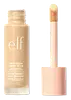
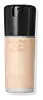
e.l.f. cosmetics Halo Glow Liquid Filter Versus Mac Cosmetics Studio Radiance Serum-Powered Foundation

What's inside
What's inside
 Key Ingredients
Benefits
Concerns
Ingredients Side-by-side
Water
Skin ConditioningHydrogenated Didecene
Skin ConditioningSqualane
Emollient


Propylene Glycol
Humectant

Glycerin
Humectant
Octyldodecanol
Emollient
Cetyl PEG/PPG-10/1 Dimethicone
Emulsifying
Dimethicone
Emollient
Synthetic Fluorphlogopite
Polyglyceryl-4 Isostearate
Emulsifying
Ethylhexyl Hydroxystearate
Emollient
Isoamyl Laurate
Emollient
Hydrogenated Styrene/Isoprene Copolymer
Sodium Chloride
MaskingPhenoxyethanol
Preservative
Caprylic/Capric Triglyceride
Masking
Disteardimonium Hectorite
StabilisingPropylene Carbonate
SolventEthylhexylglycerin
Skin ConditioningCaprylyl Glycol
Emollient
Helianthus Annuus Seed Oil
Emollient
Hydrolyzed Sodium Hyaluronate
Skin Conditioning
Sodium Hyaluronate
Humectant

Disodium EDTA
ChelatingTocopherol
Antioxidant



Polymethylsilsesquioxane
Aluminum Hydroxide
EmollientTriethoxycaprylylsilane
Tin Oxide
Abrasive
Calendula Officinalis Flower Extract
Masking
Pentaerythrityl Tetra-Di-T-Butyl Hydroxyhydrocinnamate
Antioxidant
CI 77891
Cosmetic ColorantCI 77492
Cosmetic ColorantCI 77491
Cosmetic ColorantCI 77499
Cosmetic ColorantCI 77163
Cosmetic Colorant
Water, Hydrogenated Didecene, Squalane, Propylene Glycol, Glycerin, Octyldodecanol, Cetyl PEG/PPG-10/1 Dimethicone, Dimethicone, Synthetic Fluorphlogopite, Polyglyceryl-4 Isostearate, Ethylhexyl Hydroxystearate, Isoamyl Laurate, Hydrogenated Styrene/Isoprene Copolymer, Sodium Chloride, Phenoxyethanol, Caprylic/Capric Triglyceride, Disteardimonium Hectorite, Propylene Carbonate, Ethylhexylglycerin, Caprylyl Glycol, Helianthus Annuus Seed Oil, Hydrolyzed Sodium Hyaluronate, Sodium Hyaluronate, Disodium EDTA, Tocopherol, Polymethylsilsesquioxane, Aluminum Hydroxide, Triethoxycaprylylsilane, Tin Oxide, Calendula Officinalis Flower Extract, Pentaerythrityl Tetra-Di-T-Butyl Hydroxyhydrocinnamate, CI 77891, CI 77492, CI 77491, CI 77499, CI 77163
Water
Skin ConditioningPhenyl Trimethicone
Skin Conditioning
Tricaprylin
Perfuming
Glycerin
Humectant
Butylene Glycol
Humectant
C9-12 Alkane
SolventLauryl PEG-9 Polydimethylsiloxyethyl Dimethicone
Skin Conditioning
Octyldodecanol
Emollient
Trimethylsiloxysilicate
Emollient
Polyglyceryl-2 Triisostearate
Emulsifying
Olea Europaea Fruit Oil
Masking
Simmondsia Chinensis Seed Oil
Emollient
PPG-12/Smdi Copolymer
EmollientC12-15 Alkyl Benzoate
AntimicrobialPEG/PPG/Polybutylene Glycol-8/5/3 Glycerin
HumectantPolymethylsilsesquioxane
Sodium Hyaluronate
Humectant
Hydrolyzed Sodium Hyaluronate
Skin Conditioning
Helianthus Annuus Seed Extract
Skin Conditioning
Cucumis Sativus Fruit Extract
Emollient
Tremella Fuciformis Sporocarp Extract
Antioxidant
Hordeum Vulgare Extract
EmollientTocopheryl Acetate
Antioxidant
Sorbitol
Humectant
Trehalose
Humectant
Lecithin
Emollient
Disteardimonium Hectorite
StabilisingOctyldodecyl Xyloside
EmulsifyingPropylene Glycol Dicaprate
EmollientPolyglyceryl-3 Diisostearate
Emulsifying
Triethyl Citrate
Masking
Disodium Stearoyl Glutamate
CleansingPvp
Emulsion StabilisingSilica
Abrasive

Polysorbate 60
Emulsifying
Sorbitan Isostearate
Emulsifying
Betaine
Humectant
Dimethicone
Emollient
Hdi/PPG/Polycaprolactone Crosspolymer
Synthetic Fluorphlogopite
Tin Oxide
Abrasive
PEG-30 Dipolyhydroxystearate
Emulsifying
Hydroxyethyl Acrylate/Sodium Acryloyldimethyl Taurate Copolymer
Emulsion StabilisingAluminum Dimyristate
Emulsion StabilisingCitric Acid
Buffering
Silica Dimethicone Silylate
Absorbent
Triethoxycaprylylsilane
Hydroxyacetophenone
Antioxidant
BHT
Antioxidant
Disodium EDTA
ChelatingCaprylyl Glycol
Emollient
Sodium Dehydroacetate
Preservative
Potassium Sorbate
Preservative
Phenoxyethanol
Preservative
CI 77891
Cosmetic ColorantCI 77492
Cosmetic ColorantCI 77491
Cosmetic ColorantCI 77499
Cosmetic ColorantWater, Phenyl Trimethicone, Tricaprylin, Glycerin, Butylene Glycol, C9-12 Alkane, Lauryl PEG-9 Polydimethylsiloxyethyl Dimethicone, Octyldodecanol, Trimethylsiloxysilicate, Polyglyceryl-2 Triisostearate, Olea Europaea Fruit Oil, Simmondsia Chinensis Seed Oil, PPG-12/Smdi Copolymer, C12-15 Alkyl Benzoate, PEG/PPG/Polybutylene Glycol-8/5/3 Glycerin, Polymethylsilsesquioxane, Sodium Hyaluronate, Hydrolyzed Sodium Hyaluronate, Helianthus Annuus Seed Extract, Cucumis Sativus Fruit Extract, Tremella Fuciformis Sporocarp Extract, Hordeum Vulgare Extract, Tocopheryl Acetate, Sorbitol, Trehalose, Lecithin, Disteardimonium Hectorite, Octyldodecyl Xyloside, Propylene Glycol Dicaprate, Polyglyceryl-3 Diisostearate, Triethyl Citrate, Disodium Stearoyl Glutamate, Pvp, Silica, Polysorbate 60, Sorbitan Isostearate, Betaine, Dimethicone, Hdi/PPG/Polycaprolactone Crosspolymer, Synthetic Fluorphlogopite, Tin Oxide, PEG-30 Dipolyhydroxystearate, Hydroxyethyl Acrylate/Sodium Acryloyldimethyl Taurate Copolymer, Aluminum Dimyristate, Citric Acid, Silica Dimethicone Silylate, Triethoxycaprylylsilane, Hydroxyacetophenone, BHT, Disodium EDTA, Caprylyl Glycol, Sodium Dehydroacetate, Potassium Sorbate, Phenoxyethanol, CI 77891, CI 77492, CI 77491, CI 77499
Reviews
Ingredients Explained
These ingredients are found in both products.
Ingredients higher up in an ingredient list are typically present in a larger amount.
Caprylyl Glycol is a humectant, skin conditioner, emollient, and preservative booster derived from either caprylic acid or synthetically created.
Typical use levels vary from 0.3-1% as a preservative booster and go up to 2% to condition skin.
Because it is not a free-fatty acid, this ingredient is fungal acne safe (there's nothing for Malassezia to feed on).
Learn more about Caprylyl GlycolCi 77491 is also hydrated iron III oxide. It's sole purpose is to give a red/pink hue to products.
Iron III oxides are classified as inorganic chemicals for coloring.
Synthetically created Ci 77491 is considered safer than those naturally found. This is because the synthetically created version may contain less impurities. Iron oxides are generally non-toxic and non-allergenic.
Learn more about CI 77491CI 77492 is also hydrated iron III oxide. It's sole purpose is to give a yellow hue to products.
Iron III oxides are classified as inorganic chemicals for coloring.
Synthetically created CI 77492 is considered safer than those naturally found. This is because the synthetically created version may contain less impurities. Iron oxides are generally non-toxic and non-allergenic.
Learn more about CI 77492Ci 77499 is also hydrated iron III oxide. It is created from mixing red and black iron oxides. This helps give shades of darkness to a product.
Iron III oxides are classified as inorganic chemicals for coloring.
Ci 77891 is a white pigment from Titanium dioxide. It is naturally found in minerals such as rutile and ilmenite.
It's main function is to add a white color to cosmetics. It can also be mixed with other colors to create different shades.
Ci 77891 is commonly found in sunscreens due to its ability to block UV rays.
Learn more about CI 77891Dimethicone is a type of synthetic silicone created from natural materials such as quartz. It is also known as polydimethylsiloxane.
What it does:
Dimethicone comes in different viscosities:
Depending on the viscosity, dimethicone has different properties.
Ingredients lists don't always show which type is used, so we recommend reaching out to the brand if you have questions about the viscosity.
This ingredient is unlikely to cause irritation because it does not get absorbed into skin. However, people with silicone allergies should be careful about using this ingredient.
Note: Dimethicone may contribute to pilling. This is because it is not oil or water soluble, so pilling may occur when layered with products. When mixed with heavy oils in a formula, the outcome is also quite greasy.
Learn more about DimethiconeDisodium EDTA is a chelating agent. It grabs onto and deactivates metal ions that sneak into your products from water, packaging, or air.
This ingredient mainly works behind the scenes and helps with:
On top of that, this ingredient can counteract the effects of hard water by binding to the minerals in it.
One thing worth knowing is that Disodium EDTA has been shown to be a mild penetration enhancer. It can help other ingredients absorb into skin more effectively which can be a double-edged sword (great for actives, but can also make the active too strong if you have sensitive skin).
Clinical patch testing showed no significant skin irritation at typical use concentrations and minimal dermal absorption.
You'll most likely see this ingredient near the end of an ingredient list. It's typically found in concentrations less than 1%.
Learn more about Disodium EDTADisteardimonium Hectorite comes from the clay mineral named hectorite. It is used to add thickness to a product.
It can also help stabilize a product by helping to disperse other ingredients.
Hectorite is a rare, white clay mineral.
Learn more about Disteardimonium HectoriteGlycerin (or glycerol) is a compound naturally found in your skin. It's a powerhouse humectant that pulls water into the stratum corneum.
Topically, glycerin does several things at once:
Your skin makes glycerin on its own (mostly from sebaceous oil breakdown) and shuttles it to your outermost layer of skin, or your epidermis, via aquaporin-3.
Aquaporin-3 is a transporter that is essential for normal skin hydration, elasticity, and repair. Interestingly, mice lacking in AQP3 have dry and less elastic skin that can be fully corrected with glycerin.
This ingredient is non-irritating, plays well with almost every ingredient, and works across all skin types. Typical use is anywhere between 3-10% but can go up to 79% in some leave-on products.
Just know very high concentrations (>40%) can feel tacky in low humidity.
Glycerin is the name for this ingredient in American English. British English uses Glycerol/Glycerine.
Learn more about GlycerinThis ingredient is created by putting sodium hyaluronate through hydrolysis.
You might know this as 'mini' or 'ultra low-molecular weight' hyaluronic acid. The small molecule size means it is able to travel deeper in the skin.
According to studies, low molecular-weight hyaluronic acid can:
One study from 2011 found ultra-low weight HA to show pro-inflammatory properties. Another study from 2022 found it to downregulate UV-B induced inflammation.
Hydrolysis is a process of changing a molecule using water or enzymes.
This ingredient is water-soluble.
Learn more about Hydrolyzed Sodium HyaluronateOctyldodecanol is a fatty alcohol sourced from plant oils like coconut or palm (or made synthetically).
It is:
You'll likely see this in many BHA products because this is the go-to solvent for salicylic acid.
This ingredient is typically used at levels between 2-20%.
Regarding fungal acne:
In 2019, this ingredient was tested against multiple Malassezia species (the yeast that causes fungal acne) and showed no growth.
Phenoxyethanol is one of the most widely used preservatives in skincare (and for good reason!).
It has a large spectrum of antimicrobial activity and especially effective bacteria, yeast, and mold while only having a weak effect on your skin's natural microbiome.
On a cellular level, it disrupts the cell membranes of microbes by poking holes that make the cell leak. This shuts down the chemical reactions the microbe needs to make energy so it can no longer survive.
Another perk of this ingredient is that it stays functional across a wide pH range (3-10).
You'll often see it paired with boosters like Ethylhexylglycerin; one study showed that a 1:9 ratio of Ethylhexylglycerin to Phenoxyethanol damages bacterial membranes as effectively as doubling the Phenoxyethanol concentration on its own.
Typical use concentrations range from 0.3-1% depending on the formula, and this ingredient is capped at 1% int the EU.
Safety-wise, the fear mongering does not hold up to the evidence. The EU's Scientific Committee on Consumer Safety and FDA consider it safe as a preservative at up to 1%, including for children of all ages.
Adverse systemic effects only showed up in animal studies at exposures roughly 200x higher than what people get from cosmetics. And despite its very widespread use, this ingredient is a rare sensitizer and allergic reactions are uncommon.
Learn more about PhenoxyethanolPolymethylsilsesquioxane is a silicone used as a film forming agent.
When applied to the skin, this ingredient creates an invisible film on the surface. This film still allows oxygen to pass through, but prevents moisture from escaping. This can help condition and hydrate the skin. It also leaves a silky feel when applied.
Polymethylsilsesquioxane has not been shown to clog pores. It has been deemed safe to use up to 55%, but most cosmetics use much less.
If you have concerns about using this ingredient, we recommend speaking with a professional.
Learn more about PolymethylsilsesquioxaneSodium Hyaluronate is the salt form of hyaluronic acid. It is a long sugar chain that is naturally found in your skin, joints, and connective tissue that maintains hydration and elasticity.
In skincare, it works as a humectant. It pulls water from the environment and deeper layers of skin and binds it to the surface.
Interestingly, the size of the molecule affects its behavior:
Some clinical evidence links low molecular weight versions to improved wrinkle depth, elasticity, anti-inflammatory effects, and barrier repair.
Many serums use a blend of both weights so you can get surface hydration plus longer-lasting and deeper effects.
You'll typically see concentrations between 0.1-2% for this ingredient.
Learn more about Sodium HyaluronateSynthetic Fluorphlogopite is the synthethic version of mica. It consists of fluorine, aluminum and silicate.
Synthetic Fluorphlogopite is used to add volume to products.
It is considered non-irritating on the skin.
Learn more about Synthetic FluorphlogopiteTin Oxide is an inorganic oxide used to add opacity and volume to a product. In nature, it is already found in mineral form. The main ore of tin is an opaque and shiny mineral called casseterite.
Tin Oxide helps remove translucency in a product, or make it more opaque. Besides adding opacity, tin oxide is used for bulking to add volume.
Triethoxycaprylylsilane is a silicon-based surface modifier that makes sunscreens feel silky and makeup stay put.
Its main job is to coat mineral particles like titanium dioxide, zinc oxide, and color pigments in a thin, oily layer so they spread smoothly, don't clump, and stick to skin better.
This ingredient is typically used at low levels (up to 2.5% in eyeshadow and 1% in lipstick).
Learn more about TriethoxycaprylylsilaneWater. It's the most common cosmetic ingredient of all. You'll usually see it at the top of ingredient lists, meaning that it makes up the largest part of the product.
So why is it so popular? Water most often acts as a solvent - this means that it helps dissolve other ingredients into the formulation.
You'll also recognize water as that liquid we all need to stay alive. If you see this, drink a glass of water. Remember to stay hydrated!
Learn more about Water

