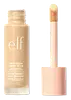
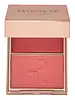
e.l.f. cosmetics Halo Glow Liquid Filter Versus Patrick Ta Major Beauty Headlines - Double-Take Crème & Powder Blush

What's inside
What's inside
 Key Ingredients
Benefits
Concerns
Ingredients Side-by-side
Water
Skin ConditioningHydrogenated Didecene
Skin ConditioningSqualane
Emollient


Propylene Glycol
Humectant

Glycerin
Humectant
Octyldodecanol
Emollient
Cetyl PEG/PPG-10/1 Dimethicone
Emulsifying
Dimethicone
Emollient
Synthetic Fluorphlogopite
Polyglyceryl-4 Isostearate
Emulsifying
Ethylhexyl Hydroxystearate
Emollient
Isoamyl Laurate
Emollient
Hydrogenated Styrene/Isoprene Copolymer
Sodium Chloride
MaskingPhenoxyethanol
Preservative
Caprylic/Capric Triglyceride
Masking
Disteardimonium Hectorite
StabilisingPropylene Carbonate
SolventEthylhexylglycerin
Skin ConditioningCaprylyl Glycol
Emollient
Helianthus Annuus Seed Oil
Emollient
Hydrolyzed Sodium Hyaluronate
Skin Conditioning
Sodium Hyaluronate
Humectant

Disodium EDTA
ChelatingTocopherol
Antioxidant



Polymethylsilsesquioxane
Aluminum Hydroxide
EmollientTriethoxycaprylylsilane
Tin Oxide
Abrasive
Calendula Officinalis Flower Extract
Masking
Pentaerythrityl Tetra-Di-T-Butyl Hydroxyhydrocinnamate
Antioxidant
CI 77891
Cosmetic ColorantCI 77492
Cosmetic ColorantCI 77491
Cosmetic ColorantCI 77499
Cosmetic ColorantCI 77163
Cosmetic Colorant
Water, Hydrogenated Didecene, Squalane, Propylene Glycol, Glycerin, Octyldodecanol, Cetyl PEG/PPG-10/1 Dimethicone, Dimethicone, Synthetic Fluorphlogopite, Polyglyceryl-4 Isostearate, Ethylhexyl Hydroxystearate, Isoamyl Laurate, Hydrogenated Styrene/Isoprene Copolymer, Sodium Chloride, Phenoxyethanol, Caprylic/Capric Triglyceride, Disteardimonium Hectorite, Propylene Carbonate, Ethylhexylglycerin, Caprylyl Glycol, Helianthus Annuus Seed Oil, Hydrolyzed Sodium Hyaluronate, Sodium Hyaluronate, Disodium EDTA, Tocopherol, Polymethylsilsesquioxane, Aluminum Hydroxide, Triethoxycaprylylsilane, Tin Oxide, Calendula Officinalis Flower Extract, Pentaerythrityl Tetra-Di-T-Butyl Hydroxyhydrocinnamate, CI 77891, CI 77492, CI 77491, CI 77499, CI 77163
Synthetic Fluorphlogopite
Mica
Cosmetic ColorantMagnesium Myristate
Octyldodecyl Stearoyl Stearate
Emollient
Silica
Abrasive

Glyceryl Triacetyl Ricinoleate
Emollient
Nylon-12

PEG-12 Dimethicone
Skin Conditioning
Caprylic/Capric Triglyceride
Masking
Tocopheryl Acetate
Antioxidant
Caprylyl Glycol
Emollient
Polyhydroxystearic Acid
Emulsifying
Hexylene Glycol
EmulsifyingHydrogenated Phosphatidylcholine
Emulsifying
Trimyristin
Skin Conditioning
Triethoxycaprylylsilane
Phenoxyethanol
Preservative
Potassium Sorbate
Preservative
Tin Oxide
Abrasive
CI 77891
Cosmetic ColorantCI 15850
Cosmetic ColorantCI 77492
Cosmetic ColorantCI 77163
Cosmetic Colorant
CI 19140
Cosmetic ColorantCI 73360
Cosmetic ColorantCI 45410
Cosmetic ColorantPhenyl Trimethicone
Skin Conditioning
PPG-3 Benzyl Ether Myristate
EmollientEthylhexyl Stearate
Emollient
Dipentaerythrityl Hexahydroxystearate/Hexastearate/Hexarosinate
Skin ConditioningTriisostearyl Citrate
EmollientDiisostearyl Malate
EmollientPolyethylene
Abrasive
Polybutene
Vinyl Dimethicone/Methicone Silsesquioxane Crosspolymer
Disteardimonium Hectorite
StabilisingOctyldodecanol
Emollient
Pentaerythrityl Tetra-Di-T-Butyl Hydroxyhydrocinnamate
Antioxidant
Propylene Carbonate
SolventFarnesol
Perfuming

Linalool
Perfuming
CI 77491
Cosmetic ColorantSynthetic Fluorphlogopite, Mica, Magnesium Myristate, Octyldodecyl Stearoyl Stearate, Silica, Glyceryl Triacetyl Ricinoleate, Nylon-12, PEG-12 Dimethicone, Caprylic/Capric Triglyceride, Tocopheryl Acetate, Caprylyl Glycol, Polyhydroxystearic Acid, Hexylene Glycol, Hydrogenated Phosphatidylcholine, Trimyristin, Triethoxycaprylylsilane, Phenoxyethanol, Potassium Sorbate, Tin Oxide, CI 77891, CI 15850, CI 77492, CI 77163, CI 19140, CI 73360, CI 45410, Phenyl Trimethicone, PPG-3 Benzyl Ether Myristate, Ethylhexyl Stearate, Dipentaerythrityl Hexahydroxystearate/Hexastearate/Hexarosinate, Triisostearyl Citrate, Diisostearyl Malate, Polyethylene, Polybutene, Vinyl Dimethicone/Methicone Silsesquioxane Crosspolymer, Disteardimonium Hectorite, Octyldodecanol, Pentaerythrityl Tetra-Di-T-Butyl Hydroxyhydrocinnamate, Propylene Carbonate, Farnesol, Linalool, CI 77491
Reviews
Ingredients Explained
These ingredients are found in both products.
Ingredients higher up in an ingredient list are typically present in a larger amount.
Caprylic/Capric Triglyceride (aka MCT Oil) is a lightweight emollient, solvent, and texture enhancer. It is considered a skin-softener by helping to prevent moisture loss.
Though it behaves like an oil, it is not technically one due to its chemical composition. One perk of this ingredient is that it is very stable, resistant to oxidation, and unlikely to go rancid.
In practice, that translates to a long shelf life and a consistently elegant skin feel.
While there is an assumption Caprylic Triglyceride can clog pores due to it being derived from coconut oil, there is no research supporting this. Just patch test if you have concerns.
Fractionated coconut oil and MCT Oil are both listed as Caprylic/Capric Triglyceride according to INCI. This is because INCI names are based on the ingredient’s final chemical composition and not its marketing name or source.
This ingredient is treated as the gold standard fungal acne safe oil. Even though it is coconut derived, the problematic lauric acid is stripped out.
This leaves just caprylic (C8) and capric (C10) acid. These chain lengths actually trend antifungal; a 2020 study found caprylic acid was enough to disrupt Malassezia furfur cell membrane, with a caprylic acid derivative damaging membrane structures at concentrations as low as 0.2%.
Learn more about Caprylic/Capric TriglycerideCaprylyl Glycol is a humectant, skin conditioner, emollient, and preservative booster derived from either caprylic acid or synthetically created.
Typical use levels vary from 0.3-1% as a preservative booster and go up to 2% to condition skin.
Because it is not a free-fatty acid, this ingredient is fungal acne safe (there's nothing for Malassezia to feed on).
Learn more about Caprylyl GlycolCI 77163 is the color-index name for Bismuth Oxychloride, a lab-made white powder that acts as a pearl pigment.
It's what gives a lot of pressed powders, eyeshadows, highlighteres, and mineral foundations that soft pearly glow.
Due to its structure as flat, plate-like crystals that stack like tiles, it feels silky and sticks to skin well. This also makes it very chemically stable and insoluble under normal skin conditions (this just means it sits on top of skin rather than going into it).
It has an interesting quirk: it slowly goes gray in sunlight and the graying is partly reversible in the dark.
At this time, there's no legal cap on how much a brand can use. Both the FDA and the EU permit it without restriction so real-world concentration levels come down to formulation:
Allergy risk is low as well since it's insoluble and doesn't release free metal ions into skin. True allergic contact dermatitis to it is rare enough that there's very little published cases.
However, mineral makeup users do report itching or stinging. The leading explanation for this is irritation from those stiff platelet crystals rubbing on skin (also more likely with heavy, high-percentage loose mineral powders) rather than an immune reaction.
This ingredient shows up on a lot of "pore-clogging" lists but there's no real evidence behind that. It doesn't even have a comedogenic rating from an actual study; the numbers you'll find online come from blogs citing other blogs.
Some people still find it breaks them out. So if that's you, definitely trust your skin.
Learn more about CI 77163Ci 77491 is also hydrated iron III oxide. It's sole purpose is to give a red/pink hue to products.
Iron III oxides are classified as inorganic chemicals for coloring.
Synthetically created Ci 77491 is considered safer than those naturally found. This is because the synthetically created version may contain less impurities. Iron oxides are generally non-toxic and non-allergenic.
Learn more about CI 77491CI 77492 is also hydrated iron III oxide. It's sole purpose is to give a yellow hue to products.
Iron III oxides are classified as inorganic chemicals for coloring.
Synthetically created CI 77492 is considered safer than those naturally found. This is because the synthetically created version may contain less impurities. Iron oxides are generally non-toxic and non-allergenic.
Learn more about CI 77492Ci 77891 is a white pigment from Titanium dioxide. It is naturally found in minerals such as rutile and ilmenite.
It's main function is to add a white color to cosmetics. It can also be mixed with other colors to create different shades.
Ci 77891 is commonly found in sunscreens due to its ability to block UV rays.
Learn more about CI 77891Disteardimonium Hectorite comes from the clay mineral named hectorite. It is used to add thickness to a product.
It can also help stabilize a product by helping to disperse other ingredients.
Hectorite is a rare, white clay mineral.
Learn more about Disteardimonium HectoriteOctyldodecanol is a fatty alcohol sourced from plant oils like coconut or palm (or made synthetically).
It is:
You'll likely see this in many BHA products because this is the go-to solvent for salicylic acid.
This ingredient is typically used at levels between 2-20%.
Regarding fungal acne:
In 2019, this ingredient was tested against multiple Malassezia species (the yeast that causes fungal acne) and showed no growth.
Pentaerythrityl Tetra-Di-T-Butyl Hydroxyhydrocinnamate (long name, huh?) is a synthetic antioxidant.
It is used to help stabilize other antioxidants or prevent the color from changing in a product.
As an antioxidant, it helps fight free-radical molecules. Free-radical molecules are capable of damaging our cells and other genetic material. Thus, antioxidants may reduce the signs of aging.
This ingredient is oil-soluble.
Learn more about Pentaerythrityl Tetra-Di-T-Butyl HydroxyhydrocinnamatePhenoxyethanol is one of the most widely used preservatives in skincare (and for good reason!).
It has a large spectrum of antimicrobial activity and especially effective bacteria, yeast, and mold while only having a weak effect on your skin's natural microbiome.
On a cellular level, it disrupts the cell membranes of microbes by poking holes that make the cell leak. This shuts down the chemical reactions the microbe needs to make energy so it can no longer survive.
Another perk of this ingredient is that it stays functional across a wide pH range (3-10).
You'll often see it paired with boosters like Ethylhexylglycerin; one study showed that a 1:9 ratio of Ethylhexylglycerin to Phenoxyethanol damages bacterial membranes as effectively as doubling the Phenoxyethanol concentration on its own.
Typical use concentrations range from 0.3-1% depending on the formula, and this ingredient is capped at 1% int the EU.
Safety-wise, the fear mongering does not hold up to the evidence. The EU's Scientific Committee on Consumer Safety and FDA consider it safe as a preservative at up to 1%, including for children of all ages.
Adverse systemic effects only showed up in animal studies at exposures roughly 200x higher than what people get from cosmetics. And despite its very widespread use, this ingredient is a rare sensitizer and allergic reactions are uncommon.
Learn more about PhenoxyethanolThis ingredient is a solvent. It helps dissolve active ingredients and alter the texture of products.
Propylene Carbonate is commonly used in makeup and with clay, such as montmorillonite or bentonite.
Studies show this ingredient to be safe for cosmetics. When it is undiluted, it can cause skin irritation. (It is always diluted in skincare and makeup). This ingredient is water-soluble.
Propylene Carbonate is created from propylene glycol and carbonic acid.
Learn more about Propylene CarbonateSynthetic Fluorphlogopite is the synthethic version of mica. It consists of fluorine, aluminum and silicate.
Synthetic Fluorphlogopite is used to add volume to products.
It is considered non-irritating on the skin.
Learn more about Synthetic FluorphlogopiteTin Oxide is an inorganic oxide used to add opacity and volume to a product. In nature, it is already found in mineral form. The main ore of tin is an opaque and shiny mineral called casseterite.
Tin Oxide helps remove translucency in a product, or make it more opaque. Besides adding opacity, tin oxide is used for bulking to add volume.
Triethoxycaprylylsilane is a silicon-based surface modifier that makes sunscreens feel silky and makeup stay put.
Its main job is to coat mineral particles like titanium dioxide, zinc oxide, and color pigments in a thin, oily layer so they spread smoothly, don't clump, and stick to skin better.
This ingredient is typically used at low levels (up to 2.5% in eyeshadow and 1% in lipstick).
Learn more about Triethoxycaprylylsilane

