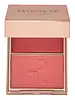
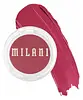
Patrick Ta Major Beauty Headlines - Double-Take Crème & Powder Blush Versus Milani Cheek Kiss Cream Blush

What's inside
What's inside
 Key Ingredients
Benefits
Concerns
Ingredients Side-by-side
Synthetic Fluorphlogopite
Mica
Cosmetic ColorantMagnesium Myristate


Octyldodecyl Stearoyl Stearate
Emollient

Silica
Abrasive


Glyceryl Triacetyl Ricinoleate
Emollient
Nylon-12

PEG-12 Dimethicone
Skin Conditioning
Caprylic/Capric Triglyceride
Masking


Tocopheryl Acetate
Antioxidant


Caprylyl Glycol
Emollient
Polyhydroxystearic Acid
Emulsifying
Hexylene Glycol
EmulsifyingHydrogenated Phosphatidylcholine
Emulsifying
Trimyristin
Skin Conditioning
Triethoxycaprylylsilane
Phenoxyethanol
Preservative
Potassium Sorbate
Preservative
Tin Oxide
Abrasive
CI 77891
Cosmetic ColorantCI 15850
Cosmetic ColorantCI 77492
Cosmetic ColorantCI 77163
Cosmetic Colorant
CI 19140
Cosmetic ColorantCI 73360
Cosmetic ColorantCI 45410
Cosmetic ColorantPhenyl Trimethicone
Skin Conditioning
PPG-3 Benzyl Ether Myristate
EmollientEthylhexyl Stearate
Emollient
Dipentaerythrityl Hexahydroxystearate/Hexastearate/Hexarosinate
Skin ConditioningTriisostearyl Citrate
EmollientDiisostearyl Malate
EmollientPolyethylene
Abrasive
Polybutene
Vinyl Dimethicone/Methicone Silsesquioxane Crosspolymer
Disteardimonium Hectorite
StabilisingOctyldodecanol
Emollient
Pentaerythrityl Tetra-Di-T-Butyl Hydroxyhydrocinnamate
Antioxidant
Propylene Carbonate
SolventFarnesol
Perfuming


Linalool
Perfuming
CI 77491
Cosmetic ColorantSynthetic Fluorphlogopite, Mica, Magnesium Myristate, Octyldodecyl Stearoyl Stearate, Silica, Glyceryl Triacetyl Ricinoleate, Nylon-12, PEG-12 Dimethicone, Caprylic/Capric Triglyceride, Tocopheryl Acetate, Caprylyl Glycol, Polyhydroxystearic Acid, Hexylene Glycol, Hydrogenated Phosphatidylcholine, Trimyristin, Triethoxycaprylylsilane, Phenoxyethanol, Potassium Sorbate, Tin Oxide, CI 77891, CI 15850, CI 77492, CI 77163, CI 19140, CI 73360, CI 45410, Phenyl Trimethicone, PPG-3 Benzyl Ether Myristate, Ethylhexyl Stearate, Dipentaerythrityl Hexahydroxystearate/Hexastearate/Hexarosinate, Triisostearyl Citrate, Diisostearyl Malate, Polyethylene, Polybutene, Vinyl Dimethicone/Methicone Silsesquioxane Crosspolymer, Disteardimonium Hectorite, Octyldodecanol, Pentaerythrityl Tetra-Di-T-Butyl Hydroxyhydrocinnamate, Propylene Carbonate, Farnesol, Linalool, CI 77491
Triethylhexanoin
MaskingOctyldodecanol
Emollient
Silica
Abrasive
Bis-Diglyceryl Polyacyladipate-2
Emollient
Caprylic/Capric Triglyceride
Masking
Synthetic Wax
Abrasive
Synthetic Beeswax
Emulsion Stabilising
Polyethylene
Abrasive
Triethoxycaprylylsilane
Sorbitan Sesquioleate
Emulsifying
Stearalkonium Hectorite
Gel FormingPropylene Carbonate
SolventEthylene/Propylene Copolymer
Abrasive
1,2-Hexanediol
Skin Conditioning
Tocopheryl Acetate
Antioxidant
Caprylyl Glycol
Emollient
Ethylhexylglycerin
Skin ConditioningDimethicone
Emollient
Punica Granatum Seed Oil
Emollient

Citrullus Lanatus Seed Oil
Emollient
Rosa Damascena Flower Oil
Masking
CI 77891
Cosmetic ColorantCI 15850
Cosmetic ColorantCI 19140
Cosmetic ColorantCI 77491
Cosmetic ColorantTriethylhexanoin, Octyldodecanol, Silica, Bis-Diglyceryl Polyacyladipate-2, Caprylic/Capric Triglyceride, Synthetic Wax, Synthetic Beeswax, Polyethylene, Triethoxycaprylylsilane, Sorbitan Sesquioleate, Stearalkonium Hectorite, Propylene Carbonate, Ethylene/Propylene Copolymer, 1,2-Hexanediol, Tocopheryl Acetate, Caprylyl Glycol, Ethylhexylglycerin, Dimethicone, Punica Granatum Seed Oil, Citrullus Lanatus Seed Oil, Rosa Damascena Flower Oil, CI 77891, CI 15850, CI 19140, CI 77491
Reviews
Ingredients Explained
These ingredients are found in both products.
Ingredients higher up in an ingredient list are typically present in a larger amount.
Caprylic/Capric Triglyceride (aka MCT Oil) is a lightweight emollient, solvent, and texture enhancer. It is considered a skin-softener by helping to prevent moisture loss.
Though it behaves like an oil, it is not technically one due to its chemical composition. One perk of this ingredient is that it is very stable, resistant to oxidation, and unlikely to go rancid.
In practice, that translates to a long shelf life and a consistently elegant skin feel.
While there is an assumption Caprylic Triglyceride can clog pores due to it being derived from coconut oil, there is no research supporting this. Just patch test if you have concerns.
Fractionated coconut oil and MCT Oil are both listed as Caprylic/Capric Triglyceride according to INCI. This is because INCI names are based on the ingredient’s final chemical composition and not its marketing name or source.
This ingredient is treated as the gold standard fungal acne safe oil. Even though it is coconut derived, the problematic lauric acid is stripped out.
This leaves just caprylic (C8) and capric (C10) acid. These chain lengths actually trend antifungal; a 2020 study found caprylic acid was enough to disrupt Malassezia furfur cell membrane, with a caprylic acid derivative damaging membrane structures at concentrations as low as 0.2%.
Learn more about Caprylic/Capric TriglycerideCaprylyl Glycol is a humectant, skin conditioner, emollient, and preservative booster derived from either caprylic acid or synthetically created.
Typical use levels vary from 0.3-1% as a preservative booster and go up to 2% to condition skin.
Because it is not a free-fatty acid, this ingredient is fungal acne safe (there's nothing for Malassezia to feed on).
Learn more about Caprylyl GlycolCi 15850 is the pigment color red. It is an azo dye and created synthetically.
Azo dyes need to be thoroughly purified before use. This allows them to be more stable and longer-lasting.
This ingredient is common in foundations, lipsticks, and blushes. This color is described as brown/orangey red.
It has many secondary names such as Red 6 and Red 7. According to a manufacturer, Red 6 usually contains aluminum.
Learn more about CI 15850CI 19140 is also known as Tartrazine. Tartrazine is a synthetic dye used in cosmetics, foods, and medicine to add a yellow color.
Tartrazine is created from petroleum and is water-soluble.
Some people may experience allergies from this dye, especially asthmatics and those with an aspirin intolerance.
Learn more about CI 19140Ci 77491 is also hydrated iron III oxide. It's sole purpose is to give a red/pink hue to products.
Iron III oxides are classified as inorganic chemicals for coloring.
Synthetically created Ci 77491 is considered safer than those naturally found. This is because the synthetically created version may contain less impurities. Iron oxides are generally non-toxic and non-allergenic.
Learn more about CI 77491Ci 77891 is a white pigment from Titanium dioxide. It is naturally found in minerals such as rutile and ilmenite.
It's main function is to add a white color to cosmetics. It can also be mixed with other colors to create different shades.
Ci 77891 is commonly found in sunscreens due to its ability to block UV rays.
Learn more about CI 77891Octyldodecanol is a fatty alcohol sourced from plant oils like coconut or palm (or made synthetically).
It is:
You'll likely see this in many BHA products because this is the go-to solvent for salicylic acid.
This ingredient is typically used at levels between 2-20%.
Regarding fungal acne:
In 2019, this ingredient was tested against multiple Malassezia species (the yeast that causes fungal acne) and showed no growth.
Polyethylene is a synthetic ingredient that helps the skin retain moisture. It is a polymer.
It is also typically used within product formulations to help bind solid ingredients together and thicken oil-based ingredients. When added to balms and emulsions, it helps increase the melting point temperature.
This ingredient is a solvent. It helps dissolve active ingredients and alter the texture of products.
Propylene Carbonate is commonly used in makeup and with clay, such as montmorillonite or bentonite.
Studies show this ingredient to be safe for cosmetics. When it is undiluted, it can cause skin irritation. (It is always diluted in skincare and makeup). This ingredient is water-soluble.
Propylene Carbonate is created from propylene glycol and carbonic acid.
Learn more about Propylene CarbonateSilica, also known as silicon dioxide, is a naturally occurring mineral. It is used as a fine, spherical, and porous powder in cosmetics.
Though it has exfoliant properties, the function of silica varies depending on the product.
The unique structure of silica enhances the spreadability and adds smoothness, making it a great texture enhancer.
It is also used as an active carrier, emulsifier, and mattifier due to its ability to absorb excess oil.
In some products, tiny microneedles called spicules are made from silica or hydrolyzed sponge. When you rub them in, they lightly polish away dead skin layers and enhance the penetration of active ingredients.
Learn more about SilicaTocopheryl Acetate is a stable, shelf-friendly form of vitamin E.
Formulators love it because plain vitamin E oxidizes quickly once it hits air. This acetate version stays stable and resists going off, helping to extend a product's shelf life.
It's actually inactive on its own and works like a slow-release "storage" form; the enzymes in your skin called esterases gradually convert it into active vitamin E over time.
One in vivo study showed 5% of the acetate in the living layer of the epidermis converted to vitamin E after 5 days of application. This study also found the skin gained protection against UV damage even though the conversion was slow and small.
Once converted, vitamin E acts as a skin's main fat-soluble antioxidant that fights free radicals to protect skin from damage.
Topical vitamin E generally boosts the skin's photoprotection, and it reduced UV-damage in animal models.
This ingredient has some brightening potential but it's more of a prevention ingredient than spot-fader. Cell studies show it can slow down melanin production but it's worth noting that it's not the most powerful brightener out there.
Overall, it has a pretty solid safety profile and has been found to be non-irritating and non-comedogenic. Allergic reactions may happen but stay rare due to how widely the ingredient gets used.
The concentration will vary depending on the formula; industry data shows 0.1% in baby lotions, 3% in lipsticks, and 5% in foot powders. You can also find this ingredient at 100% in a pure vitamin E oil.
Most leave-on skincare keeps it at the lower end, often between 0.5-1%.
Learn more about Tocopheryl AcetateTriethoxycaprylylsilane is a silicon-based surface modifier that makes sunscreens feel silky and makeup stay put.
Its main job is to coat mineral particles like titanium dioxide, zinc oxide, and color pigments in a thin, oily layer so they spread smoothly, don't clump, and stick to skin better.
This ingredient is typically used at low levels (up to 2.5% in eyeshadow and 1% in lipstick).
Learn more about Triethoxycaprylylsilane

