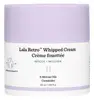
This barrier-repair moisturizer is formulated around Camellia Sinensis Seed Oil and Ceramide NP to strengthen the skin barrier and hydrate skin.
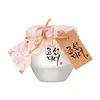
This barrier-repair moisturizer is formulated around Niacinamide and Adenosine to strengthen the skin barrier and hydrate skin.


What's inside
What's inside
 Key Ingredients
Benefits
Concerns
Ingredients Side-by-side
Water
Skin ConditioningGlycerin
Humectant


Caprylic/Capric Triglyceride
Masking
Isopropyl Isostearate
Emollient




Camellia Sinensis Seed Oil
Humectant

Glyceryl Stearate Se
Emulsifying
Cetearyl Alcohol
Emollient
Palmitic Acid
Emollient
Stearic Acid
Cleansing
Pentylene Glycol
Skin Conditioning
Plantago Lanceolata Leaf Extract
AntimicrobialAdansonia Digitata Seed Oil
Emollient
Citrullus Lanatus Seed Oil
Emollient
Passiflora Edulis Seed Oil
Emollient
Schinziophyton Rautanenii Kernel Oil
Emollient
Sclerocarya Birrea Seed Oil
Humectant
Polyglyceryl-6 Ximenia Americana Seedate
Emollient
Cholesterol
Emollient
Ceramide AP
Skin Conditioning


Ceramide EOP
Skin Conditioning
Sodium Hyaluronate Crosspolymer
Humectant
Ceramide NP
Skin Conditioning
Phytosphingosine
Skin Conditioning
Ceteareth-20
Cleansing
Trisodium Ethylenediamine Disuccinate
ChelatingTocopherol
Antioxidant



Sodium Lauroyl Lactylate
EmulsifyingSodium Hydroxide
BufferingCitric Acid
Buffering
Carbomer
Emulsion StabilisingXanthan Gum
EmulsifyingCaprylyl Glycol
Emollient
Chlorphenesin
Antimicrobial
Phenoxyethanol
Preservative
Ethylhexylglycerin
Skin ConditioningWater, Glycerin, Caprylic/Capric Triglyceride, Isopropyl Isostearate, Camellia Sinensis Seed Oil, Glyceryl Stearate Se, Cetearyl Alcohol, Palmitic Acid, Stearic Acid, Pentylene Glycol, Plantago Lanceolata Leaf Extract, Adansonia Digitata Seed Oil, Citrullus Lanatus Seed Oil, Passiflora Edulis Seed Oil, Schinziophyton Rautanenii Kernel Oil, Sclerocarya Birrea Seed Oil, Polyglyceryl-6 Ximenia Americana Seedate, Cholesterol, Ceramide AP, Ceramide EOP, Sodium Hyaluronate Crosspolymer, Ceramide NP, Phytosphingosine, Ceteareth-20, Trisodium Ethylenediamine Disuccinate, Tocopherol, Sodium Lauroyl Lactylate, Sodium Hydroxide, Citric Acid, Carbomer, Xanthan Gum, Caprylyl Glycol, Chlorphenesin, Phenoxyethanol, Ethylhexylglycerin
Water
Skin ConditioningGlycerin
Humectant
Butylene Glycol
Humectant
Niacinamide
Smoothing




Dipentaerythrityl Hexa C5-9 Acid Esters
Skin ConditioningSodium Hyaluronate
Humectant
Xanthan Gum
EmulsifyingCyclopentasiloxane
Emollient
Cyclohexasiloxane
Emollient
Polyacrylate-13
Polyisobutene
Polysorbate 20
Emulsifying
Hydrogenated Lecithin
Emulsifying
C14-28 Alkyl Acid
Stearyl Alcohol
Emollient
Behenyl Alcohol
Emollient
Dimethicone/Vinyl Dimethicone Crosspolymer
Skin Conditioning
Dimethicone
Emollient
Adenosine
Skin Conditioning
Glyceryl Stearate Se
Emulsifying
Cetearyl Alcohol
Emollient
Polyglyceryl-3 Methylglucose Distearate
Emulsifying
Cetyl PEG/PPG-10/1 Dimethicone
Emulsifying
Stearic Acid
Cleansing
Tocopheryl Acetate
Antioxidant
Sodium Polyacrylate
Absorbent
Olea Europaea Fruit Oil
Masking
Helianthus Annuus Seed Oil
Emollient
Centella Asiatica Extract
Cleansing
Hippophae Rhamnoides Oil
Emollient
Argania Spinosa Kernel Oil
Emollient
Butyrospermum Parkii Butter
Skin Conditioning
Ceramide NP
Skin Conditioning
Trehalose
Humectant
Calendula Officinalis Flower Extract
Masking
Caprylhydroxamic Acid
Chelating1,2-Hexanediol
Skin Conditioning
Raphanus Sativus Leaf Extract
HumectantOryza Sativa Bran Extract
Skin Conditioning
Cucurbitaceae Extract
Skin ConditioningOrchid Extract
Skin ConditioningHoney Extract
Humectant
Panax Ginseng Root Extract
Emollient
Carthamus Tinctorius Seed Oil
Masking
Phytosphingosine
Skin Conditioning
Ceteareth-20
Cleansing
Glyceryl Citrate/Lactate/Linoleate/Oleate
Emulsifying
Parfum
Masking

Water, Glycerin, Butylene Glycol, Niacinamide, Dipentaerythrityl Hexa C5-9 Acid Esters, Sodium Hyaluronate, Xanthan Gum, Cyclopentasiloxane, Cyclohexasiloxane, Polyacrylate-13, Polyisobutene, Polysorbate 20, Hydrogenated Lecithin, C14-28 Alkyl Acid, Stearyl Alcohol, Behenyl Alcohol, Dimethicone/Vinyl Dimethicone Crosspolymer, Dimethicone, Adenosine, Glyceryl Stearate Se, Cetearyl Alcohol, Polyglyceryl-3 Methylglucose Distearate, Cetyl PEG/PPG-10/1 Dimethicone, Stearic Acid, Tocopheryl Acetate, Sodium Polyacrylate, Olea Europaea Fruit Oil, Helianthus Annuus Seed Oil, Centella Asiatica Extract, Hippophae Rhamnoides Oil, Argania Spinosa Kernel Oil, Butyrospermum Parkii Butter, Ceramide NP, Trehalose, Calendula Officinalis Flower Extract, Caprylhydroxamic Acid, 1,2-Hexanediol, Raphanus Sativus Leaf Extract, Oryza Sativa Bran Extract, Cucurbitaceae Extract, Orchid Extract, Honey Extract, Panax Ginseng Root Extract, Carthamus Tinctorius Seed Oil, Phytosphingosine, Ceteareth-20, Glyceryl Citrate/Lactate/Linoleate/Oleate, Parfum
Reviews
Alternatives
Ingredients Explained
These ingredients are found in both products.
Ingredients higher up in an ingredient list are typically present in a larger amount.
Ceramide NP (formerly known as Ceramide 3) is one of the skin's naturally occurring lipids.
Since ceramides are the major lipid components of the skin, they are crucial for maintaining skin barrier and hydration. Ceramide NP most closely mirrors the dominant kind in human skin amongst ceramide subtypes.
This ceramide works by slotting into gaps within the stratum corneum's lipid matrix to limit trans-epidermal water loss (TEWL) and shield the skin against external irritants.
A study with 312 patients found that using a ceramide-containing routine for 4 weeks reduced the severity of atopic dermatitis by over 61%.
Another clinical study in subjects aged 60 and older found that a ceramide body wash and moisturizer improved skin dryness and itchy skin in 15 days.
Overall, ceramides are considered non-irritating and safety tests have found little to no observable adverse effects from using this ingredient.
Ceramide NP is usually sourced from plants (like soybean or rice bran), or produced synthetically.
Learn more about Ceramide NPCeteareth-20 is an emulsifier and surfactant made by reacting cetearyl alcohol with 20 moles of ethylene oxide.
This gives it both oil and water-loving properties that makes it an effect emulsifier; it's really great at pulling oil droplets into water to create a stable, creamy, and easy-to-spread base.
Typical use ranges from 0.5-30%. Most leave-on products are in the 1-10% zone.
The 20 ethylene oxide units is well above the PEG-10 threshold and therefore not a food source for Malassezia (it's fungal acne safe).
This ingredient has a comedogenic rating of 2 and an irritancy rating of 3. These numbers come from testing the raw ingredient on rabbit ears and doesn't reflect how it will behave in a finished product.
In practice, this ingredient is a well-tolerated ingredient. The ratings reflect cautious lab conditions and not real-world use. Just be sure to patch test any formulas you feel unsure about.
Learn more about Ceteareth-20Cetearyl alcohol is a waxy mixture of two fatty alcohols: cetyl alcohol and stearyl alcohol. It is an emollient and emulsifier.
Despite having "alcohol" in its name, it has nothing to do with drying solvent alcohols; the FDA also allows "alcohol-free" products to contain fatty alcohols like this ingredient.
It plays several roles in a formula:
Typical use levels for this ingredient sit around 1-10% and the Cosmetic Ingredient Review Expert Panel has affirmed safety at concentrations up to 25% in leave-on products.
Multiple assessments have found it to be non-irritating and non-sensitizing to most people.
However, there have been some cases of allergic contact dermatitis in patients with chronically compromised skin barriers.
Cetearyl alcohol has a comedogenic rating of 2 and irritancy rating of 1. Both of these numbers come from the 1989 study that used rabbit ears; a "2" means mildly comedogenic and a "1" means low irritancy.
Here's the catch: rabbit skin is more sensitive than human skin and throws a lot of false positives. A 1996 reappraisal found that ingredients rated 1-2 in the rabbit ear tests are generally safe for humans.
Remember comedogenic ratings are unable to assess the entire formula of a product or how it will react on your skin. Just be sure to patch test if you are unsure about certain ingredients.
This ingredient is not fungal acne safe. Cetearyl alcohol is a fatty alcohol with chain lengths that fall within the range that Malassezia can metabolize.
A 2019 study has also observed Malassezia growth in the presence of this ingredient, confirming it to be not-fungal acne safe.
Learn more about Cetearyl AlcoholGlycerin (or glycerol) is a compound naturally found in your skin. It's a powerhouse humectant that pulls water into the stratum corneum.
Topically, glycerin does several things at once:
Your skin makes glycerin on its own (mostly from sebaceous oil breakdown) and shuttles it to your outermost layer of skin, or your epidermis, via aquaporin-3.
Aquaporin-3 is a transporter that is essential for normal skin hydration, elasticity, and repair. Interestingly, mice lacking in AQP3 have dry and less elastic skin that can be fully corrected with glycerin.
This ingredient is non-irritating, plays well with almost every ingredient, and works across all skin types. Typical use is anywhere between 3-10% but can go up to 79% in some leave-on products.
Just know very high concentrations (>40%) can feel tacky in low humidity.
Glycerin is the name for this ingredient in American English. British English uses Glycerol/Glycerine.
Learn more about GlycerinGlyceryl Stearate SE is a self-emulsifying (SE) form of Glyceryl Stearate. It comes with a small amount of soap (usually potassium or sodium stearate) that gives it the "SE" part.
That soap lets it pull oil and water together on its own which is why it shows up as an emulsifier, thickener, and emollient.
Industry survey data shows this ingredient is used around 1-5% but Glyceryl Stearate goes as high at 17% in a leave-on deodorant.
Safety-wise, it's pretty boring: it's been deemed safe for topical use in 1982 and again most recently in 2021 by the CIR. Human repeat insult patch tests come back non-irritating, non-sensitizing, non-phototoxic, and non-photoallergenic.
This ingredient does carry a comedogenic rating of 3 from the old rabbit-ear assay. Just remember testing finished products in humans showed that formulas built with "comedogenic" ingredients are not necessarily comedogenic themselves. It's worth patch testing if you're breakout prone, and always listen to your skin.
The Malassezia yeast can potentially metabolize the stearic acid in this ingredient, so it may not be fungal acne safe.
Allergy is rare: a 310-patient patch test study of common emulsifiers found this ingredient was not a meaningful reactor. Isolated case reports do exist so a true contact allergy is possible but uncommon.
Learn more about Glyceryl Stearate SePhytosphingosine is a phospholipid naturally found in our skin as a building block for ceramides.. It helps moisturize, soothe, and protect skin.
Phytosphingosine contributes to your skin's natural moisturizing factor (NMF). The NMF is responsible for hydration, a strong barrier, and plasticity. Our NMF decreases with age. Increasing NMF leads to more healthy and hydrated skin.
Studies show products formulated with NMF ingredients help strengthen our skin's barrier. Having a healthy skin barrier reduces irritation and increases hydration. Our skin barrier is responsible for having plump and firm skin. It also helps protect our skin against infection, allergies, and inflammation.
Fun fact: Phytosphingosine is abundant in plants and fungi.
More ingredients that help boost collagen in skin:
Learn more about PhytosphingosineStearic Acid is a fatty acid that is already found in your skin. It's one of the free fatty acids that works alongside ceramides and cholesterols to maintain your barrier.
In cosmetics, it is a multitasker:
Safety-wise, the CIR Expert Panel has concluded it to be safe in cosmetics when formulated to be non-irritating and non-sensitizing.
Free stearic acid is a C18 fatty acid that the Malassezia yeast can substrate, so this ingredient may not be fungal acne safe.
Learn more about Stearic AcidWater. It's the most common cosmetic ingredient of all. You'll usually see it at the top of ingredient lists, meaning that it makes up the largest part of the product.
So why is it so popular? Water most often acts as a solvent - this means that it helps dissolve other ingredients into the formulation.
You'll also recognize water as that liquid we all need to stay alive. If you see this, drink a glass of water. Remember to stay hydrated!
Learn more about WaterXanthan gum is used as a stabilizer and thickener within cosmetic products. It helps give products a sticky, thick feeling - preventing them from being too runny.
On the technical side of things, xanthan gum is a polysaccharide - a combination consisting of multiple sugar molecules bonded together.
Xanthan gum is a pretty common and great ingredient. It is a natural, non-toxic, non-irritating ingredient that is also commonly used in food products.
Learn more about Xanthan Gum

