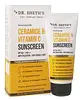
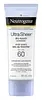
Dr. Sheth's Ceramide And Vitamin C Sunscreen SPF 50 PA+++ Versus Neutrogena Ultra Sheer Dry-Touch Sunscreen SPF60
This hybrid sunscreen covers the full UV range and blocks ~98% of UVB at SPF 50.
This chemical sunscreen covers most of the UV range, lighter on the deep UVA that drives aging.


What's inside
What's inside
 Key Ingredients
Benefits
Concerns
Ingredients Side-by-side
Water
Skin ConditioningPropylene Glycol
Humectant


Terephthalylidene Dicamphor Sulfonic Acid
UV Absorber
Butyl Methoxydibenzoylmethane
UV Absorber
Isododecane
EmollientGlycerin
Humectant

Phenylbenzimidazole Sulfonic Acid
UV Absorber
3-O-Ethyl Ascorbic Acid
Skin Conditioning




Tapioca Starch
Triethanolamine
BufferingCyclopentasiloxane
Emollient
Ethylhexyl Methoxycinnamate
UV Absorber

Caprylic/Capric Triglyceride
Masking
Ammonium Acryloyldimethyltaurate/Vp Copolymer
Terminalia Ferdinandiana Fruit Extract
Antioxidant
Hyaluronic Acid
Humectant

Laminaria Digitata Extract
Skin Protecting
Hydrogenated Lecithin
Emulsifying
Cetyl-Pg Hydroxyethyl Palmitamide
Skin ConditioningCeramide EOP
Skin Conditioning

Ceramide Ng
Skin Conditioning
Ceramide NP
Skin Conditioning
Ceramide As
Skin Conditioning
Ceramide AP
Skin Conditioning
Cholesterol
Emollient
1,2-Hexanediol
Skin Conditioning
Ethylhexyl Salicylate
UV Absorber
Methylene Bis-Benzotriazolyl Tetramethylbutylphenol
UV Filter
Decyl Glucoside
Cleansing
Xanthan Gum
EmulsifyingDicaprylyl Carbonate
EmollientDimethicone
Emollient
Glyceryl Stearate
Emollient
Cetearyl Olivate
Sorbitan Olivate
Emulsifying
Cetearyl Alcohol
Emollient

Ceteareth-20
Cleansing
Phenoxyethanol
Preservative
Ethylhexylglycerin
Skin ConditioningXylitylglucoside
Humectant
Anhydroxylitol
Humectant
Xylitol
Humectant
Panthenol
Skin Conditioning
Sodium Polyacrylate
Absorbent
Capsicum Annuum Fruit Extract
Antimicrobial
Biosaccharide Gum-4
Skin Conditioning
Chamomilla Recutita Extract
Skin Conditioning
Allantoin
Skin Conditioning
Sodium Gluconate
ChelatingBHT
Antioxidant
Zinc Oxide
Cosmetic Colorant
Water, Propylene Glycol, Terephthalylidene Dicamphor Sulfonic Acid, Butyl Methoxydibenzoylmethane, Isododecane, Glycerin, Phenylbenzimidazole Sulfonic Acid, 3-O-Ethyl Ascorbic Acid, Tapioca Starch, Triethanolamine, Cyclopentasiloxane, Ethylhexyl Methoxycinnamate, Caprylic/Capric Triglyceride, Ammonium Acryloyldimethyltaurate/Vp Copolymer, Terminalia Ferdinandiana Fruit Extract, Hyaluronic Acid, Laminaria Digitata Extract, Hydrogenated Lecithin, Cetyl-Pg Hydroxyethyl Palmitamide, Ceramide EOP, Ceramide Ng, Ceramide NP, Ceramide As, Ceramide AP, Cholesterol, 1,2-Hexanediol, Ethylhexyl Salicylate, Methylene Bis-Benzotriazolyl Tetramethylbutylphenol, Decyl Glucoside, Xanthan Gum, Dicaprylyl Carbonate, Dimethicone, Glyceryl Stearate, Cetearyl Olivate, Sorbitan Olivate, Cetearyl Alcohol, Ceteareth-20, Phenoxyethanol, Ethylhexylglycerin, Xylitylglucoside, Anhydroxylitol, Xylitol, Panthenol, Sodium Polyacrylate, Capsicum Annuum Fruit Extract, Biosaccharide Gum-4, Chamomilla Recutita Extract, Allantoin, Sodium Gluconate, BHT, Zinc Oxide
Homosalate 15%
Skin Conditioning
Octocrylene 10%
UV Absorber
Ethylhexyl Salicylate 5%
UV Absorber
Butyl Methoxydibenzoylmethane 3%
UV Absorber
Acrylates/Dimethicone Copolymer
Skin Conditioning
Aluminum Starch Octenylsuccinate
Absorbent
Behenyl Alcohol
Emollient
Benzyl Alcohol
Perfuming



BHT
Antioxidant
Butyloctyl Salicylate
Skin Conditioning
Caprylyl Glycol
Emollient
Caprylyl Methicone
Skin Conditioning
Cera Alba
Emollient
Cetyl Dimethicone
Emollient
Chlorphenesin
Antimicrobial
Dimethicone
Emollient
Dimethicone/PEG-10/15 Crosspolymer
Disodium EDTA
ChelatingEthylhexyl Stearate
Emollient
Ethylhexylglycerin
Skin ConditioningGlyceryl Stearate
Emollient
Hydrolyzed Jojoba Esters
Skin Conditioning
Jojoba Esters
Emollient
Parfum
Masking
PEG-100 Stearate
Surfactant
Potassium Cetyl Phosphate
EmulsifyingSilica
Abrasive
Sodium Polyacrylate
Absorbent
Styrene/Acrylates Copolymer
Tocopheryl Acetate
Antioxidant
Trideceth-6
EmulsifyingWater
Skin ConditioningXanthan Gum
EmulsifyingHomosalate 15%, Octocrylene 10%, Ethylhexyl Salicylate 5%, Butyl Methoxydibenzoylmethane 3%, Acrylates/Dimethicone Copolymer, Aluminum Starch Octenylsuccinate, Behenyl Alcohol, Benzyl Alcohol, BHT, Butyloctyl Salicylate, Caprylyl Glycol, Caprylyl Methicone, Cera Alba, Cetyl Dimethicone, Chlorphenesin, Dimethicone, Dimethicone/PEG-10/15 Crosspolymer, Disodium EDTA, Ethylhexyl Stearate, Ethylhexylglycerin, Glyceryl Stearate, Hydrolyzed Jojoba Esters, Jojoba Esters, Parfum, PEG-100 Stearate, Potassium Cetyl Phosphate, Silica, Sodium Polyacrylate, Styrene/Acrylates Copolymer, Tocopheryl Acetate, Trideceth-6, Water, Xanthan Gum
Reviews
Ingredients Explained
These ingredients are found in both products.
Ingredients higher up in an ingredient list are typically present in a larger amount.
BHT is a synthetic antioxidant and preservative.
As an antioxidant, it helps your body fight off free-radicals. Free-radicals are molecules that may damage your skin cells.
As a preservative, it is used to stabilize products and prevent them from degrading. Specifically, BHT prevents degradation from oxidation.
The concerns related to BHT come from oral studies; this ingredient is currently allowed for use by both the FDA and EU.
However, it was recently restricted for use in the UK as of April 2024.
Learn more about BHTAlso known as Avobenzone, this ingredient is an oil-soluble used to absorb the full spectrum of UVA rays (peak 357 nm).
It's one of the most effective UVA filters available but has a major caveat of photostability: avobenzone is susceptible to photodegradation.
This means it can lose efficacy when exposed to sunlight without the help of a stabilizing agent.
Studies show antioxidants (like vitamin E or vitamin C) and some UV filters (like octocrylene and Tinosorb S) can meaningfully improve its stability in a formulation.
The maximum allowable concentration according to regulation is 3% in the US + Canada, and 5% in the EU, Australia, China, Korea, and ASEAN countries.
It has a well-support safety profile: a comprehensive 2025 review found minimal toxicity with no evidence of carcinogenicity.
Overall, avobenzone is a safe and regulated ingredient used in sunscreen for over 40 years.
Learn more about Butyl MethoxydibenzoylmethaneDimethicone is a type of synthetic silicone created from natural materials such as quartz. It is also known as polydimethylsiloxane.
What it does:
Dimethicone comes in different viscosities:
Depending on the viscosity, dimethicone has different properties.
Ingredients lists don't always show which type is used, so we recommend reaching out to the brand if you have questions about the viscosity.
This ingredient is unlikely to cause irritation because it does not get absorbed into skin. However, people with silicone allergies should be careful about using this ingredient.
Note: Dimethicone may contribute to pilling. This is because it is not oil or water soluble, so pilling may occur when layered with products. When mixed with heavy oils in a formula, the outcome is also quite greasy.
Learn more about DimethiconeEthylhexyl Salicylate (also called Octisalate or Octyl Salicylate) is an oil-soluble organic UV filter that's been used in sunscreen since the 1950's.
It absorbs UVB light in the 280-320 nm range with a peak absorbance around 306 nm.
You'll often see it paired with other UV filters to boost overall SPF because octisalate is a fairly week filter on its own.
The reason you'll see it so often is because it can help solubilize and stabilize the trickier filters like oxybenzone and avobenzone.
Unlike these filters, octisalate has pretty good photostability and doesn't create skin-damaging free radicals when exposed to sunlight.
The fatty-alcohol part of the molecule also gives it a light, emollient feel so it doubles as a nice texture enhancer.
Usage levels vary around the world:
Safety-wise, this ingredient has a pretty reassuring track record. The EU's Scientific Committee on Consumer Products (SCCP) found very low skin penetration in human skin tests and negative results for irritation, phototoxicity, and photoallergy.
The real-world allergy risk is pretty low too; a 2012 European study of 1,031 people recorded only 2 reactions to it (a rate of 0.19%).
You might have seen scary headlines about sunscreen getting into your blood.
In 2019, the FDA found that several chemical filters can absorb through the skin and show up in the bloodstream at small but measurable levels.
Here's the important part: these tiny levels are just a cutoff the FDA uses to decide which ingredients need more testing and doesn't mean anything harmful was found.
The researchers were clear that the results are no reason to stop wearing sunscreen.
Learn more about Ethylhexyl SalicylateEthylhexylglycerin is created from glycerin. It is a multitasker ingredient that:
The CIR Expert Panel found minimal skin absorption or sensitization of any kind in a safety assessment. Though this ingredient is considered well-tolerated, a small number of cases of allergic dermatitis have been published since 2002. Just be sure to patch test if you are unsure.
Industry-reported use ranges from 8% in rinse-off products and 2% in leave-on formulations.
Learn more about EthylhexylglycerinGlyceryl Stearate is made by reacting glycerin with stearic acid (typically sourced from plant oils like palm or coconut). It's an emulsifier, emollient, and mild occlusive.
Emulsifiers help ingredients like oil and water stay mixed so your formula stays nicely blended and uniform in texture.
This ingredient is typically used in concentrations between 1-10%. Studies have found it to be non-sensitizing, non-phototoxic, and non-photoallergenic.
A close cousin of this ingredient is Glyceryl Stearate SE ("self-emulsifying"). This just has a small amount of sodium or potassium stearate added so it can emulsify without a co-emulsifier.
Since this ingredient is an ester of a C18 fatty acid, it may not be fungal acne safe. The Malassezia yeast can potentially metabolize within the C11-C24 range.
Fun fact: The human body also creates Glyceryl Stearate naturally.
Learn more about Glyceryl StearateSodium Polyacrylate is the sodium salt of polyacrylic acid. It is used as an absorber, emollient, and stabilizer.
This ingredient is a super-absorbent polymer - meaning it can absorb 100 to 1000 times its mass in water. As an emollient, Sodium Polyacrylate helps soften and soothe skin. Emollients work by creating a barrier to trap moisture in. This helps keep your skin hydrated.
Water. It's the most common cosmetic ingredient of all. You'll usually see it at the top of ingredient lists, meaning that it makes up the largest part of the product.
So why is it so popular? Water most often acts as a solvent - this means that it helps dissolve other ingredients into the formulation.
You'll also recognize water as that liquid we all need to stay alive. If you see this, drink a glass of water. Remember to stay hydrated!
Learn more about WaterXanthan gum is used as a stabilizer and thickener within cosmetic products. It helps give products a sticky, thick feeling - preventing them from being too runny.
On the technical side of things, xanthan gum is a polysaccharide - a combination consisting of multiple sugar molecules bonded together.
Xanthan gum is a pretty common and great ingredient. It is a natural, non-toxic, non-irritating ingredient that is also commonly used in food products.
Learn more about Xanthan Gum

