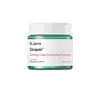
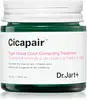
Dr. Jart+ Cicapair™ Soothing Color Correcting Treatment SPF 30 With Centella Asiatica Extracts Versus Dr. Jart+ Cicapair Tiger Grass Color Correcting Treatment
This sunscreen offers SPF 30 protection with a matte finish that helps control shine.

What's inside
What's inside
 Key Ingredients
Benefits
Concerns
Ingredients Side-by-side
Water
Skin ConditioningIsononyl Isononanoate
EmollientC12-15 Alkyl Benzoate
AntimicrobialGlycerin
Humectant


Butyloctyl Salicylate
Skin Conditioning

Lauryl PEG-10 Tris(Trimethylsiloxy)Silylethyl Dimethicone
Emulsifying
Lauryl Polyglyceryl-3 Polydimethylsiloxyethyl Dimethicone
Skin Conditioning
Caprylic/Capric Triglyceride
Masking
Triheptanoin
Skin ConditioningSynthetic Fluorphlogopite
Disteardimonium Hectorite
StabilisingMagnesium Sulfate
Pentylene Glycol
Skin Conditioning
Centella Asiatica Leaf Extract
Skin Conditioning


Niacinamide
Smoothing






Allantoin
Skin Conditioning
Glyceryl Caprylate
EmollientAsiaticoside
Antioxidant
Madecassic Acid
Skin Conditioning
Asiatic Acid
Skin Conditioning
Palmitoyl Tripeptide-8
Skin Conditioning
Caprylyl Glycol
Emollient
Butylene Glycol
Humectant
Polyglyceryl-4 Oleate
Emulsifying

Sodium Stearoyl Glutamate
CleansingTocopherol
Antioxidant
Dimethicone
Emollient
Zea Mays Starch
Absorbent
Silica Dimethyl Silylate
EmollientAluminum Hydroxide
EmollientHydrogenated Lecithin
Emulsifying
Stearic Acid
Cleansing
Sodium Surfactin
CleansingIsopentyldiol
Humectant
Propanediol
Solvent
Zein
Skin ConditioningDextran
Triethoxycaprylylsilane
CI 77492
Cosmetic ColorantCI 77891
Cosmetic ColorantCI 77288
Cosmetic ColorantCI 77491
Cosmetic ColorantWater, Isononyl Isononanoate, C12-15 Alkyl Benzoate, Glycerin, Butyloctyl Salicylate, Lauryl PEG-10 Tris(Trimethylsiloxy)Silylethyl Dimethicone, Lauryl Polyglyceryl-3 Polydimethylsiloxyethyl Dimethicone, Caprylic/Capric Triglyceride, Triheptanoin, Synthetic Fluorphlogopite, Disteardimonium Hectorite, Magnesium Sulfate, Pentylene Glycol, Centella Asiatica Leaf Extract, Niacinamide, Allantoin, Glyceryl Caprylate, Asiaticoside, Madecassic Acid, Asiatic Acid, Palmitoyl Tripeptide-8, Caprylyl Glycol, Butylene Glycol, Polyglyceryl-4 Oleate, Sodium Stearoyl Glutamate, Tocopherol, Dimethicone, Zea Mays Starch, Silica Dimethyl Silylate, Aluminum Hydroxide, Hydrogenated Lecithin, Stearic Acid, Sodium Surfactin, Isopentyldiol, Propanediol, Zein, Dextran, Triethoxycaprylylsilane, CI 77492, CI 77891, CI 77288, CI 77491
Water
Skin ConditioningCyclopentasiloxane
Emollient
CI 77891
Cosmetic ColorantDimethicone
Emollient
Caprylyl Methicone
Skin Conditioning
Ethylhexyl Palmitate
Emollient

Glycerin
Humectant
Lauryl PEG-8 Dimethicone
Surfactant
Octyldodecanol
Emollient
Phenyl Trimethicone
Skin Conditioning
Triethylhexanoin
MaskingButylene Glycol
Humectant
Centella Asiatica Extract
Cleansing
Niacinamide
Smoothing
Tridecyl Trimellitate
EmollientTrimethylsiloxysilicate
Emollient
Disteardimonium Hectorite
Stabilising1,2-Hexanediol
Skin Conditioning
Dimethicone/Vinyl Dimethicone Crosspolymer
Skin Conditioning
PEG-10 Dimethicone
Skin Conditioning
Phytosteryl/Isostearyl/Cetyl/Stearyl/Behenyl Dimer Dilinoleate
Skin Conditioning
Vinyl Dimethicone/Methicone Silsesquioxane Crosspolymer
CI 77491
Cosmetic ColorantGlyceryl Tribehenate/Isostearate/Eicosandioate
Emollient
Magnesium Sulfate
CI 77492
Cosmetic ColorantHydrogenated Coco-Glycerides
Emollient
Stearic Acid
Cleansing
Alumina
Abrasive
Panthenol
Skin Conditioning
Ceresin
Emulsion StabilisingCI 77499
Cosmetic ColorantEthylcellulose
Caprylyl Glycol
Emollient
Synthetic Fluorphlogopite
CI 77288
Cosmetic ColorantPolyvinyl Alcohol
Ethylhexylglycerin
Skin ConditioningMadecassoside
Antioxidant
Adenosine
Skin Conditioning
Trisodium Ethylenediamine Disuccinate
Triethoxycaprylylsilane
Eryngium Maritimum Callus Culture Filtrate
Skin ConditioningGlycine Soja Peptide
Skin Conditioning
Streptococcus Thermophilus Ferment
Humectant
Aluminum Hydroxide
EmollientAsiaticoside
Antioxidant
Houttuynia Cordata Extract
Skin Conditioning
Ilex Aquifolium Leaf Extract
Skin ConditioningCentella Asiatica Leaf Extract
Skin Conditioning
Achillea Millefolium Oil
Cleansing



Hedera Helix Extract
AntimicrobialTocopherol
Antioxidant
Silica
Abrasive
Calcium Chloride
AstringentAsiatic Acid
Skin Conditioning
Madecassic Acid
Skin Conditioning
Water, Cyclopentasiloxane, CI 77891, Dimethicone, Caprylyl Methicone, Ethylhexyl Palmitate, Glycerin, Lauryl PEG-8 Dimethicone, Octyldodecanol, Phenyl Trimethicone, Triethylhexanoin, Butylene Glycol, Centella Asiatica Extract, Niacinamide, Tridecyl Trimellitate, Trimethylsiloxysilicate, Disteardimonium Hectorite, 1,2-Hexanediol, Dimethicone/Vinyl Dimethicone Crosspolymer, PEG-10 Dimethicone, Phytosteryl/Isostearyl/Cetyl/Stearyl/Behenyl Dimer Dilinoleate, Vinyl Dimethicone/Methicone Silsesquioxane Crosspolymer, CI 77491, Glyceryl Tribehenate/Isostearate/Eicosandioate, Magnesium Sulfate, CI 77492, Hydrogenated Coco-Glycerides, Stearic Acid, Alumina, Panthenol, Ceresin, CI 77499, Ethylcellulose, Caprylyl Glycol, Synthetic Fluorphlogopite, CI 77288, Polyvinyl Alcohol, Ethylhexylglycerin, Madecassoside, Adenosine, Trisodium Ethylenediamine Disuccinate, Triethoxycaprylylsilane, Eryngium Maritimum Callus Culture Filtrate, Glycine Soja Peptide, Streptococcus Thermophilus Ferment, Aluminum Hydroxide, Asiaticoside, Houttuynia Cordata Extract, Ilex Aquifolium Leaf Extract, Centella Asiatica Leaf Extract, Achillea Millefolium Oil, Hedera Helix Extract, Tocopherol, Silica, Calcium Chloride, Asiatic Acid, Madecassic Acid
Reviews
Ingredients Explained
These ingredients are found in both products.
Ingredients higher up in an ingredient list are typically present in a larger amount.
Aluminum Hydroxide is a form of aluminum. It can be naturally found in nature as the mineral gibbsite. In cosmetics, Aluminum Hydroxide is used as a colorant, pH adjuster, and absorbent.
As a colorant, Aluminum Hydroxide may add opacity, or reduce the transparency. Aluminum hydroxide is contains both basic and acidic properties.
According to manufacturers, this ingredient is an emollient and humectant. This means it helps hydrate the skin.
In medicine, this ingredient is used to help relieve heartburn and help heal ulcers.
There is currently no credible scientific evidence linking aluminum hydroxide in cosmetics to increased cancer risk.
Major health organizations allow the use of aluminum hydroxide in personal care products and have not flagged it as a carcinogenic risk at typical usage levels.
Learn more about Aluminum HydroxideAsiatic Acid is one of the four main actives found in Centella Asiatica. Its headline job is stimulating collagen.
Lab tests on human skin cells show Asiatic Acid tells your skin to make more collagen, the protein that keeps skin firm and bouncy.
It also calms inflammation and acts as an antioxidant so it can help skin heal faster, rebuild itself, and repair a damaged barrier.
And on naming, even though "acid" is in the name, it's nothing like an AHA or BHA exfoliant. It's a gentle firming and soothing ingredient that supports your skin barrier.
Concentration-wise, Asiatic Acid is potent at very low doses and usually shows up as a small fraction of a broader centella extract.
Analyses of centella material put Asiatic Acid reported in the range of 0.2-3% of the extract.
This ingredient is non-sensitizing and guinea pig sensitization testing also found it to be a weak sensitizer. That means the risk of acquiring contact sensitivty is quite low.
Allergic contact dermatitis does exist but is also very rare; documented cases tend to involve prolonged use on broken skin plus co-sensitization to fragrance ingredients.
Learn more about Asiatic AcidAsiaticoside comes from the super popular skin-soothing ingredient, Centella asiatica. It's the reason centella-based products have a strong reputation for repairing and calming skin, along with its sibling compound Madecassoside.
Research from 2016-2025 supports its role in:
You'll usually find this in concentrations between 0.2-5%.
Learn more about AsiaticosideButylene Glycol (or BG) is used within cosmetic products for a few different reasons:
Overall, Butylene Glycol is a safe and well-rounded ingredient that works well with other ingredients.
Though this ingredient works well with most skin types, some people with sensitive skin may experience a reaction such as allergic rashes, closed comedones, or itchiness.
Learn more about Butylene GlycolCaprylyl Glycol is a humectant, skin conditioner, emollient, and preservative booster derived from either caprylic acid or synthetically created.
Typical use levels vary from 0.3-1% as a preservative booster and go up to 2% to condition skin.
Because it is not a free-fatty acid, this ingredient is fungal acne safe (there's nothing for Malassezia to feed on).
Learn more about Caprylyl GlycolCentella Asiatica Leaf Extract comes from the leaves of an herb plant native to Southeast Asia. Centella Asiatica is rich in antioxidants and amino acids. It can help reduce irritation and soothe the skin.
Many active components found in centella asiatica, such as Madecassic Acid and Asiaticoside, encourage the skin to naturally produce hyaluronic acid. This helps keep our skin hydrated. Many of these components also show antioxidant activity and may help reduce the signs of aging.
Research shows centella asiatica can help increase Type I collagen production by increasing fibroblast production. Fibroblast helps form connective tissue.
The combination of all these properties makes centella asiatica leaf extract effective at soothing the skin.
Other components of centella asiatica leaf extract include Vitamin A, vitamin C, several B vitamins, and Asiatic Acid.
Recent studies found madecassoside may help prevent damage from UV rays by preventing UV-induced inflammation. Further research is needed.
This plant has been used as a medicine and in food for many centuries. As a medicine, it is used to treat burns, scratches, and wounds.
Learn more about Centella Asiatica Leaf ExtractCi 77288 is used to add green pigment to products.
Ci 77491 is also hydrated iron III oxide. It's sole purpose is to give a red/pink hue to products.
Iron III oxides are classified as inorganic chemicals for coloring.
Synthetically created Ci 77491 is considered safer than those naturally found. This is because the synthetically created version may contain less impurities. Iron oxides are generally non-toxic and non-allergenic.
Learn more about CI 77491CI 77492 is also hydrated iron III oxide. It's sole purpose is to give a yellow hue to products.
Iron III oxides are classified as inorganic chemicals for coloring.
Synthetically created CI 77492 is considered safer than those naturally found. This is because the synthetically created version may contain less impurities. Iron oxides are generally non-toxic and non-allergenic.
Learn more about CI 77492Ci 77891 is a white pigment from Titanium dioxide. It is naturally found in minerals such as rutile and ilmenite.
It's main function is to add a white color to cosmetics. It can also be mixed with other colors to create different shades.
Ci 77891 is commonly found in sunscreens due to its ability to block UV rays.
Learn more about CI 77891Dimethicone is a type of synthetic silicone created from natural materials such as quartz. It is also known as polydimethylsiloxane.
What it does:
Dimethicone comes in different viscosities:
Depending on the viscosity, dimethicone has different properties.
Ingredients lists don't always show which type is used, so we recommend reaching out to the brand if you have questions about the viscosity.
This ingredient is unlikely to cause irritation because it does not get absorbed into skin. However, people with silicone allergies should be careful about using this ingredient.
Note: Dimethicone may contribute to pilling. This is because it is not oil or water soluble, so pilling may occur when layered with products. When mixed with heavy oils in a formula, the outcome is also quite greasy.
Learn more about DimethiconeDisteardimonium Hectorite comes from the clay mineral named hectorite. It is used to add thickness to a product.
It can also help stabilize a product by helping to disperse other ingredients.
Hectorite is a rare, white clay mineral.
Learn more about Disteardimonium HectoriteGlycerin (or glycerol) is a compound naturally found in your skin. It's a powerhouse humectant that pulls water into the stratum corneum.
Topically, glycerin does several things at once:
Your skin makes glycerin on its own (mostly from sebaceous oil breakdown) and shuttles it to your outermost layer of skin, or your epidermis, via aquaporin-3.
Aquaporin-3 is a transporter that is essential for normal skin hydration, elasticity, and repair. Interestingly, mice lacking in AQP3 have dry and less elastic skin that can be fully corrected with glycerin.
This ingredient is non-irritating, plays well with almost every ingredient, and works across all skin types. Typical use is anywhere between 3-10% but can go up to 79% in some leave-on products.
Just know very high concentrations (>40%) can feel tacky in low humidity.
Glycerin is the name for this ingredient in American English. British English uses Glycerol/Glycerine.
Learn more about GlycerinMadecassic Acid is one of the four star actives in Centella Asiatica. In skincare, it earns its keep as a calming and repairing ingredient.
It works through the same core pathways as the rest of the centella family.
First, it turns down inflammation so it helps with things like redness and general upset skin.
Second, it acts as an antioxidant which means it helps protect skin from daily stress and damage.
And third, it nudges the skin to make more collagen and rebuild its support structure.
That combination is why the whole Centella family is known for calming skin, strengthening the barrier, fading redness, and giving anti-aging benefits.
It's worth being honest about the evidence here; a lot of the strongest data is on the full extract or a Madecassoside/Asiaticoside rather than Madecassic Acid alone. Reviewers also note more long-term clinical trials are needed to confirm the full potential.
Concentration-wise, this ingredient is rarely used pure and usually shows up as part of a standardized centella extract where reported content ranges from 0.02-3.06%.
Finished products typically run somewhere in the 0.1-10% range depending on the format.
In real-world tolerance tests, a repeat-insult patch test on an eye lotion with 0.2% Centella extract showed no irritation or allergic contact dermatitis in 54 subjects. And a mascara with 0.5% Madecassoside caused neither irritation nor sensitization in 109 subjects.
Allergy risk is very low, but not zero. Centella and its constituents are classified as weak contact sensitizers and some rare cases of allergic contact dermatitis exist.
Learn more about Madecassic AcidMagnesium Sulfate is a salt. More specifically, it is an epsom salt, or the bath salt used to help relieve muscle aches.
Despite having ‘sulfate’ in the name, it isn’t a surfactant or cleansing agent like sodium lauryl sulfate. Unlike those sulfates, magnesium sulfate doesn’t have the same cleansing or foaming properties (it's simply a type of salt).
In cosmetics, Magnesium Sulfate is used to thicken a product or help dilute other solids. It is a non-reactive and non-irritating ingredient.
One study shows magnesium deficiency may lead to inflammation of the skin. Applying magnesium topically may help reduce inflammation.
You can find this ingredient in sea water or mineral deposits.
Learn more about Magnesium SulfateNiacinamide is a multitasking form of vitamin B3 that strengthens the skin barrier, reduces pores and dark spots, regulates oil, and improves signs of aging.
And the best part? It's gentle and well-tolerated by most skin types, including sensitive and reactive skin.
You might have heard of "niacin flush", or the reddening of skin that causes itchiness. Niacinamide has not been found to cause this.
In very rare cases, some individuals may not be able to tolerate niacinamide at all or experience an allergic reaction to it.
If you are experiencing flaking, irritation, and dryness with this ingredient, be sure to double check all your products as this ingredient can be found in all categories of skincare.
When incorporating niacinamide into your routine, look out for concentration amounts. Typically, 5% niacinamide provides benefits such as fading dark spots. However, if you have sensitive skin, it is better to begin with a smaller concentration.
When you apply niacinamide to your skin, your body converts it into nicotinamide adenine dinucleotide (NAD). NAD is an essential coenzyme that is already found in your cells as "fuel" and powers countless biological processes.
In your skin, NAD helps repair cell damage, produce new healthy cells, support collagen production, strengthen the skin barrier, and fight environmental stressors (like UV and pollution).
Our natural NAD levels start to decline with age, leading to slower skin repair, visible aging, and a weaker skin barrier. By providing your skin niacinamide, you're recharging your skin's NAD levels. This leads to stronger, healthier, and younger looking skin.
Another name for vitamin B3 is nicotinamide. This vitamin is water-soluble and our bodies don't store it. We obtain Vitamin B3 from either food or skincare. Meat, fish, wheat, yeast, and leafy greens contain vitamin B3.
The type of niacinamide used in skincare is synthetically created.
Learn more about NiacinamideStearic Acid is a fatty acid that is already found in your skin. It's one of the free fatty acids that works alongside ceramides and cholesterols to maintain your barrier.
In cosmetics, it is a multitasker:
Safety-wise, the CIR Expert Panel has concluded it to be safe in cosmetics when formulated to be non-irritating and non-sensitizing.
Free stearic acid is a C18 fatty acid that the Malassezia yeast can substrate, so this ingredient may not be fungal acne safe.
Learn more about Stearic AcidSynthetic Fluorphlogopite is the synthethic version of mica. It consists of fluorine, aluminum and silicate.
Synthetic Fluorphlogopite is used to add volume to products.
It is considered non-irritating on the skin.
Learn more about Synthetic FluorphlogopiteTocopherol is a fat-soluble antioxidant known as Vitamin E.
You'll find this ingredient in the vast majority of skincare (for good reason). It works to neutralize free radicals, or unstable molecules generated by UV exposure, pollution, and other environmental stressors, before they can cause oxidative damage to your skin cells.
Topically applied tocopherol has been shown to protect against UV damage by ramping up the skin's own natural defense enzymes.
It also acts as a skin conditioning agent; some studies show that regular topical use can improve the skin's water-binding capacity over 2-4 weeks.
This ingredient is especially loved for being a team player. When combined with Vitamin C, the photoprotective effect of both ingredients roughly doubles and the combo also helps reduce UV-induced DNA damage.
This ingredient has some brightening potential but it's more of a prevention ingredient than spot-fader. Cell studies show it can slow down melanin production but it's worth noting that it's not the most powerful brightener out there.
In formulations, it also serves as a stabilizer that helps protect other oxidation-prone ingredients from degrading.
Concentrations usually range from 0.1-1% in most leave-on products.
Learn more about TocopherolTriethoxycaprylylsilane is a silicon-based surface modifier that makes sunscreens feel silky and makeup stay put.
Its main job is to coat mineral particles like titanium dioxide, zinc oxide, and color pigments in a thin, oily layer so they spread smoothly, don't clump, and stick to skin better.
This ingredient is typically used at low levels (up to 2.5% in eyeshadow and 1% in lipstick).
Learn more about TriethoxycaprylylsilaneWater. It's the most common cosmetic ingredient of all. You'll usually see it at the top of ingredient lists, meaning that it makes up the largest part of the product.
So why is it so popular? Water most often acts as a solvent - this means that it helps dissolve other ingredients into the formulation.
You'll also recognize water as that liquid we all need to stay alive. If you see this, drink a glass of water. Remember to stay hydrated!
Learn more about Water

