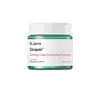
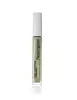
Dr. Jart+ Cicapair™ Soothing Color Correcting Treatment SPF 30 With Centella Asiatica Extracts Versus Neutrogena Clear Coverage Color Correcting Concealer
This sunscreen offers SPF 30 protection with a matte finish that helps control shine.


What's inside
What's inside
 Key Ingredients
Benefits
Concerns
Ingredients Side-by-side
Water
Skin ConditioningIsononyl Isononanoate
EmollientC12-15 Alkyl Benzoate
AntimicrobialGlycerin
Humectant


Butyloctyl Salicylate
Skin Conditioning

Lauryl PEG-10 Tris(Trimethylsiloxy)Silylethyl Dimethicone
Emulsifying
Lauryl Polyglyceryl-3 Polydimethylsiloxyethyl Dimethicone
Skin Conditioning
Caprylic/Capric Triglyceride
Masking
Triheptanoin
Skin ConditioningSynthetic Fluorphlogopite
Disteardimonium Hectorite
StabilisingMagnesium Sulfate
Pentylene Glycol
Skin Conditioning
Centella Asiatica Leaf Extract
Skin Conditioning


Niacinamide
Smoothing






Allantoin
Skin Conditioning
Glyceryl Caprylate
EmollientAsiaticoside
Antioxidant
Madecassic Acid
Skin Conditioning
Asiatic Acid
Skin Conditioning
Palmitoyl Tripeptide-8
Skin Conditioning
Caprylyl Glycol
Emollient
Butylene Glycol
Humectant
Polyglyceryl-4 Oleate
Emulsifying

Sodium Stearoyl Glutamate
CleansingTocopherol
Antioxidant
Dimethicone
Emollient
Zea Mays Starch
Absorbent
Silica Dimethyl Silylate
EmollientAluminum Hydroxide
EmollientHydrogenated Lecithin
Emulsifying
Stearic Acid
Cleansing
Sodium Surfactin
CleansingIsopentyldiol
Humectant
Propanediol
Solvent
Zein
Skin ConditioningDextran
Triethoxycaprylylsilane
CI 77492
Cosmetic ColorantCI 77891
Cosmetic ColorantCI 77288
Cosmetic ColorantCI 77491
Cosmetic ColorantWater, Isononyl Isononanoate, C12-15 Alkyl Benzoate, Glycerin, Butyloctyl Salicylate, Lauryl PEG-10 Tris(Trimethylsiloxy)Silylethyl Dimethicone, Lauryl Polyglyceryl-3 Polydimethylsiloxyethyl Dimethicone, Caprylic/Capric Triglyceride, Triheptanoin, Synthetic Fluorphlogopite, Disteardimonium Hectorite, Magnesium Sulfate, Pentylene Glycol, Centella Asiatica Leaf Extract, Niacinamide, Allantoin, Glyceryl Caprylate, Asiaticoside, Madecassic Acid, Asiatic Acid, Palmitoyl Tripeptide-8, Caprylyl Glycol, Butylene Glycol, Polyglyceryl-4 Oleate, Sodium Stearoyl Glutamate, Tocopherol, Dimethicone, Zea Mays Starch, Silica Dimethyl Silylate, Aluminum Hydroxide, Hydrogenated Lecithin, Stearic Acid, Sodium Surfactin, Isopentyldiol, Propanediol, Zein, Dextran, Triethoxycaprylylsilane, CI 77492, CI 77891, CI 77288, CI 77491
Water
Skin ConditioningIsododecane
EmollientIsononyl Isononanoate
EmollientTrimethylsiloxysilicate
Emollient
Disteardimonium Hectorite
StabilisingTri (Polyglyceryl-3/Lauryl) Hydrogenated Trilinoleate
EmulsifyingButylene Glycol
Humectant
Polyglyceryl-3 Diisostearate
Emulsifying

Polyglyceryl-6 Polyricinoleate
Emulsifying
Silica
Abrasive
Propylene Carbonate
SolventNiacinamide
Smoothing
Dimethicone
Emollient
Mica
Cosmetic ColorantMagnesium Sulfate
Tribehenin
Emollient
Phenoxyethanol
Preservative
Caprylyl Glycol
Emollient
Stearyl Triethoxysilane
Xanthan Gum
EmulsifyingSodium Phytate
Sorbic Acid
Preservative
Pentaerythrityl Tetra-Di-T-Butyl Hydroxyhydrocinnamate
Antioxidant
Titanium Dioxide
Cosmetic Colorant
Iron Oxides
Chromium Oxide Greens
Water, Isododecane, Isononyl Isononanoate, Trimethylsiloxysilicate, Disteardimonium Hectorite, Tri (Polyglyceryl-3/Lauryl) Hydrogenated Trilinoleate, Butylene Glycol, Polyglyceryl-3 Diisostearate, Polyglyceryl-6 Polyricinoleate, Silica, Propylene Carbonate, Niacinamide, Dimethicone, Mica, Magnesium Sulfate, Tribehenin, Phenoxyethanol, Caprylyl Glycol, Stearyl Triethoxysilane, Xanthan Gum, Sodium Phytate, Sorbic Acid, Pentaerythrityl Tetra-Di-T-Butyl Hydroxyhydrocinnamate, Titanium Dioxide, Iron Oxides, Chromium Oxide Greens
Reviews
Ingredients Explained
These ingredients are found in both products.
Ingredients higher up in an ingredient list are typically present in a larger amount.
Butylene Glycol (or BG) is used within cosmetic products for a few different reasons:
Overall, Butylene Glycol is a safe and well-rounded ingredient that works well with other ingredients.
Though this ingredient works well with most skin types, some people with sensitive skin may experience a reaction such as allergic rashes, closed comedones, or itchiness.
Learn more about Butylene GlycolCaprylyl Glycol is a humectant, skin conditioner, emollient, and preservative booster derived from either caprylic acid or synthetically created.
Typical use levels vary from 0.3-1% as a preservative booster and go up to 2% to condition skin.
Because it is not a free-fatty acid, this ingredient is fungal acne safe (there's nothing for Malassezia to feed on).
Learn more about Caprylyl GlycolDimethicone is a type of synthetic silicone created from natural materials such as quartz. It is also known as polydimethylsiloxane.
What it does:
Dimethicone comes in different viscosities:
Depending on the viscosity, dimethicone has different properties.
Ingredients lists don't always show which type is used, so we recommend reaching out to the brand if you have questions about the viscosity.
This ingredient is unlikely to cause irritation because it does not get absorbed into skin. However, people with silicone allergies should be careful about using this ingredient.
Note: Dimethicone may contribute to pilling. This is because it is not oil or water soluble, so pilling may occur when layered with products. When mixed with heavy oils in a formula, the outcome is also quite greasy.
Learn more about DimethiconeDisteardimonium Hectorite comes from the clay mineral named hectorite. It is used to add thickness to a product.
It can also help stabilize a product by helping to disperse other ingredients.
Hectorite is a rare, white clay mineral.
Learn more about Disteardimonium HectoriteIsononyl Isononanoate is a synthetic skin-conditioner and texture enhancer. It is created from nonanoic acid, a fatty acid found in cocoa and lavender oil.
As an emollient, Isononyl Isononanoate helps keep your skin soft and smooth. This is because emollients create a barrier on the skin to trap moisture in.
Isononyl Isononanoate helps give products a velvet feel and improves spreadability.
Learn more about Isononyl IsononanoateMagnesium Sulfate is a salt. More specifically, it is an epsom salt, or the bath salt used to help relieve muscle aches.
Despite having ‘sulfate’ in the name, it isn’t a surfactant or cleansing agent like sodium lauryl sulfate. Unlike those sulfates, magnesium sulfate doesn’t have the same cleansing or foaming properties (it's simply a type of salt).
In cosmetics, Magnesium Sulfate is used to thicken a product or help dilute other solids. It is a non-reactive and non-irritating ingredient.
One study shows magnesium deficiency may lead to inflammation of the skin. Applying magnesium topically may help reduce inflammation.
You can find this ingredient in sea water or mineral deposits.
Learn more about Magnesium SulfateNiacinamide is a multitasking form of vitamin B3 that strengthens the skin barrier, reduces pores and dark spots, regulates oil, and improves signs of aging.
And the best part? It's gentle and well-tolerated by most skin types, including sensitive and reactive skin.
You might have heard of "niacin flush", or the reddening of skin that causes itchiness. Niacinamide has not been found to cause this.
In very rare cases, some individuals may not be able to tolerate niacinamide at all or experience an allergic reaction to it.
If you are experiencing flaking, irritation, and dryness with this ingredient, be sure to double check all your products as this ingredient can be found in all categories of skincare.
When incorporating niacinamide into your routine, look out for concentration amounts. Typically, 5% niacinamide provides benefits such as fading dark spots. However, if you have sensitive skin, it is better to begin with a smaller concentration.
When you apply niacinamide to your skin, your body converts it into nicotinamide adenine dinucleotide (NAD). NAD is an essential coenzyme that is already found in your cells as "fuel" and powers countless biological processes.
In your skin, NAD helps repair cell damage, produce new healthy cells, support collagen production, strengthen the skin barrier, and fight environmental stressors (like UV and pollution).
Our natural NAD levels start to decline with age, leading to slower skin repair, visible aging, and a weaker skin barrier. By providing your skin niacinamide, you're recharging your skin's NAD levels. This leads to stronger, healthier, and younger looking skin.
Another name for vitamin B3 is nicotinamide. This vitamin is water-soluble and our bodies don't store it. We obtain Vitamin B3 from either food or skincare. Meat, fish, wheat, yeast, and leafy greens contain vitamin B3.
The type of niacinamide used in skincare is synthetically created.
Learn more about NiacinamideWater. It's the most common cosmetic ingredient of all. You'll usually see it at the top of ingredient lists, meaning that it makes up the largest part of the product.
So why is it so popular? Water most often acts as a solvent - this means that it helps dissolve other ingredients into the formulation.
You'll also recognize water as that liquid we all need to stay alive. If you see this, drink a glass of water. Remember to stay hydrated!
Learn more about Water

