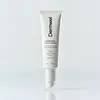
This anti-aging moisturizer is formulated around Superoxide Dismutase and Nicotiana Benthamiana Hexapeptide-40 Sh-Polypeptide-47 to soften the look of wrinkles and hydrate skin.
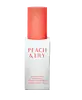
This anti-aging ampoule is formulated around Copper Tripeptide-1 to soften the look of wrinkles and strengthen the skin barrier.


What's inside
What's inside
 Key Ingredients
Benefits
Concerns
Ingredients Side-by-side
Water
Skin ConditioningGlycerin
Humectant


Propanediol
Solvent
Squalane
Emollient
Cetyl Ethylhexanoate
EmollientAmmonium Acryloyldimethyltaurate/Vp Copolymer
Polyester-5
Superoxide Dismutase
Antioxidant


Ubiquinone
Antioxidant
Nicotiana Benthamiana Hexapeptide-40 Sh-Polypeptide-47

Tripeptide-2
Skin Conditioning
Nonapeptide-1
Skin Conditioning
Adenosine
Skin Conditioning
Beta-Glucan
Skin Conditioning
Ribose
HumectantIlex Paraguariensis Leaf Extract
Perfuming
Copper Lysinate/Prolinate
Skin ConditioningTocopheryl Acetate
Antioxidant
Sodium PCA
Humectant
Sodium Lactate
Buffering
PCA
Humectant
Caprylyl Glycol
Emollient
Pentylene Glycol
Skin Conditioning
1,2-Hexanediol
Skin Conditioning
Caprylhydroxamic Acid
ChelatingAllantoin
Skin Conditioning
Glycine
Buffering
Serine
Masking
Alanine
Masking
Valine
MaskingIsoleucine
Skin ConditioningProline
Skin Conditioning
Threonine
Histidine
Humectant
Phenylalanine
Masking
Aspartic Acid
Masking
Arginine
Masking
Acetamidoethoxyethanol
Humectant
Polyglyceryl-3 Methylglucose Distearate
Emulsifying

Glyceryl Stearates
Emollient
Methylglucoside Phosphate
Skin ConditioningXanthan Gum
EmulsifyingHydroxyacetophenone
Antioxidant
Undecane
EmollientTridecane
Perfuming
Tetrasodium Glutamate Diacetate
ChelatingCitric Acid
Buffering
Water, Glycerin, Propanediol, Squalane, Cetyl Ethylhexanoate, Ammonium Acryloyldimethyltaurate/Vp Copolymer, Polyester-5, Superoxide Dismutase, Ubiquinone, Nicotiana Benthamiana Hexapeptide-40 Sh-Polypeptide-47, Tripeptide-2, Nonapeptide-1, Adenosine, Beta-Glucan, Ribose, Ilex Paraguariensis Leaf Extract, Copper Lysinate/Prolinate, Tocopheryl Acetate, Sodium PCA, Sodium Lactate, PCA, Caprylyl Glycol, Pentylene Glycol, 1,2-Hexanediol, Caprylhydroxamic Acid, Allantoin, Glycine, Serine, Alanine, Valine, Isoleucine, Proline, Threonine, Histidine, Phenylalanine, Aspartic Acid, Arginine, Acetamidoethoxyethanol, Polyglyceryl-3 Methylglucose Distearate, Glyceryl Stearates, Methylglucoside Phosphate, Xanthan Gum, Hydroxyacetophenone, Undecane, Tridecane, Tetrasodium Glutamate Diacetate, Citric Acid
Water
Skin ConditioningDicaprylyl Ether
Emollient
Butylene Glycol
Humectant
Coco-Caprylate/Caprate
Emollient
Glycerin
Humectant
Pentaerythrityl Tetraisostearate
Emollient
Dicaprylyl Carbonate
Emollient1,2-Hexanediol
Skin Conditioning
Caprylic/Capric Triglyceride
Masking
Diisostearoyl Polyglyceryl-3 Dimer Dilinoleate
Emollient
Hydrolyzed Rice Protein
Skin ConditioningGlycine Soja Protein
EmulsifyingAcetyl Sh-Hexapeptide-5 Amide Acetate
Skin Conditioning
Centella Asiatica Leaf Extract
Skin Conditioning
Linoleic Acid
Cleansing
Linolenic Acid
Cleansing
Swertia Chirata Extract
HumectantGlycine
Buffering
Serine
Masking
Glutamic Acid
Humectant
Leucine
Skin ConditioningAlanine
Masking
Lysine
Skin ConditioningArginine
Masking
Tyrosine
MaskingHexapeptide-9
Skin Conditioning
Acetyl Tetrapeptide-5
Humectant
Acetyl Tetrapeptide-2
Skin Conditioning
Palmitoyl Pentapeptide-4
Skin Conditioning
Tripeptide-1
Skin Conditioning
Hexapeptide-11
Skin Conditioning
Acetyl Hexapeptide-8
Humectant
Copper Tripeptide-1
Skin Conditioning
Alanine/Histidine/Lysine Polypeptide Copper Hcl
Skin Conditioning
Argania Spinosa Kernel Oil
Emollient

Tripeptide-32
Skin Conditioning
Palmitoyl Tetrapeptide-7
Skin Conditioning
Scutellaria Baicalensis Root Extract
Astringent
Polygonum Multiflorum Root Extract
Skin ConditioningSophora Flavescens Root Extract
Antioxidant
Cimicifuga Racemosa Root Extract
Antimicrobial
Phenylalanine
Masking
Valine
MaskingProline
Skin Conditioning
Threonine
Aspartic Acid
Masking
Isoleucine
Skin ConditioningHistidine
Humectant
Methionine
Skin ConditioningCysteine
Antioxidant
Dextrin Palmitate
Emulsifying
Superoxide Dismutase
Antioxidant
Glycyrrhiza Glabra Root Extract
Bleaching
Angelica Gigas Root Extract
Skin ConditioningAdenosine
Skin Conditioning
Morus Alba Bark Extract
Skin ConditioningPhellinus Linteus Extract
Skin ConditioningDioscorea Opposita Root Extract
Skin ConditioningPaeonia Albiflora Root Extract
Skin ConditioningSesamum Indicum Seed Extract
Skin Conditioning
Sodium Dextran Sulfate
Gel FormingPolyglyceryl-4 Oleate
Emulsifying
Disteardimonium Hectorite
StabilisingPolyglyceryl-6 Oleate
Emulsifying
Polyhydroxystearic Acid
Emulsifying
Propylene Carbonate
SolventCellulose Gum
Emulsion StabilisingPolyglyceryl-10 Laurate
Skin Conditioning
Ethylhexylglycerin
Skin ConditioningTocopherol
Antioxidant
Sodium Phytate
ChelatingCaprylyl Glycol
Emollient
Pentylene Glycol
Skin Conditioning
Sodium Benzoate
Masking
Maltodextrin
Absorbent
Sodium Chloride
MaskingWater, Dicaprylyl Ether, Butylene Glycol, Coco-Caprylate/Caprate, Glycerin, Pentaerythrityl Tetraisostearate, Dicaprylyl Carbonate, 1,2-Hexanediol, Caprylic/Capric Triglyceride, Diisostearoyl Polyglyceryl-3 Dimer Dilinoleate, Hydrolyzed Rice Protein, Glycine Soja Protein, Acetyl Sh-Hexapeptide-5 Amide Acetate, Centella Asiatica Leaf Extract, Linoleic Acid, Linolenic Acid, Swertia Chirata Extract, Glycine, Serine, Glutamic Acid, Leucine, Alanine, Lysine, Arginine, Tyrosine, Hexapeptide-9, Acetyl Tetrapeptide-5, Acetyl Tetrapeptide-2, Palmitoyl Pentapeptide-4, Tripeptide-1, Hexapeptide-11, Acetyl Hexapeptide-8, Copper Tripeptide-1, Alanine/Histidine/Lysine Polypeptide Copper Hcl, Argania Spinosa Kernel Oil, Tripeptide-32, Palmitoyl Tetrapeptide-7, Scutellaria Baicalensis Root Extract, Polygonum Multiflorum Root Extract, Sophora Flavescens Root Extract, Cimicifuga Racemosa Root Extract, Phenylalanine, Valine, Proline, Threonine, Aspartic Acid, Isoleucine, Histidine, Methionine, Cysteine, Dextrin Palmitate, Superoxide Dismutase, Glycyrrhiza Glabra Root Extract, Angelica Gigas Root Extract, Adenosine, Morus Alba Bark Extract, Phellinus Linteus Extract, Dioscorea Opposita Root Extract, Paeonia Albiflora Root Extract, Sesamum Indicum Seed Extract, Sodium Dextran Sulfate, Polyglyceryl-4 Oleate, Disteardimonium Hectorite, Polyglyceryl-6 Oleate, Polyhydroxystearic Acid, Propylene Carbonate, Cellulose Gum, Polyglyceryl-10 Laurate, Ethylhexylglycerin, Tocopherol, Sodium Phytate, Caprylyl Glycol, Pentylene Glycol, Sodium Benzoate, Maltodextrin, Sodium Chloride
Reviews
Ingredients Explained
These ingredients are found in both products.
Ingredients higher up in an ingredient list are typically present in a larger amount.
1,2-Hexanediol is a synthetic liquid and another multi-functional powerhouse.
It is a:
- Humectant, drawing moisture into the skin
- Emollient, helping to soften skin
- Solvent, dispersing and stabilizing formulas
- Preservative booster, enhancing the antimicrobial activity of other preservatives
Adenosine is a purine nucleoside that your body already makes in every cell. In skincare, it acts mainly as a skin conditioning and anti-aging agent.
The way it works is fairly well mapped out:
Your skin has cells called fibroblasts that build collagen (the stuff that keeps skin firm and smooth). Adenosine basically flips a switch on these cells that tells them to get to work making more collagen and other proteins. These cells slow down on their own as skin ages, so Adenosine helps give them a little nudge to keep going.
The clinical backing is pretty solid too.
A blind, randomized, placebo-controlled trial of 126 women aged 45-65 tested a 0.1% cream twice daily and found real improvements in crow's feet and frown lines using a precise 3D skin-mapping technique; these changes showed up by week 3 and held at 2 months.
A later study using Adenosine-loaded dissolving microneedle patches reported gains in wrinkle depth, dermal density, elasticity, and hydration.
On concentrations, South Korea's Ministry of Food and Drug Safety has set 0.04% as the approved functional anti-wrinkle level. You'll typically see this ingredient used somewhere in the 0.04-0.1% range since it works at low doses.
This ingredient has been found safe for cosmetics with the data showing no irritation or sensitization.
Overall, this is a great ingredient for any anti-aging routine and has no photosensitizing effect, so it suits both AM and PM use.
Learn more about AdenosineAlanine is an amino acid and is already found in the human body. Our skin uses alanine to build collagen, elastin, and keratin.
Arginine is a semi-essential amino acid. This just means our bodies can product a bit on its own, but sometimes needs a little boost from food sources.
It is a part of your skin's natural moisturizing factor (NMF), or the water-loving molecules in your outermost layer of skin (stratum corneum) that keeps everything hydrated and happy.
Here's an interesting thing about Arginine: your skin converts it into urea through the Krebs-Henseleit urea cycle. Urea is one of the most effective humectants your skin naturally produces.
A clinical study showed applying 2.5% arginine hydrochloride to atopic dermatitis skin showed significant urea levels in the stratum corneum and improved moisture in just four weeks.
Arginine is also a precursor to nitric oxide; nitric oxide improves microcirculation and supports wound healing and collagen synthesis.
One study found that an amino acid complex containing Arginine reduced skin irritation, improved hydration, and accelerated skin repair in clinical / in-vivo studies.
Arginine itself is an amino acid and not a fatty acid, oil, or ester. On its own, it's not a direct food source for Malassezia, or the yeast that causes fungal acne.
Learn more about ArginineAspartic Acid is an amino acid that our bodies produce naturally. It is an antioxidant.
Our body uses Aspartic Acid to help build collagen and elastin. It also plays a role in hydrating skin.
Caprylyl Glycol is a humectant, skin conditioner, emollient, and preservative booster derived from either caprylic acid or synthetically created.
Typical use levels vary from 0.3-1% as a preservative booster and go up to 2% to condition skin.
Because it is not a free-fatty acid, this ingredient is fungal acne safe (there's nothing for Malassezia to feed on).
Learn more about Caprylyl GlycolGlycerin (or glycerol) is a compound naturally found in your skin. It's a powerhouse humectant that pulls water into the stratum corneum.
Topically, glycerin does several things at once:
Your skin makes glycerin on its own (mostly from sebaceous oil breakdown) and shuttles it to your outermost layer of skin, or your epidermis, via aquaporin-3.
Aquaporin-3 is a transporter that is essential for normal skin hydration, elasticity, and repair. Interestingly, mice lacking in AQP3 have dry and less elastic skin that can be fully corrected with glycerin.
This ingredient is non-irritating, plays well with almost every ingredient, and works across all skin types. Typical use is anywhere between 3-10% but can go up to 79% in some leave-on products.
Just know very high concentrations (>40%) can feel tacky in low humidity.
Glycerin is the name for this ingredient in American English. British English uses Glycerol/Glycerine.
Learn more about GlycerinGlycine is the smallest amino acid and a key building block of collagen. It's part if your skin's Natural Moisturizing Factor (NMF), or the water-loving molecules in your outermost layer of skin (stratum corneum) that keeps everything hydrated and happy.
A study from 2022 found that an amino acid complex featuring taurine, arginine, and glycine significantly reduced skin irritation, improved redness, and accelerated the skin repair process.
Histidine is a semi-essential amino acid used by our bodies to create protein. It has humectant and skin conditioning properties.
Our bodies use histidine to create filaggrin - filaggrin is a structural protein that the skin uses in maintaining skin barrier.
One study found histidine and carnosine to be a dynamic duo for your skin:
Oral histidine has also been found to help with filaggrin-deficit skin disorders such as atopic dermatitis.
Why is it considered a semi-essential amino acid? This is because adults are able to create it but children must get it from their diet.
Learn more about HistidineIsoleucine is an amino acid that helps reinforce our skin barrier. This amino acid plays a role in creating protein for the body.
Fun fact: Isoleucine is found in meat, fish, dairy, legumes, and nuts.
Pentylene Glycol (1,2-pentanediol) is a multitasking little diol with three main roles in a formula:
Research on alkanediols (the family pentylene glycol belongs to) show they work by disrupting microbial cell membranes. This disruption helps the primary preservative system in a product work more effectively at lower doses.
On the safety side, the Cosmetic Ingredient Review Expert Panel has concluded this ingredient to be safe as used in current cosmetic practices + concentrations.
Typical use levels in a formula run about 1-5%.
Learn more about Pentylene GlycolPhenylalanine is an amino acid. It is a skin soothing and hydrating ingredient. Amino acids play a crucial role in wound healing and skin hydration.
This ingredient is also used to help even out skin tone due to its ability to disrupt the melanin production process.
Two structures of phenylalanine exist: L-phenylalanine and D-phenylalanine. L-phenylalanine is essential, this means our bodies cannot produce it naturally and we must get it from foods. Our bodies convert D-phenylalanine to neurotransmitters, and D-phenylalanine is found in our bodies naturally.
Some foods that contain L-phenylalanine include eggs, soybeans, beef, milk.
Learn more about PhenylalanineProline is a non-essential amino acid, meaning your body can make it on its own. In skincare, it is a skin conditioning ingredient that keeps skin soft and hydrated.
It makes up about 23% of the collagen molecule (collagen is the protein responsible for keeping your skin firm) and is involved in your skin's natural hyaluronic acid production. When applied topically, proline can penetrate the skin fairly well due to its small molecular size.
Reviews of this ingredient have found it to be neither a dermal irritant nor a sensitizer.
Fun fact: Proline can be found in protein-rich foods like meat, fish, eggs, and dairy.
Learn more about ProlineSerine is a non-essential amino acid (your body makes it on its own!). It is a major player in your skin's natural moisturizing factor (NMF), or the water-loving molecules in your outermost layer of skin (stratum corneum) that keeps everything hydrated and happy.
Serine is one of your NMF's most abundant components that works as a skin-identical humectant. Its hydroxyl group grabs onto water molecules to boost hydration without any heaviness or occlusion.
Research on a hydrogel with serine confirmed this serine got delivered to your stratum corneum and demonstrated enhanced skin moisturization.
Interestingly serine also helps your skin produce filaggrin, a protein that keeps your skin barrier strong and used to create collagen.
Learn more about SerineSuperoxide Dismutase is found in all living cells. This ingredient is AKA as 'SOD'.
SOD is a strong antioxidant. It protects living cells against oxidative damage by breaking down radical molecules into regular oxygen and hydrogen peroxide.
Antioxidants help fight free-radical molecules that may damage your skin's DNA. This may help with the signs of aging. Due to its antioxidant property, it is used to help treat chronic inflammation.
In cosmetics, SOD is usually obtained from marine phytoplankton, bovine liver, horseradish, cantaloupe, and certain bacteria.
The three major families of SOD include: Copper/Zinc, Iron/Manganese, and Nickel.
When eating SOD-rich foods, our bodies break it down into amino acids before absorption. Foods that contain SOD include: melons, citrus, spinach, broccoli, kale, almonds, sunflower seeds, and blue-green algae.
Learn more about Superoxide DismutaseThreonine is an amino-acid. It helps hydrate the skin and has antioxidant benefits.
Our skin uses threonine for creating collagen and elastin. Humans are not able to create threonine and must get it through eating foods such as fish, lentils, poultry, sesame seeds, and more.
Valine is one of the essential amino acids (meaning your body can't make it on its own and has to get it from food).
In skincare, it's usually synthetically-made or pulled from plant proteins like soy.
It's one of the small building blocks that make up your skin's natural moisturizing factor (NMF), or the built-in system that helps skin hold onto water. So its main job in a formula is to give the skin gentle hydration and help it feel more comfortable.
Typical amounts are very tiny: roughly 0.00004%-0.5% in leave on products and up to 1% in rinse-off ones.
The Cosmetic Ingredient Review panel has looked at this ingredient and found no evidence of it being a skin irritant or allergen at cosmetic levels.
Learn more about ValineWater. It's the most common cosmetic ingredient of all. You'll usually see it at the top of ingredient lists, meaning that it makes up the largest part of the product.
So why is it so popular? Water most often acts as a solvent - this means that it helps dissolve other ingredients into the formulation.
You'll also recognize water as that liquid we all need to stay alive. If you see this, drink a glass of water. Remember to stay hydrated!
Learn more about Water

