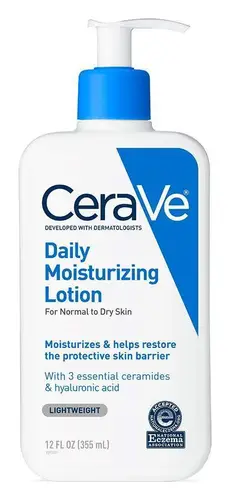
This barrier-repair moisturizer is formulated around Sodium Hyaluronate and Aloe Barbadensis Extract to strengthen the skin barrier and hydrate skin.
This barrier-repair moisturizer is formulated around Ceramide NP and Sodium Hyaluronate to strengthen the skin barrier and hydrate skin.


What's inside
What's inside
 Key Ingredients
Benefits
Concerns
Ingredients Side-by-side
Water
Skin ConditioningCaprylic/Capric Triglyceride
Masking


Ethylhexyl Hydroxystearate
Emollient

Butylene Glycol
Humectant
Glycerin
Humectant
Palmitic Acid
Emollient


Dimethicone
Emollient
PEG-8
HumectantStearic Acid
Cleansing
Cetearyl Alcohol
Emollient
Sodium Hyaluronate
Humectant


Aloe Barbadensis Extract
Skin Conditioning
Vitis Vinifera Seed Extract
Antimicrobial
Saccharide Isomerate
Humectant
Cucumis Sativus Fruit Extract
Emollient
Arnica Montana Flower Extract
Masking
Hedera Helix Extract
AntimicrobialMalva Sylvestris Flower Extract
Skin ConditioningParietaria Officinalis Extract
EmollientSambucus Nigra Flower Extract
RefreshingAscorbyl Palmitate
Antioxidant

Trehalose
Humectant
Algin
MaskingHydrolyzed Sodium Hyaluronate
Skin Conditioning
Serine
Masking
Linoleic Acid
Cleansing
Phospholipids
Skin Conditioning
Phytosterols
Skin Conditioning
Cananga Odorata Flower Oil
Masking



Urea
Buffering

Hydrogenated Lecithin
Emulsifying
Pullulan
Caprylhydroxamic Acid
ChelatingCitrus Aurantium Amara Flower Extract
RefreshingTocopheryl Acetate
Antioxidant
Tetrasodium Glutamate Diacetate
ChelatingHexanediol
SolventPentylene Glycol
Skin Conditioning
Glyceryl Polyacrylate
Sodium Citrate
BufferingDisodium Phosphate
BufferingPalmitoyl Hydroxypropyltrimonium Amylopectin/Glycerin Crosspolymer
Skin ConditioningCaprylyl Glycol
Emollient
Potassium Phosphate
BufferingCitric Acid
Buffering
Tocopherol
Antioxidant
Methylpropanediol
SolventPolysorbate 60
Emulsifying
Panthenol
Skin Conditioning
Polyquaternium-10
Cetyl Alcohol
Emollient
PEG-100 Stearate
Surfactant
Glyceryl Stearate
Emollient
Aminomethyl Propanol
BufferingCarbomer
Emulsion StabilisingEthylhexylglycerin
Skin ConditioningSodium Hydroxide
BufferingHydroxystearic Acid
Cleansing
Myristic Acid
Cleansing
BHT
Antioxidant
Benzyl Benzoate
Antimicrobial
Benzyl Salicylate
Perfuming
Linalool
Perfuming
Sodium Benzoate
Masking
Phenoxyethanol
Preservative
Water, Caprylic/Capric Triglyceride, Ethylhexyl Hydroxystearate, Butylene Glycol, Glycerin, Palmitic Acid, Dimethicone, PEG-8, Stearic Acid, Cetearyl Alcohol, Sodium Hyaluronate, Aloe Barbadensis Extract, Vitis Vinifera Seed Extract, Saccharide Isomerate, Cucumis Sativus Fruit Extract, Arnica Montana Flower Extract, Hedera Helix Extract, Malva Sylvestris Flower Extract, Parietaria Officinalis Extract, Sambucus Nigra Flower Extract, Ascorbyl Palmitate, Trehalose, Algin, Hydrolyzed Sodium Hyaluronate, Serine, Linoleic Acid, Phospholipids, Phytosterols, Cananga Odorata Flower Oil, Urea, Hydrogenated Lecithin, Pullulan, Caprylhydroxamic Acid, Citrus Aurantium Amara Flower Extract, Tocopheryl Acetate, Tetrasodium Glutamate Diacetate, Hexanediol, Pentylene Glycol, Glyceryl Polyacrylate, Sodium Citrate, Disodium Phosphate, Palmitoyl Hydroxypropyltrimonium Amylopectin/Glycerin Crosspolymer, Caprylyl Glycol, Potassium Phosphate, Citric Acid, Tocopherol, Methylpropanediol, Polysorbate 60, Panthenol, Polyquaternium-10, Cetyl Alcohol, PEG-100 Stearate, Glyceryl Stearate, Aminomethyl Propanol, Carbomer, Ethylhexylglycerin, Sodium Hydroxide, Hydroxystearic Acid, Myristic Acid, BHT, Benzyl Benzoate, Benzyl Salicylate, Linalool, Sodium Benzoate, Phenoxyethanol
Water
Skin ConditioningGlycerin
Humectant
Alcohol Denat.
Antimicrobial

Prunus Armeniaca Kernel Oil
Masking
Cetearyl Isononanoate
Emollient
Isopropyl Isostearate
Emollient
Butyrospermum Parkii Butter
Skin Conditioning
Ceramide NP
Skin Conditioning
Carbomer
Emulsion StabilisingSodium Chloride
MaskingSodium Hyaluronate
Humectant
Sodium Hydroxide
Buffering2-Oleamido-1,3-Octadecanediol
Skin ConditioningCholesterol
Emollient
Adenosine
Skin Conditioning
Ammonium Polyacryloyldimethyl Taurate
Emulsion StabilisingHydroxyacetophenone
Antioxidant
Hydroxypalmitoyl Sphinganine
Skin Conditioning
Capryloyl Salicylic Acid
Exfoliating



Vitreoscilla Ferment
Skin Conditioning
Citric Acid
Buffering
Xanthan Gum
EmulsifyingMenthoxypropanediol
Masking
Tocopherol
Antioxidant
Chlorphenesin
Antimicrobial
CI 19140
Cosmetic ColorantCI 42090
Cosmetic ColorantLinalool
Perfuming
Limonene
Perfuming
Citral
Perfuming
Parfum
Masking
Water, Glycerin, Alcohol Denat., Prunus Armeniaca Kernel Oil, Cetearyl Isononanoate, Isopropyl Isostearate, Butyrospermum Parkii Butter, Ceramide NP, Carbomer, Sodium Chloride, Sodium Hyaluronate, Sodium Hydroxide, 2-Oleamido-1,3-Octadecanediol, Cholesterol, Adenosine, Ammonium Polyacryloyldimethyl Taurate, Hydroxyacetophenone, Hydroxypalmitoyl Sphinganine, Capryloyl Salicylic Acid, Vitreoscilla Ferment, Citric Acid, Xanthan Gum, Menthoxypropanediol, Tocopherol, Chlorphenesin, CI 19140, CI 42090, Linalool, Limonene, Citral, Parfum
Reviews
Ingredients Explained
These ingredients are found in both products.
Ingredients higher up in an ingredient list are typically present in a larger amount.
Carbomer is a synthetic thickening and gelling agent. It's basically the ingredient that gives a lot of serums, gels, creams, and sunscreens their smooth, non-sticky texture.
Although legally permitted at very high levels, carbomers are normally used at concentrations below 1%.
It also needs to be neutralized to actually thicken, and because it is a large molecule, it doesn't really penetrate the skin barrier.
Allergy-wise, the risk is very low. Clinical studies show carbomers have low potential for skin irritation/sensitization even at concentrations up to 100%.
A 2024 UK study patch-tested 1,302 patients and found true allergy to the parent group of carbomer to be rare with no confirmed relevant reactions.
Learn more about CarbomerCitric Acid is an alpha hydroxy acid (AHA) naturally found in citrus fruits like oranges, lemons, and limes.
Like other AHAs, citric acid can exfoliate skin by breaking down the bonds that hold dead skin cells together. This helps reveal smoother and brighter skin underneath.
However, this exfoliating effect only happens at high concentrations (20%) which can be hard to find in cosmetic products.
Due to this, citric acid is usually included in small amounts as a pH adjuster. This helps keep products slightly more acidic and compatible with skin's natural pH.
In skincare formulas, citric acid can:
While it can provide some skin benefits, research shows lactic acid and glycolic acid are generally more effective and less irritating exfoliants.
Most citric acid used in skincare today is made by fermenting sugars (usually from molasses). This synthetic version is identical to the natural citrus form but easier to stabilize and use in formulations.
Rosacea skin has a lower threshold for acids generally, with 62.5% of rosacea subjects in one study reacting to lactic acid in a sting test. This is why we mark citric acid as a potential rosacea trigger.
However, this ingredient shows up as a pH adjuster or chelator at roughly 0.1-1% in many products. These low levels are unlikely to be an issue for rosacea skin and becomes a potential trigger at exfoliating concentrations (20%). Because everybody's skin is unique, we recommend a patch test if you are unsure.
Learn more about Citric AcidGlycerin (or glycerol) is a compound naturally found in your skin. It's a powerhouse humectant that pulls water into the stratum corneum.
Topically, glycerin does several things at once:
Your skin makes glycerin on its own (mostly from sebaceous oil breakdown) and shuttles it to your outermost layer of skin, or your epidermis, via aquaporin-3.
Aquaporin-3 is a transporter that is essential for normal skin hydration, elasticity, and repair. Interestingly, mice lacking in AQP3 have dry and less elastic skin that can be fully corrected with glycerin.
This ingredient is non-irritating, plays well with almost every ingredient, and works across all skin types. Typical use is anywhere between 3-10% but can go up to 79% in some leave-on products.
Just know very high concentrations (>40%) can feel tacky in low humidity.
Glycerin is the name for this ingredient in American English. British English uses Glycerol/Glycerine.
Learn more about GlycerinLinalool is a small, naturally occurring scent molecule found in plants like lavender, coriander, bergamot, and more.
It is one of the two most-used fragrance ingredients in cosmetics and added purely for smell. Since it's not used for a skin benefit, there's no "effective dose". Concentration depends on the fragrance load of the product.
The EU requires it to be named on the label above 0.001% in leave-on and 0.01% in rinse-off products.
Fresh linalool is a weak sensitizer but air exposure turns some of it into hydroperoxides, which are strong sensitizers. Those oxidation products are the actual allergy concern.
Patch-test clinics see positive reactions to linalool hydroperoxides in about 4% to 12% of dermatitis patients depending on country and test concentration.
Resassuringly, one analytical study found hydroperoxide levels in real fragranced products to be orders of magnitude below what induced sensitization in animal studies with no evidence of oxidation building up during normal storage.
The practical takeaway is that linalool is fine for most people but worth avoiding if you have a confirmed fragrance contact allergy or a badly compromised barrier.
Products stored a long time after opening are also the high-risk scenario since that is when oxidation happens.
The scent of linalool is described as floral, spicy tropical, and citrus-like.
Learn more about LinaloolSodium Hyaluronate is the salt form of hyaluronic acid. It is a long sugar chain that is naturally found in your skin, joints, and connective tissue that maintains hydration and elasticity.
In skincare, it works as a humectant. It pulls water from the environment and deeper layers of skin and binds it to the surface.
Interestingly, the size of the molecule affects its behavior:
Some clinical evidence links low molecular weight versions to improved wrinkle depth, elasticity, anti-inflammatory effects, and barrier repair.
Many serums use a blend of both weights so you can get surface hydration plus longer-lasting and deeper effects.
You'll typically see concentrations between 0.1-2% for this ingredient.
Learn more about Sodium HyaluronateSodium Hydroxide is also known as lye or caustic soda. It is used to adjust the pH of products; many ingredients require a specific pH to be effective.
In small amounts, sodium hydroxide is considered safe to use. However, large amounts may cause chemical burns due to its high alkaline.
Your skin has a natural pH and acid mantle. This acid mantle helps prevent harmful bacteria from breaking through. The acid mantle also helps keep your skin hydrated.
"Alkaline" refers to a high pH level. A low pH level would be considered acidic.
Learn more about Sodium HydroxideTocopherol is a fat-soluble antioxidant known as Vitamin E.
You'll find this ingredient in the vast majority of skincare (for good reason). It works to neutralize free radicals, or unstable molecules generated by UV exposure, pollution, and other environmental stressors, before they can cause oxidative damage to your skin cells.
Topically applied tocopherol has been shown to protect against UV damage by ramping up the skin's own natural defense enzymes.
It also acts as a skin conditioning agent; some studies show that regular topical use can improve the skin's water-binding capacity over 2-4 weeks.
This ingredient is especially loved for being a team player. When combined with Vitamin C, the photoprotective effect of both ingredients roughly doubles and the combo also helps reduce UV-induced DNA damage.
This ingredient has some brightening potential but it's more of a prevention ingredient than spot-fader. Cell studies show it can slow down melanin production but it's worth noting that it's not the most powerful brightener out there.
In formulations, it also serves as a stabilizer that helps protect other oxidation-prone ingredients from degrading.
Concentrations usually range from 0.1-1% in most leave-on products.
Learn more about TocopherolWater. It's the most common cosmetic ingredient of all. You'll usually see it at the top of ingredient lists, meaning that it makes up the largest part of the product.
So why is it so popular? Water most often acts as a solvent - this means that it helps dissolve other ingredients into the formulation.
You'll also recognize water as that liquid we all need to stay alive. If you see this, drink a glass of water. Remember to stay hydrated!
Learn more about Water