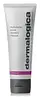
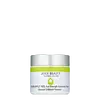
Dermalogica MultiVitamin Power Recovery Mask Versus Juice Beauty Green Apple Peel Full Strength Exfoliating Mask
This wash off mask is made with Panthenol and Tocopheryl Acetate for a rinse-off barrier-support boost.
This wash off mask is formulated around Glycolic Acid to exfoliate and smooth skin.

What's inside
What's inside
 Key Ingredients
Benefits
Concerns
Ingredients Side-by-side
Water
Skin ConditioningButylene Glycol
Humectant

C12-15 Alkyl Benzoate
AntimicrobialGlycerin
Humectant
Di-C12-15 Alkyl Fumarate
EmollientGlycereth-7 Triacetate
EmollientPanthenol
Skin Conditioning

Tocopheryl Acetate
Antioxidant


Glyceryl Stearate
Emollient

PEG-100 Stearate
Surfactant
Orbignya Oleifera Seed Oil
Emollient
Dipropylene Glycol Dibenzoate
EmollientStearyl Alcohol
Emollient
Sorbitan Stearate
Emulsifying
Palmitoyl Tripeptide-1
Skin Conditioning


Palmitoyl Tetrapeptide-7
Skin Conditioning
Lactic Acid
Buffering





Retinyl Palmitate
Skin Conditioning
Olea Europaea Fruit Oil
Masking

Chondrus Crispus
Masking
Glycyrrhiza Glabra Root Extract
Bleaching
Anthemis Nobilis Flower Oil
Masking
Glycine Soja Oil
Emollient
Camellia Sinensis Leaf Extract
Antimicrobial
Citrus Limon Peel Extract
EmollientVitis Vinifera Seed Extract
Antimicrobial
Chamomilla Recutita Flower Extract
Masking
Arctium Majus Root Extract
Skin Conditioning
Symphytum Officinale Root Extract
Skin ConditioningHydrogenated Vegetable Oil
Emollient
Hydrolyzed Soy Protein
Humectant
Zea Mays Oil
Emulsifying
Leuconostoc/Radish Root Ferment Filtrate
Antimicrobial
Vegetable Oil
Skin Conditioning
Sodium PCA
Humectant
Dimethicone
Emollient
Linoleic Acid
Cleansing
Beta-Glucan
Skin Conditioning
Arginine/Lysine Polypeptide
Skin Conditioning
Caprylyl Glycol
Emollient
Phospholipids
Skin Conditioning
Beta-Carotene
Skin ConditioningAscorbyl Palmitate
Antioxidant
Tocopherol
Antioxidant
Sodium Polyacrylate
Absorbent
Sclerotium Gum
Emulsion StabilisingDecylene Glycol
Skin ConditioningPropylene Glycol
Humectant
Sodium Lactate
Buffering
Allantoin
Skin Conditioning
Ammonium Glycyrrhizate
MaskingPPG-15 Stearyl Ether Benzoate
Emollient1,2-Hexanediol
Skin Conditioning
Potassium Cetyl Phosphate
EmulsifyingPolysorbate 20
Emulsifying
Sorbic Acid
Preservative
Aminomethyl Propanol
BufferingPotassium Hydroxide
BufferingCarbomer
Emulsion StabilisingMenthoxypropanediol
Masking
Disodium EDTA
ChelatingCitric Acid
Buffering
Propanediol
Solvent
Phenoxyethanol
Preservative
Sodium Benzoate
Masking
Chlorphenesin
Antimicrobial
Sodium Dehydroacetate
Preservative
BHT
Antioxidant
Potassium Sorbate
Preservative
CI 75120
Cosmetic ColorantWater, Butylene Glycol, C12-15 Alkyl Benzoate, Glycerin, Di-C12-15 Alkyl Fumarate, Glycereth-7 Triacetate, Panthenol, Tocopheryl Acetate, Glyceryl Stearate, PEG-100 Stearate, Orbignya Oleifera Seed Oil, Dipropylene Glycol Dibenzoate, Stearyl Alcohol, Sorbitan Stearate, Palmitoyl Tripeptide-1, Palmitoyl Tetrapeptide-7, Lactic Acid, Retinyl Palmitate, Olea Europaea Fruit Oil, Chondrus Crispus, Glycyrrhiza Glabra Root Extract, Anthemis Nobilis Flower Oil, Glycine Soja Oil, Camellia Sinensis Leaf Extract, Citrus Limon Peel Extract, Vitis Vinifera Seed Extract, Chamomilla Recutita Flower Extract, Arctium Majus Root Extract, Symphytum Officinale Root Extract, Hydrogenated Vegetable Oil, Hydrolyzed Soy Protein, Zea Mays Oil, Leuconostoc/Radish Root Ferment Filtrate, Vegetable Oil, Sodium PCA, Dimethicone, Linoleic Acid, Beta-Glucan, Arginine/Lysine Polypeptide, Caprylyl Glycol, Phospholipids, Beta-Carotene, Ascorbyl Palmitate, Tocopherol, Sodium Polyacrylate, Sclerotium Gum, Decylene Glycol, Propylene Glycol, Sodium Lactate, Allantoin, Ammonium Glycyrrhizate, PPG-15 Stearyl Ether Benzoate, 1,2-Hexanediol, Potassium Cetyl Phosphate, Polysorbate 20, Sorbic Acid, Aminomethyl Propanol, Potassium Hydroxide, Carbomer, Menthoxypropanediol, Disodium EDTA, Citric Acid, Propanediol, Phenoxyethanol, Sodium Benzoate, Chlorphenesin, Sodium Dehydroacetate, BHT, Potassium Sorbate, CI 75120
Aloe Barbadensis Leaf Juice
Skin Conditioning
Pyrus Malus Juice
Skin ConditioningGlycolic Acid
Buffering

Glycerin
Humectant
Lactic Acid
Buffering
Hydroxypropyl Starch Phosphate
Sodium Hydroxide
BufferingXanthan Gum
EmulsifyingGluconolactone
Chelating
Citrus Limon Juice
Skin Conditioning
Salix Alba Bark Extract
Astringent
Vitis Vinifera Seed Extract
Antimicrobial
Bakuchiol
Antimicrobial
Magnesium Aspartate
Skin ConditioningZinc Gluconate
Skin Conditioning
Copper Gluconate
Skin Conditioning
Sodium Phytate
ChelatingVitis Vinifera Seed Oil
Emollient
Ascorbyl Palmitate
Antioxidant
Ascorbic Acid
Antioxidant
Tocopherol
Antioxidant
Citrus Aurantium Dulcis Flower
Skin ConditioningLitsea Cubeba Fruit Oil
Masking
Cinnamomum Camphora Wood Oil
Masking
Citrus Grandis Peel Oil
Masking
Sodium Benzoate
Masking
Calcium Gluconate
HumectantPotassium Sorbate
Preservative
Sclerotium Gum
Emulsion StabilisingAloe Barbadensis Leaf Juice, Pyrus Malus Juice, Glycolic Acid, Glycerin, Lactic Acid, Hydroxypropyl Starch Phosphate, Sodium Hydroxide, Xanthan Gum, Gluconolactone, Citrus Limon Juice, Salix Alba Bark Extract, Vitis Vinifera Seed Extract, Bakuchiol, Magnesium Aspartate, Zinc Gluconate, Copper Gluconate, Sodium Phytate, Vitis Vinifera Seed Oil, Ascorbyl Palmitate, Ascorbic Acid, Tocopherol, Citrus Aurantium Dulcis Flower, Litsea Cubeba Fruit Oil, Cinnamomum Camphora Wood Oil, Citrus Grandis Peel Oil, Sodium Benzoate, Calcium Gluconate, Potassium Sorbate, Sclerotium Gum
Reviews
Ingredients Explained
These ingredients are found in both products.
Ingredients higher up in an ingredient list are typically present in a larger amount.
Ascorbyl Palmitate is a fat-soluble form of vitamin C (Ascorbic Acid) made by combining it with palmitic acid.
It is able to blend easily into creams and oil-based formulas because it dissolves in oils rather than water.
As you may know, regular vitamin C is notorious for breaking down when exposed to sunlight and air. Ascorbyl Palmitate is more stable and degrades at a slower rate.
Research on whether it converts efficiently into active vitamin C once it's applied on your skin is still limited.
Some in-vitro studies suggest it may support collagen production, but it is not considered one of the stronger vitamin C derivatives, like:
Due to the palmitic acid base, this ingredient may not be fungal acne safe. Comedogenic studies have also shown this ingredient to have a rating of 2.
It's also worth keeping in mind that comedogenic and irritancy ratings are tested on individual ingredients, not finished formulas. The final product's formulation, concentration, and other ingredients all play a role in how something actually behaves on your skin.
Learn more about Ascorbyl PalmitateGlycerin (or glycerol) is a compound naturally found in your skin. It's a powerhouse humectant that pulls water into the stratum corneum.
Topically, glycerin does several things at once:
Your skin makes glycerin on its own (mostly from sebaceous oil breakdown) and shuttles it to your outermost layer of skin, or your epidermis, via aquaporin-3.
Aquaporin-3 is a transporter that is essential for normal skin hydration, elasticity, and repair. Interestingly, mice lacking in AQP3 have dry and less elastic skin that can be fully corrected with glycerin.
This ingredient is non-irritating, plays well with almost every ingredient, and works across all skin types. Typical use is anywhere between 3-10% but can go up to 79% in some leave-on products.
Just know very high concentrations (>40%) can feel tacky in low humidity.
Glycerin is the name for this ingredient in American English. British English uses Glycerol/Glycerine.
Learn more about GlycerinLactic Acid is another well-loved alpha hydroxy acid (AHA). It is gentler than glycolic acid but still highly effective.
Its main role is to exfoliate the surface of the skin by loosening the “glue” that holds dead skin cells together. Shedding those old cells leads to smoother, softer, and more even-toned skin.
Because lactic acid molecules are larger than glycolic acid, they don’t penetrate as deeply. This means they’re less likely to sting or irritate, making it a great choice for beginners or those with sensitive skin.
Like glycolic acid, it can:
Lactic acid also acts as a humectant (like hyaluronic acid). It can draw water into the skin to improve hydration and also plays a role in the skin's natural moisturizing factor (NMF) in the form of sodium lactate.
Studies show it can boost ceramide production to strengthen the skin barrier and even help balance the skin’s microbiome.
To get results, choose products with a pH between 3-4.
Lower strengths (5-12%) focus on surface exfoliation; higher strengths (12% and up) can reach deeper in the dermis (deeper, supportive layer) to improve skin texture and firmness over time.
Though it was originally derived from milk, most modern lactic acid used in skincare is vegan. It is made through non-dairy fermentation to create a bio-identical and stable form suitable for all formulations.
When lactic acid shows up near the end of an ingredient list, it usually means the brand added just a tiny amount to adjust the product’s pH.
Legend has it that Cleopatra used to bathe in sour milk to help reduce wrinkles.
Lactic acid is truly a gentle multitasker: it exfoliates, hydrates, strengthens, and brightens. It's a great ingredient for giving your skin a smooth, glowing, and healthy look without the harshness of stronger acids.
Read more about some other popular AHA's here:
Learn more about Lactic AcidPotassium Sorbate is a preservative used to prevent yeast and mold in products. It is commonly found in both cosmetic and food products.
This ingredient comes from potassium salt derived from sorbic acid. Sorbic acid is a natural antibiotic and effective against fungus.
Both potassium sorbate and sorbic acid can be found in baked goods, cheeses, dried meats, dried fruit, ice cream, pickles, wine, yogurt, and more.
You'll often find this ingredient used with other preservatives.
Learn more about Potassium SorbateSclerotium Gum is a natural sugar-based fiber made by fermenting a fungus called Sclerotium rolfsii. It's often used as the plant-friendly alternative for synthetic thickeners like carbomer.
In skincare, it works as a thickener, gel former, and stabilizer that keeps heavy ingredients suspended so a product does not separate.
It is non-ionic and forms a triple helix in solution. This is just a fancy way of saying it builds a smooth, cushiony, and non-sticky gel that feels silkier than many other gums.
Another perk of this ingredient is that it is very sturdy and holds up across a wide pH range (~2-11). It's also good at resisting heat and hydrolysis.
Since it holds water at the skin surface, it can provide some light hydration as well.
Typical use levels are around 0.25-2%; formulators usually use 0.2-0.5% to thicken lotions and up to 2% for a firmer gel base.
This ingredient has been found safe in cosmetics with no meaningful evidence of skin sensitization.
Learn more about Sclerotium GumSodium Benzoate is a preservative. It's used in both cosmetic and food products to inhibit the growth of mold and bacteria. It is typically produced synthetically.
Both the US FDA and EU Health Committee have approved the use of sodium benzoate. In the US, levels of 0.1% (of the total product) are allowed.
Sodium benzoate works as a preservative by inhibiting the growth of bacteria inside of cells. It prevents the cell from fermenting a type of sugar using an enzyme called phosphofructokinase.
It is the salt of benzoic acid. Foods containing sodium benzoate include soda, salad dressings, condiments, fruit juices, wines, and snack foods.
Studies for using ascorbic acid and sodium benzoate in cosmetics are lacking, especially in skincare routines with multiple steps.
We always recommend speaking with a professional, such as a dermatologist, if you have any concerns.
Learn more about Sodium BenzoateTocopherol is a fat-soluble antioxidant known as Vitamin E.
You'll find this ingredient in the vast majority of skincare (for good reason). It works to neutralize free radicals, or unstable molecules generated by UV exposure, pollution, and other environmental stressors, before they can cause oxidative damage to your skin cells.
Topically applied tocopherol has been shown to protect against UV damage by ramping up the skin's own natural defense enzymes.
It also acts as a skin conditioning agent; some studies show that regular topical use can improve the skin's water-binding capacity over 2-4 weeks.
This ingredient is especially loved for being a team player. When combined with Vitamin C, the photoprotective effect of both ingredients roughly doubles and the combo also helps reduce UV-induced DNA damage.
This ingredient has some brightening potential but it's more of a prevention ingredient than spot-fader. Cell studies show it can slow down melanin production but it's worth noting that it's not the most powerful brightener out there.
In formulations, it also serves as a stabilizer that helps protect other oxidation-prone ingredients from degrading.
Concentrations usually range from 0.1-1% in most leave-on products.
Learn more about TocopherolVitis Vinifera Seed Extract comes from the grape vine. Grape seeds are a byproduct of creating grape juice or wine.
The components of grape seeds have many skin benefits. Research has found it to be antimicrobial and anti-inflammatory. It also contains many potent antioxidants such as Vitamin E , Vitamin C, proanthocyanidins, polyphenols, flavonoids, and anthocyanins. Proanthocyanidin has been shown to help even out skin tone.
Antioxidants help fight free-radical molecules. Free-radical molecules are capable of damaging our cells and other genetic material. Antioxidants help stabilize free-radicals by donating extra electrons. Grape seed extract may help reduce the signs of aging.
The antimicrobial properties of grape seed may help treat acne. However, more research is needed to support this claim.
Grape seed has also been found to help absorb UV rays. Grape seed extract should not replace your sunscreen.
Learn more about Vitis Vinifera Seed Extract

