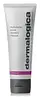
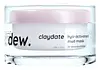
Dermalogica MultiVitamin Power Recovery Mask Versus dew of the gods Claydate Hya-activated Pink Clay Mask
This wash off mask is made with Panthenol and Tocopheryl Acetate for a rinse-off barrier-support boost.


What's inside
What's inside
 Key Ingredients
Benefits
Concerns
Ingredients Side-by-side
Water
Skin ConditioningButylene Glycol
Humectant

C12-15 Alkyl Benzoate
AntimicrobialGlycerin
Humectant
Di-C12-15 Alkyl Fumarate
EmollientGlycereth-7 Triacetate
EmollientPanthenol
Skin Conditioning

Tocopheryl Acetate
Antioxidant


Glyceryl Stearate
Emollient

PEG-100 Stearate
Surfactant
Orbignya Oleifera Seed Oil
Emollient
Dipropylene Glycol Dibenzoate
EmollientStearyl Alcohol
Emollient
Sorbitan Stearate
Emulsifying
Palmitoyl Tripeptide-1
Skin Conditioning


Palmitoyl Tetrapeptide-7
Skin Conditioning
Lactic Acid
Buffering





Retinyl Palmitate
Skin Conditioning
Olea Europaea Fruit Oil
Masking

Chondrus Crispus
Masking
Glycyrrhiza Glabra Root Extract
Bleaching
Anthemis Nobilis Flower Oil
Masking
Glycine Soja Oil
Emollient
Camellia Sinensis Leaf Extract
Antimicrobial
Citrus Limon Peel Extract
EmollientVitis Vinifera Seed Extract
Antimicrobial
Chamomilla Recutita Flower Extract
Masking
Arctium Majus Root Extract
Skin Conditioning
Symphytum Officinale Root Extract
Skin ConditioningHydrogenated Vegetable Oil
Emollient
Hydrolyzed Soy Protein
Humectant
Zea Mays Oil
Emulsifying
Leuconostoc/Radish Root Ferment Filtrate
Antimicrobial
Vegetable Oil
Skin Conditioning
Sodium PCA
Humectant
Dimethicone
Emollient
Linoleic Acid
Cleansing
Beta-Glucan
Skin Conditioning
Arginine/Lysine Polypeptide
Skin Conditioning
Caprylyl Glycol
Emollient
Phospholipids
Skin Conditioning
Beta-Carotene
Skin ConditioningAscorbyl Palmitate
Antioxidant
Tocopherol
Antioxidant
Sodium Polyacrylate
Absorbent
Sclerotium Gum
Emulsion StabilisingDecylene Glycol
Skin ConditioningPropylene Glycol
Humectant
Sodium Lactate
Buffering
Allantoin
Skin Conditioning
Ammonium Glycyrrhizate
MaskingPPG-15 Stearyl Ether Benzoate
Emollient1,2-Hexanediol
Skin Conditioning
Potassium Cetyl Phosphate
EmulsifyingPolysorbate 20
Emulsifying
Sorbic Acid
Preservative
Aminomethyl Propanol
BufferingPotassium Hydroxide
BufferingCarbomer
Emulsion StabilisingMenthoxypropanediol
Masking
Disodium EDTA
Citric Acid
Buffering
Propanediol
Solvent
Phenoxyethanol
Preservative
Sodium Benzoate
Masking
Chlorphenesin
Antimicrobial
Sodium Dehydroacetate
Preservative
BHT
Antioxidant
Potassium Sorbate
Preservative
CI 75120
Cosmetic ColorantWater, Butylene Glycol, C12-15 Alkyl Benzoate, Glycerin, Di-C12-15 Alkyl Fumarate, Glycereth-7 Triacetate, Panthenol, Tocopheryl Acetate, Glyceryl Stearate, PEG-100 Stearate, Orbignya Oleifera Seed Oil, Dipropylene Glycol Dibenzoate, Stearyl Alcohol, Sorbitan Stearate, Palmitoyl Tripeptide-1, Palmitoyl Tetrapeptide-7, Lactic Acid, Retinyl Palmitate, Olea Europaea Fruit Oil, Chondrus Crispus, Glycyrrhiza Glabra Root Extract, Anthemis Nobilis Flower Oil, Glycine Soja Oil, Camellia Sinensis Leaf Extract, Citrus Limon Peel Extract, Vitis Vinifera Seed Extract, Chamomilla Recutita Flower Extract, Arctium Majus Root Extract, Symphytum Officinale Root Extract, Hydrogenated Vegetable Oil, Hydrolyzed Soy Protein, Zea Mays Oil, Leuconostoc/Radish Root Ferment Filtrate, Vegetable Oil, Sodium PCA, Dimethicone, Linoleic Acid, Beta-Glucan, Arginine/Lysine Polypeptide, Caprylyl Glycol, Phospholipids, Beta-Carotene, Ascorbyl Palmitate, Tocopherol, Sodium Polyacrylate, Sclerotium Gum, Decylene Glycol, Propylene Glycol, Sodium Lactate, Allantoin, Ammonium Glycyrrhizate, PPG-15 Stearyl Ether Benzoate, 1,2-Hexanediol, Potassium Cetyl Phosphate, Polysorbate 20, Sorbic Acid, Aminomethyl Propanol, Potassium Hydroxide, Carbomer, Menthoxypropanediol, Disodium EDTA, Citric Acid, Propanediol, Phenoxyethanol, Sodium Benzoate, Chlorphenesin, Sodium Dehydroacetate, BHT, Potassium Sorbate, CI 75120
Water
Skin ConditioningKaolin
Abrasive

Bentonite
Absorbent
Aloe Barbadensis Leaf Juice
Skin Conditioning
Cocos Nucifera Oil
Masking
Centipeda Cunninghamii Extract
Skin ConditioningGlycyrrhiza Glabra Root Extract
Bleaching
Tocopheryl Acetate
Antioxidant
Rosa Rubiginosa Seed Oil
Emollient
Glycerin
Humectant
Hyaluronic Acid
Humectant
Butyrospermum Parkii Butter
Skin Conditioning
Mentha Piperita Extract
CleansingCI 77491
Cosmetic ColorantVanilla Planifolia Fruit Extract
Skin Conditioning
Water, Kaolin, Bentonite, Aloe Barbadensis Leaf Juice, Cocos Nucifera Oil, Centipeda Cunninghamii Extract, Glycyrrhiza Glabra Root Extract, Tocopheryl Acetate, Rosa Rubiginosa Seed Oil, Glycerin, Hyaluronic Acid, Butyrospermum Parkii Butter, Mentha Piperita Extract, CI 77491, Vanilla Planifolia Fruit Extract
Reviews
Ingredients Explained
These ingredients are found in both products.
Ingredients higher up in an ingredient list are typically present in a larger amount.
Glycerin (or glycerol) is a compound naturally found in your skin. It's a powerhouse humectant that pulls water into the stratum corneum.
Topically, glycerin does several things at once:
Your skin makes glycerin on its own (mostly from sebaceous oil breakdown) and shuttles it to your outermost layer of skin, or your epidermis, via aquaporin-3.
Aquaporin-3 is a transporter that is essential for normal skin hydration, elasticity, and repair. Interestingly, mice lacking in AQP3 have dry and less elastic skin that can be fully corrected with glycerin.
This ingredient is non-irritating, plays well with almost every ingredient, and works across all skin types. Typical use is anywhere between 3-10% but can go up to 79% in some leave-on products.
Just know very high concentrations (>40%) can feel tacky in low humidity.
Glycerin is the name for this ingredient in American English. British English uses Glycerol/Glycerine.
Learn more about GlycerinGlycyrrhiza Glabra Root Extract is an extract of the roots of Licorice. It has been found to have several benefits such as skin hydrating, conditioning, and soothing.
One component, glabridin, has extra potent antioxidant and soothing properties. It has also been found to block pigmentation from UVB rays in guinea pigs.
Licorice Root also contains a flavonoid. Flavonoids are a natural substance from in plants. Flavonoids also have antioxidant properties.
Another component, glycyrrhizin, has been found to have anti-inflammatory and antimicrobial benefits. This may make licorice root extract effective at treating acne. However, more research is needed to support this.
Liquiritin is one of the flavone compounds found in licorice. It has been found to help lighten skin by preventing tyrosinase from reacting with tyrosine. When the two react, protein is converted to melanin. Melanin is the substance in your body that gives your features pigmentation.
Learn more about Glycyrrhiza Glabra Root ExtractTocopheryl Acetate is a stable, shelf-friendly form of vitamin E.
Formulators love it because plain vitamin E oxidizes quickly once it hits air. This acetate version stays stable and resists going off, helping to extend a product's shelf life.
It's actually inactive on its own and works like a slow-release "storage" form; the enzymes in your skin called esterases gradually convert it into active vitamin E over time.
One in vivo study showed 5% of the acetate in the living layer of the epidermis converted to vitamin E after 5 days of application. This study also found the skin gained protection against UV damage even though the conversion was slow and small.
Once converted, vitamin E acts as a skin's main fat-soluble antioxidant that fights free radicals to protect skin from damage.
Topical vitamin E generally boosts the skin's photoprotection, and it reduced UV-damage in animal models.
This ingredient has some brightening potential but it's more of a prevention ingredient than spot-fader. Cell studies show it can slow down melanin production but it's worth noting that it's not the most powerful brightener out there.
Overall, it has a pretty solid safety profile and has been found to be non-irritating and non-comedogenic. Allergic reactions may happen but stay rare due to how widely the ingredient gets used.
The concentration will vary depending on the formula; industry data shows 0.1% in baby lotions, 3% in lipsticks, and 5% in foot powders. You can also find this ingredient at 100% in a pure vitamin E oil.
Most leave-on skincare keeps it at the lower end, often between 0.5-1%.
Learn more about Tocopheryl AcetateWater. It's the most common cosmetic ingredient of all. You'll usually see it at the top of ingredient lists, meaning that it makes up the largest part of the product.
So why is it so popular? Water most often acts as a solvent - this means that it helps dissolve other ingredients into the formulation.
You'll also recognize water as that liquid we all need to stay alive. If you see this, drink a glass of water. Remember to stay hydrated!
Learn more about Water

