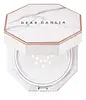
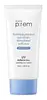
Dear Dahlia Skin Paradise Tone-up Sun Cushion SPF 35 PA+++ Versus Make p:rem UV Defense Me Calming Sun Cream SPF 50+ PA++++
This hybrid sunscreen covers the full UV range and blocks ~97% of UVB at SPF 35.
This hybrid sunscreen covers the full UV range and blocks ~98% of UVB at SPF 50.

What's inside
What's inside
 Key Ingredients
Benefits
Concerns
Ingredients Side-by-side
Dahlia Variabilis Flower Extract
Skin ConditioningWater
Skin ConditioningPropanediol
Solvent

Glycerin
Humectant
Butyloctyl Salicylate
Skin Conditioning

Titanium Dioxide
Cosmetic Colorant
Dicaprylyl Carbonate
EmollientNiacinamide
Smoothing









Behenyl Alcohol
Emollient
1,2-Hexanediol
Skin Conditioning
Cetearyl Alcohol
Emollient





Arachidyl Alcohol
Emollient
Curcuma Longa Root Extract
Antioxidant

Salvia Hispanica Seed Extract
Emollient
Simmondsia Chinensis Seed Oil
Emollient
Lavandula Angustifolia Oil
Masking


Citrus Aurantium Dulcis Peel Oil
Masking
Echium Plantagineum Seed Oil
Skin Conditioning
Portulaca Oleracea Extract
Skin Conditioning
Centella Asiatica Extract
Cleansing
Houttuynia Cordata Extract
Skin Conditioning
Cardiospermum Halicacabum Flower/Leaf/Vine Extract
Skin ConditioningHelianthus Annuus Seed Oil Unsaponifiables
Emollient
Camellia Sinensis Leaf Water
Masking
Prunus Amygdalus Dulcis Oil
Skin Conditioning
Argania Spinosa Kernel Oil
Emollient
Olea Europaea Fruit Oil
Masking
Tilia Vulgaris Flower Extract
SoothingArachidyl Glucoside
EmulsifyingPolyglyceryl-2 Caprate
EmulsifyingStearic Acid
Cleansing
Silica
Abrasive
Sodium Stearoyl Glutamate
CleansingAmmonium Acryloyldimethyltaurate/Vp Copolymer
Sorbitan Caprylate
EmulsifyingOctyldodecanol
Emollient
Sucrose Stearate
EmollientAlumina
Abrasive
Glyceryl Caprylate
EmollientSaccharide Hydrolysate
HumectantSqualane
Emollient
Ethylhexylglycerin
Skin ConditioningAdenosine
Skin Conditioning
Dahlia Variabilis Flower Extract, Water, Propanediol, Glycerin, Butyloctyl Salicylate, Titanium Dioxide, Dicaprylyl Carbonate, Niacinamide, Behenyl Alcohol, 1,2-Hexanediol, Cetearyl Alcohol, Arachidyl Alcohol, Curcuma Longa Root Extract, Salvia Hispanica Seed Extract, Simmondsia Chinensis Seed Oil, Lavandula Angustifolia Oil, Citrus Aurantium Dulcis Peel Oil, Echium Plantagineum Seed Oil, Portulaca Oleracea Extract, Centella Asiatica Extract, Houttuynia Cordata Extract, Cardiospermum Halicacabum Flower/Leaf/Vine Extract, Helianthus Annuus Seed Oil Unsaponifiables, Camellia Sinensis Leaf Water, Prunus Amygdalus Dulcis Oil, Argania Spinosa Kernel Oil, Olea Europaea Fruit Oil, Tilia Vulgaris Flower Extract, Arachidyl Glucoside, Polyglyceryl-2 Caprate, Stearic Acid, Silica, Sodium Stearoyl Glutamate, Ammonium Acryloyldimethyltaurate/Vp Copolymer, Sorbitan Caprylate, Octyldodecanol, Sucrose Stearate, Alumina, Glyceryl Caprylate, Saccharide Hydrolysate, Squalane, Ethylhexylglycerin, Adenosine
Water
Skin ConditioningZinc Oxide
Cosmetic Colorant
Cyclohexasiloxane
Emollient
Butyloctyl Salicylate
Skin Conditioning
Propanediol
Solvent
Propylheptyl Caprylate
EmollientIsododecane
EmollientPolyglyceryl-3 Polydimethylsiloxyethyl Dimethicone
Skin Conditioning
Caprylyl Methicone
Skin Conditioning
Disiloxane
Skin Conditioning
Moringa Oleifera Seed Extract
Skin Conditioning
Cardiospermum Halicacabum Flower/Leaf/Vine Extract
Skin ConditioningRosmarinus Officinalis Leaf Extract
AntimicrobialSodium Hyaluronate
Humectant
Bambusa Vulgaris Water
Skin ConditioningRibes Nigrum Seed Oil
Emollient
Helianthus Annuus Seed Oil
Emollient
Madecassoside
Antioxidant
Fructan
Skin ConditioningHelianthus Annuus Seed Oil Unsaponifiables
Emollient
Biosaccharide Gum-4
Skin Conditioning
Pyrus Communis Fruit Extract
Skin ConditioningPrunus Persica Fruit Extract
Abrasive
Cucumis Melo Fruit Extract
Skin ConditioningHedera Helix Leaf/Stem Extract
AntimicrobialRosa Damascena Flower Water
Masking
Jasminum Officinale Flower Water
MaskingDisteardimonium Hectorite
StabilisingMagnesium Sulfate
Triethoxycaprylylsilane
1,2-Hexanediol
Skin Conditioning
Polyglyceryl-2 Dipolyhydroxystearate
Skin Conditioning
Polymethylsilsesquioxane
Lauryl Polyglyceryl-3 Polydimethylsiloxyethyl Dimethicone
Skin Conditioning
Glyceryl Caprylate
EmollientCaprylyl Glycol
Emollient
Ethylhexylglycerin
Skin ConditioningTocopherol
Antioxidant
Octyldodecanol
Emollient
Maltodextrin
Absorbent
Butylene Glycol
Humectant
Water, Zinc Oxide, Cyclohexasiloxane, Butyloctyl Salicylate, Propanediol, Propylheptyl Caprylate, Isododecane, Polyglyceryl-3 Polydimethylsiloxyethyl Dimethicone, Caprylyl Methicone, Disiloxane, Moringa Oleifera Seed Extract, Cardiospermum Halicacabum Flower/Leaf/Vine Extract, Rosmarinus Officinalis Leaf Extract, Sodium Hyaluronate, Bambusa Vulgaris Water, Ribes Nigrum Seed Oil, Helianthus Annuus Seed Oil, Madecassoside, Fructan, Helianthus Annuus Seed Oil Unsaponifiables, Biosaccharide Gum-4, Pyrus Communis Fruit Extract, Prunus Persica Fruit Extract, Cucumis Melo Fruit Extract, Hedera Helix Leaf/Stem Extract, Rosa Damascena Flower Water, Jasminum Officinale Flower Water, Disteardimonium Hectorite, Magnesium Sulfate, Triethoxycaprylylsilane, 1,2-Hexanediol, Polyglyceryl-2 Dipolyhydroxystearate, Polymethylsilsesquioxane, Lauryl Polyglyceryl-3 Polydimethylsiloxyethyl Dimethicone, Glyceryl Caprylate, Caprylyl Glycol, Ethylhexylglycerin, Tocopherol, Octyldodecanol, Maltodextrin, Butylene Glycol
Reviews
Ingredients Explained
These ingredients are found in both products.
Ingredients higher up in an ingredient list are typically present in a larger amount.
1,2-Hexanediol is a synthetic liquid and another multi-functional powerhouse.
It is a:
- Humectant, drawing moisture into the skin
- Emollient, helping to soften skin
- Solvent, dispersing and stabilizing formulas
- Preservative booster, enhancing the antimicrobial activity of other preservatives
Butyloctyl Salicylate is a chemical UV filter structurally similar to octisalate. It is a photostabilizer, SPF booster, emollient and solvent. This ingredient helps evenly spread out ingredients.
According to a manufacturer, it is suitable for pairing with micro Titanium Dioxide, Zinc Oxide, and pigments.
Photostabilizers help stabilize UV-filters and prevents them from degrading quickly.
Learn more about Butyloctyl SalicylateCardiospermum halicacabum extract is more commonly known as Balloon Vine Extract.
Ethylhexylglycerin is created from glycerin. It is a multitasker ingredient that:
The CIR Expert Panel found minimal skin absorption or sensitization of any kind in a safety assessment. Though this ingredient is considered well-tolerated, a small number of cases of allergic dermatitis have been published since 2002. Just be sure to patch test if you are unsure.
Industry-reported use ranges from 8% in rinse-off products and 2% in leave-on formulations.
Learn more about EthylhexylglycerinGlyceryl Caprylate comes from glycerin and caprylic acid. It is an emollient, co-emulsifier, and preservative booster.
Its short C8 fatty acid chain makes it behave differently from its longer-chain emollient cousins like Glyceryl Stearate. It feels more lightweight, fast-absorbing, and silky instead of rich and waxy.
As a co-emulsifier, its "head" and "tail" sit at the oil-water interface. But overall, the short C8 tail and not being water soluble means it doesn't really have the muscle to emulsify a formula on its own. That's why you'll often see it paired with a primary emulsifier like Cetearyl Glucoside.
Interestingly, Glyceryl Caprylate acts as a preservative booster. This is because its fatty-acid backbone disrupts microbial lipid membranes. It shows excellent activity against bacteria and yeast but is weaker against mold.
Typical concentrations range from 0.5-1% and this ingredient is generally non-irritating.
Because this ingredient has a C8 fatty acid chain, it is outside the range that the Malassezia yeast metabolizes (making it fungal acne safe).
Learn more about Glyceryl CaprylateThis ingredient is the small fraction of sunflower seed oil (~1.5-2% of the whole oil) that cannot be turned into soap.
This concentrated fraction is rich in skin-nourishing compounds like free fatty acids, tocopherols, and phytosterols. Linoleic acid makes up about 48-74% of its composition.
Unsaponifiables have high antioxidant potential due to the tocopherols, carotenoids, and phenolic acids that help protect skin from free radical damage. On the other hand, linoleic acid supports the skin's barrier by replenishing ceramides and reducing transepidermal water loss.
A manufacturer-sponsored clinical study found that a cream with 2% of this ingredient increased skin moisturization by 48.6% after 1 hour and 34.2% after 24 hours.
Using this cream twice-daily for 4 weeks showed meaningful improvement in dryness, roughness, and desquamation (the shedding of dead skin cells).
Keep in mind this is a small, industry-funded study so it'd be great to see independent replication. However, the mechanism is consistent with well-establish linoleic and phytosterol research.
While this ingredient is generally considered safe, those with an Asteraceae/Compositae plant allergy should patch test this ingredient.
Fungal acne: this ingredient is not considered safe for fungal acne because the Malassezia yeast preferentially metabolizes in the C11-24 range. Linoleic acid falls into this range at C18.
Learn more about Helianthus Annuus Seed Oil UnsaponifiablesOctyldodecanol is a fatty alcohol sourced from plant oils like coconut or palm (or made synthetically).
It is:
You'll likely see this in many BHA products because this is the go-to solvent for salicylic acid.
This ingredient is typically used at levels between 2-20%.
Regarding fungal acne:
In 2019, this ingredient was tested against multiple Malassezia species (the yeast that causes fungal acne) and showed no growth.
Propanediol is an all-star ingredient. It softens, hydrates, and smooths the skin.
It’s often used to:
Propanediol is not likely to cause sensitivity and considered safe to use. It is derived from corn or petroleum with a clear color and no scent.
Learn more about PropanediolWater. It's the most common cosmetic ingredient of all. You'll usually see it at the top of ingredient lists, meaning that it makes up the largest part of the product.
So why is it so popular? Water most often acts as a solvent - this means that it helps dissolve other ingredients into the formulation.
You'll also recognize water as that liquid we all need to stay alive. If you see this, drink a glass of water. Remember to stay hydrated!
Learn more about Water

