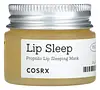
This hydrating lip mask is formulated around Petrolatum and Butyrospermum Parkii Butter to hydrate lips and strengthen the lip barrier.
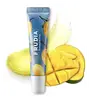
This hydrating lip mask is formulated around Petrolatum and Ricinus Communis Seed Oil to hydrate lips.

What's inside
What's inside
 Key Ingredients
Benefits
Concerns
Ingredients Side-by-side
Petrolatum
Emollient



Hydrogenated Polyisobutene
EmollientDiisostearyl Malate
EmollientPolyisobutene
Phytosteryl/Isostearyl/Cetyl/Stearyl/Behenyl Dimer Dilinoleate
Skin Conditioning

Butyrospermum Parkii Butter
Skin Conditioning


Microcrystalline Wax
Emulsion StabilisingSorbitan Sesquioleate
Emulsifying
Ethylene/Propylene/Styrene Copolymer
Euphorbia Cerifera Wax
Helianthus Annuus Seed Oil
Emollient
Butylene/Ethylene/Styrene Copolymer
Ethylhexylglycerin
Skin ConditioningGlycine Soja Oil
Emollient

Eclipta Prostrata Extract
Skin Conditioning
Beeswax
Emulsion Stabilising
Water
Skin ConditioningButylene Glycol
Humectant
Pentaerythrityl Tetra-Di-T-Butyl Hydroxyhydrocinnamate
Antioxidant
Honey Extract
Humectant
Melia Azadirachta Leaf Extract
Skin ConditioningBixa Orellana Seed Oil
Emollient
Royal Jelly Extract
Skin Conditioning
Glycerin
Humectant
Moringa Oleifera Seed Oil
Emollient
Propolis Extract
Skin Conditioning


1,2-Hexanediol
Skin Conditioning
Tocopherol
Antioxidant


Saccharomyces Ferment
Skin Conditioning
Honey
Humectant
Petrolatum, Hydrogenated Polyisobutene, Diisostearyl Malate, Polyisobutene, Phytosteryl/Isostearyl/Cetyl/Stearyl/Behenyl Dimer Dilinoleate, Butyrospermum Parkii Butter, Microcrystalline Wax, Sorbitan Sesquioleate, Ethylene/Propylene/Styrene Copolymer, Euphorbia Cerifera Wax, Helianthus Annuus Seed Oil, Butylene/Ethylene/Styrene Copolymer, Ethylhexylglycerin, Glycine Soja Oil, Eclipta Prostrata Extract, Beeswax, Water, Butylene Glycol, Pentaerythrityl Tetra-Di-T-Butyl Hydroxyhydrocinnamate, Honey Extract, Melia Azadirachta Leaf Extract, Bixa Orellana Seed Oil, Royal Jelly Extract, Glycerin, Moringa Oleifera Seed Oil, Propolis Extract, 1,2-Hexanediol, Tocopherol, Saccharomyces Ferment, Honey
Paraffinum Liquidum
Emollient
Petrolatum
Emollient
Microcrystalline Wax
Emulsion StabilisingHydrogenated Castor Oil Dimer Dilinoleate
Skin Conditioning
Paraffin
Skin Conditioning
Ricinus Communis Seed Oil
Masking
Diisostearyl Malate
EmollientBeeswax
Emulsion Stabilising
Silica Dimethyl Silylate
EmollientGlyceryl Caprylate
EmollientMauritia Flexuosa Fruit Oil
Skin Conditioning
Ethylene/Propylene/Styrene Copolymer
Butylene/Ethylene/Styrene Copolymer
Water
Skin ConditioningCitrus Limon Peel Oil
Masking


Glycerin
Humectant
Xylitol
Humectant
Vaccinium Angustifolium Fruit Extract
Skin Protecting
Honey Extract
Humectant
Citrus Aurantium Dulcis Peel Oil
Masking
Coco-Caprylate/Caprate
Emollient
Butylene Glycol
Humectant
Citrus Nobilis Peel Oil
Masking
Citrus Aurantium Bergamia Fruit Oil
Masking
Citrus Aurantifolia Oil
Cleansing
Caprylic/Capric Triglyceride
Masking
Butyrospermum Parkii Butter
Skin Conditioning
Vitis Vinifera Seed Oil
Emollient
Prunus Armeniaca Kernel Oil
Masking
Propylene Glycol
Humectant
Mentha Viridis Leaf Oil
Astringent
Polysorbate 80
Emulsifying
Hydrogenated Lecithin
Emulsifying
Stearic Acid
Cleansing
Tocopherol
Antioxidant
Ubiquinone
Antioxidant
Lactobacillus Ferment
Skin Conditioning
Glyceryl Citrate/Lactate/Linoleate/Oleate
Emulsifying
Ceteareth-20
Cleansing
Ceramide NP
Skin Conditioning
Tocopheryl Acetate
Antioxidant
Solanum Lycopersicum Seed Oil
Emollient
Punica Granatum Seed Oil
Emollient
Phytosphingosine
Skin Conditioning
Mangifera Indica Seed Oil
Emollient
Citrus Paradisi Seed Oil
Perfuming
Pyrus Malus Fruit Extract
Skin Conditioning
Citrus Paradisi Fruit Extract
Skin ConditioningAnanas Sativus Fruit Extract
Skin ConditioningEthylhexylglycerin
Skin ConditioningVitis Vinifera Fruit Extract
Skin ConditioningPrunus Persica Fruit Extract
Abrasive
Fragaria Vesca Fruit Extract
AstringentActinidia Chinensis Fruit Extract
EmollientRubus Idaeus Fruit Extract
AstringentRubus Fruticosus Fruit Extract
AstringentPunica Granatum Fruit Extract
Antioxidant
Prunus Mume Fruit Extract
Humectant
Propolis Extract
Skin Conditioning
Cornus Officinalis Fruit Extract
Skin ConditioningCitrus Aurantifolia Fruit Extract
Skin ConditioningChaenomeles Sinensis Fruit Extract
Antioxidant
Royal Jelly Extract
Skin Conditioning
Phenoxyethanol
Preservative
1,2-Hexanediol
Skin Conditioning
Parfum
Masking
Benzyl Alcohol
Perfuming
Limonene
Perfuming
Paraffinum Liquidum, Petrolatum, Microcrystalline Wax, Hydrogenated Castor Oil Dimer Dilinoleate, Paraffin, Ricinus Communis Seed Oil, Diisostearyl Malate, Beeswax, Silica Dimethyl Silylate, Glyceryl Caprylate, Mauritia Flexuosa Fruit Oil, Ethylene/Propylene/Styrene Copolymer, Butylene/Ethylene/Styrene Copolymer, Water, Citrus Limon Peel Oil, Glycerin, Xylitol, Vaccinium Angustifolium Fruit Extract, Honey Extract, Citrus Aurantium Dulcis Peel Oil, Coco-Caprylate/Caprate, Butylene Glycol, Citrus Nobilis Peel Oil, Citrus Aurantium Bergamia Fruit Oil, Citrus Aurantifolia Oil, Caprylic/Capric Triglyceride, Butyrospermum Parkii Butter, Vitis Vinifera Seed Oil, Prunus Armeniaca Kernel Oil, Propylene Glycol, Mentha Viridis Leaf Oil, Polysorbate 80, Hydrogenated Lecithin, Stearic Acid, Tocopherol, Ubiquinone, Lactobacillus Ferment, Glyceryl Citrate/Lactate/Linoleate/Oleate, Ceteareth-20, Ceramide NP, Tocopheryl Acetate, Solanum Lycopersicum Seed Oil, Punica Granatum Seed Oil, Phytosphingosine, Mangifera Indica Seed Oil, Citrus Paradisi Seed Oil, Pyrus Malus Fruit Extract, Citrus Paradisi Fruit Extract, Ananas Sativus Fruit Extract, Ethylhexylglycerin, Vitis Vinifera Fruit Extract, Prunus Persica Fruit Extract, Fragaria Vesca Fruit Extract, Actinidia Chinensis Fruit Extract, Rubus Idaeus Fruit Extract, Rubus Fruticosus Fruit Extract, Punica Granatum Fruit Extract, Prunus Mume Fruit Extract, Propolis Extract, Cornus Officinalis Fruit Extract, Citrus Aurantifolia Fruit Extract, Chaenomeles Sinensis Fruit Extract, Royal Jelly Extract, Phenoxyethanol, 1,2-Hexanediol, Parfum, Benzyl Alcohol, Limonene
Reviews
Ingredients Explained
These ingredients are found in both products.
Ingredients higher up in an ingredient list are typically present in a larger amount.
1,2-Hexanediol is a synthetic liquid and another multi-functional powerhouse.
It is a:
- Humectant, drawing moisture into the skin
- Emollient, helping to soften skin
- Solvent, dispersing and stabilizing formulas
- Preservative booster, enhancing the antimicrobial activity of other preservatives
Beeswax is natural wax produced by honey bees to build their honeycomb.
Because it forms a protective layer on your skin, it can help lock in moisture and reduce water loss. It is also widely used as a thickener and emulsifier in lip balms and lotions. Research suggests beeswax containing moisturizers can support skin barrier integrity.
In comedogenic testing, Beeswax scored a 0-2, which is on the low end. Whether or not a product clogs your pores really comes down to the formula as a whole (not any single ingredient on its own) and your skin.
Cera Alba is the white, bleached form of this ingredient.
Just so you know, beeswax is not vegan since it is animal-derived. It cannot be removed with water, but can be taken off with an oil cleanser.
People with a known Propolis allergy also report to have reactions from beeswax.
Beeswax's wax esters are derived primarily from palmitic and oleic acid (C16 and C18:1). Both of these fall within the C11-C24 feeding window.
The Malassezia yeast can potentially cleave these esters and release usable fatty acids, so this ingredient may not be fungal acne safe. However, not everyone will react to this ingredient.
Learn more about BeeswaxButylene Glycol (or BG) is used within cosmetic products for a few different reasons:
Overall, Butylene Glycol is a safe and well-rounded ingredient that works well with other ingredients.
Though this ingredient works well with most skin types, some people with sensitive skin may experience a reaction such as allergic rashes, closed comedones, or itchiness.
Learn more about Butylene GlycolThis ingredient is a high-molecular weight synthetic polymer. It is used to modify the viscosity of a formula, improve slip, and create a more "cushiony" texture.
Due to its large molecular size, this ingredient is not absorbed into the skin.
This ingredient is also known as shea butter. It is a plant-derived extract from the nuts of the Africa shea tree and one of the most well-studied emollients.
Because it has a high concentration of fatty acids (primarily oleic, stearic, and linoleic) it is able to form a protective barrier on the skin's surface. This helps seal in moisture and prevents transepidermal water loss (TEWL).
In vitro research found an increase in skin hydration by 58% and a decrease in TEWL by 37.8% after 24 hours of applying this ingredient (pretty impressive for a single ingredient!).
Besides hydration, shea butter also contains triterpenes that have anti-inflammatory potential. In particule, lupeol cinnamate has shown the highest anti-inflammatory activity in vivo.
Shea butter also contains vitamins A and E which may contribute to antioxidant activity.
While Shea Butter has an SPF rating of about 3-4, it is not a sunscreen replacement.
This ingredient may not be fungal acne safe because its fatty acids fall within the C11-C24 range that the Malassezia yeast can metabolize.
This ingredient shows up on a lot of "pore-clogging" lists but there's no real evidence behind that. It doesn't even have a comedogenic rating from an actual study; the numbers you'll find online come from blogs citing other blogs.
Ratings for other ingredients mostly come from a 1980s rabbit ear test. This test doesn't translate well to human skin or to real products because the ingredient sits at a much lower percentage.
Some people still find it breaks them out. So if that's you, definitely trust your skin. Just know this one's based on experience and not evidence.
Learn more about Butyrospermum Parkii ButterDiisostearyl Malate is an emollient and most often used in lip products. It comes from isostearyl alcohol, a fatty acid, and malic acid, an AHA.
As an emollient, Diisostearyl Malate helps create a thin film on your skin to trap moisture in. This helps keep your skin soft and smooth.
This is a synthetic polymer used to thicken formulas, improve texture, and enhance spreadability.
Due to its large molecule size, this ingredient does not penetrate the skin and is considered well-tolerated.
Ethylhexylglycerin is created from glycerin. It is a multitasker ingredient that:
The CIR Expert Panel found minimal skin absorption or sensitization of any kind in a safety assessment. Though this ingredient is considered well-tolerated, a small number of cases of allergic dermatitis have been published since 2002. Just be sure to patch test if you are unsure.
Industry-reported use ranges from 8% in rinse-off products and 2% in leave-on formulations.
Learn more about EthylhexylglycerinGlycerin (or glycerol) is a compound naturally found in your skin. It's a powerhouse humectant that pulls water into the stratum corneum.
Topically, glycerin does several things at once:
Your skin makes glycerin on its own (mostly from sebaceous oil breakdown) and shuttles it to your outermost layer of skin, or your epidermis, via aquaporin-3.
Aquaporin-3 is a transporter that is essential for normal skin hydration, elasticity, and repair. Interestingly, mice lacking in AQP3 have dry and less elastic skin that can be fully corrected with glycerin.
This ingredient is non-irritating, plays well with almost every ingredient, and works across all skin types. Typical use is anywhere between 3-10% but can go up to 79% in some leave-on products.
Just know very high concentrations (>40%) can feel tacky in low humidity.
Glycerin is the name for this ingredient in American English. British English uses Glycerol/Glycerine.
Learn more about GlycerinThis ingredient comes from honey made by bees. It is hydrating, antibacterial, anti-aging, and skin soothing.
Honey also contains amino acids, peptides, Vitamins A, C, and E.
The humectant property of honey draws moisture from the air to your skin. This makes it great at helping to hydrate the skin.
Honey may help reduce the signs of aging due to its antioxidant properties. Fun fact: darker honey has more antioxidants than light honey. The antibacterial property of honey may make it effective at helping to treat acne by killing acne-causing bacteria.
Many people wonder if honey extract is vegan. It is technically a byproduct from bees. This is because honey is created from the digestive enzymes in a bee's stomach.
Remember to be kind to bees :) They are important for many ecosystems and are endangered.
Learn more about Honey ExtractMicrocrystalline Wax is derived from petroleum through a de-oiling process, then highly refined and purified before use in cosmetics.
In skincare formulations, it is used to improve texture and create a smooth, even consistency. It also helps stabilize products by preventing ingredients from separating.
Petrolatum is more commonly known as petroleum jelly. It is created by mixing waxes and mineral oils.
This ingredient is effective at reducing water loss by 99%. This is because it is an occlusive. Occlusives create a hydrophobic barrier on the skin to prevent evaporation. This property makes it great for hydrating dry skin.
Pro tip: Use occlusives, such as this ingredient, on damp skin for the best results.
The quality or origin of petrolatum is only known when disclosed by the brand. Most cosmetic petrolatum has gone through several purification stages.
Another benefit of occlusives is it protects your skin against infection or allergies.
Petrolatum is fungal acne safe. It is a hydrocarbon with no fatty acid structure, so Malassezia cannot metabolize it. In-vitro studies support negligible growth stimulation as well.
It's also worth noting that petrolatum has a comedogenic rating of 0. In updated rabbit ear testing (and in human testing), petrolatum was found to be not comedogenic. This means it didn’t promote comedone formation in standard models.
Learn more about PetrolatumPropolis Extract is a natural ingredient derived from propolis (also known as bee glue). Bees make propolis by mixing their saliva and beeswax with resins collected from tree buds and plants.
This ingredient is packed with bioactive compounds like flavonoids, phenolic acids, and amino acids that give it antioxidant and anti-inflammatory properties.
Research shows it can help:
It also pairs nicely with hydrating ingredients like niacinamide and ceramides.
Just so you know, Propolis Extract is recognized as a contact allergen. In patch tests done in the EU, roughly 1-6% of patients react to it. Be sure to steer clear of this ingredient if you have a known allergy to bee products.
Since it is an animal-derived product, this ingredient is not considered vegan. For vegan alternatives, check out Galactomyces Ferment Filtrate or Centella Asiatica Extract.
Learn more about Propolis ExtractRoyal Jelly Extract comes from a secretion made by worker honeybees. This secretion is white and described as creamy.
This compound has antibacterial, anti-aging, and anti-inflammatory properties.
Studies show Royal Jelly to contain amino acids, fatty acids, and a variety of vitamins, including Vitamin Bs. Many of these components are antioxidants, which help with anti-aging. The fatty acids in Royal Jelly make it a hydrating ingredient.
Several animal studies show Royal Jelly to boost collagen production and reduce inflammation.
The Vitamin Bs found in Royal Jelly include:
Royal Jelly is derived from honeybees. This means it is not vegan.
Learn more about Royal Jelly ExtractTocopherol is a fat-soluble antioxidant known as Vitamin E.
You'll find this ingredient in the vast majority of skincare (for good reason). It works to neutralize free radicals, or unstable molecules generated by UV exposure, pollution, and other environmental stressors, before they can cause oxidative damage to your skin cells.
Topically applied tocopherol has been shown to protect against UV damage by ramping up the skin's own natural defense enzymes.
It also acts as a skin conditioning agent; some studies show that regular topical use can improve the skin's water-binding capacity over 2-4 weeks.
This ingredient is especially loved for being a team player. When combined with Vitamin C, the photoprotective effect of both ingredients roughly doubles and the combo also helps reduce UV-induced DNA damage.
This ingredient has some brightening potential but it's more of a prevention ingredient than spot-fader. Cell studies show it can slow down melanin production but it's worth noting that it's not the most powerful brightener out there.
In formulations, it also serves as a stabilizer that helps protect other oxidation-prone ingredients from degrading.
Concentrations usually range from 0.1-1% in most leave-on products.
Learn more about TocopherolWater. It's the most common cosmetic ingredient of all. You'll usually see it at the top of ingredient lists, meaning that it makes up the largest part of the product.
So why is it so popular? Water most often acts as a solvent - this means that it helps dissolve other ingredients into the formulation.
You'll also recognize water as that liquid we all need to stay alive. If you see this, drink a glass of water. Remember to stay hydrated!
Learn more about Water

