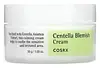
This acne moisturizer is formulated around Centella Asiatica Leaf Water and Zinc Oxide to clear breakouts and calm redness.
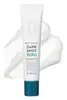
This brightening treatment is formulated around Niacinamide and Salix Alba Bark Water to fade the look of dark spots and refine skin texture.

What's inside
What's inside
 Key Ingredients
Benefits
Concerns
Ingredients Side-by-side
Centella Asiatica Leaf Water
Skin Conditioning


Butylene Glycol
Humectant
Glycerin
Humectant
Helianthus Annuus Seed Oil
Emollient


Zinc Oxide
Cosmetic Colorant


Dimethicone
Emollient
Betaine
Humectant
1,2-Hexanediol
Skin Conditioning
Viola Tricolor Extract
EmollientElaeis Guineensis Oil
Emollient
Elaeis Guineensis Kernel Oil
Emollient
Cetearyl Alcohol
Emollient




Cetearyl Olivate
Sorbitan Olivate
Emulsifying
Centella Asiatica Extract
Cleansing

Zinc PCA
Humectant


Hydroxyethyl Acrylate/Sodium Acryloyldimethyl Taurate Copolymer
Emulsion StabilisingXanthan Gum
EmulsifyingMelaleuca Alternifolia Leaf Oil
Antioxidant



Scutellaria Baicalensis Root Extract
Astringent
Centella Asiatica Leaf Water, Butylene Glycol, Glycerin, Helianthus Annuus Seed Oil, Zinc Oxide, Dimethicone, Betaine, 1,2-Hexanediol, Viola Tricolor Extract, Elaeis Guineensis Oil, Elaeis Guineensis Kernel Oil, Cetearyl Alcohol, Cetearyl Olivate, Sorbitan Olivate, Centella Asiatica Extract, Zinc PCA, Hydroxyethyl Acrylate/Sodium Acryloyldimethyl Taurate Copolymer, Xanthan Gum, Melaleuca Alternifolia Leaf Oil, Scutellaria Baicalensis Root Extract
Water
Skin ConditioningGlycerin
Humectant
Butylene Glycol
Humectant
Cetearyl Alcohol
Emollient
Niacinamide
Smoothing


Butylene Glycol Dicaprylate/Dicaprate
EmollientSorbitan Stearate
Emulsifying
Caprylic/Capric Triglyceride
Masking
Dimethicone
Emollient
Salix Alba Bark Water
Astringent
1,2-Hexanediol
Skin Conditioning
Phytosteryl Macadamiate
Skin Conditioning
PEG-60 Hydrogenated Castor Oil
Emulsifying
Methyl Methacrylate Crosspolymer
Stearic Acid
Cleansing
Palmitic Acid
Emollient
Sucrose Cocoate
Emulsifying
Polyacrylate Crosspolymer-6
Emulsion StabilisingC10-18 Triglycerides
Emollient
Sodium Acrylate/Sodium Acryloyldimethyl Taurate Copolymer
Emulsion StabilisingIllicium Verum Fruit Extract
Perfuming
Retinyl Palmitate
Skin Conditioning
Isohexadecane
EmollientPolyacrylate-13
Parfum
Masking
Adenosine
Skin Conditioning
Glyceryl Acrylate/Acrylic Acid Copolymer
HumectantScutellaria Baicalensis Root Extract
Astringent
Propylene Glycol
Humectant
Polyisobutene
Polysorbate 80
Emulsifying
Pvm/Ma Copolymer
Emulsion StabilisingPanthenol
Skin Conditioning
Bisabolol
Antioxidant
Betaine
Humectant
Ascorbyl Tetraisopalmitate
Antioxidant
Allantoin
Skin Conditioning
3-O-Ethyl Ascorbic Acid
Skin Conditioning
Tranexamic Acid
Astringent
Sorbitan Oleate
Emulsifying
Pentylene Glycol
Skin Conditioning
Sorbitan Isostearate
Emulsifying
Polysorbate 20
Emulsifying
Propanediol
Solvent
Tocopherol
Antioxidant
Stearyl Glycyrrhetinate
Skin ConditioningSerine
Masking
Salix Alba Bark Extract
Astringent
Biotin
AntiseborrhoeicArginine
Masking
Salicylic Acid
Masking

Tromethamine
BufferingGlycolipids
Skin ConditioningPolyglutamic Acid
Skin Conditioning
Zinc PCA
Humectant
Olea Europaea Leaf Extract
Perfuming
Madecassoside
Antioxidant
Ascorbyl Glucoside
Antioxidant
Asiaticoside
Antioxidant
Ascorbic Acid
Antioxidant
Ethyl Hexanediol
SolventCynanchum Atratum Extract
Skin ConditioningMadecassic Acid
Skin Conditioning
Asiatic Acid
Skin Conditioning
Methionine
Skin ConditioningCysteine
Antioxidant
Copper Tripeptide-1
Skin Conditioning
Acetyl Hexapeptide-8
Humectant
Palmitoyl Pentapeptide-4
Skin Conditioning
Oligopeptide-1
Skin Conditioning
Oligopeptide-2
Skin Conditioning
Water, Glycerin, Butylene Glycol, Cetearyl Alcohol, Niacinamide, Butylene Glycol Dicaprylate/Dicaprate, Sorbitan Stearate, Caprylic/Capric Triglyceride, Dimethicone, Salix Alba Bark Water, 1,2-Hexanediol, Phytosteryl Macadamiate, PEG-60 Hydrogenated Castor Oil, Methyl Methacrylate Crosspolymer, Stearic Acid, Palmitic Acid, Sucrose Cocoate, Polyacrylate Crosspolymer-6, C10-18 Triglycerides, Sodium Acrylate/Sodium Acryloyldimethyl Taurate Copolymer, Illicium Verum Fruit Extract, Retinyl Palmitate, Isohexadecane, Polyacrylate-13, Parfum, Adenosine, Glyceryl Acrylate/Acrylic Acid Copolymer, Scutellaria Baicalensis Root Extract, Propylene Glycol, Polyisobutene, Polysorbate 80, Pvm/Ma Copolymer, Panthenol, Bisabolol, Betaine, Ascorbyl Tetraisopalmitate, Allantoin, 3-O-Ethyl Ascorbic Acid, Tranexamic Acid, Sorbitan Oleate, Pentylene Glycol, Sorbitan Isostearate, Polysorbate 20, Propanediol, Tocopherol, Stearyl Glycyrrhetinate, Serine, Salix Alba Bark Extract, Biotin, Arginine, Salicylic Acid, Tromethamine, Glycolipids, Polyglutamic Acid, Zinc PCA, Olea Europaea Leaf Extract, Madecassoside, Ascorbyl Glucoside, Asiaticoside, Ascorbic Acid, Ethyl Hexanediol, Cynanchum Atratum Extract, Madecassic Acid, Asiatic Acid, Methionine, Cysteine, Copper Tripeptide-1, Acetyl Hexapeptide-8, Palmitoyl Pentapeptide-4, Oligopeptide-1, Oligopeptide-2
Reviews
Ingredients Explained
These ingredients are found in both products.
Ingredients higher up in an ingredient list are typically present in a larger amount.
1,2-Hexanediol is a synthetic liquid and another multi-functional powerhouse.
It is a:
- Humectant, drawing moisture into the skin
- Emollient, helping to soften skin
- Solvent, dispersing and stabilizing formulas
- Preservative booster, enhancing the antimicrobial activity of other preservatives
Betaine is a humectant. Like hyaluronic acid, it helps attract and retain moisture in the skin. It’s known for being gentle and for helping the skin maintain balanced hydration.
Betaine is mainly used to improve hydration and support calmer skin. It helps skin cells regulate water balance because it functions as an osmolyte.
Some studies suggest betaine may support making skin tone more even.
Fun fact: Betaine naturally exists in the skin and the body. In cosmetic products, it can be either plant-derived (most commonly from sugar beets) or synthetically produced for consistency and stability.
Betaine is also known as trimethylglycine.
Learn more about BetaineButylene Glycol (or BG) is used within cosmetic products for a few different reasons:
Overall, Butylene Glycol is a safe and well-rounded ingredient that works well with other ingredients.
Though this ingredient works well with most skin types, some people with sensitive skin may experience a reaction such as allergic rashes, closed comedones, or itchiness.
Learn more about Butylene GlycolCetearyl alcohol is a waxy mixture of two fatty alcohols: cetyl alcohol and stearyl alcohol. It is an emollient and emulsifier.
Despite having "alcohol" in its name, it has nothing to do with drying solvent alcohols; the FDA also allows "alcohol-free" products to contain fatty alcohols like this ingredient.
It plays several roles in a formula:
Typical use levels for this ingredient sit around 1-10% and the Cosmetic Ingredient Review Expert Panel has affirmed safety at concentrations up to 25% in leave-on products.
Multiple assessments have found it to be non-irritating and non-sensitizing to most people.
However, there have been some cases of allergic contact dermatitis in patients with chronically compromised skin barriers.
Cetearyl alcohol has a comedogenic rating of 2 and irritancy rating of 1. Both of these numbers come from the 1989 study that used rabbit ears; a "2" means mildly comedogenic and a "1" means low irritancy.
Here's the catch: rabbit skin is more sensitive than human skin and throws a lot of false positives. A 1996 reappraisal found that ingredients rated 1-2 in the rabbit ear tests are generally safe for humans.
Remember comedogenic ratings are unable to assess the entire formula of a product or how it will react on your skin. Just be sure to patch test if you are unsure about certain ingredients.
This ingredient is not fungal acne safe. Cetearyl alcohol is a fatty alcohol with chain lengths that fall within the range that Malassezia can metabolize.
A 2019 study has also observed Malassezia growth in the presence of this ingredient, confirming it to be not-fungal acne safe.
Learn more about Cetearyl AlcoholDimethicone is a type of synthetic silicone created from natural materials such as quartz. It is also known as polydimethylsiloxane.
What it does:
Dimethicone comes in different viscosities:
Depending on the viscosity, dimethicone has different properties.
Ingredients lists don't always show which type is used, so we recommend reaching out to the brand if you have questions about the viscosity.
This ingredient is unlikely to cause irritation because it does not get absorbed into skin. However, people with silicone allergies should be careful about using this ingredient.
Note: Dimethicone may contribute to pilling. This is because it is not oil or water soluble, so pilling may occur when layered with products. When mixed with heavy oils in a formula, the outcome is also quite greasy.
Learn more about DimethiconeGlycerin (or glycerol) is a compound naturally found in your skin. It's a powerhouse humectant that pulls water into the stratum corneum.
Topically, glycerin does several things at once:
Your skin makes glycerin on its own (mostly from sebaceous oil breakdown) and shuttles it to your outermost layer of skin, or your epidermis, via aquaporin-3.
Aquaporin-3 is a transporter that is essential for normal skin hydration, elasticity, and repair. Interestingly, mice lacking in AQP3 have dry and less elastic skin that can be fully corrected with glycerin.
This ingredient is non-irritating, plays well with almost every ingredient, and works across all skin types. Typical use is anywhere between 3-10% but can go up to 79% in some leave-on products.
Just know very high concentrations (>40%) can feel tacky in low humidity.
Glycerin is the name for this ingredient in American English. British English uses Glycerol/Glycerine.
Learn more about GlycerinScutellaria Baicalensis Root Extract comes from the Baikal skullcap or Chinese skullcap plant. This plant is native to Northeast Asia and can be found in China, Mongolia, Korea, and Siberia.
In cosmetics, Scutellaria Baicalensis Root Extract provides antioxidant and anti-inflammatory benefits. This is due to the flavonoid composition of Scutellaria Baicalensis Root Extract.
In Chinese traditional folk medicine, Scutellaria Baicalensis Root Extract is used to help treat lung issues and hypertension.
Learn more about Scutellaria Baicalensis Root ExtractZinc PCA is a clever two-in-one molecule: the zinc salt of pyrrolidone carboxylic acid (PCA).
Think of it as two useful things bonded together; the PCA half is one of your skin's own natural moisturizing factors (NMF) so it helps hold water in the upper layers. On the other hand, the zinc half does the heavy lifting on oil and bacteria.
The zinc part slows down an enzyme that turns testosterone into DHT, the hormone that tells your oil glands to pump out more sebum. Less of that signal means less oil. It also gently fights acne-causing bacteria and soothes redness/irritation.
This is why Zinc PCA often shows up in products for oily, breakout-prone skin and greasy scalps.
One lab study also hinted it might have a small anti-aging perk because it seemed to protect collagen from UVA damage and even helped the skin make a bit more of it. That last bit is still early research done in a dish and not real skin, so take it as a nice bonus rather than a promise for now.
As for scar healing, the picture is more "maybe" than a firm yes. Zinc itself plays a real role in wound repair because it is a cofactor for the enzymes involved in collagen building, calming inflammation, and helping new skin cells cover a wound. Lower zinc levels are also linked to slower healing.
Most of the scar healing research is on zinc oxide or oral zinc rather than zinc PCA specifically, with a focus on healing fresh wounds instead of scars that are already there.
Direct evidence that zinc PCA improves the look of established scars is still limited at this time. Though it would be fair to say zinc PCA supports the general skin-repair environment thanks to its zinc content .
This ingredient is water-soluble and plays nicely with other actives like niacinamide and salicylic acid. It works best at mildly acidic formulas (~4-6 pH) and is effective at low levels. Around 0.1% is enough to be active and finished products commonly use it anywhere up to 4%.
Overall, this is a well-tolerated, low-drama multitasker that suits oily and acne-prone skin.
Learn more about Zinc PCA


