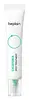
This calming treatment is formulated around Centella Asiatica Extract and Capryloyl Salicylic Acid to calm redness and clear breakouts.
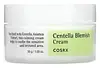
This acne moisturizer is formulated around Centella Asiatica Leaf Water and Zinc Oxide to clear breakouts and calm redness.

What's inside
What's inside
 Key Ingredients
Benefits
Concerns
Ingredients Side-by-side
Centella Asiatica Extract 47.4%
Cleansing





Triethylhexanoin
MaskingGlycerin
Humectant
Lauryl Polyglyceryl-3 Polydimethylsiloxyethyl Dimethicone
Skin Conditioning
Boron Nitride
Absorbent
C12-15 Alkyl Benzoate
AntimicrobialPentylene Glycol
Skin Conditioning
Polymethylsilsesquioxane
Dipropylene Glycol
HumectantMethylpropanediol
SolventIsododecane
EmollientDisteardimonium Hectorite
StabilisingPanthenol
Skin Conditioning
1,2-Hexanediol
Skin Conditioning
Acrylates/Polytrimethylsiloxymethacrylate Copolymer
Skin ConditioningWater
Skin ConditioningMagnesium Sulfate
Capryloyl Salicylic Acid
Exfoliating



Dicaprylyl Carbonate
EmollientAllantoin
Skin Conditioning
Dipotassium Glycyrrhizate
Humectant
Hydroxyacetophenone
Antioxidant
Madecassic Acid
Skin Conditioning
Caprylic/Capric Triglyceride
Masking
Hydrogenated Lecithin
Emulsifying
Asiaticoside
Antioxidant
Asiatic Acid
Skin Conditioning
Candida Bombicola/Glucose/Methyl Rapeseedate Ferment
AntimicrobialBeta-Sitosterol
Emulsion Stabilising
Caramel
Cosmetic ColorantMadecassoside
Antioxidant
Melia Azadirachta Flower Extract
Skin ConditioningVitis Vinifera Seed Oil
Emollient


Ocimum Sanctum Leaf Extract
Skin ConditioningMelia Azadirachta Leaf Extract
Skin ConditioningTotarol
Antioxidant
Centella Asiatica Leaf Extract
Skin Conditioning
Curcuma Longa Root Extract
Antioxidant
Corallina Officinalis Extract
Skin Conditioning
Ceramide NP
Skin Conditioning
Tocopherol
Antioxidant

Helianthus Annuus Seed Oil
Emollient
Centella Asiatica Extract 47.4%, Triethylhexanoin, Glycerin, Lauryl Polyglyceryl-3 Polydimethylsiloxyethyl Dimethicone, Boron Nitride, C12-15 Alkyl Benzoate, Pentylene Glycol, Polymethylsilsesquioxane, Dipropylene Glycol, Methylpropanediol, Isododecane, Disteardimonium Hectorite, Panthenol, 1,2-Hexanediol, Acrylates/Polytrimethylsiloxymethacrylate Copolymer, Water, Magnesium Sulfate, Capryloyl Salicylic Acid, Dicaprylyl Carbonate, Allantoin, Dipotassium Glycyrrhizate, Hydroxyacetophenone, Madecassic Acid, Caprylic/Capric Triglyceride, Hydrogenated Lecithin, Asiaticoside, Asiatic Acid, Candida Bombicola/Glucose/Methyl Rapeseedate Ferment, Beta-Sitosterol, Caramel, Madecassoside, Melia Azadirachta Flower Extract, Vitis Vinifera Seed Oil, Ocimum Sanctum Leaf Extract, Melia Azadirachta Leaf Extract, Totarol, Centella Asiatica Leaf Extract, Curcuma Longa Root Extract, Corallina Officinalis Extract, Ceramide NP, Tocopherol, Helianthus Annuus Seed Oil
Centella Asiatica Leaf Water
Skin Conditioning
Butylene Glycol
Humectant
Glycerin
Humectant
Helianthus Annuus Seed Oil
Emollient
Zinc Oxide
Cosmetic Colorant

Dimethicone
Emollient
Betaine
Humectant
1,2-Hexanediol
Skin Conditioning
Viola Tricolor Extract
EmollientElaeis Guineensis Oil
Emollient
Elaeis Guineensis Kernel Oil
Emollient
Cetearyl Alcohol
Emollient



Cetearyl Olivate
Sorbitan Olivate
Emulsifying
Centella Asiatica Extract
Cleansing
Zinc PCA
Humectant
Hydroxyethyl Acrylate/Sodium Acryloyldimethyl Taurate Copolymer
Emulsion StabilisingXanthan Gum
EmulsifyingMelaleuca Alternifolia Leaf Oil
Antioxidant

Scutellaria Baicalensis Root Extract
Astringent
Centella Asiatica Leaf Water, Butylene Glycol, Glycerin, Helianthus Annuus Seed Oil, Zinc Oxide, Dimethicone, Betaine, 1,2-Hexanediol, Viola Tricolor Extract, Elaeis Guineensis Oil, Elaeis Guineensis Kernel Oil, Cetearyl Alcohol, Cetearyl Olivate, Sorbitan Olivate, Centella Asiatica Extract, Zinc PCA, Hydroxyethyl Acrylate/Sodium Acryloyldimethyl Taurate Copolymer, Xanthan Gum, Melaleuca Alternifolia Leaf Oil, Scutellaria Baicalensis Root Extract
Reviews
Ingredients Explained
These ingredients are found in both products.
Ingredients higher up in an ingredient list are typically present in a larger amount.
1,2-Hexanediol is a synthetic liquid and another multi-functional powerhouse.
It is a:
- Humectant, drawing moisture into the skin
- Emollient, helping to soften skin
- Solvent, dispersing and stabilizing formulas
- Preservative booster, enhancing the antimicrobial activity of other preservatives
Centella Asiatica Extract (Centella) is one of the most researched botanical extracts in skincare with decades of studies backing its effects on inflammation, collagen, and the skin barrier.
That research keeps pointing back to the same four triterpenoid saponins: Asiaticoside, Madecassoside, Asiatic Acid, and Madecassic Acid.
These compounds allow centella to dial back inflammation, encourage the skin to build and hold onto collagen, support the barrier and hydration, and bring solid antioxidant activity to protect against signs of aging.
Centella also carries a nice supporting cast of Vitamin A, vitamin C, several B vitamins, and amino acids. Put it all together and you get an ingredient that soothes, hydrates, and protects, all at once.
Most of centella's magic comes from the four big compounds (Asiaticoside, Madecassoside, Asiatic Acid, and Madecassic Acid). These are the actives doing the heavy lifting in almost every centella study.
Here is the short version of what they do in the skin:
So it is not just soothing for the sake of soothing. Centella calms the skin AND helps it rebuild.
Just FYI, not all centella on an ingredient list is the same. What you are getting actually depends on the extract:
Fun fact on the ratios: the leaves tend to be richest in Madecassoside and Asiaticoside, and lower in the two acids. The exact amounts shift with where the plant is grown and how it is processed. This means purity really does vary brand to brand.
Centella is one of the most easygoing actives out there.
It layers well with basically everything: niacinamide, hyaluronic acid, peptides, and vitamin C, and also pairs nicely with stronger actives like retinoids and exfoliating acids where it can help take the edge off irritation.
On the safety side, centella and its triterpenes are classified as weak sensitizers, meaning allergic reactions are possible but uncommon.
Patch tests at 1% and 5% came back negative in test panels, and creams at typical use levels did not cause allergic reactions across large groups of people.
But as with any new active, a patch test is still a smart move for very reactive skin.
Centella is widely used because it is effective at low percentages. For context, human safety testing found no meaningful irritation from creams containing centella extract at everyday use levels (the tested amounts were well under 1%).
The irritancy threshold in animal testing was also above 30% (so real-world formulas sit far below anything concerning).
In collagen lab studies, higher concentrations drove more collagen synthesis, so serums built around centella tend to feature it more prominently.
Bottom line: you will find centella working nicely anywhere from a fraction of a percent up to hero-ingredient levels depending on whether it is a supporting soother or the main event.
Fun fact: Centella has been used as a medicine and in food for many centuries. As a medicine, it is used to treat burns, scratches, and wounds.
Learn more about Centella Asiatica ExtractGlycerin (or glycerol) is a compound naturally found in your skin. It's a powerhouse humectant that pulls water into the stratum corneum.
Topically, glycerin does several things at once:
Your skin makes glycerin on its own (mostly from sebaceous oil breakdown) and shuttles it to your outermost layer of skin, or your epidermis, via aquaporin-3.
Aquaporin-3 is a transporter that is essential for normal skin hydration, elasticity, and repair. Interestingly, mice lacking in AQP3 have dry and less elastic skin that can be fully corrected with glycerin.
This ingredient is non-irritating, plays well with almost every ingredient, and works across all skin types. Typical use is anywhere between 3-10% but can go up to 79% in some leave-on products.
Just know very high concentrations (>40%) can feel tacky in low humidity.
Glycerin is the name for this ingredient in American English. British English uses Glycerol/Glycerine.
Learn more about GlycerinHelianthus Annuus Seed Oil is a plant oil derived from the seeds of a sunflower.
It is rich in fatty acids, primarily linoleic acid and oleic acid. This gives it emollient and skin conditioning properties.
The reason this ingredient is so effective is because it forms a thin film on the skin that reduces transepidermal water loss (TEWL) while supplying linoleic acid to the stratum corneum to improve barrier strength.
The high linoleic acid content is particularly noteworthy for acne-prone skin.
Research suggests that acne-prone skin tends to be deficient in linoleic acid in sebum. Topical application may help replenish this to support a healthier follicular environment and less comedone-promoting sebum.
One randomized study found sunflower seed oil preserved skin barrier integrity in adult volunteers with and without atopic dermatitis (outperforming olive oil).
This ingredient is well-studied, gentle, and an effective emollient suitable for most skin types.
On fungal acne: This ingredient may not be Fungal acne (Malassezia folliculitis) safe. This is because it contains fatty acids with carbon chain lengths in the C11-C24 range.
Learn more about Helianthus Annuus Seed Oil

