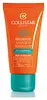
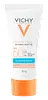
COLLISTAR Milano Active Protection Sun Face Cream Hyper-sensitive Skins SPF 50+ Versus Vichy Capital Soleil Hydra-Matte Facial Sunscreen SPF 50
This chemical sunscreen covers the full UV range and blocks ~98% of UVB at SPF 50.
This hybrid sunscreen covers the full UV range and blocks ~98% of UVB at SPF 50.


What's inside
What's inside
 Key Ingredients
Benefits
Concerns
Ingredients Side-by-side
Water
Skin ConditioningDibutyl Adipate
EmollientC12-15 Alkyl Benzoate
AntimicrobialDiethylamino Hydroxybenzoyl Hexyl Benzoate
UV Filter
Ethylhexyl Salicylate
UV Absorber
Phenylbenzimidazole Sulfonic Acid
UV Absorber
Arginine
Masking

Ethylhexyl Triazone
UV Absorber
Bis-Ethylhexyloxyphenol Methoxyphenyl Triazine
UV Absorber
Diethylhexyl Butamido Triazone
UV Absorber
Polyester-5
Tris-Biphenyl Triazine
UV Absorber
Pentylene Glycol
Skin Conditioning
Methylene Bis-Benzotriazolyl Tetramethylbutylphenol
UV Filter
Coco-Caprylate
Emollient
Polyacrylate Crosspolymer-6
Emulsion StabilisingLauroyl Lysine
Skin Conditioning
1,2-Hexanediol
Skin Conditioning
Acrylates/Palmeth-25 Acrylate Copolymer
Potassium Cetyl Phosphate
EmulsifyingDecyl Glucoside
Cleansing
Hydroxyacetophenone
Antioxidant
Caprylyl Glycol
Emollient
Chlorphenesin
Antimicrobial
Caprylhydroxamic Acid
Xanthan Gum
EmulsifyingEthylhexylglycerin
Skin ConditioningSodium Stearoyl Glutamate
CleansingPolyglyceryl-3 Cocoate
Emulsifying



Lecithin
Emollient
Tetrasodium Glutamate Diacetate
Tocopheryl Acetate
Antioxidant

Glycerin
Humectant
Opuntia Ficus-Indica Stem Extract
Skin Conditioning
Tocopherol
Antioxidant


Butylene Glycol
Humectant
Disodium Phosphate
BufferingEctoin
Skin Conditioning
Ascorbyl Palmitate
Antioxidant
Saccharomyces Ferment Lysate Filtrate
Skin Conditioning
Propylene Glycol
Humectant
Canola Oil
Emollient


Amylopectin
Citric Acid
Buffering
Humulus Lupulus Extract
AntimicrobialSodium Benzoate
Masking
Potassium Sorbate
Preservative
Caprylic/Capric Triglyceride
Masking
Daucus Carota Sativa Root Extract
Skin Conditioning
Daucus Carota Sativa Seed Oil
Emollient
Ascorbyl Tetraisopalmitate
Antioxidant
Carbomer
Emulsion StabilisingBeta-Carotene
Skin ConditioningHelianthus Annuus Seed Oil
Emollient
DNA
Skin ConditioningWater, Dibutyl Adipate, C12-15 Alkyl Benzoate, Diethylamino Hydroxybenzoyl Hexyl Benzoate, Ethylhexyl Salicylate, Phenylbenzimidazole Sulfonic Acid, Arginine, Ethylhexyl Triazone, Bis-Ethylhexyloxyphenol Methoxyphenyl Triazine, Diethylhexyl Butamido Triazone, Polyester-5, Tris-Biphenyl Triazine, Pentylene Glycol, Methylene Bis-Benzotriazolyl Tetramethylbutylphenol, Coco-Caprylate, Polyacrylate Crosspolymer-6, Lauroyl Lysine, 1,2-Hexanediol, Acrylates/Palmeth-25 Acrylate Copolymer, Potassium Cetyl Phosphate, Decyl Glucoside, Hydroxyacetophenone, Caprylyl Glycol, Chlorphenesin, Caprylhydroxamic Acid, Xanthan Gum, Ethylhexylglycerin, Sodium Stearoyl Glutamate, Polyglyceryl-3 Cocoate, Lecithin, Tetrasodium Glutamate Diacetate, Tocopheryl Acetate, Glycerin, Opuntia Ficus-Indica Stem Extract, Tocopherol, Butylene Glycol, Disodium Phosphate, Ectoin, Ascorbyl Palmitate, Saccharomyces Ferment Lysate Filtrate, Propylene Glycol, Canola Oil, Amylopectin, Citric Acid, Humulus Lupulus Extract, Sodium Benzoate, Potassium Sorbate, Caprylic/Capric Triglyceride, Daucus Carota Sativa Root Extract, Daucus Carota Sativa Seed Oil, Ascorbyl Tetraisopalmitate, Carbomer, Beta-Carotene, Helianthus Annuus Seed Oil, DNA
Water
Skin ConditioningTitanium Dioxide
Cosmetic Colorant
C12-15 Alkyl Benzoate
AntimicrobialSilicon
Abrasive
Bis-Ethylhexyloxyphenol Methoxyphenyl Triazine
UV Absorber
Diisopropyl Sebacate
EmollientEthylhexyl Triazone
UV Absorber
Butyl Methoxydibenzoylmethane
UV Absorber
Isopropyl Myristate
Emollient
Sodium Glycogen Octenylsuccinate
HumectantAluminum Starch Octenylsuccinate
Absorbent
Caprylyl Methicone
Skin Conditioning
Pentylene Glycol
Skin Conditioning
Potassium Cetyl Phosphate
EmulsifyingTriethanolamine
BufferingDicaprylyl Ether
Emollient
Propylene Glycol Propyl Ether
SolventPolyamide-5
Skin ConditioningPhenethyl Benzoate
Emollient

Stearic Acid
Cleansing
Glyceryl Stearate
Emollient
PEG-40 Stearate
Emulsifying
Sodium Stearoyl Glutamate
CleansingHydroxyacetophenone
Antioxidant
Palmitic Acid
Emollient
Poloxamer 407
EmulsifyingAmmonium Acryloyldimethyltaurate/Vp Copolymer
Caprylyl Glycol
Emollient
Diethylamino Hydroxybenzoyl Hexyl Benzoate
UV Filter
Cetyl Alcohol
Emollient
CI 77492
Cosmetic ColorantTocopherol
Antioxidant
Silica
Abrasive
Acrylates/C10-30 Alkyl Acrylate Crosspolymer
Emulsion StabilisingDisodium EDTA
CI 77491
Cosmetic ColorantMyristic Acid
Cleansing
Butylene Glycol
Humectant
CI 77499
Cosmetic ColorantBenzoic Acid
Masking
Methyl Di-T-Butyl Hydroxyhydrocinnamate
Antioxidant
Citric Acid
Buffering
Benzyl Benzoate
Antimicrobial
Parfum
Masking
Water, Titanium Dioxide, C12-15 Alkyl Benzoate, Silicon, Bis-Ethylhexyloxyphenol Methoxyphenyl Triazine, Diisopropyl Sebacate, Ethylhexyl Triazone, Butyl Methoxydibenzoylmethane, Isopropyl Myristate, Sodium Glycogen Octenylsuccinate, Aluminum Starch Octenylsuccinate, Caprylyl Methicone, Pentylene Glycol, Potassium Cetyl Phosphate, Triethanolamine, Dicaprylyl Ether, Propylene Glycol Propyl Ether, Polyamide-5, Phenethyl Benzoate, Stearic Acid, Glyceryl Stearate, PEG-40 Stearate, Sodium Stearoyl Glutamate, Hydroxyacetophenone, Palmitic Acid, Poloxamer 407, Ammonium Acryloyldimethyltaurate/Vp Copolymer, Caprylyl Glycol, Diethylamino Hydroxybenzoyl Hexyl Benzoate, Cetyl Alcohol, CI 77492, Tocopherol, Silica, Acrylates/C10-30 Alkyl Acrylate Crosspolymer, Disodium EDTA, CI 77491, Myristic Acid, Butylene Glycol, CI 77499, Benzoic Acid, Methyl Di-T-Butyl Hydroxyhydrocinnamate, Citric Acid, Benzyl Benzoate, Parfum
Ingredients Explained
These ingredients are found in both products.
Ingredients higher up in an ingredient list are typically present in a larger amount.
This ingredient is better known as bemotrizinol or Tinosorb S and is one of the best broad-spectrum UV filters in modern sunscreen.
It works by absorbing UV light across a whole range (280-400 nm) with peaks around 310 nm (UVB) and 340-345 nm (UVA). This means it covers UVB plus the deeper UVA wavelengths that drive photoaging and pigmentation.
Another pro?
It's exceptionally photostable, barely degrades in sunlight, and acts as a "bodyguard" for less stable filters.
That's why you'll see it paired with avobenzone or octinoxate; this team up ensures they keep working through sun exposure.
Safety reviews have been reassuring across the board. This ingredient shows low absorption through the skin, rarely irritates, and lab studies found it doesn't act like a hormone in the body (a concern that's been raised about some older sunscreen filters).
On maximum concentrations:
In 2026, the US F.D.A finally added it as an OTC sunscreen ingredient at concentrations up to 6% for adults / children 6 months and older
Learn more about Bis-Ethylhexyloxyphenol Methoxyphenyl TriazineButylene Glycol (or BG) is used within cosmetic products for a few different reasons:
Overall, Butylene Glycol is a safe and well-rounded ingredient that works well with other ingredients.
Though this ingredient works well with most skin types, some people with sensitive skin may experience a reaction such as allergic rashes, closed comedones, or itchiness.
Learn more about Butylene GlycolC12-15 Alkyl Benzoate is a lightweight emollient made by combinig benzoic acid with fatty alcohols that are 12-15 carbons long.
In cosmetics, it plays several roles:
The Cosmetic Review Expert Panel has concluded the alkyl benzoate group to be safe as used in cosmetics; it wasn't found to be a skin irritant and unlikely to be absorbed due to its low water solubility.
This report recorded almost 1000 reported uses with concentrations up to 59% in leave-on products but your cosmetics will typically use 0.5-15% depending on the product.
It's often called a "SPF booster": this is because it keeps UV filters properly dissolved and evenly distributed to support a sunscreen's performance. It doesn't actually raise SPF on its own.
Overall, this ingredient is well tolerated.
This ingredient is fungal acne safe because it is an ester of benzoic acid.
Think of this ingredient as two parts stuck together: an oily part and an acid part. Malassezia only gets a meal when it can snip off a fatty acid to eat. With C12-15 Alkyl Benzoate, the acid part is benzoic acid, which isn't a fatty acid and which the yeast can't use as food.
Benzoic acid is actually used as a preservative to stop yeast from growing.
The oily part is a blend of C12-15 fatty alcohols but fatty alcohols in this size range can support only a little Malassezia growth (mostly for one species of Malassezia as well).
In the ingredient, those alcohols stay locked inside the molecule. The yeast can only reach them by snipping the benzoate bond, and that type of bond is harder for it to cut than a normal fatty bond.
So not much gets released. And whatever does get snipped comes packaged with benzoic acid, which discourages yeast growth.
Learn more about C12-15 Alkyl BenzoateCaprylyl Glycol is a humectant, skin conditioner, emollient, and preservative booster derived from either caprylic acid or synthetically created.
Typical use levels vary from 0.3-1% as a preservative booster and go up to 2% to condition skin.
Because it is not a free-fatty acid, this ingredient is fungal acne safe (there's nothing for Malassezia to feed on).
Learn more about Caprylyl GlycolCitric Acid is an alpha hydroxy acid (AHA) naturally found in citrus fruits like oranges, lemons, and limes.
Like other AHAs, citric acid can exfoliate skin by breaking down the bonds that hold dead skin cells together. This helps reveal smoother and brighter skin underneath.
However, this exfoliating effect only happens at high concentrations (20%) which can be hard to find in cosmetic products.
Due to this, citric acid is usually included in small amounts as a pH adjuster. This helps keep products slightly more acidic and compatible with skin's natural pH.
In skincare formulas, citric acid can:
While it can provide some skin benefits, research shows lactic acid and glycolic acid are generally more effective and less irritating exfoliants.
Most citric acid used in skincare today is made by fermenting sugars (usually from molasses). This synthetic version is identical to the natural citrus form but easier to stabilize and use in formulations.
Rosacea skin has a lower threshold for acids generally, with 62.5% of rosacea subjects in one study reacting to lactic acid in a sting test. This is why we mark citric acid as a potential rosacea trigger.
However, this ingredient shows up as a pH adjuster or chelator at roughly 0.1-1% in many products. These low levels are unlikely to be an issue for rosacea skin and becomes a potential trigger at exfoliating concentrations (20%). Because everybody's skin is unique, we recommend a patch test if you are unsure.
Learn more about Citric AcidDiethylamino Hydroxybenzoyl Hexyl Benzoate (DHHB) is a chemical UV-A absorber. It is formulated for high UVA protection (320-400 nm).
DHHB is well-liked for:
DHHB has been approved by the EU, Japan, Taiwan, and South America for use up to 10%. Unfortunately, it has not been approved for use in the US or Canada due to slow regulatory processes.
This ingredient is soluble in oils, fats, and lipids.
Learn more about Diethylamino Hydroxybenzoyl Hexyl BenzoateEthylhexyl Triazone (aka Octyl Triazone) is an oil-soluble organic UVB filter. It has peak absorption around 314 nm, right in the middle of the UVB range.
This ingredient is described as one of the most effective UVB filters available and small concentrations are enough to deliver a high SPF thanks to its strong UV absorbing power.
Formulators love it for its stability; its ability to filter UV stays practically unchanged even under intense radiation and it can also help boost the photostability of less stable filters like avobenzone.
It's also a great pick for water resistant products because it's insoluble in water and has a good affinity for keratin.
Because it's a big, heavy molecule, the European Scientific Committee has found to to have very low dermal penetration and negative results for allergenicity.
In vitro testing also showed a low absorption rate and clean results on irritation.
Typical use levels are 1-5% with 5% being the maximum in the EU, Japan, and other markets that allow it. However, this ingredient is not approved yet in the US or Canada.
Learn more about Ethylhexyl TriazoneHydroxyacetophenone is a small phenolic molecule that earns its place in a formulas as an antioxidant and preservative booster.
As a phenol, it is able to neutralize free radicals to protect both the product and the skin from oxidative stress.
Though it can't kill microbes on its own, it works as a good supporting agent when combined with other preservatives like Phenoxyethanol or 1,2-Hexanediol.
This ingredient naturally occurs as piceol in Norwegian spruce needles (~0.4-1.1% dry weight and in cloudberries). Though the cosmetic-grade material is synthesized for purity and consistency.
You'll usually see it used at low levels and suppliers recommend up to 1% added to a water phase.
Safety testing was done at concentrations like 0.05% in SPF products and 0.5% in a Human Repeated Insult Patch Test. The safety evidence is assuring; this ingredient is safe for cosmetics in current use and also holds safety status as a food flavoring as well.
An honest caveat: the "soothing" and "anti-inflammatory" claims come mostly from supplier marketing rather than published clinical trials. The Cosmetic Ingredient Review's own literature search found no useful efficacy studies on this ingredient.
So the antioxidant and preservative-boosting roles are the well supported ones while the calming benefit is plausible but thinly evidenced.
Overall, this is a well-tolerated, low-irritation multitasker that quietly helps a formula stay fresh and stable.
Learn more about HydroxyacetophenonePentylene Glycol (1,2-pentanediol) is a multitasking little diol with three main roles in a formula:
Research on alkanediols (the family pentylene glycol belongs to) show they work by disrupting microbial cell membranes. This disruption helps the primary preservative system in a product work more effectively at lower doses.
On the safety side, the Cosmetic Ingredient Review Expert Panel has concluded this ingredient to be safe as used in current cosmetic practices + concentrations.
Typical use levels in a formula run about 1-5%.
Learn more about Pentylene GlycolPotassium Cetyl Phosphate is the potassium salt of a mixture. This mixture consists of the esters from phosphoricacid and cetyl alcohol.
Potassium Cetyl Phosphate is an emulsifier and cleansing agent. Emulsifiers help stabilize a product. It does this by preventing certain ingredients from separating.
As a cleansing agent, Potassium Cetyl Phosphate helps gather oils, dirts, and pollutants from your skin. This makes it easier to rinse them away with water.
Learn more about Potassium Cetyl PhosphateSodium Stearoyl Glutamate is an amino-acid based emulsifier. It is made by combining stearic acid with L-glutamic acid and neutralizing it to a sodium salt.
As an emulsifier, it works mainly as an oil-in-water one and helps keep the oil and water in your formulas blended. It also contributes to a smooth, non-greasy skin feel.
This ingredient is biodegradable and commonly available in natural/COSMOS-certified grades.
Learn more about Sodium Stearoyl GlutamateTocopherol is a fat-soluble antioxidant known as Vitamin E.
You'll find this ingredient in the vast majority of skincare (for good reason). It works to neutralize free radicals, or unstable molecules generated by UV exposure, pollution, and other environmental stressors, before they can cause oxidative damage to your skin cells.
Topically applied tocopherol has been shown to protect against UV damage by ramping up the skin's own natural defense enzymes.
It also acts as a skin conditioning agent; some studies show that regular topical use can improve the skin's water-binding capacity over 2-4 weeks.
This ingredient is especially loved for being a team player. When combined with Vitamin C, the photoprotective effect of both ingredients roughly doubles and the combo also helps reduce UV-induced DNA damage.
This ingredient has some brightening potential but it's more of a prevention ingredient than spot-fader. Cell studies show it can slow down melanin production but it's worth noting that it's not the most powerful brightener out there.
In formulations, it also serves as a stabilizer that helps protect other oxidation-prone ingredients from degrading.
Concentrations usually range from 0.1-1% in most leave-on products.
Learn more about TocopherolWater. It's the most common cosmetic ingredient of all. You'll usually see it at the top of ingredient lists, meaning that it makes up the largest part of the product.
So why is it so popular? Water most often acts as a solvent - this means that it helps dissolve other ingredients into the formulation.
You'll also recognize water as that liquid we all need to stay alive. If you see this, drink a glass of water. Remember to stay hydrated!
Learn more about Water

